Climate change affects the environment and creates challenges across agricultural supply chains, impacting the affordability and availability of products. That is why the ALDI SÜD Group is working with suppliers and other partners to help reduce greenhouse gas (GHG) emissions in selected agricultural supply chains.
How climate change affects us
Climate change refers to long-term changes in temperature and weather patterns. Over the last 200 years, human activities have been responsible for a steady increase in GHG emissions, leading to global warming. This warming is already having a visible impact. Rising temperatures, shifting weather patterns, and more frequent extreme events are negatively affecting crop yields, livestock productivity, and natural resources such as soil, water, and biodiversity. These pressures are felt across the food system by farmers managing uncertainty, suppliers facing volatility, and customers experiencing changes in availability and pricing.
What are Scope 1, 2 and, 3 greenhouse gas emissions?
Scope 1
Direct GHG emissions from sources operated by ALDI. These are typically emissions associated with fuel combustion and refrigerant leakage from facilities and vehicles we operate.
Scope 2
Indirect GHG emissions from energy purchased for facilities operated by ALDI. These are typically emissions associated with the electricity, steam, heat, or cooling purchased to power stores and other facilities.
Scope 3
Scope 3 emissions are indirect GHG emissions that occur across ALDI's value chain and are generated by external partners, suppliers and other third parties rather than by our own operations. These emissions include those associated with the production of raw materials and products sold by ALDI, transportation and distribution, packaging production, and consumer use of products sold.
As a food retailer, many of ALDI's Scope 3 emissions arise in our supply chains from agricultural production or on-farm emissions. For example, enteric fermentation and manure from the production of livestock commodities such as dairy and beefresult in significant methane emissions. While farming practices for other commodities generate significant emissions from land management practices, such as fertiliser applications.
In line with guidance from the Science Based Targets initiative (SBTi), we categorise our GHG emissions for all Scopes in two ways:
- Forest, Land & Agriculture (FLAG):
FLAG (Forest, Land and Agriculture) emissions are GHG emissions associated with how land is used and managed. This includes emissions from activities such as deforestation, land conversion, livestock farming and fertiliser use. Steps to address FLAG emissions includes actions that can remove carbon from the atmosphere, such as protecting and restoring forests, improving soil health, and adopting farming practices that increase the amount of carbon stored in soils and vegetation.
- Energy & Industry (E&I):
Emissions from the energy used to power buildings, equipment, and transport, as well as emissions generated during the production and processing of the products we sell. This includes, for example, electricity used in stores and warehouses, fuel used for transportation, and emissions from manufacturing processes carried out by suppliers.
Our guiding principles for climate action
We are working on climate action through partnership-led work and specific initiatives that focus on addressing Scope 3 Forest, Land and Agriculture (FLAG) GHG emissions – those generated across our value chain, outside our direct operations. This work focuses on selected agricultural supply chains, namely dairy, beef, fruit, vegetables, coffee and cocoa.
Our guiding principles are
- Focus: We are prioritising actions where we believe we can best help accelerate measurable change. Around 99% of our GHG emissions are Scope 3 – indirect emissions across our value chain, such as those associated with the agricultural production of commodities, that we cannot always control or influence. Given the breadth of our supply chains, we currently intend to direct our efforts and resources to reducing Scope 3 Forest, Land & Agriculture (FLAG) GHG emissions, which account for more than half of our entire Scope 3 GHG emissions. This is where we see the greatest potential to drive climate action at scale by applying a disciplined and focused approach.
- Partnerships: The reduction of GHG emissions in food systems can only be achieved through joint efforts. We aim to work closely with farmers, suppliers, NGOs, governments, and industry partners to co-develop and scale possible solutions, address systemic barriers, and support the transition to lower-emission agricultural practices. This includes co-investment in targeted on-farm emissions reduction initiatives and engagement in multi-stakeholder platforms to drive progress in priority areas.
- Resilience: We strive to align climate action with our mission to keep food available and affordable for our customers. Our approach aims to support the long-term resilience of selected supply chains (coffee, cocoa, fruit & vegetables, dairy, and beef) and their farming communities, ensuring that our efforts are grounded in economic realities and can be sustained for longer.
Our climate approach
We focus on supporting actions related to Scope 3 FLAG GHG emissions and to contribute to the long-term resilience of selected supply chains. While all Scope 3 emissions occur outside our direct operational control, we believe our selected agricultural commodity groups offer opportunities for collaboration, implementation of reduction measures, and measurement of resulting emissions reductions.
Progress across Scope 3 emissions often depends on actions by a broad range of value chain actors, as well as the development and adoption of emerging technologies. This can make emissions reductions more complex, slower to achieve, and more difficult to measure. Our approach focuses on areas where we believe we can drive meaningful action today while continuing to monitor and evaluate opportunities across the wider value chain. We will continue to monitor developments and may consider additional Scope 3 emissions reduction actions as new evidence, technologies, policy developments, or practical opportunities emerge.
We also recognise that progress depends on the development and availability of technologies and external enablers such as supportive public policy and regulation, financing, the availability of low-carbon energy, and access to high-quality data, all of which may vary across markets and over time.
Reduction of emissions in our supply chains
Given that Scope 3 emissions make up the overwhelming majority of our carbon footprint, we recognise that progress on climate action in our selected supply chains depends on collaborative efforts. Reducing these emissions requires long-term, partnership-based engagement with farmers, suppliers, NGOs, and governments through recognised industry initiatives.
Scope 3 (FLAG) emissions
Scope 3 emissions are indirect emissions in our supply chains, which are related to our company’s activities but are generated by external partners, suppliers, and third parties, covering the corporate value chain, including customer emissions. As part of Scope 3, FLAG (Forest, Land and Agriculture) emissions are particularly associated with land-use change (e.g. deforestation), land management emissions (e.g. use of fertilisers), and land-based carbon removals (such as forest restoration, agroforestry, and soil organic carbon sequestration).
Regenerative agriculture
Regenerative agriculture is an outcome-based farming approach that aims to protect and improve soil health, biodiversity, climate and water resources while supporting farming livelihoods. Over the long term, it can strengthen food production resilience to climate change, help stabilise yields and reduce reliance on external inputs, such as pesticides and fertilisers.
Supplier capacity building and on-farm solutions
including support for suppliers through the Supplier Leadership on Climate Transition(Supplier LOCT) initiative, which helps companies build climate capabilities and develop emissions-reduction plans. We alre also investing in practical on-farm solutions across the dairy sector, such as the Arla FarmAhead programme and a strategic partnership with Royal FrieslandCampina. These initiatives help farmers adopt approaches aimed at reducing greenhouse gas emissions. More broadly, we are a member of the Low Carbon Fertilizer Alliance (LCFA) which works to advance fertiliser industry decarbonisation.
Region‑appropriate regenerative agriculture programmes
including soil health improvement and lower-emission production methods across our selected supply chains. We aim to continue participating in organisations such as the Sustainable Agriculture Initiative (SAI) Platform and work with suppliers and partners to support the implementation of regenerative agriculture approaches. This includes our partnership with Royal FrieslandCampina, which combines retailer investment with farmer engagement to support the adoption of regenerative agriculture practices within the dairy industry.
Responsible sourcing practices
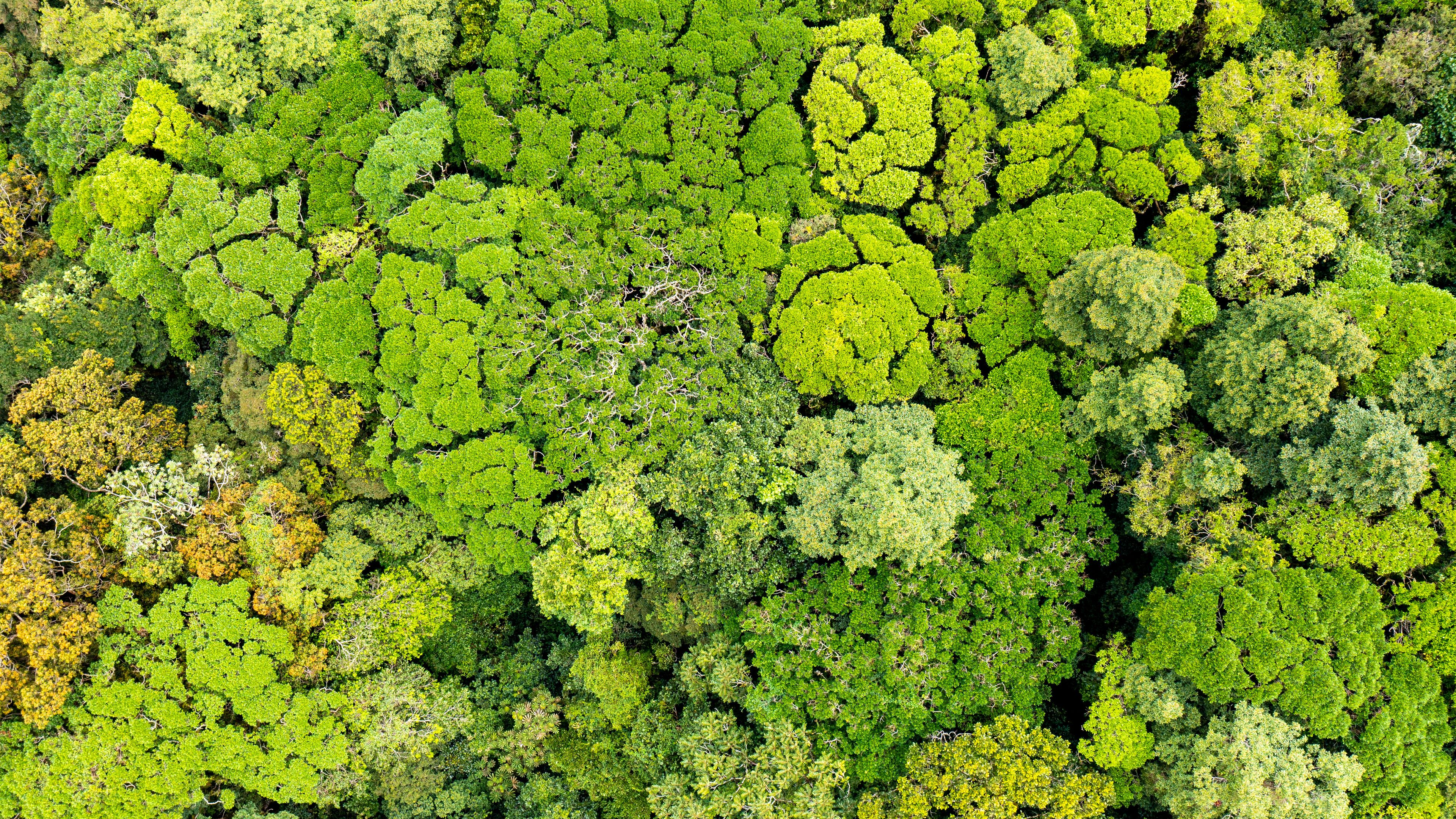
including working closely with suppliers to support the transition towards deforestation‑free and conversion‑free sourcing for high‑risk commodities. Preventing deforestation and land conversion helps reduce FLAG emissions, as clearing forests and other natural ecosystems releases large amounts of stored carbon. Our approach includes sourcing certified materials and ingredients, improving traceability so that materials can be linked back to known sources, prioritising sourcing from regions with a lower risk of deforestation, and working with industry groups, suppliers, NGOs, and other stakeholders to address shared challenges, such as improving traceability, monitoring deforestation risks, and promoting responsible production practices.
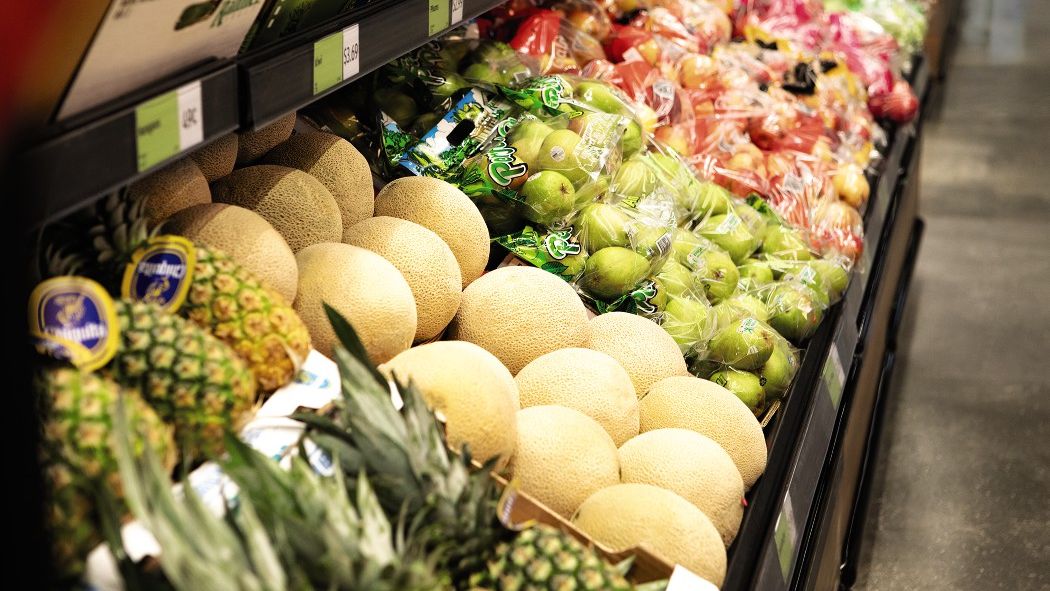
Food waste reduction measures
including improved forecasting, efforts towards the redistribution of surplus and further product development of surplus ingredients. These initiatives are intended to help maximise the value of resources and avoid emissions associated with the production, transport, storage, and disposal of food that would otherwise go unused.
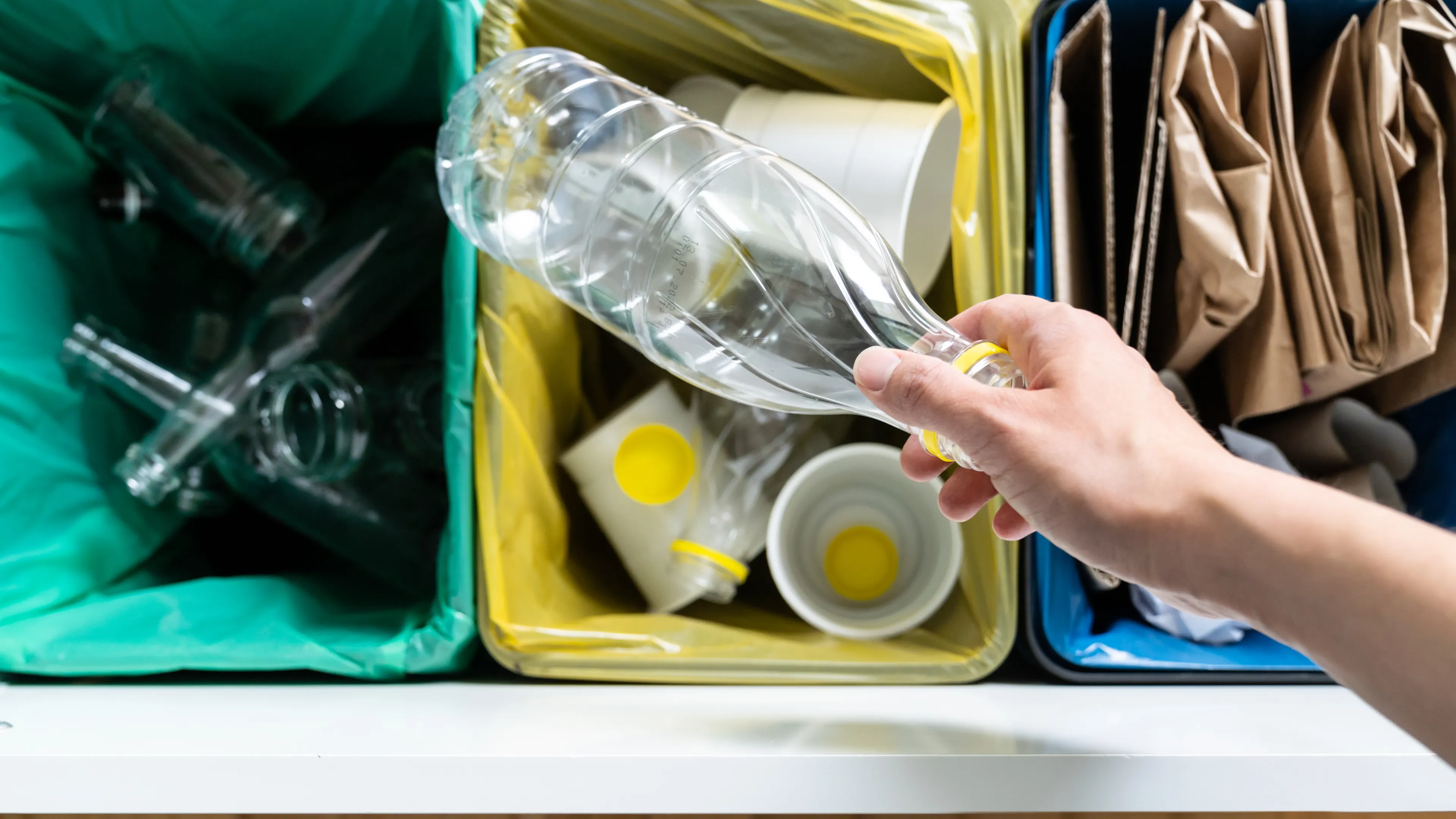
Packaging development
including material reduction, increased recyclability, and the expanded use of recycled content across our product range. By improving packaging design and collaborating with suppliers and industry initiatives, we aim to lower packaging lifecycle emissions - from sourcing and manufacturing to transport and end-of-life - while maintaining product quality and food safety.
Plant-based product portfolio expansion
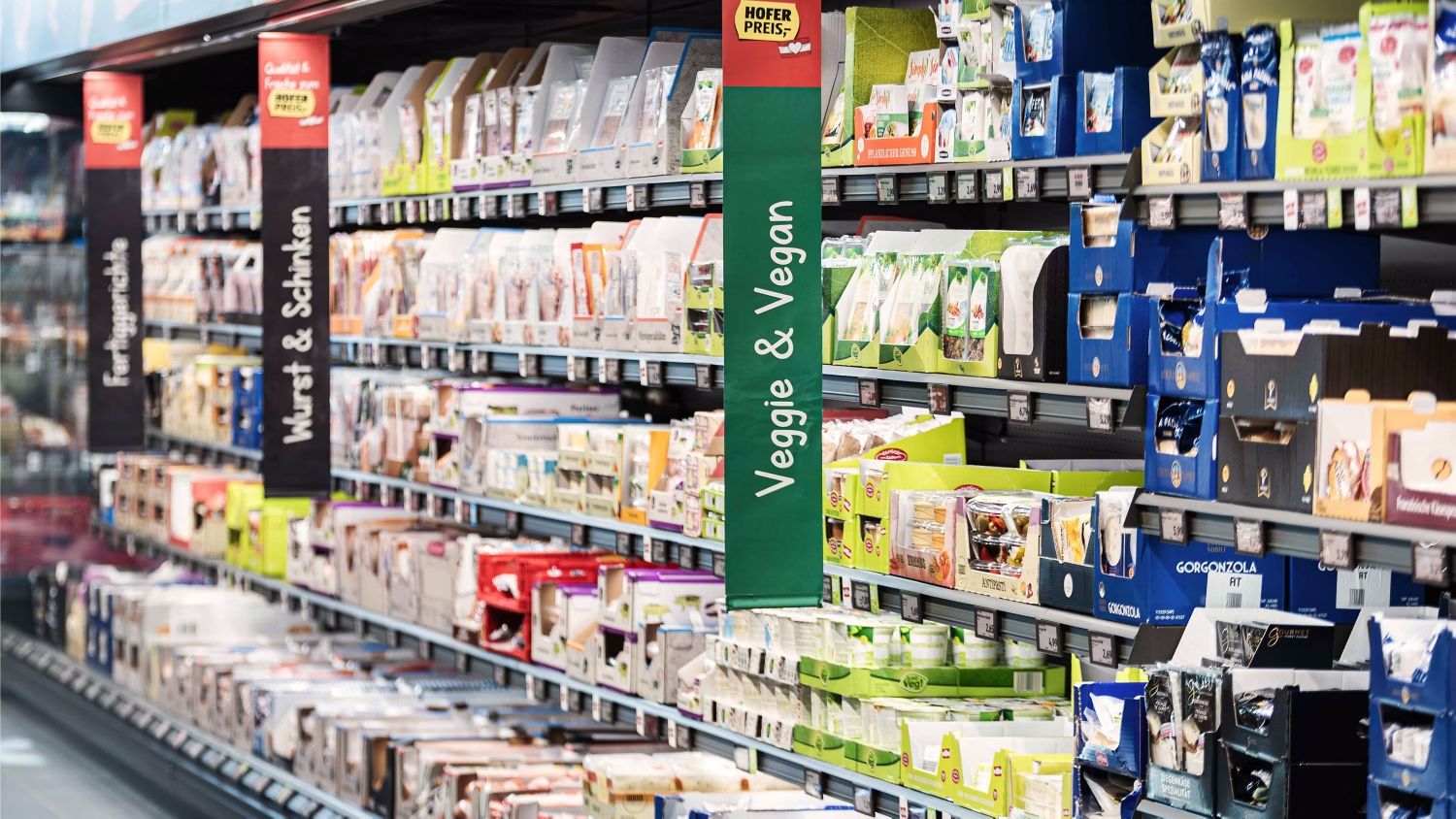
which includes exploring ways to increase the availability of plant-based proteins, dairy alternatives, and fruit and vegetable offerings, alongside a target of a 20% increase in absolute plant-based net sales by 2030 (2025 baseline). This initiative has the aim of supporting a shift towards a more plant-based diet that, as indicated by scientific studies, can help reduce environmental impact over time.

Climate policy advocacy and industry engagement
including support for effective policies, standards, and frameworks that support the transition to more sustainable and lower-emission supply chains. This includes engaging in multi-stakeholder initiatives and broader dialogues to help scale lower-emission initiatives in industry and agriculture and remove barriers to progress.
Reduction of emissions in our operations
Operational emissions (Scope 1 + 2 Energy & Industry or E&I for short) account for less than 1% of ALDI’s total GHG footprint. These emissions come from electricity use, refrigeration, heating systems, and transport. We have made progress in reducing emissions from our operations in recent years. Despite expanding our operational footprint and opening additional stores and distribution centres, ALDI reduced Scope 1 + 2 (E&I) GHG emissions by 21% in 2023 (baseline 2021).
Renewable electricity
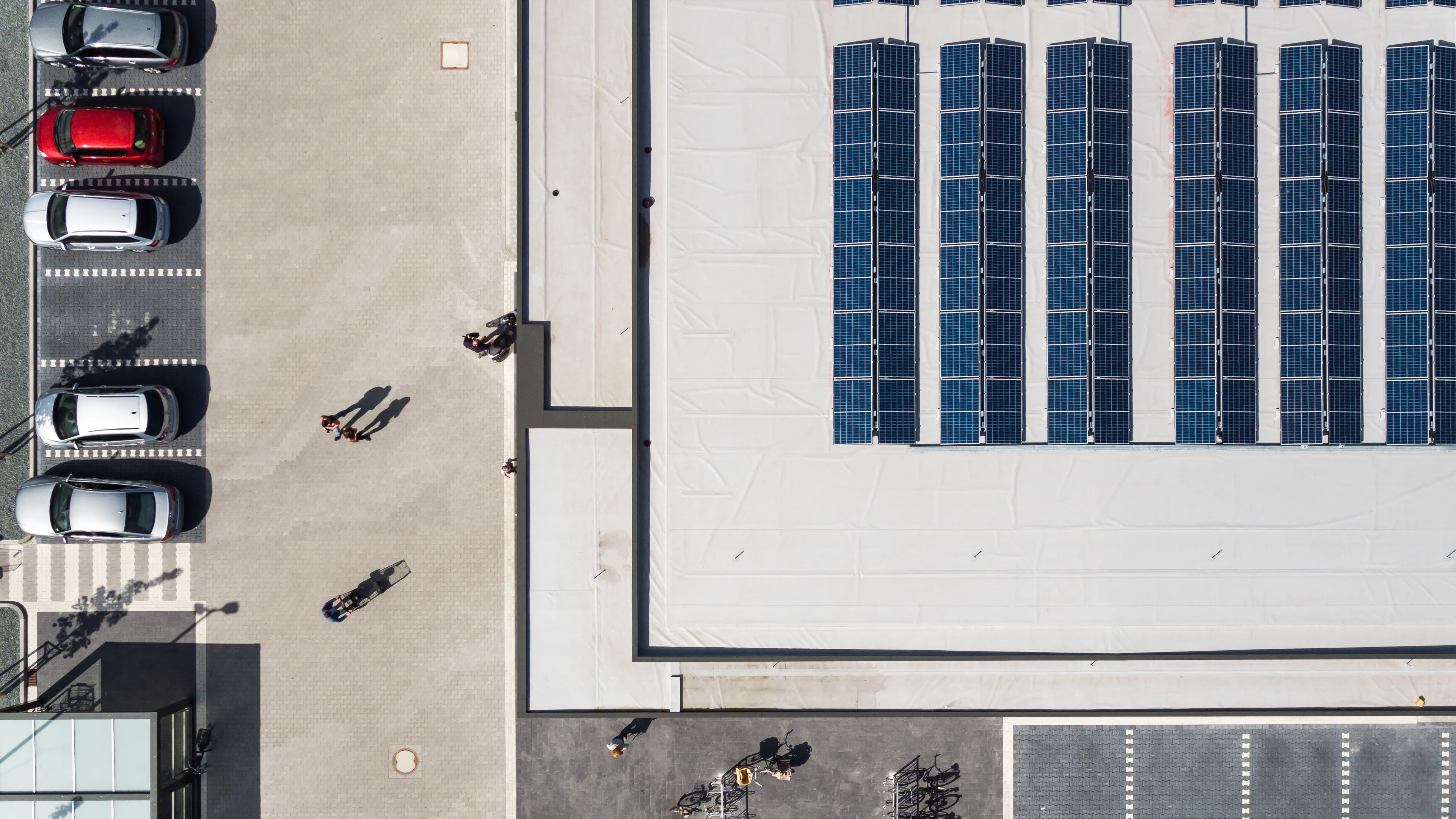
Continuing to source renewable electricity for our stores, regional distribution centres, and offices.
Low-carbon technologies
The deployment of targeted low-carbon technologies, such as heat pumps to decarbonise heating, refrigerants with lower global warming potential (GWP), strengthened refrigerant leakage management, and chiller doors in new and refurbished stores in markets such as the UK and Australia to reduce electricity consumption. We also aim to continue deploying advanced monitoring systems to manage and reduce energy use across our real estate.
Partner for change
The ALDI SÜD Group works with leading industry platforms and expert organisations with the dual aims of helping introduce credible climate solutions across our value chain and supporting broader systems change.
- We are a pilot company of the Taskforce for Corporate Action Transparency (TCAT), where we contribute to the development of emerging guidance designed to improve the consistency and comparability of corporate climate action.
- Through the Value Change Initiative (VCI), we work with industry peers and experts to improve how GHG reductions from value chain activities are measured and accounted for, and to help shape more consistent and credible climate reporting frameworks.
- As a member of the Sustainable Agriculture Initiative (SAI) Platform, we are guided by the Regenerating Together Programme, the industry’s first global definition and approach to regenerative agriculture. Through the SAI Platform, we collaborate with peers, suppliers and technical partners to promote consistent guidance, improve the quality and availability of data, and support the transition to lower‑emission, more resilient agricultural systems.
- We intend to continue engaging in established cross‑industry platforms, such as the Dairy Sustainability Framework and, where relevant, market‑specific groups like the UK Dairy and Beef Roadmap, to share our knowledge on emissions reduction pathways and support progress on key sector priorities.
- We have joined the Low Carbon Fertilizer Alliance (LCFA), a multi-stakeholder initiative that aims to foster a simplified and collaborative approach to scale the decarbonisation of fertiliser manufacturing.
- We aim to continue participating in initiatives such as the Partners for Plant-Based Declaration that aim to contribute towards scaling a resilient plant-based food value chain. We believe this collaborative approach is essential for minimising environmental impacts, supporting long-term food security, and promoting healthier diets that benefit both people and the planet.
Climate advocacy
ALDI aims to use its voice and influence to support calls for the development of effective policies, standards, and frameworks that can help accelerate the decarbonisation of the food system.
Our climate advocacy focus includes:
- Participation in discussions on policies and regulations with the aim to support credible, transparent, and effective climate frameworks. This includes contributing to consultations and supporting initiatives such as a Eurosif letter advocating for mandatory climate transition plans under the EU Corporate Sustainability Due Diligence Directive (CSDDD).
- Cooperation with partners, suppliers, and expert organisations, such as TCAT and the VCI, to strengthen how climate action is measured, reported, and recognised. This includes advancing robust, verifiable approaches that can better capture real-world GHG emissions mitigation.