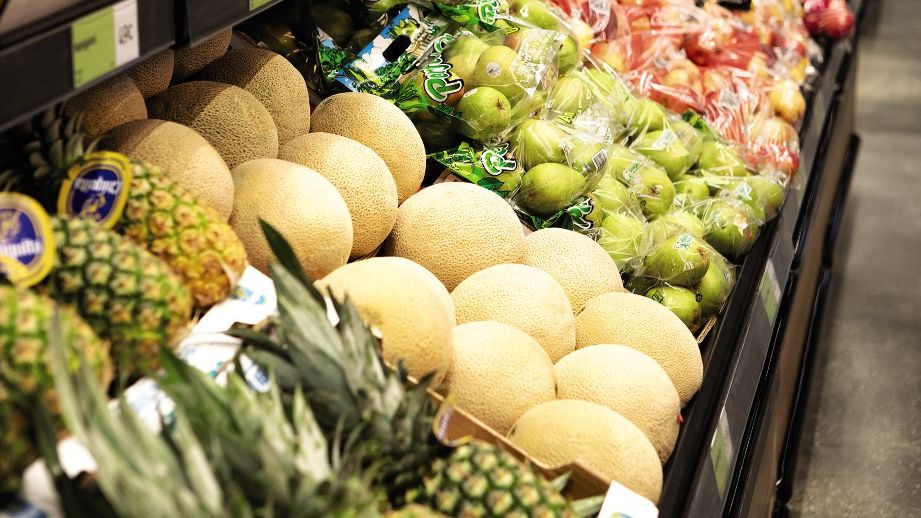
Food waste significantly impacts the environment. Over recent years, the ALDI SÜD Group has implemented initiatives to help reduce food waste across our own operations and supply chains. As part of these efforts, we support food donations in our national ALDI markets and work on projects that seek to prevent, reduce, and repurpose surplus food throughout the value chain.
* WWF / ** Food waste reduction is measured against country-specific baseline years, which reflect the start of food waste reduction programmes and consistent reporting in each country: AT, GB and IE 2017; DE 2019; AU, CH, HU, IT, SI and US 2021; CN 2024.
Why food waste matters
Food production accounts for 70% of global freshwater use, 50% of soil erosion, and a third of all greenhouse gas emissions. The conversion of natural ecosystems for agricultural production is the leading cause of habitat and biodiversity loss.
According to the UNEP Food Waste Index Report 2024, around 19% of food globally available to consumers gets wasted, and an estimated 13% is lost in the supply chain every year. Food loss and waste occur at every stage of the food system, from production and processing to retail and consumption, with surplus food often ending up in landfills, incinerators, wastewater systems, or left unharvested in fields.
The report also links food waste to wider food security challenges with nearly 30% of the world’s population having limited or uncertain access to nutritious food, stating that reducing food waste can increase food availability for those who need it.
That’s why ALDI sees reducing food waste as an important step towards helping transform global food systems, with producers, suppliers, retailers, and consumers all having a part to play.
The environmental impact of food waste
When food is wasted, more than its nutritional value is lost. Resources are required at every stage of the value chain to grow, process, sort, package, transport, sell, prepare, and consume food. The later food is wasted along this journey, the greater the loss of the energy, water, materials, and other resources invested in its production.
By reducing food waste, particularly in areas where we can have great influence, ALDI seeks to support food security, help limit climate impacts, and protect natural resources.
Food waste in our value chain
Producer Level
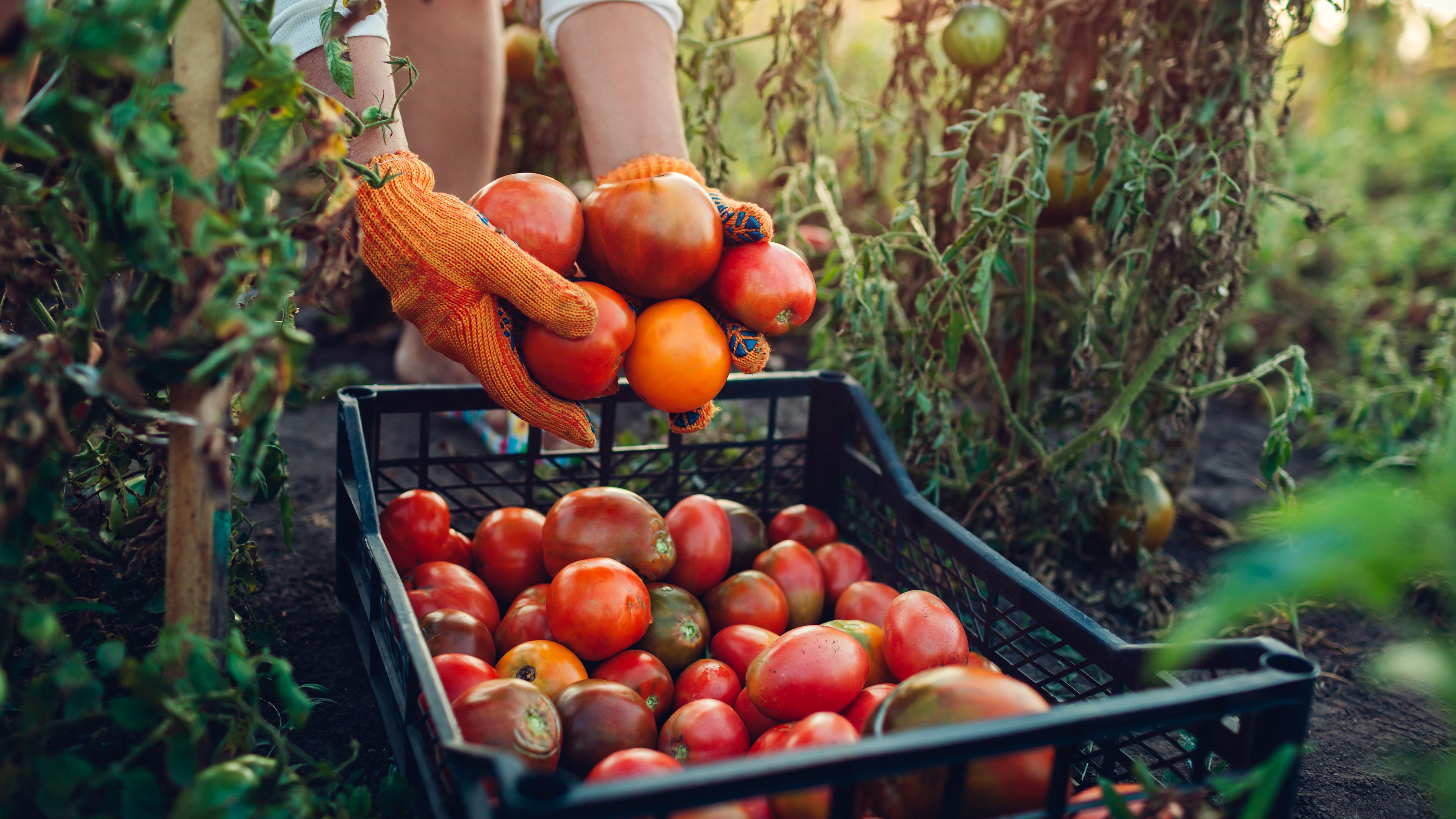
Food loss and surplus occur across the food system and are influenced by a range of factors, including weather conditions, production variability, consumer demand, and market requirements. Globally, an estimated 1.2 billion tonnes of food are lost on farms each year, highlighting the importance of addressing food loss and waste across the entire value chain.
ALDI Stores & Operations
Food waste can happen in our stores and operations for different reasons. Products may not be sold in time, become damaged during handling or transport, be stored incorrectly, or not meet quality standards.
Households
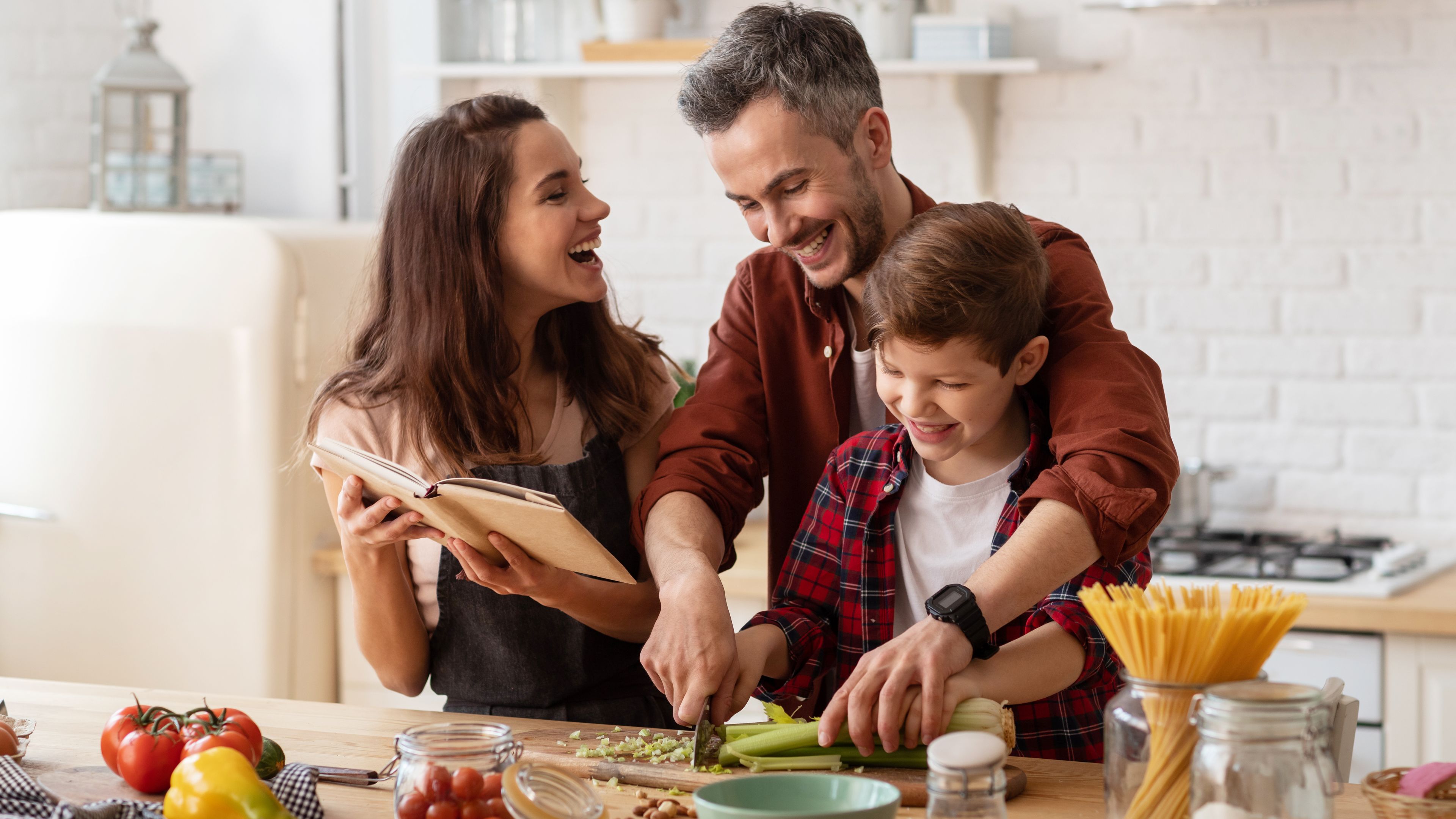
Food waste in households can result from a range of factors, including purchasing more food than needed, improper storage, limited awareness of product freshness, and misunderstanding date labels such as the best-before date.
What is ALDI doing about food waste?
While not all food waste can be avoided, we work to reduce it where feasible. As food waste is largely generated outside our own operations, we collaborate with suppliers and partners to better understand how surplus food can be prevented, redistributed, or repurposed across supply chains.
- ALDI reduced food waste in its own operations by 48.6% (compared to the baseline year of the respective country*), lowering the share of food waste relative to food purchased from 0.95% to 0.49%. This equals saving 118,000 tonnes of food annually and was achieved by increasing donations to charitable organisations across ALDI countries.In our ALDI stores, we seek to reduce food waste by improving forecasting and stock management to better align supply with customer demand.
- In our ALDI stores, we seek to reduce food waste by improving forecasting and stock management to better align supply with customer demand.
- We also support customers in reducing household food waste through product information and awareness initiatives. For example, labels such as Smell me! Taste me! I'm often good for longer encourage customers to assess product quality and freshness before discarding.
- Customers can also benefit from discounted products approaching their best-before or use-by dates, surprise bags offered through Too Good To Go, and products donated to charitable organisations.
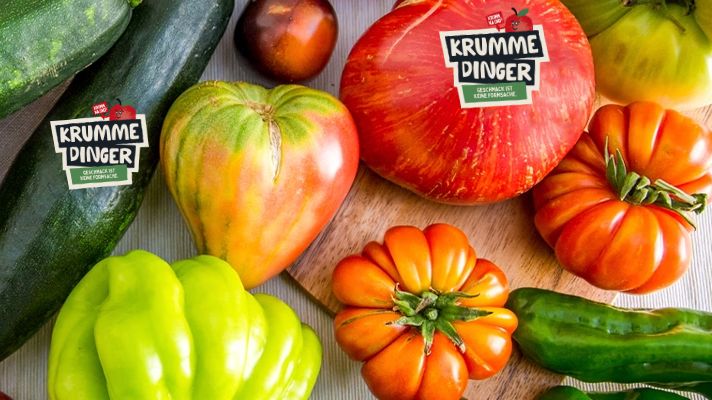
- In our German, Austrian and UK markets, we offer products such as Krumme Dinger (Crooked Things) and Wonky Vegetables. These are fruit and vegetable products that may differ in appearance but remain suitable for consumption.
- Where surplus food cannot be sold, we seek to prioritise redistribution through food donation programmes and explore alternative uses, including animal feed, composting, and biogas generation. In 2025, we donated 98,000 tonnes of unsold food, representing around 42% of our unsold food globally.
* Footnote: Food waste reduction is measured against country-specific baseline years, which reflect the start of food waste reduction programmes and consistent reporting in each country: AT, GB and IE 2017; DE 2019; AU, CH, HU, IT, SI and US 2021; CN 2024.
Integration of supply chain surplus into our ALDI products
Food surpluses can arise at various stages of the supply chain, for reasons including variations in yields, production planning, and aesthetic or size specifications. In some cases, these products can be challenging for suppliers to market or donate.
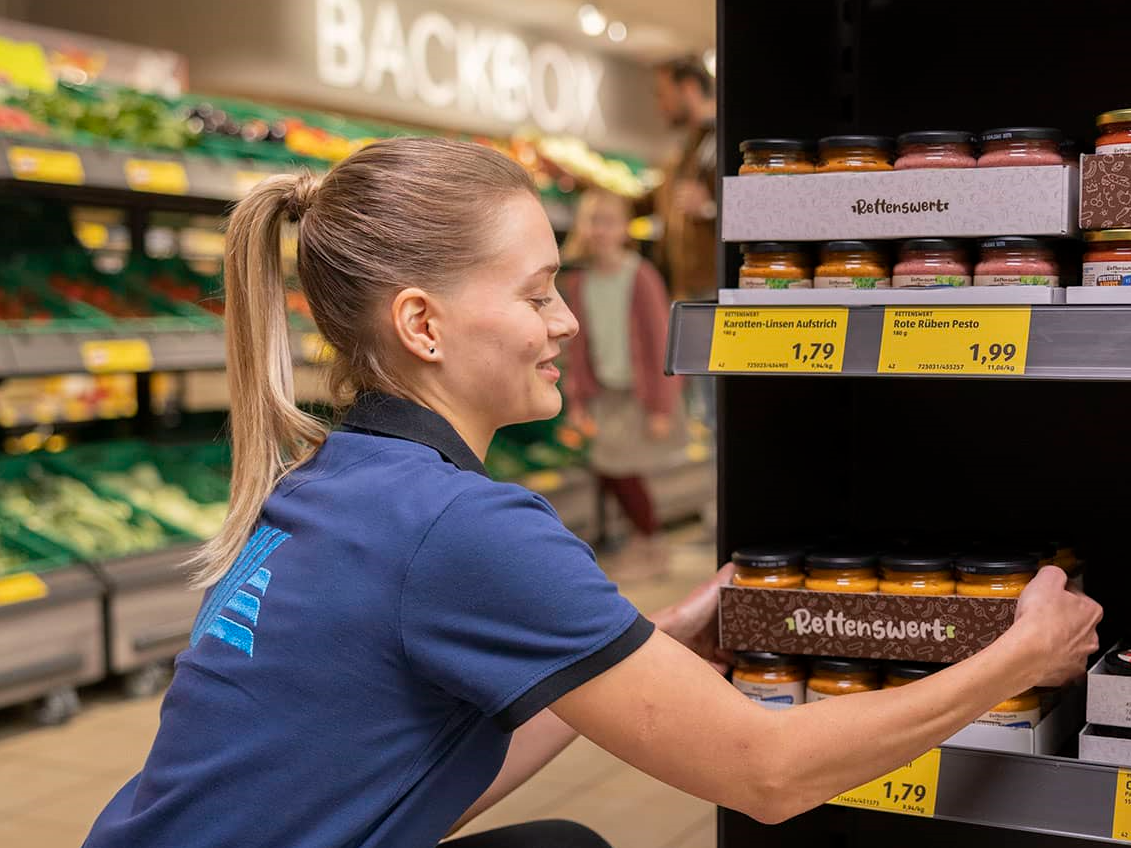
One of the ways we are helping to address this challenge is through HOFER‘s Rettenswert brand, which repurposes surplus ingredients into new products that our customers can enjoy. Through the Rettenswert range, surplus ingredients are transformed into products such as pumpkin pesto, antipasti, chutneys, fruit jams and vegetable spreads. These products use ingredients that may otherwise go to waste, including imperfect vegetables and produce affected during harvesting or post-harvest processing. Between October 2022 and October 2025, approximately 1.400 tones of food were repurposed into products through the Rettenswert range.
Building on this experience, we are exploring opportunities to expand similar approaches across our markets. By incorporating rescued ingredients into our existing product lines, we seek to create additional uses for food that might otherwise go unused and support efforts to reduce food waste in the supply chain.
Collaboration to drive change
As a global food retailer, ALDI works closely with producers, distributors, government agencies, and community organisations to address food waste across the supply chain.
- ALDI is a member of the Consumer Goods Forum Food Waste Coalition of Action, alongside other major retailers. The goal of this collaborative initiative is to launch consumer-focused campaigns, benchmark progress, share knowledge, and trial new technologies.
- We engage with charity partners to help redistribute and donate surplus food. In 2021, the ALDI SÜD Group partnered with Too Good To Go to make surplus food available to customers at a reduced price in Austria, UK and Ireland. Food that remains suitable for consumption but is at risk of going to waste is packed into Surprise Bags, which customers can reserve through the Too Good to Go app and collect from stores before closing time. More than 3.4 million Too Good To Go surprise bags were sold in Austria, UK and Ireland by 2025.
- Working with Too Good To Go forms an important part of our approach to reducing food waste. In the UK, initiatives such as improved forecasting, food donations and surplus food redistribution have contributed to a 70% reduction in food waste in 2024 compared with the baseline year of 2017.