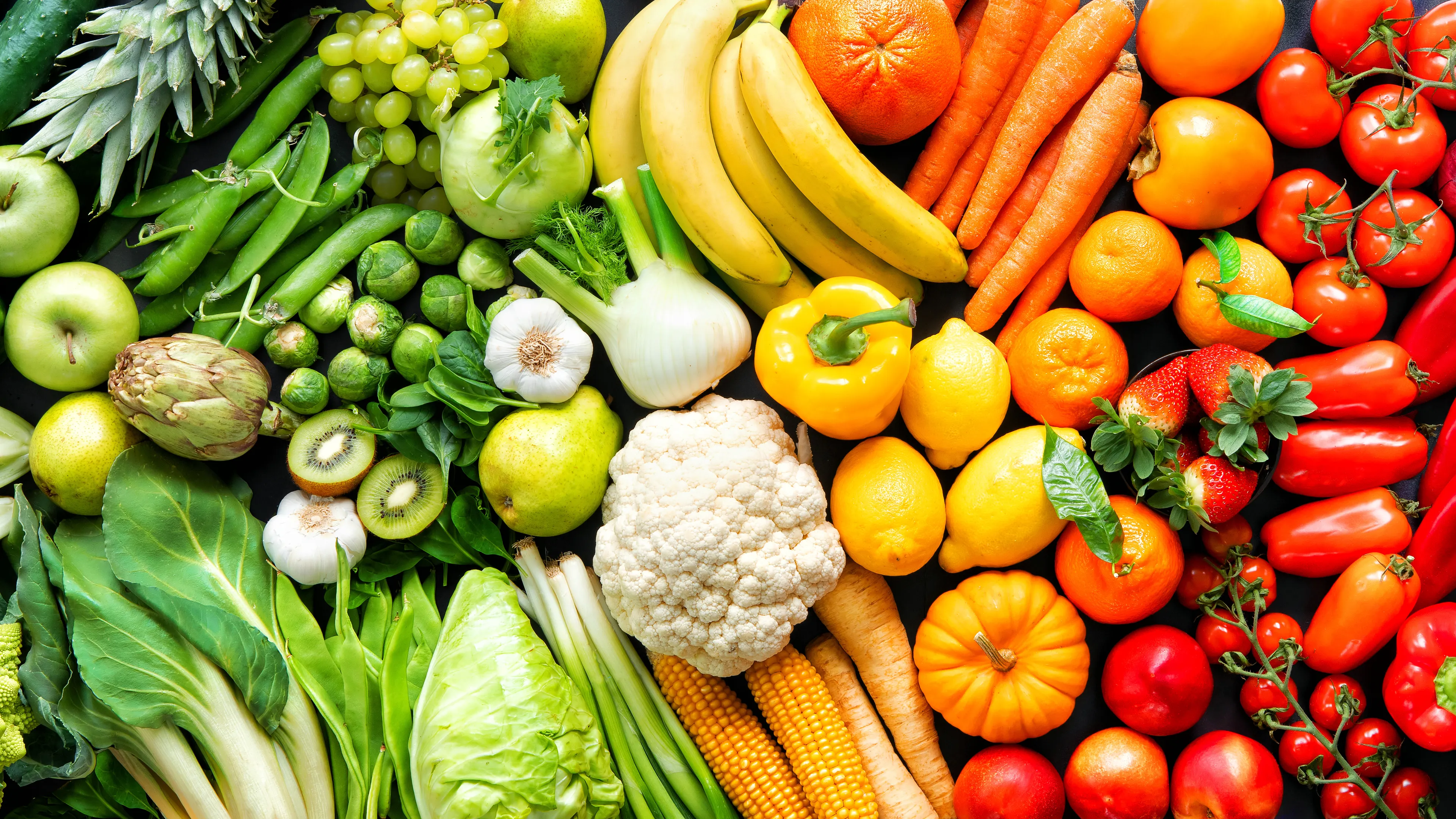
A balanced diet is important to people’s long-term health. The ALDI SÜD Group strives to make healthier diets more affordable and accessible for our customers. We are reformulating products to reduce salt, sugar, and saturated fat, and support the transition to healthier diets by expanding our range of plant‑based options.
Why is healthy and plant-based nutrition important?
Diets high in salt, added sugars, and saturated fats can drive obesity and contribute to the development of non-communicable diseases (NCDs). Reformulating products to contain less sugar, salt and saturated fat is widely seen as a way to support healthier diets and contribute to better population health over time. Many public health guidelines also encourage prioritising fresh and home prepared foods over the frequent consumption of highly processed foods. Scientific research indicates that higher consumption of plant based foods is associated with improved overall health and can support aspects of wellbeing, such as heart and metabolic health.
Diets with a stronger focus on plant-based foods can also benefit planetary health by helping to lower climate, land, and water pressures associated with livestock-based production. This connection underscores how healthier diets and a healthier planet go hand in hand.
Healthy diet
A healthy diet needs to provide an essential amount of nutrients and includes a variety of foods with many dietary components, such as vitamins and minerals. It supports a balanced energy intake from protein, fats, and carbohydrates as well as a moderate consumption of food associated with negative health effects.
How can we offer healthier diet choices for our customers?
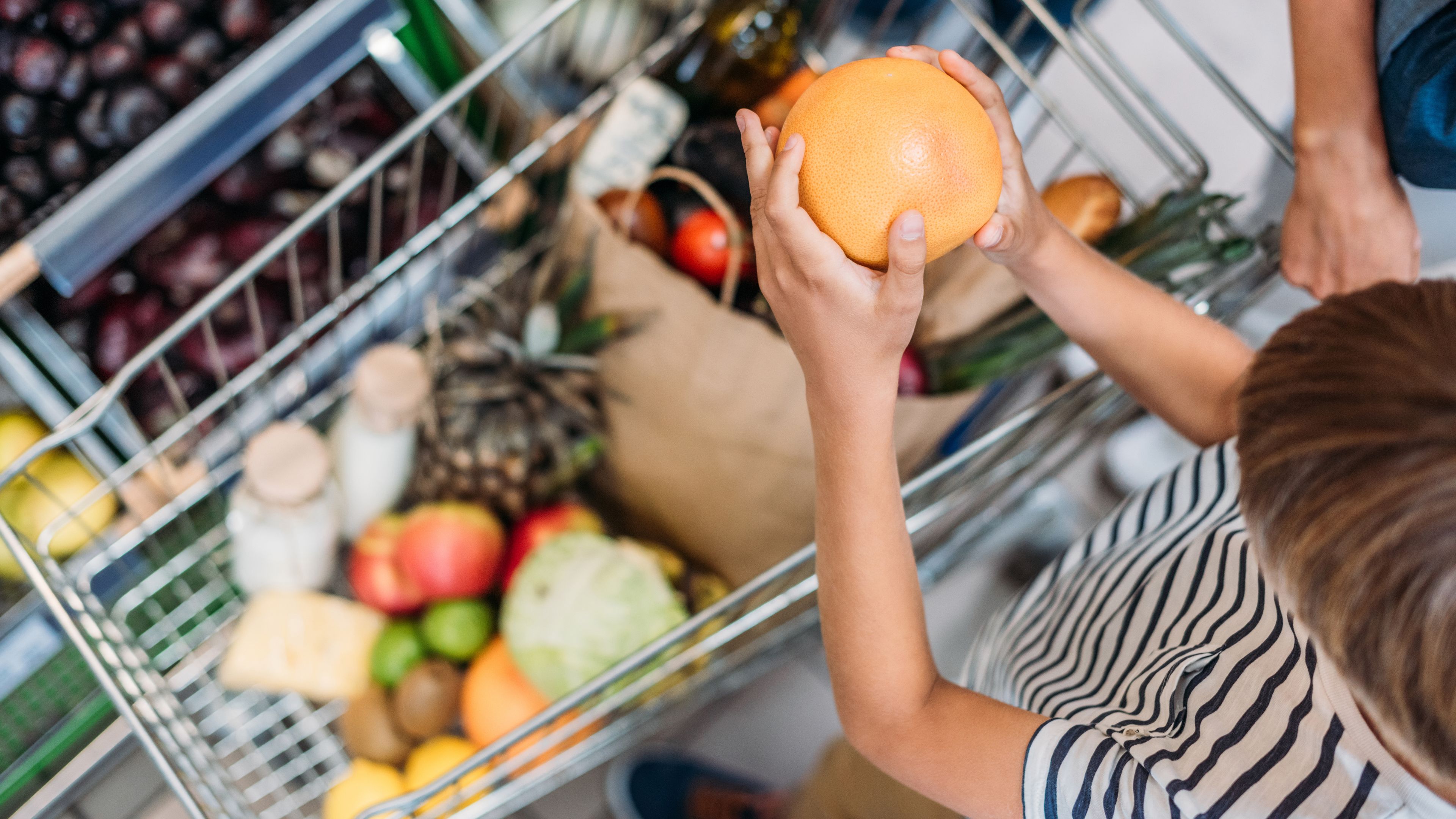
As a global food retailer, we play an important role in ensuring essential product offerings in our markets. We therefore aim to offer our customers affordable choices for a healthier diet by:
- Introducing guidelines to help our suppliers reformulate products by lowering salt, sugar, and saturated fat,
- Providing healthy, affordable plant-based products to our customers,
- Leveraging clear and transparent nutritional labelling on our packaging based on recognised standards,
- Collaborating with the most recognised nutrition and food associations, internal nutrition experts, and external advisors,
- Engaging with policymakers to incentivise the consumption of healthy foods, drive easy to understand and consistent nutrition labelling, and support innovation.
Support of product reformulation
Improving the nutritional profile in our own-brand products is a key lever in addressing diet-related health risks. By reducing sugar, salt, and saturated fat and prioritising healthier ingredients, we can help improve the nutritional profile of our food products. Product reformulation is recommended by the WHO as an effective, population-level strategy to help reduce diet-related disease risk.
The ALDI SÜD Group intends to introduce clear guidelines to help suppliers reformulate relevant products by reducing salt, sugar, and saturated fat. In addition, we aim to improve the overall nutritional profile of our products by increasing fibre, wholegrain, and protein content. Our efforts focus on product categories with high reformulation potential and potential positive health impacts, such as breakfast, dairy, bakery, pantry, chilled and frozen products, and non-alcoholic beverages.
Examples for successful reformulation initiatives in our markets:
- Our private label lines Nur Nur Natur (Germany) and Zurück zum Ursprung (Austria) offer organic products of high quality with no unnecessary additives, flavour-enhancing ingredients, or added flavours.
- ALDI SÜD Germany, HOFER Austria and ALDI SUISSE are continuously optimising the sugar and salt content of their private label products. They have also introduced sugar and salt reduction targets for selected private label categories. For example, ALDI SUISSE has been particularly successful in reducing the sugar of curd cheeses (-31%), breakfast cereals (-24%), and yoghurt (-19%) between 2019 and 2025.
- ALDI UK removed an average of 344 tonnes of sugar from its biscuit category in 2024. The figure is the difference in sugar tonnage sold between 2023 and 2024, using 2024 sales data for both but nutritional values specific to each year. The category includes for example: biscuits, breakfast cereals and cakes. It also became one of the first retailer signatories to the Food and Frink Federation’s Action on Fibre (AOF), committing to support increased fibre intake in the UK.
- ALDI US, one of the first US grocers to remove certified synthetic colours from its private label food products, aims to remove 44 additional ingredients by the end of 2027. ALDI will remove for example Titanium Dioxide, Azodicarbonamide (ADA), BHA and BHT.
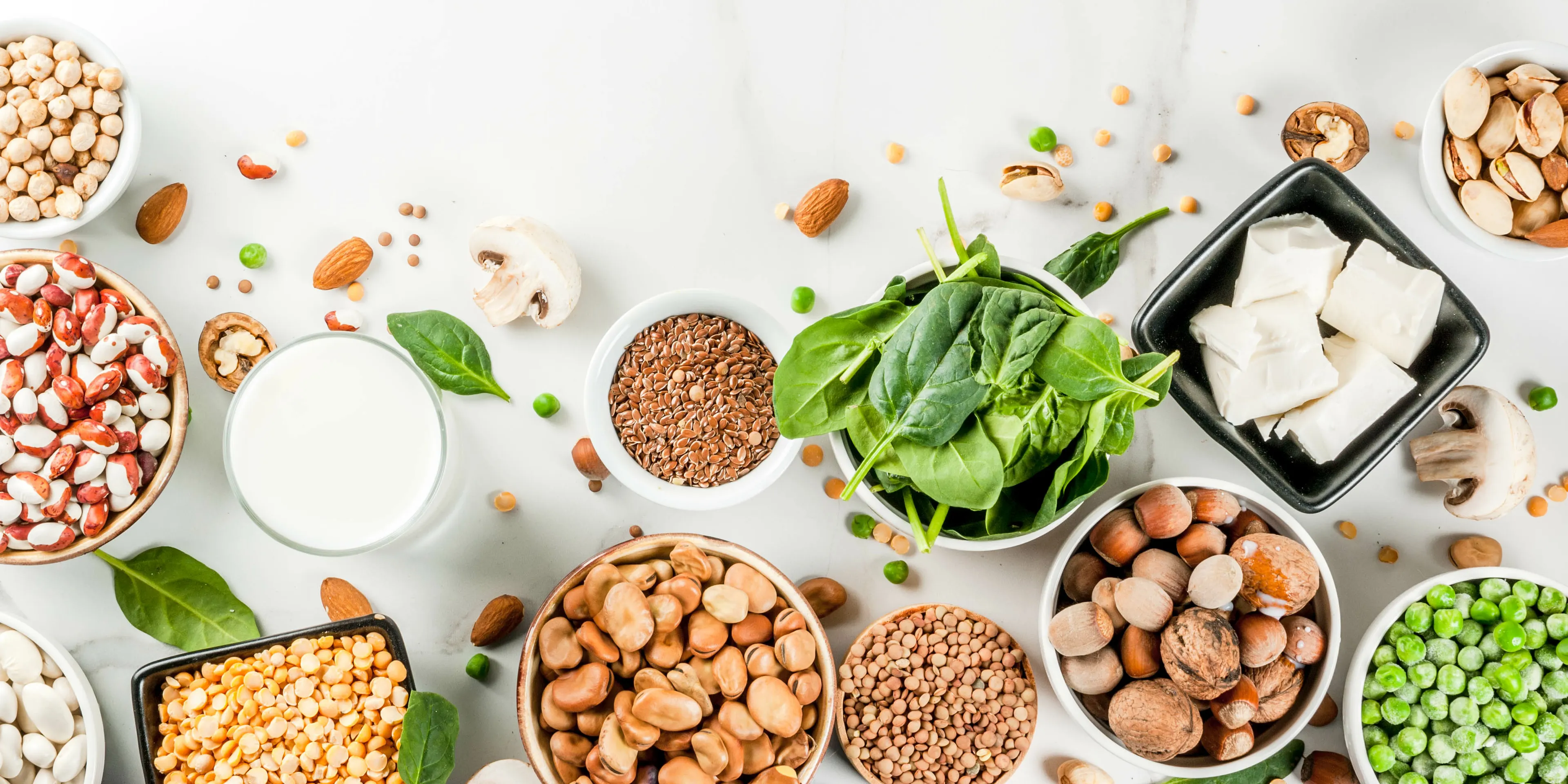
Offer of more plant-based products and alternatives
A plant-based diet primarily includes foods from plants – such as vegetables, fruits, grains, beans, nuts, and seeds – with none or only limited animal products. It is often considered nutrient-dense, typically high in fibre, and lower in saturated fat. Overall, plant-based diets can offer dual benefits, supporting both improved health outcomes by helping to reduce the risk of diet-related diseases and reduced environmental impacts. Studies estimate that shifting to a plant-based diet could reduce food-related greenhouse gas emissions by at least 30%, agricultural land-use by at least 41%, and premature deaths by at least 20%.
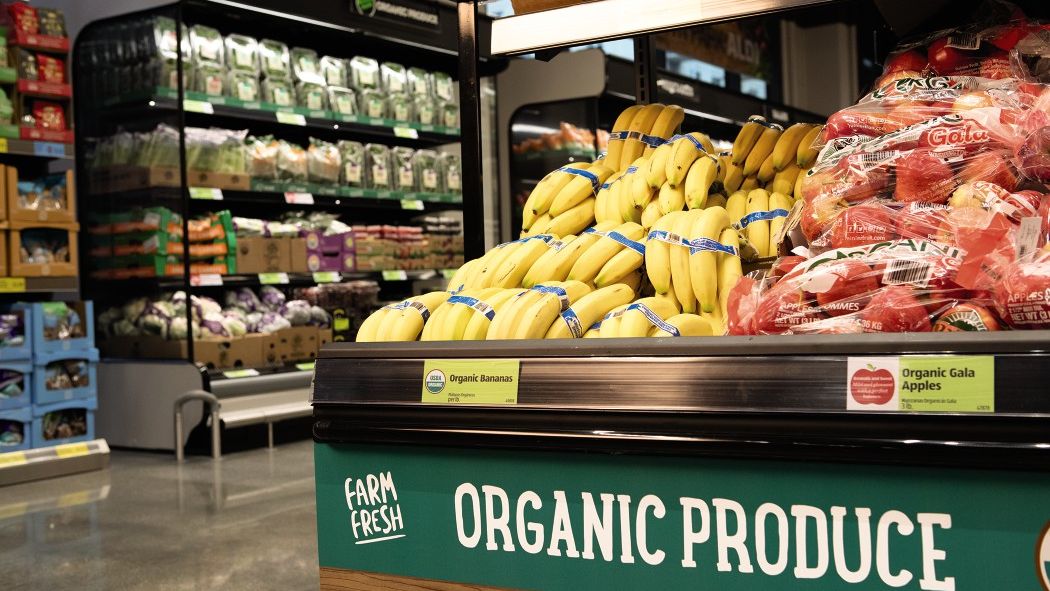
We aim to provide healthy, affordable plant-based options aligned with our product assortment and customer demand. This includes plant-based protein sources (such as meat alternatives, legumes and grains), dairy alternatives, plant-based fats and oils, and fruit and vegetables, as defined by the WWF Planet-Based Diets Retailer Methodology. We support a shift towards a more plant-based diet that, as indicated by scientific studies, can help reduce environmental impact over time.
Across our markets, we continuously expand plant-based choices:
- ALDI UK has more than doubled its range and tonnage of dairy alternatives compared to 2020. In 2024, plant-based products made up to 21% of all high-protein sales (compared to 17% in 2020).
- ALDI SÜD in Germany was named Vegan Retailer No. 1* for its private labels in 2024.
- Across ALDI stores in Germany, around 1,400 products carry recognised vegan labels (V-Label or Vegan Trademark) over the course of the year.** ALDI SÜD Germany also reports that the plant-based products account for 56.4% of its product range, while animal-based products account for 43.6%.***
- HOFER Austria aligns with the Planetary Health Diet and provides suppliers with formulation guidelines for plant-based alternatives, including requirements for nutritional profiles, ingredients and additives.
* NielsenIQ Homescan, vegan private labels, MAT August 2024, sales and sales volume, food retail and drugstores in the ALDI SÜD sales region in Germany. ** Food and cosmetic product varieties (standard, promotional, and seasonal goods) marked with the V-Label (vegan) or the Vegan Trademark at ALDI SÜD in Germany throughout 2024. *** Based on the volume of plant- and animal-based branded and private-label food products sold in the standard, seasonal, and promotional product ranges for the 2024 fiscal year; calculated using the WWF method.
Encouragement for healthier diet choices
Nutrition labelling systems such as Nutri-Score are widely recognised as effective tools to support consumers in making informed food choices and healthier eating decisions. Displayed on product packaging, they provide clear and easy-to-understand nutrition information that helps customers compare products and make healthier decisions.
We strive to work towards using clear and transparent nutrition labelling on our packaging, based on recognised schemes, to help customers to make informed decisions for their health. The systems we already rely on include:
- The Nutri-Score in Germany and Switzerland
- The Traffic Light Labelling system in the UK
- The Health Star Rating in Australia

Collaboration and advocacy for healthier diets
Legislation plays an important role in ensuring that healthy choices are accessible to our customers. We engage with policymakers to incentivise the consumption of healthy foods, drive easy to understand and consistent nutrition labelling, and support innovation. We intend to continue to work with and further strengthen our collaboration with the most recognised nutrition and food associations. We seek to further intensify our engagement in the future.

For example, we collaborate with:
- Recognised nutrition and food associations in each of our markets, such as the British Nutrition Foundation or the Healthy Food Partnership in Australia, to advance the science of nutrition, set standards for practice and promote evidence-based information to foster healthier diets.
- Nutrition experts and external consultants who advise on the health requirements for our product lines, such as Nur Nur Natur in Germany. In Australia, we piloted the Whole Grain Certified logo of the Grains and Legumes Nutrition Council (GLNC) to support an increased consumption of whole grains.
- Industry-wide initiatives, such as the Partners for Plant-Based Declaration, to support a more resilient and plant-based food sector, or Action on Fibre, to work with partners on increasing fibre intake in the UK. Through our membership of EuroCommerce, we contribute to industry dialogue at EU level on topics relevant to the retail sector and the customer-facing requirements that shape access to healthier diet choices.