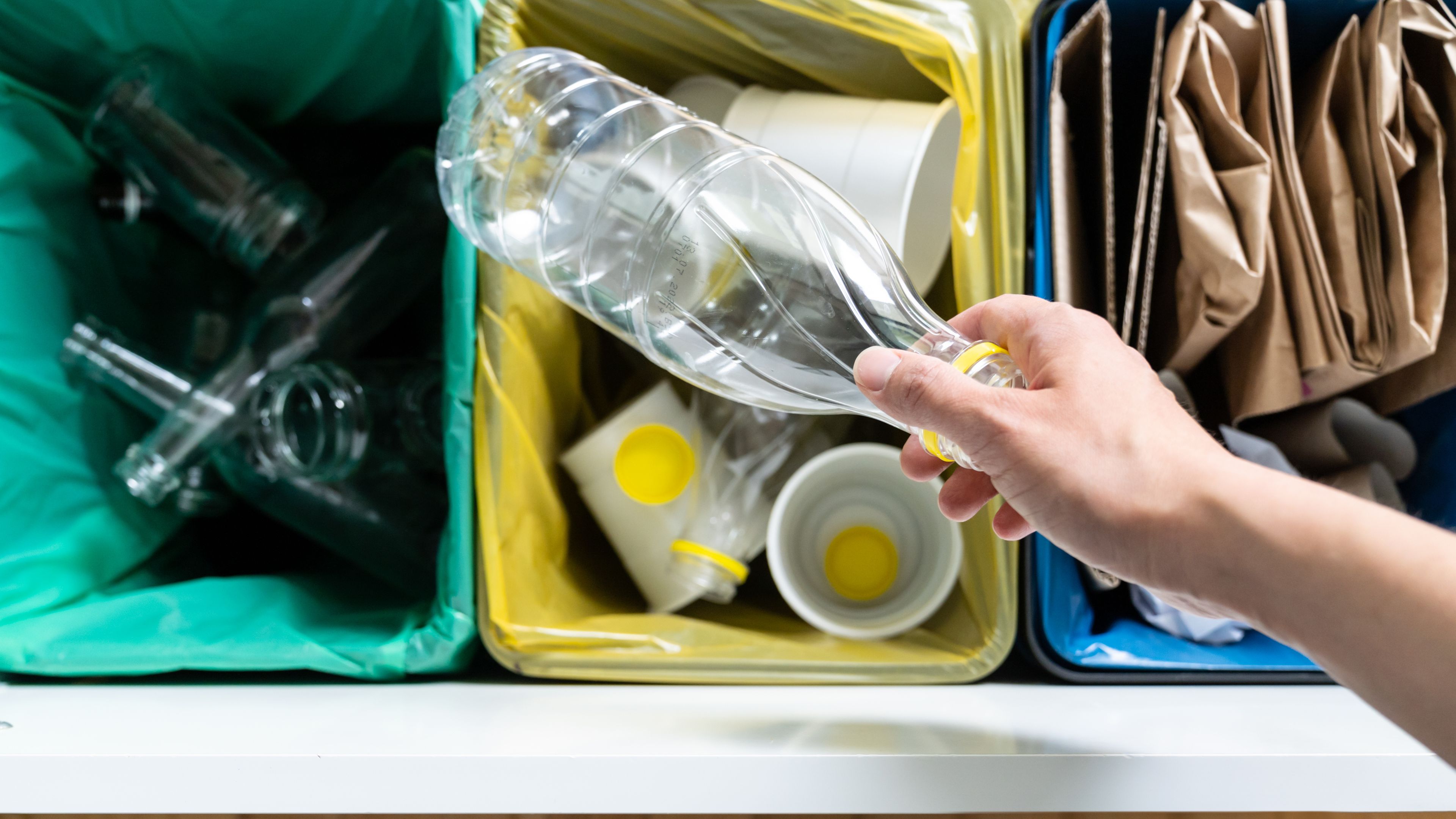
Packaging is an essential part of everyday life and helps to ensure that our customers receive quality products that stay fresh, are easy to handle, and are protected throughout transportation and storage. We recognise the importance of considering the environmental impacts of packaging throughout its lifecycle. The ALDI SÜD Group is working to reduce packaging, promoting more sustainable packaging solutions, and aligning with evolving packaging legislation.
Packaging is essential to modern living
Over time, packaging has evolved to deliver a range of benefits for both retailers and customers. Whether it is made from plastic, paper, metal, glass, or wood, packaging maintain product quality and freshness, protects products from damage or spoilage, facilitates transportation, and provides information that enables customers to make informed choices.
At the same time, we recognise that packaging requires resources and can have negative environmental impacts on ecosystems and the climate. From production to through disposal, packaging involves the use of raw materials, energy, water, and requires effective waste management systems. As a retailer with a high proportion of private label products, we recognise our responsibility to consider the impacts of packaging across its lifecycle. Through our approach, we work to reduce these impacts where feasible by improving packaging design, increasing resource efficiency, and effective end-of-life solutions.
How can we make packaging better
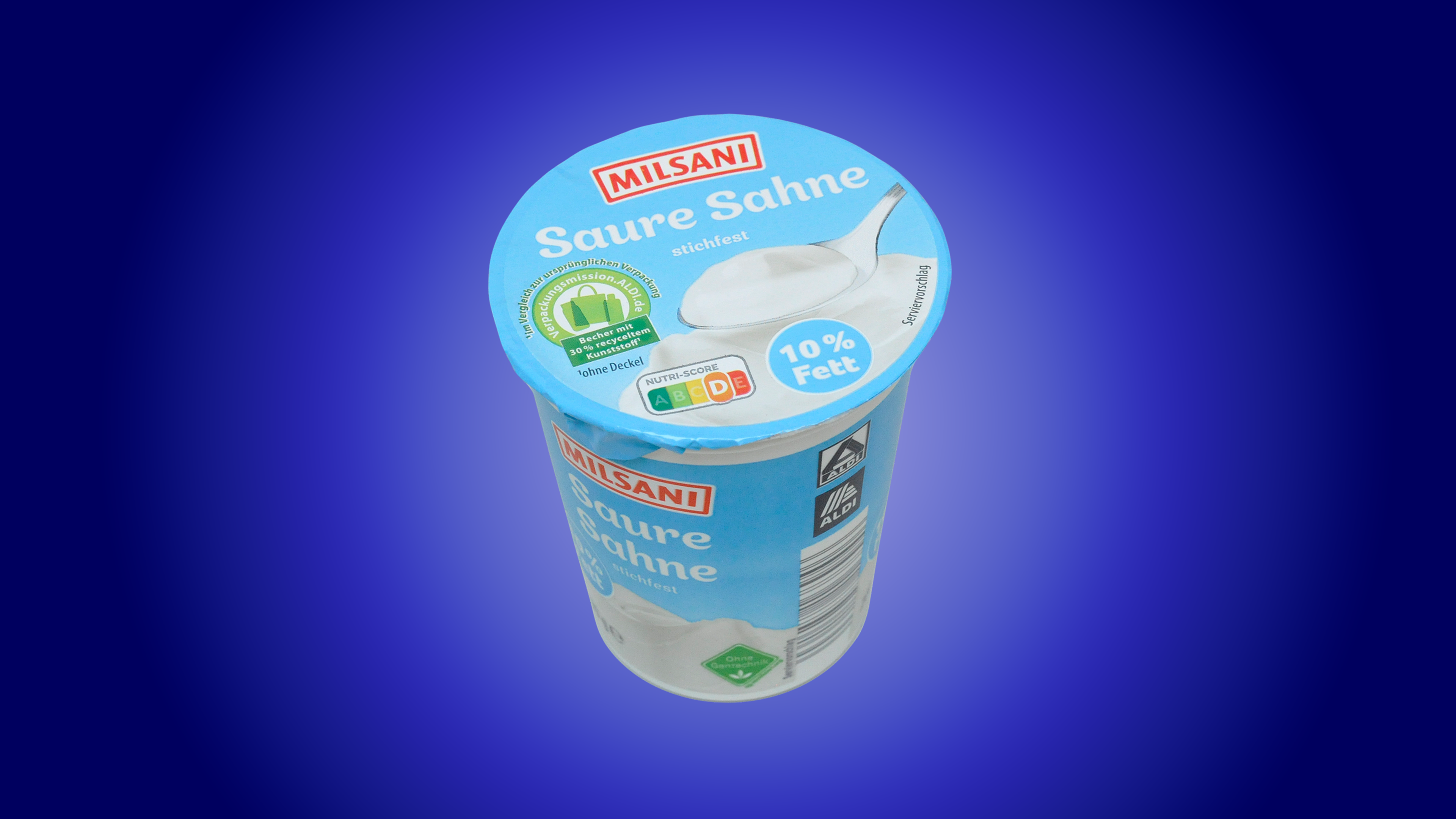
At the ALDI SÜD Group, we aim to reduce raw material usage, save energy, improve water efficiency, and support responsible waste management. Over the last five years, we have made considerable progress with our private label product packaging, focusing on reducing material usage, increasing recyclability, and incorporating recycled content.
- 84% of private label packaging is reusable, recyclable, or compostable.*
- 18% recycled content in our private label product packaging.*
- 22% reduction in private label packaging material relative to sales (baseline 2020).**
* Figures are calculated based on our own packaging data collection and supplier submissions. To ensure accuracy, only products with complete packaging data are included in the calculation for our recyclability and recycled plastic KPIs. Where data was not directly available for our weight reduction KPI, estimations and extrapolation methodologies were applied. For the US, 2024 figures were used due to lack of available data at the time of publication.
** Figure includes an inflation adjustment, as the KPI is calculated relative to sales. This ensures that the reported result reflects genuine progress in reducing packaging material use rather than changes driven by inflation.
Reusable
Packaging that is designed to be used multiple times for the same or a similar purpose, helping to reduce the need for single-use packaging.
Recyclable
Packaging that can be collected, sorted, and processed so that its materials can be used again to make new products or packaging.
Compostable
Packaging that biodegrades under industrial composting conditions into natural substances such as water, carbon dioxide and biomass without adversely affecting the composting process.
Through close collaboration with our buying departments, suppliers, packaging manufacturers, and external partners, we identify opportunities to optimise packaging and explore innovative solutions. Examples of measures implemented to date include
- the transition to clear caps on selected items to improve recyclability, such as still water, sparkling water and carbonated items throughout Europe,
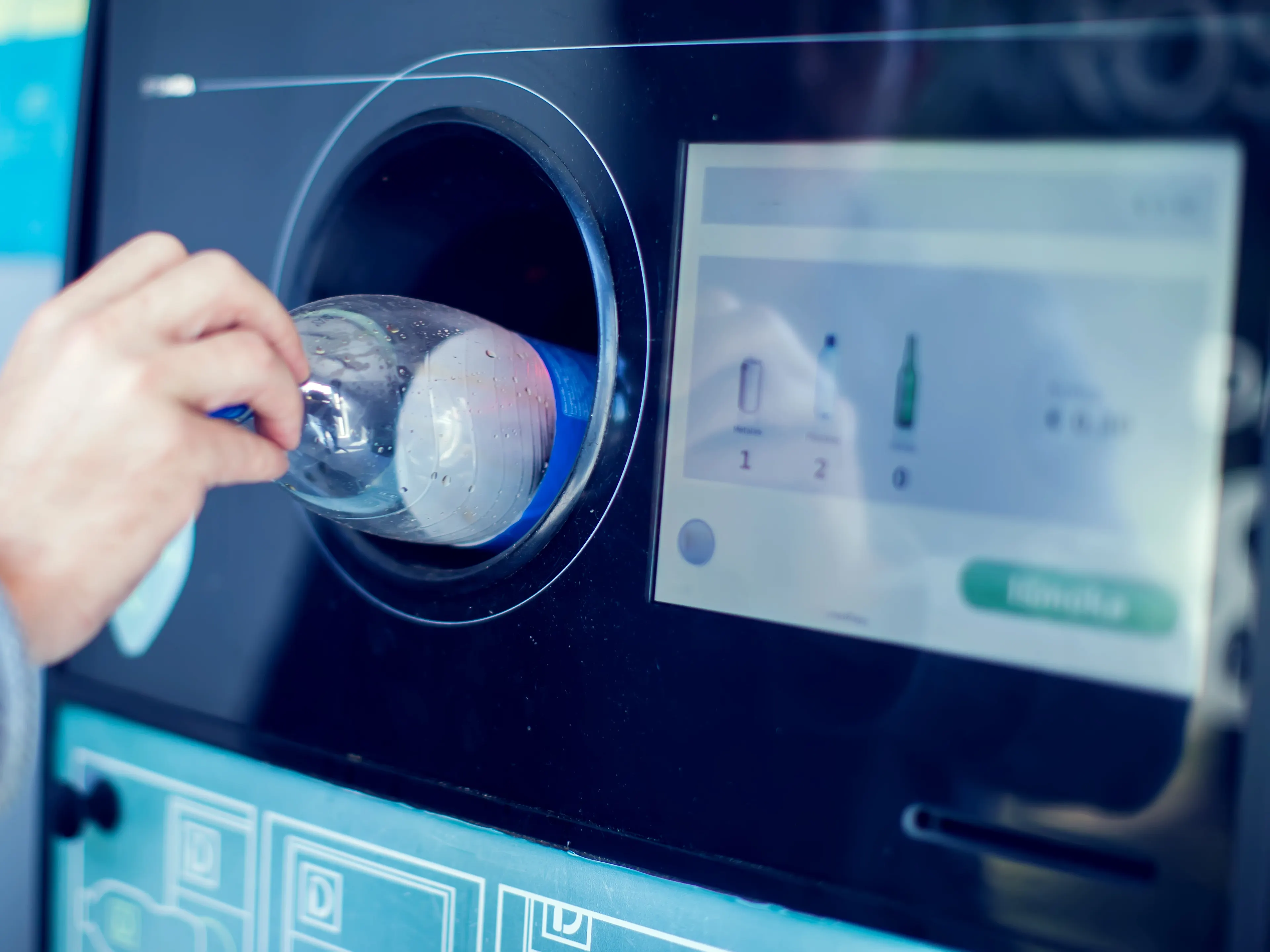
- the introduction of in-store collection systems,
- initiatives that support composting,
- the removal of plastic shopping bags, and
- the elimination of plastic shrink wraps from bulk items.
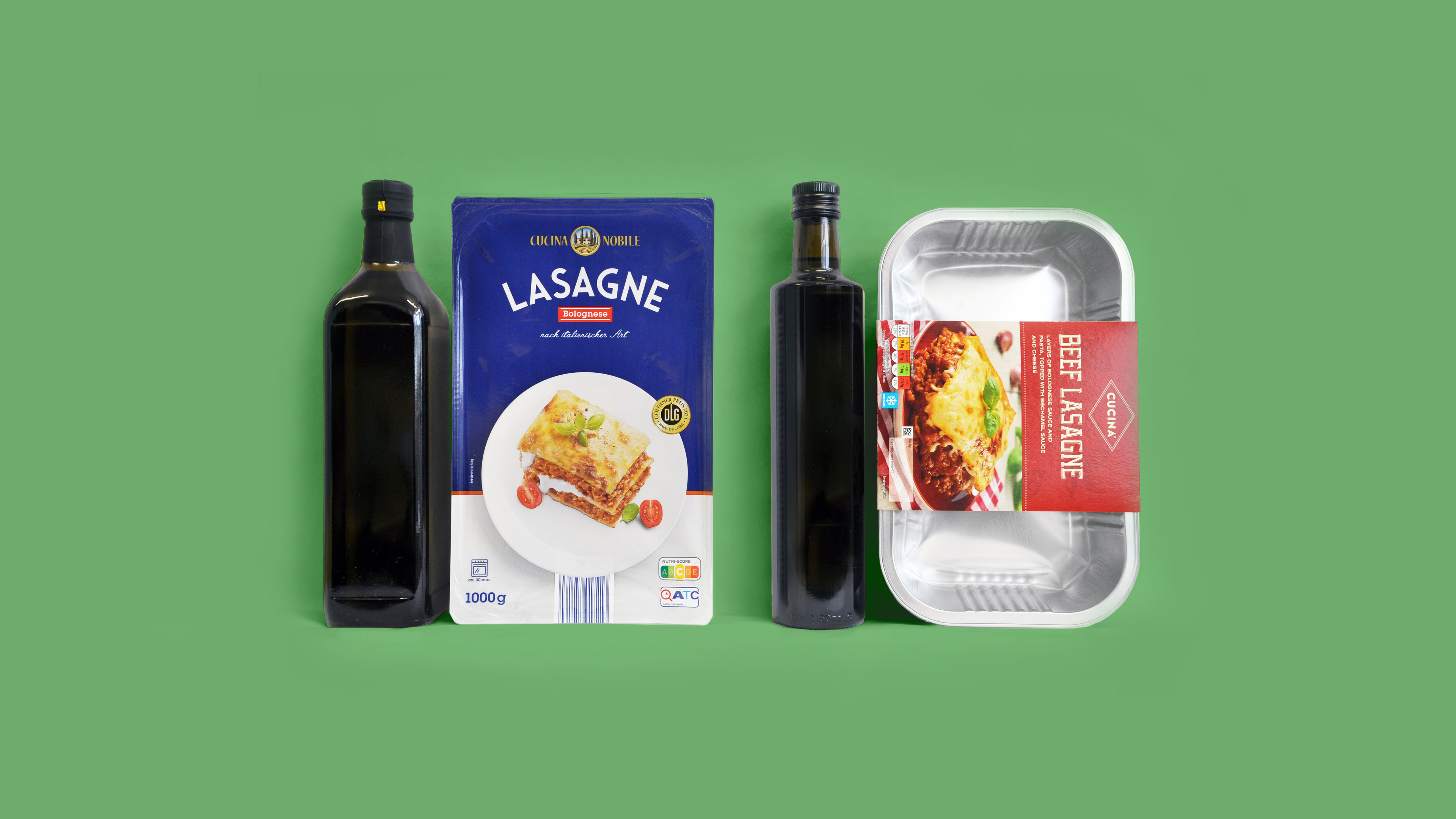
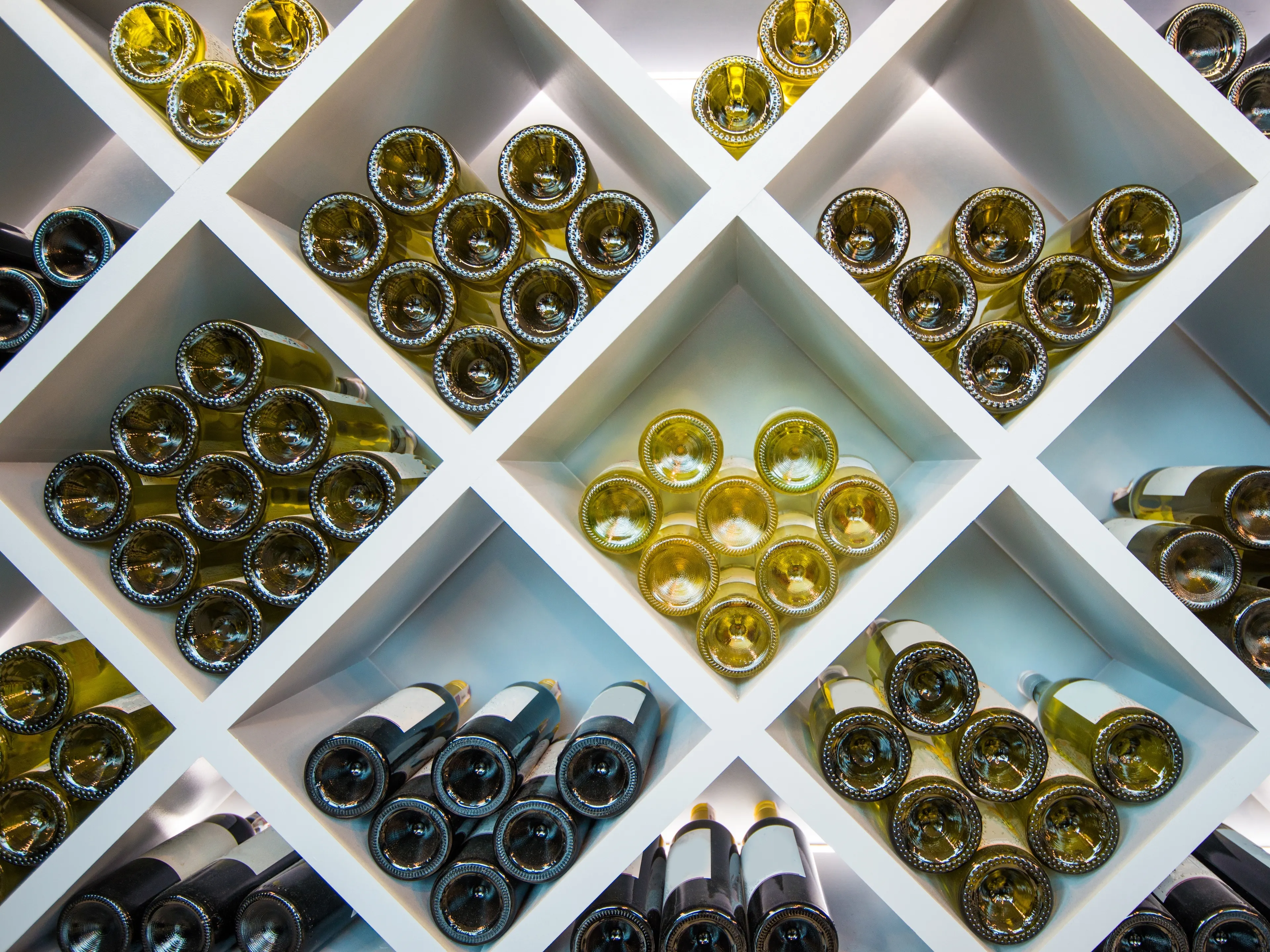
Sustainability uncorked: How ALDI is making wine bottles lighter
We are working on climate actions that focus on addressing emissions across our value chain, and we identified an exciting opportunity in wine. In 2022, we embarked on a global project across the 11 ALDI SÜD Group markets to switch to lighter weight glass wine bottles, partnering with our suppliers and producers on design and implementation.
As a result, ALDI has managed to reduce the weight of approximately 75 million wine bottles offered in our stores from 2022 to 2025. This has taken 3,108 metric tonnes of glass out of the supply chain, resulting in significant reductions in greenhouse gas emissions generated during the manufacture and distribution of our wine.
Support for optimised packaging and waste reduction
Building on this foundation, we continue to work proactively with suppliers to advance our packaging approach and prepare for evolving regulatory requirements.
This includes:
- Efforts to improve the recyclability of our private label packaging.
- Exploration and implementation of reuse and systems where possible.
- Transition to compostable solutions for selected items.
- Increased use of recycled content in plastic packaging.
- Reduction of packaging material use where feasible.
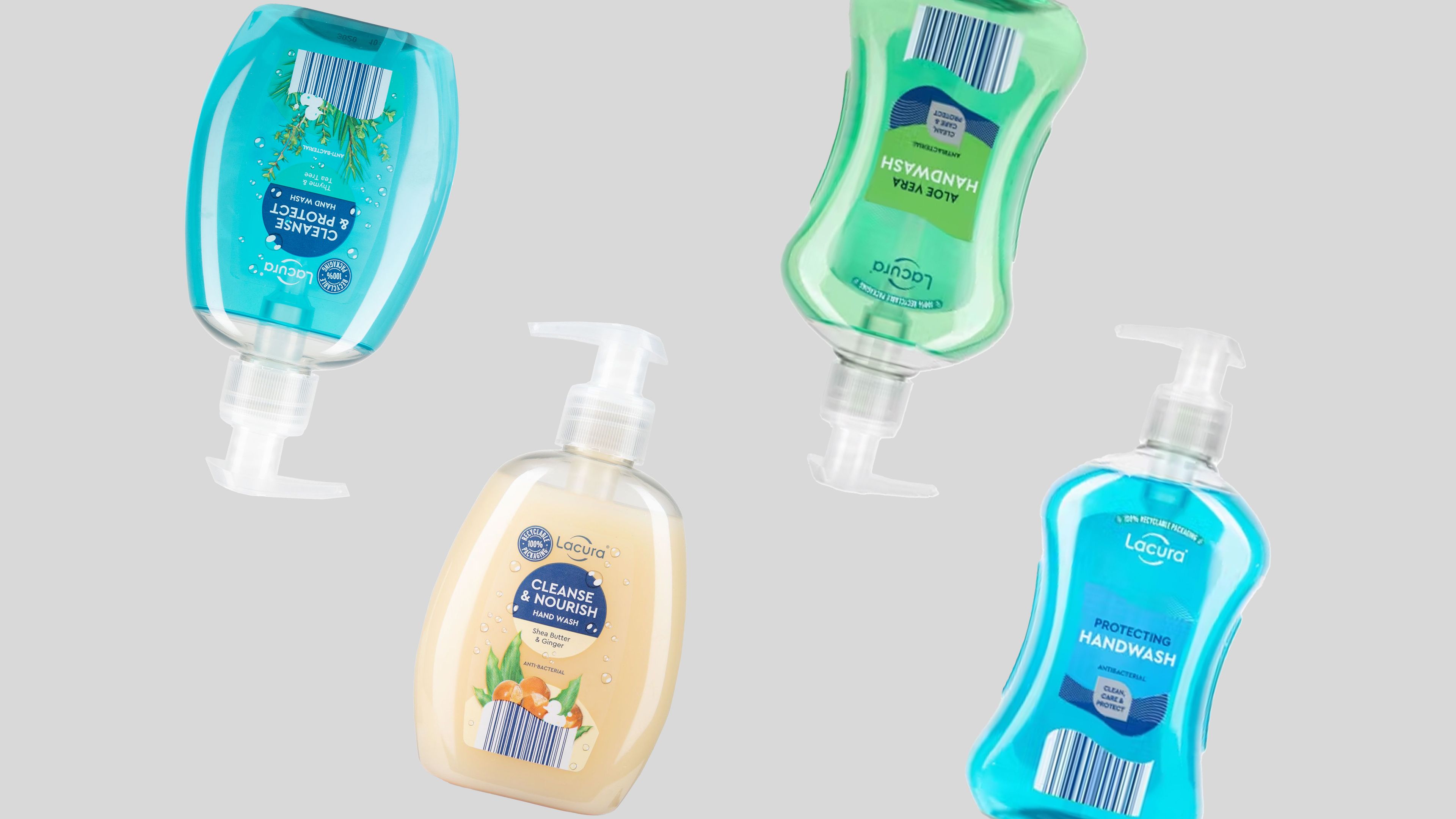
Fully recyclable hand soap pumps
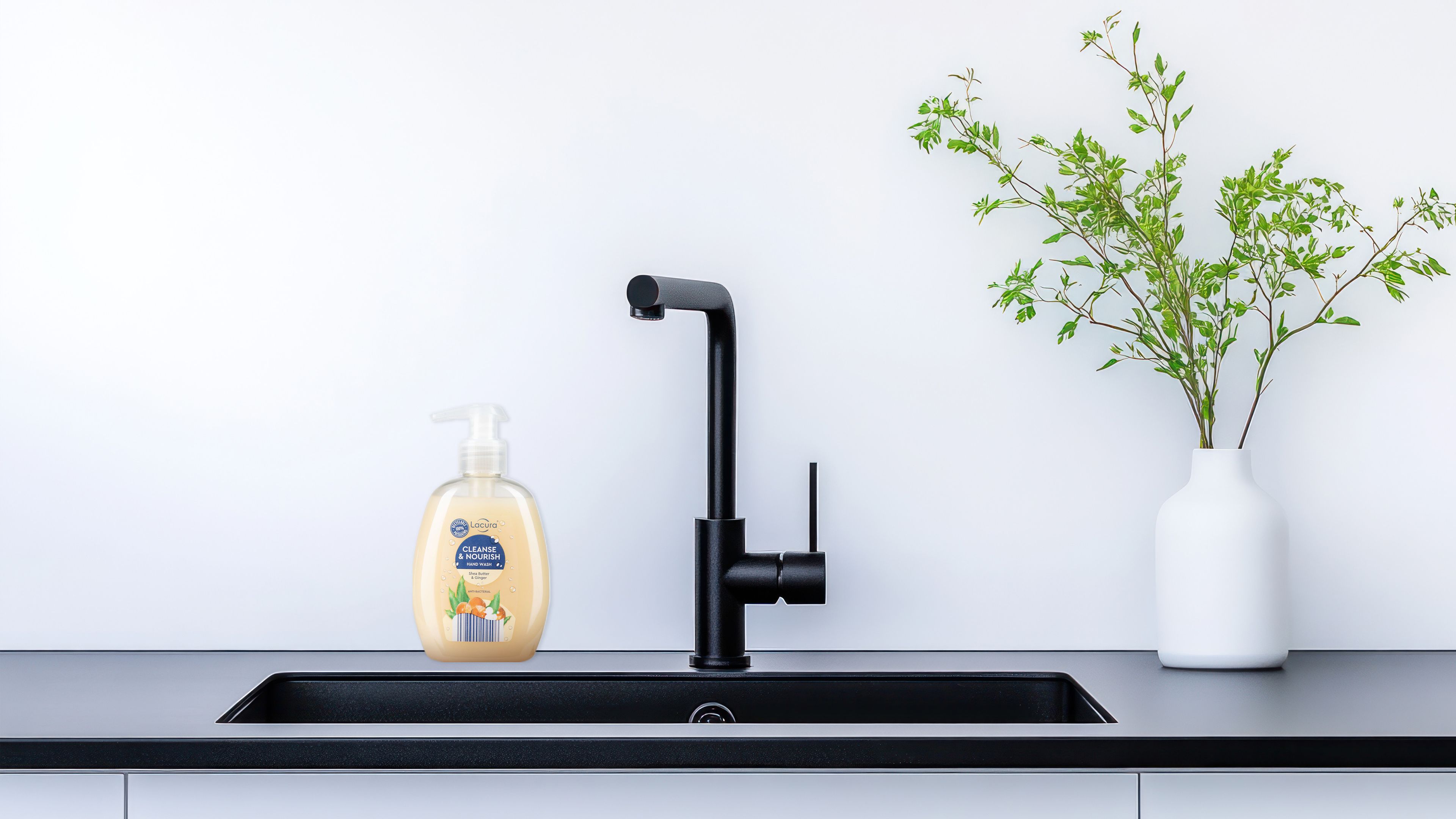
The ALDI SÜD Group is launching fully recyclable hand soap pumps for their private label health and beauty products across UK and Ireland from 2025. This change will save approximately 220 tonnes of non-recyclable material each year and significantly enhance ALDI’s sustainability efforts.
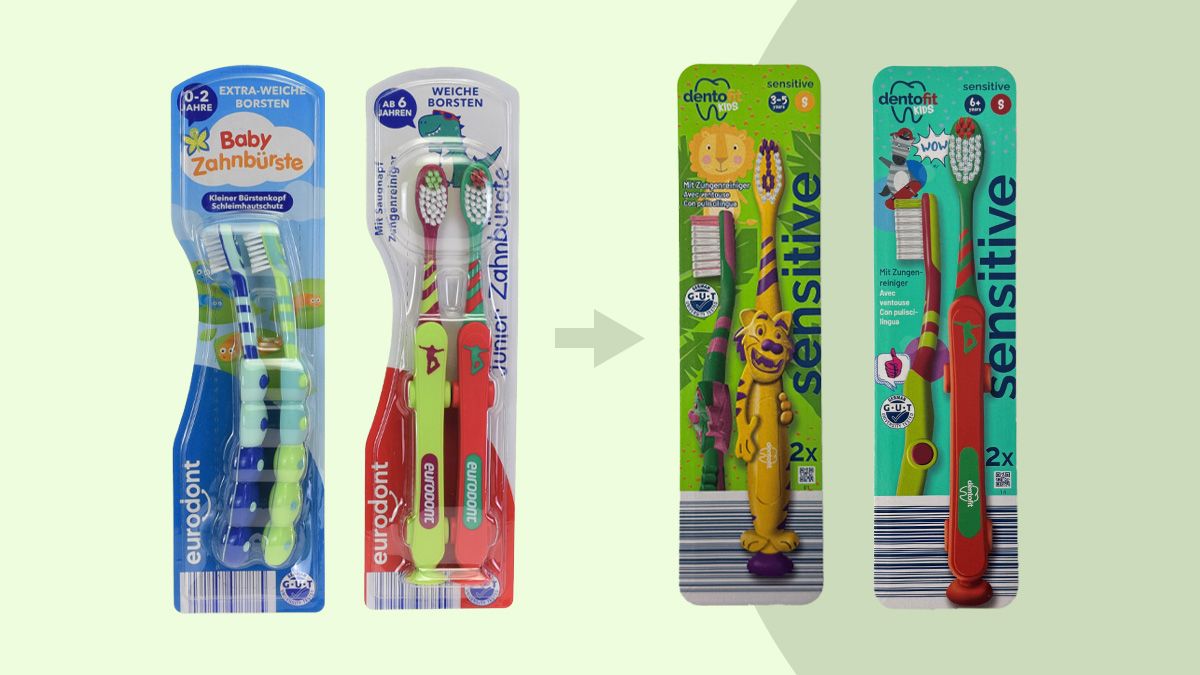
Fully paper packaging for toothbrushes
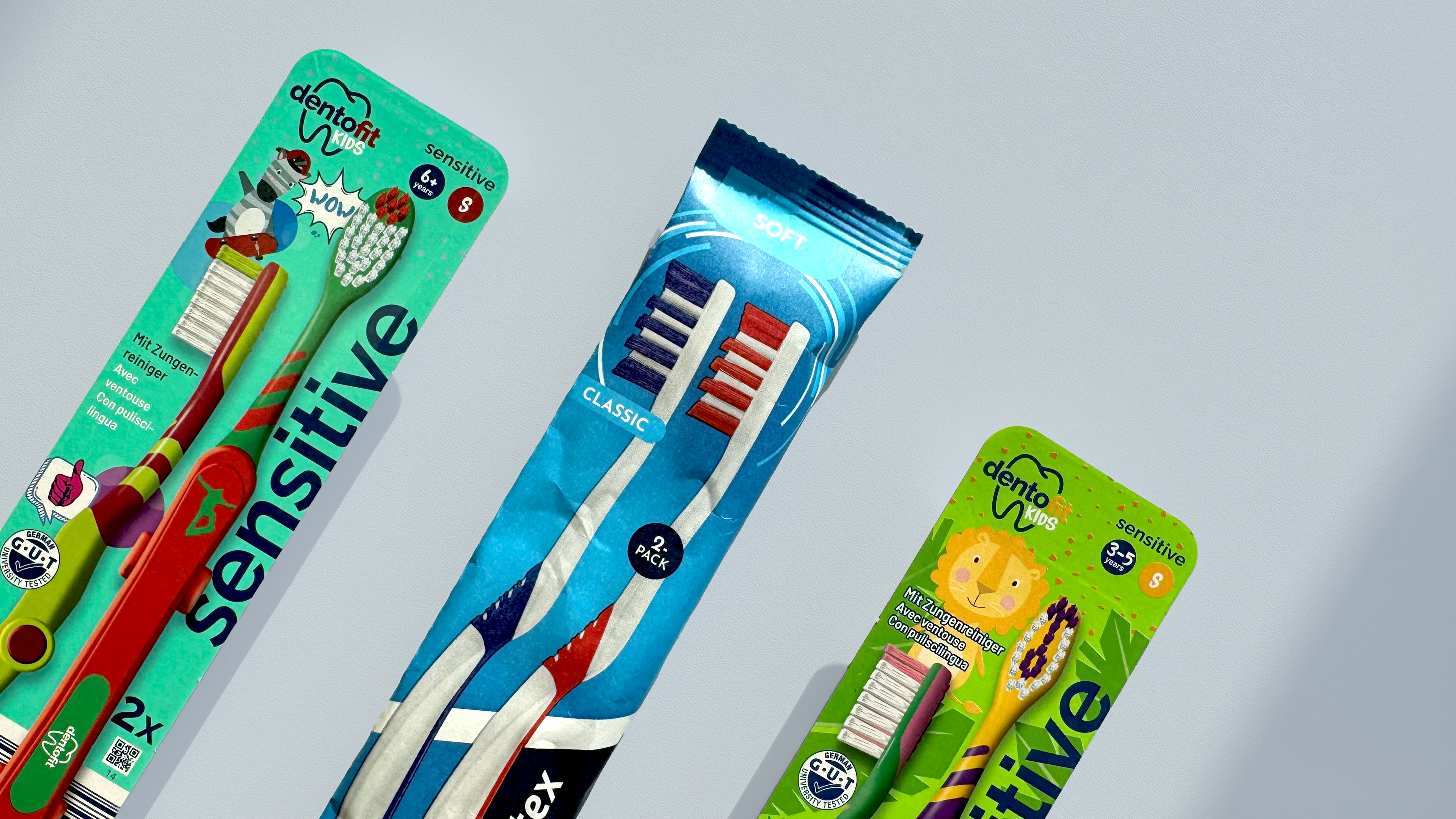
The ALDI SÜD Group has become the first global food retailer to transition from plastic to paper packaging for kids and basic toothbrushes. This change is setting new industry standards and reflects the group's commitment to reducing virgin plastic usage and enhancing recyclability.
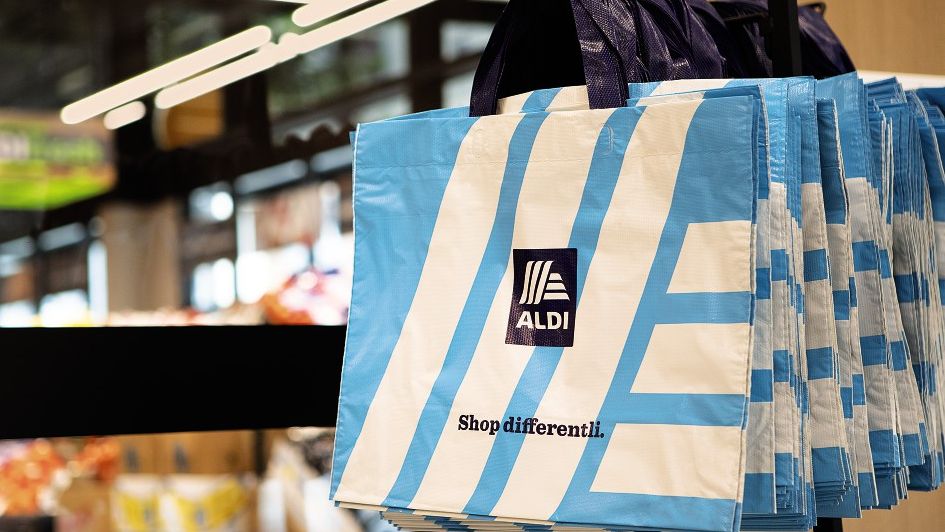
No more plastic shopping bags in US stores
At the end of 2023, ALDI became the first major retailer in the US to remove all plastic shopping bags from its stores.

Elimination of Plastic Straws from Juice Boxes
ALDI Australia successfully phased out plastic straws from all juice boxes sold nationwide by 2025, replacing them with recyclable paper straws and demonstrating a practical approach to reducing unnecessary single-use plastics.
ALDI's International Recyclability Guidelines
ALDI’s International Recyclability Guidelines offer clear recommendations for sustainable packaging design. Developed to support our suppliers and purchasing teams, they help optimise packaging and enhance communication throughout the supply chain. Publicly available, the guidelines provide insight into country-specific recyclability systems. Covering recycling infrastructure in 18 ALDI SÜD Group and ALDI Nord countries, the guidelines are designed to reflect current standards while helping suppliers and buyers prepare for evolving regulatory requirements.
Collaboration and advocacy to drive change
As a global food retailer, ALDI works closely with packaging manufacturers, suppliers, partners, and policymakers support the development of sector-wide solutions that deliver more sustainable packaging.
We believe that legislative action is fundamental in driving systemic change in the packaging industry. Through upcoming legislations, including the Packaging and Packaging Waste Regulation (PPWR) in the EU and the UK Producer Responsibility Obligations Regulation (PRO), and broader initiatives, ALDI seeks to support wider industry efforts to advance circular packaging systems. We have publicly welcomed the introduction of packaging legislation and continue to improve our packaging approach by focusing on recyclability, compostability, reuse, and material reduction.
We collaborate with
- Trade associations such as EUROPEN and Eurocommerce for EU-wide collaboration and information sharing on best-practices and developments on secondary legislation.
- The U.S. Plastics Pact, where ALDI US and other partners are supporting the creation of a path towards a circular economy.
- The Business Coalition for a Global Plastics Treaty contains businesses from across the plastics value chain, financial institutions, and NGOs, which have aligned on a shared vision of a circular economy in which plastic never becomes waste or pollution, and the value of products and materials is retained in the economy.
Find out more about our policies, initiatives, and projects for packaging.