Certification, on-the-ground projects, and long-term partnerships are central to ALDI SÜD Group’s cocoa strategy. Through these approaches, we support farmers’ livelihoods, encourage the adoption of regenerative agriculture practices, and aim to strengthen resilience across our cocoa supply chain.
* German Initiative on Sustainable Cocoa (GISCO) / ** depending on the year and available data, an analysis of global cocoa production leaders / *** by the Fairtrade or Rainforest Alliance standards
Cocoa sourcing and its impact
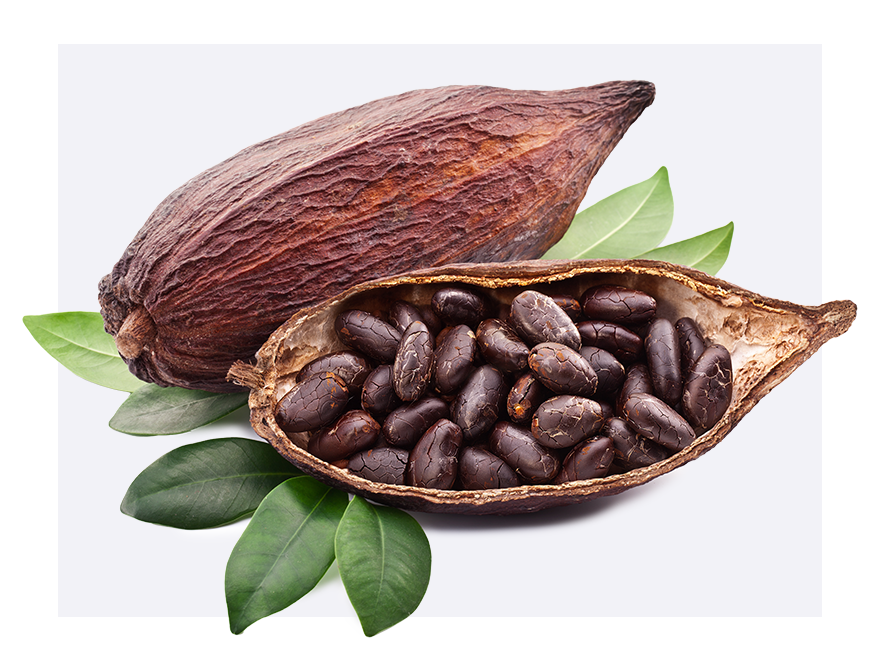
Cocoa is the key ingredient in chocolate – an enduring favourite enjoyed by people of all ages. Over the past 40 years, global cocoa production has steadily increased. As demand remains high, cocoa supply chains face significant challenges. One of these challenges is deforestation, as large areas of natural forests have been lost due to the expansion of cocoa cultivation. Between 1990 and 2020, Côte d’Ivoire, the world’s largest cocoa producer, lost approximately 60% of its forest cover. In addition, unsustainable agricultural practices have contributed to soil degradation, biodiversity loss, and pesticide mismanagement.
Cocoa cultivation depends on stable tropical conditions, including consistent temperatures, high humidity, and regular rainfall. However, climate change and extreme weather events are affecting these conditions, creating risks for yields and crop quality. At the same time, many farmers face ongoing challenges such as high price volatility, price insecurity, and declining yields in some regions.
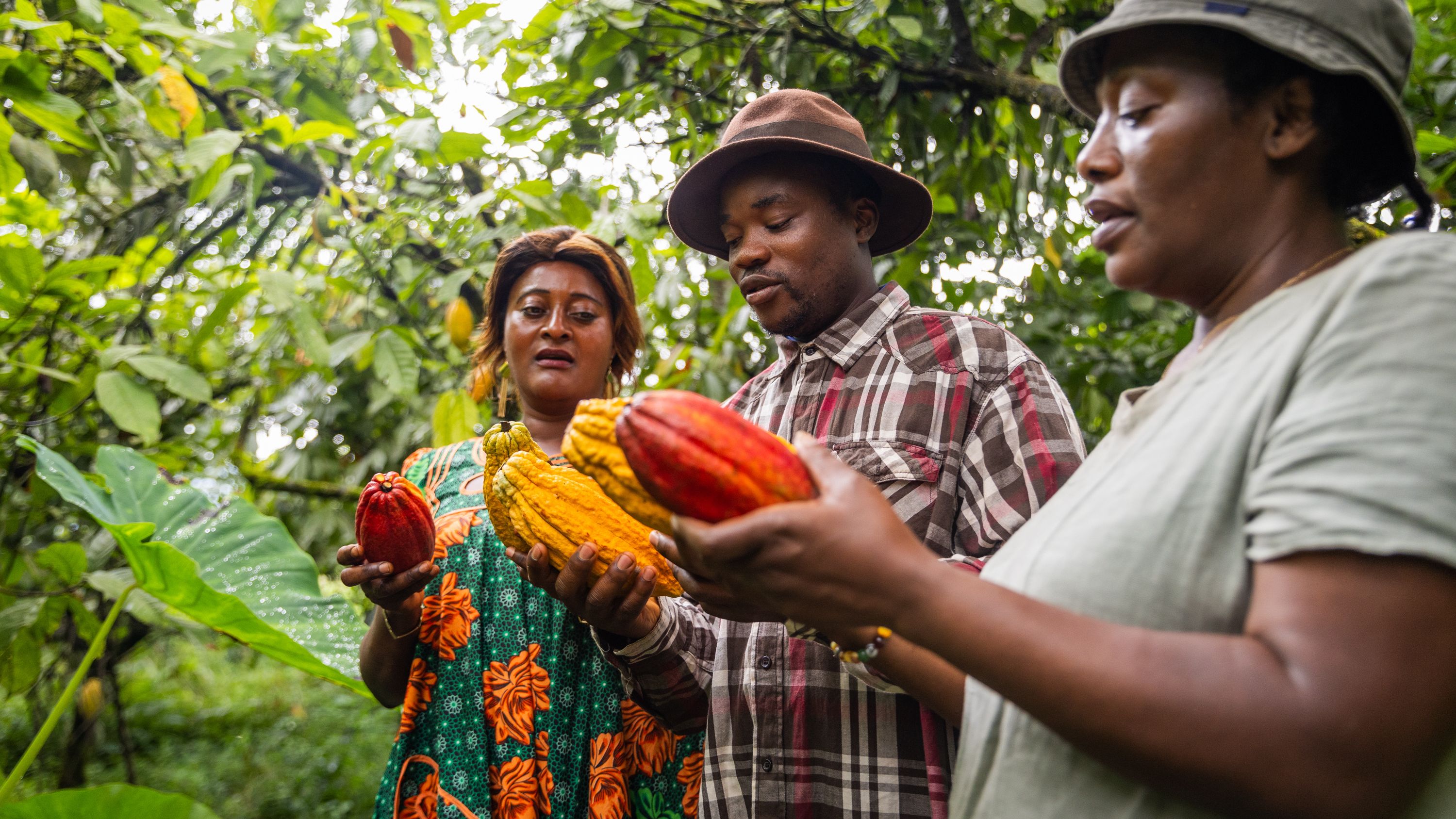
These pressures have a severe impact on farming communities and their livelihoods. Around 5–6 million smallholder farmers produce the cocoa used in chocolate, with approximately 2.5 million based in West Africa. Many of these farmers do not currently earn a living income sufficient to meet basic needs such as food, education, and healthcare. Addressing these challenges is essential to strengthening the resilience of cocoa supply chains and supporting cocoa farming as a more viable and sustainable livelihood for producer communities.
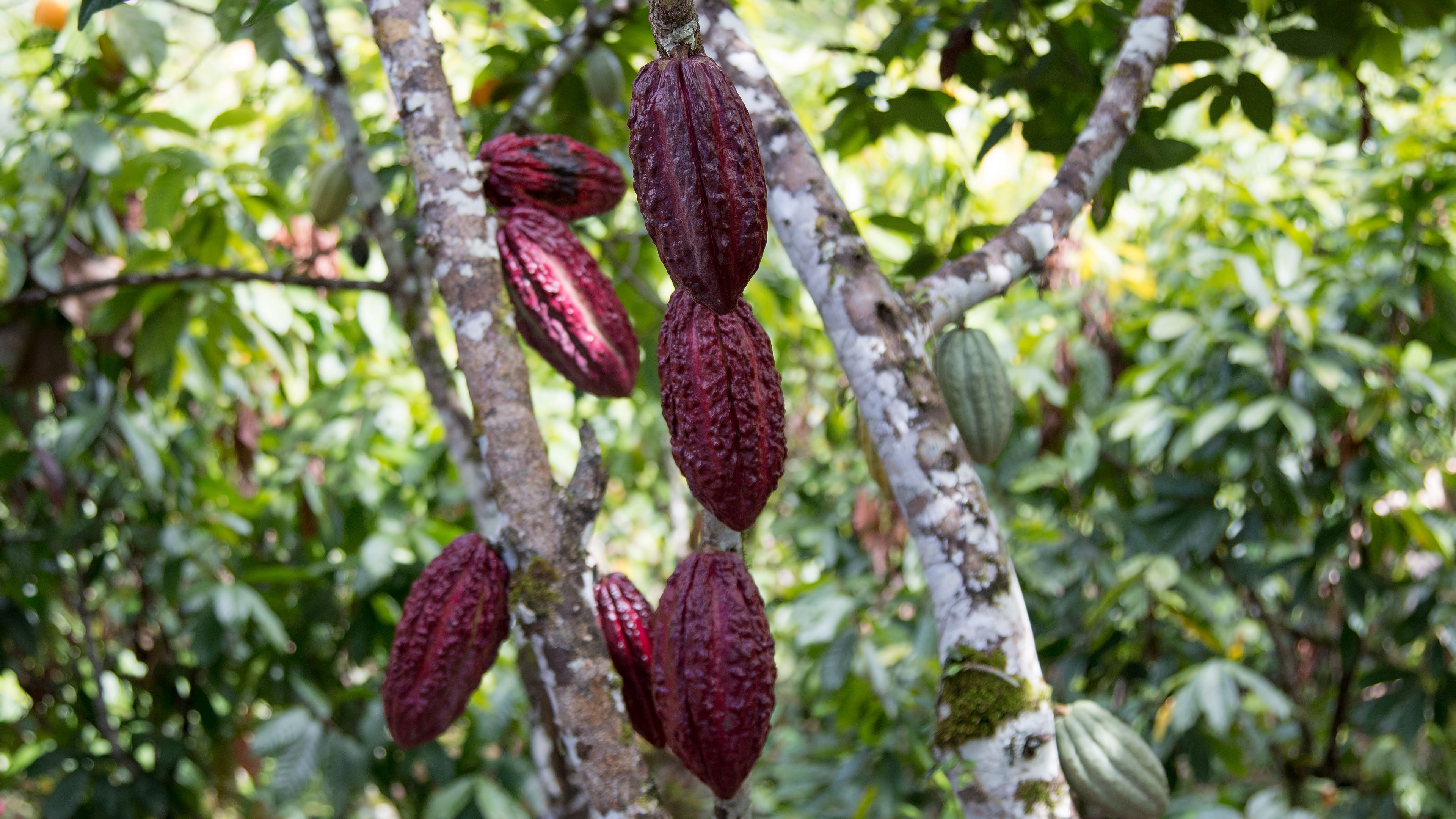
How can we source cocoa more responsibly?
We work with our cocoa suppliers to help ensure they meet our responsible sourcing requirements. The ALDI Business Partner Sustainability Standards establish minimum binding sustainability requirements for all ALDI business partners and encompass essential norms, including, but not limited to, due diligence processes, environmental stewardship, occupational health and safety, and non-tolerance for discrimination, forced labour, and child labour.
Certification is an additional tool to support the implementation of sustainability standards in cocoa cultivation. The ALDI SÜD Group therefore works with recognised certification organisations to support strong requirements and encourage continuous improvement at farm level.
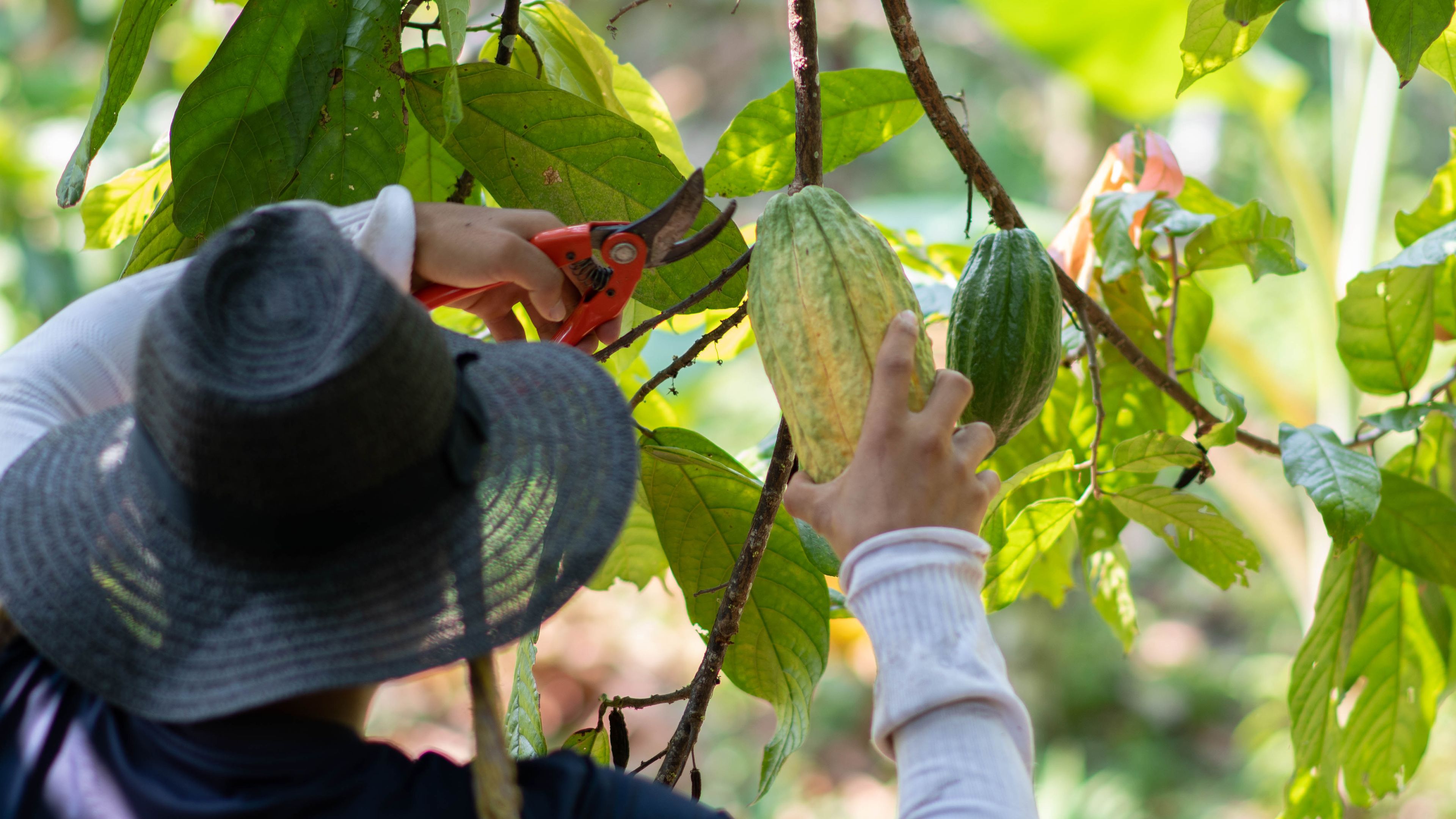
We participate in the Fairtrade Cocoa Programme, which supports cocoa farmers through fairer trading conditions, promotes social development in farming communities, and contributes to better environmental practices. We also work with the Rainforest Alliance, an international non‑profit organisation and certification scheme that brings together farmers, businesses, and consumers to help protect human rights, conserve forests, and encourage more sustainable farming.
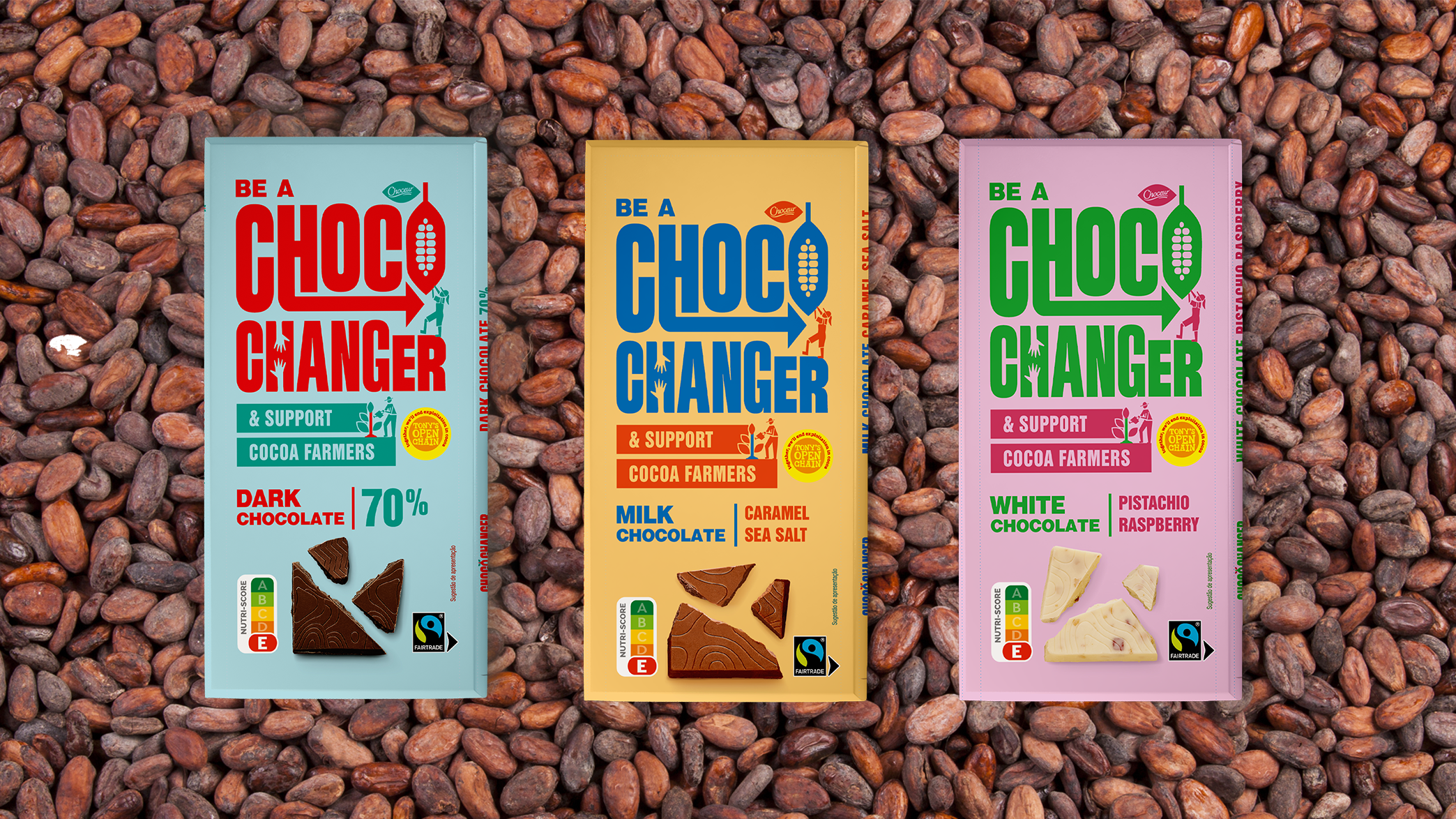
Choceur CHOCO CHANGER – our sustainably sourced chocolate
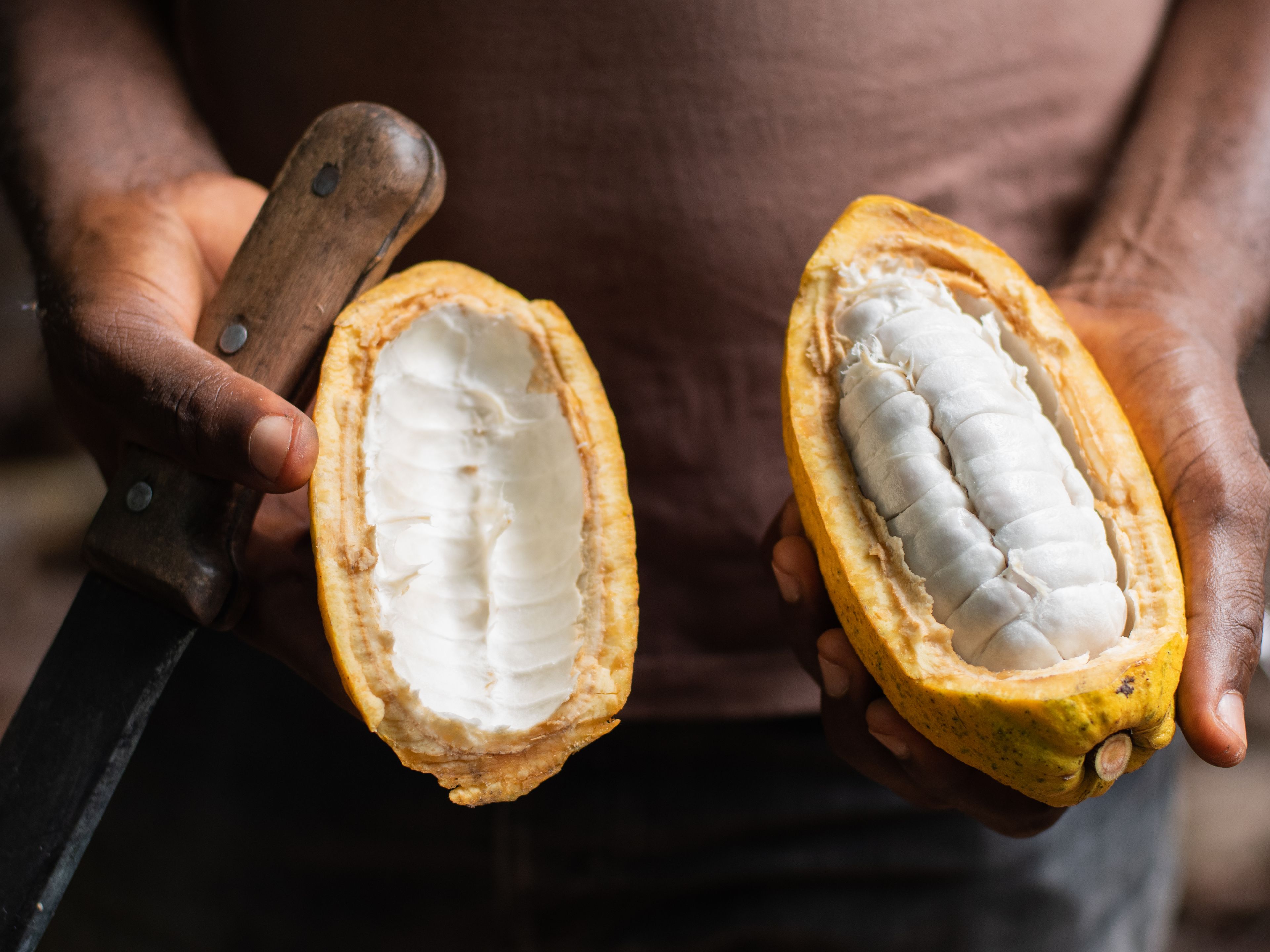
The cocoa beans for Choceur CHOCO CHANGER are Fairtrade certified and sourced via Tony’s Open Chain (TOC), an initiative promoting systemic change and empowering farmer cooperatives in Ghana and Côte d’Ivoire. By sourcing cocoa through Tony’s Open Chain, we can ensure the traceability of every bean to the farmer. As a TOC Mission Ally, ALDI commits to paying an additional premium to support farmers’ progress towards a living income and to strengthen their businesses through agricultural programmes. Long-term partnerships promote income stability and empower farmers to invest in their future.
Since joining Tony’s Open Chain in 2021 as the first international discount retailer, the ALDI SÜD Group has sold over 8.3 million CHOCO CHANGER bars worldwide – each one contributing to supporting cocoa farming communities. To continue driving positive change, we have extended our partnership as a TOC Mission Ally for another five years, until 2031.
Projects that drive positive impact
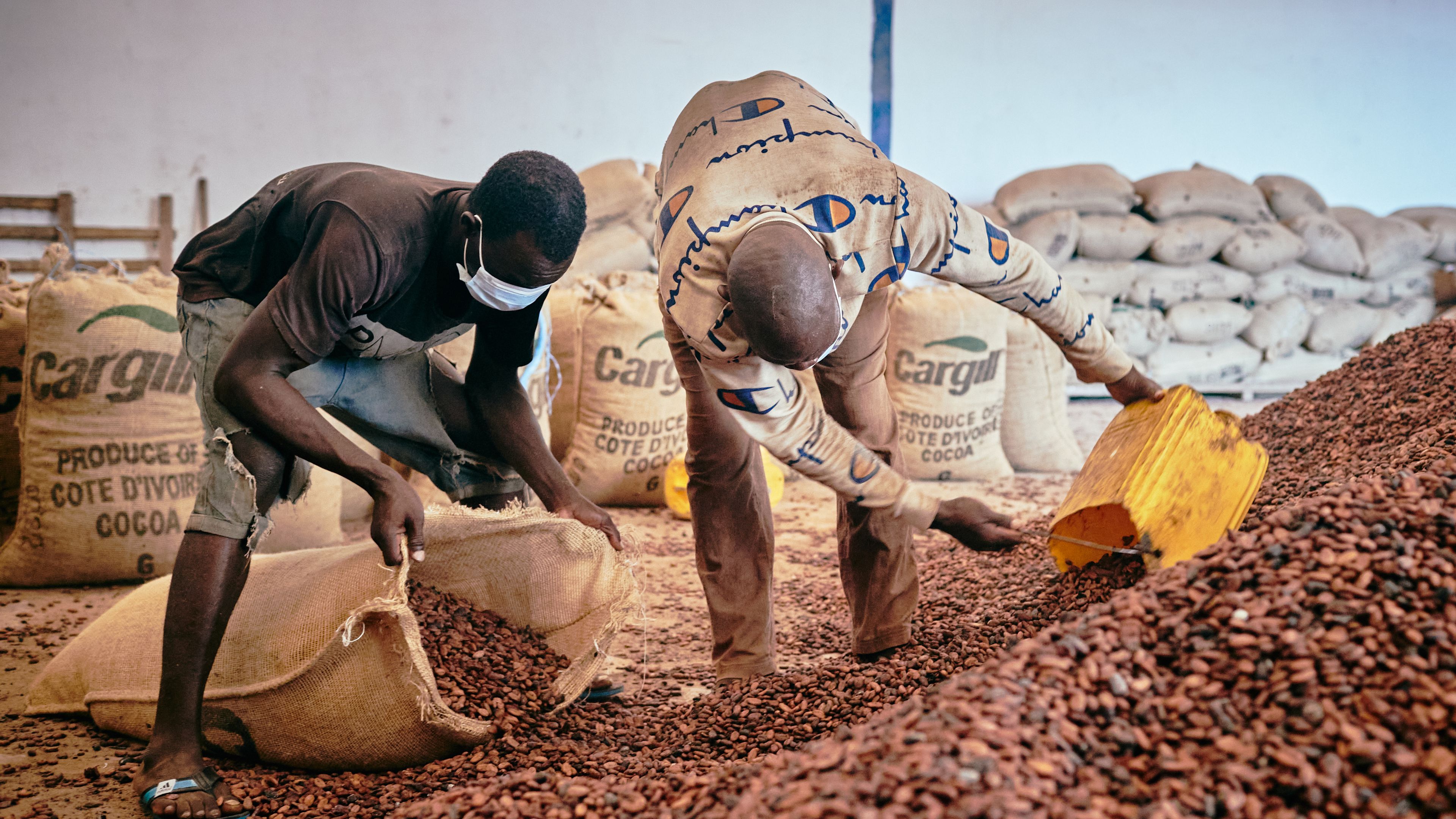
Our partnership with Tony’s Open Chain is one of several initiatives aimed at supporting systems change in the cocoa supply chain. Working with selected suppliers and industry partners, we back projects designed to strengthen sustainable farming practices and improve livelihoods in cocoa-producing regions.
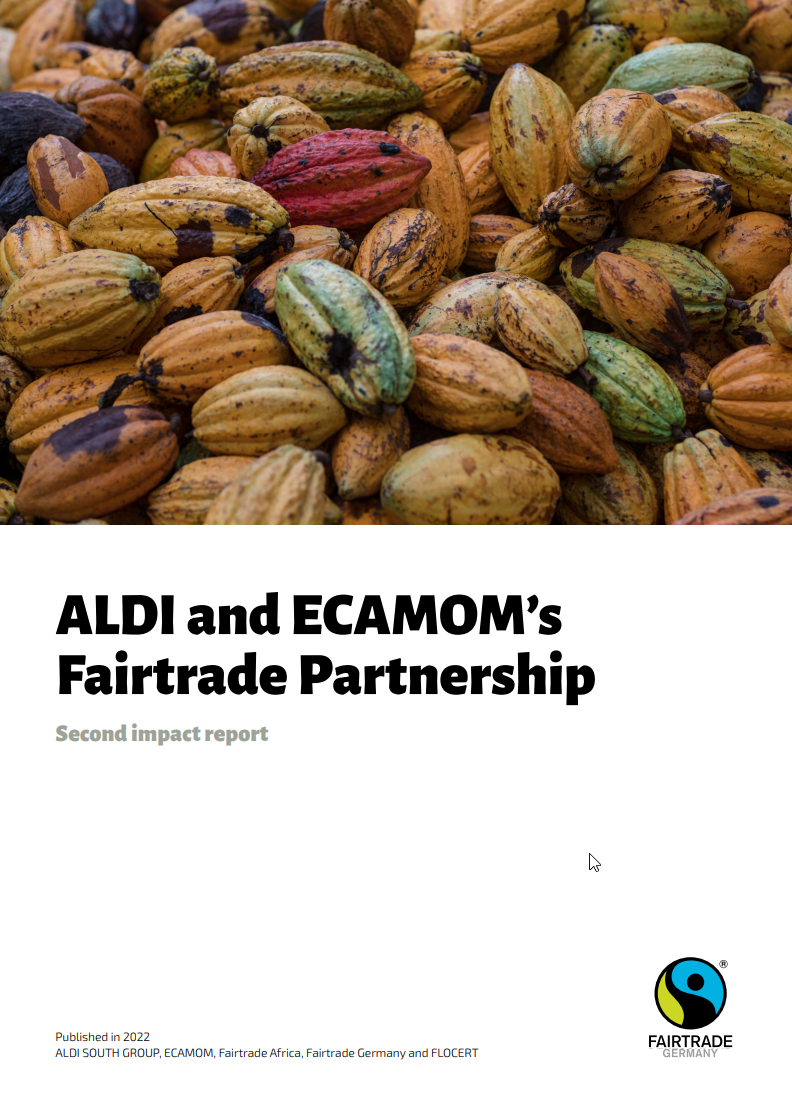
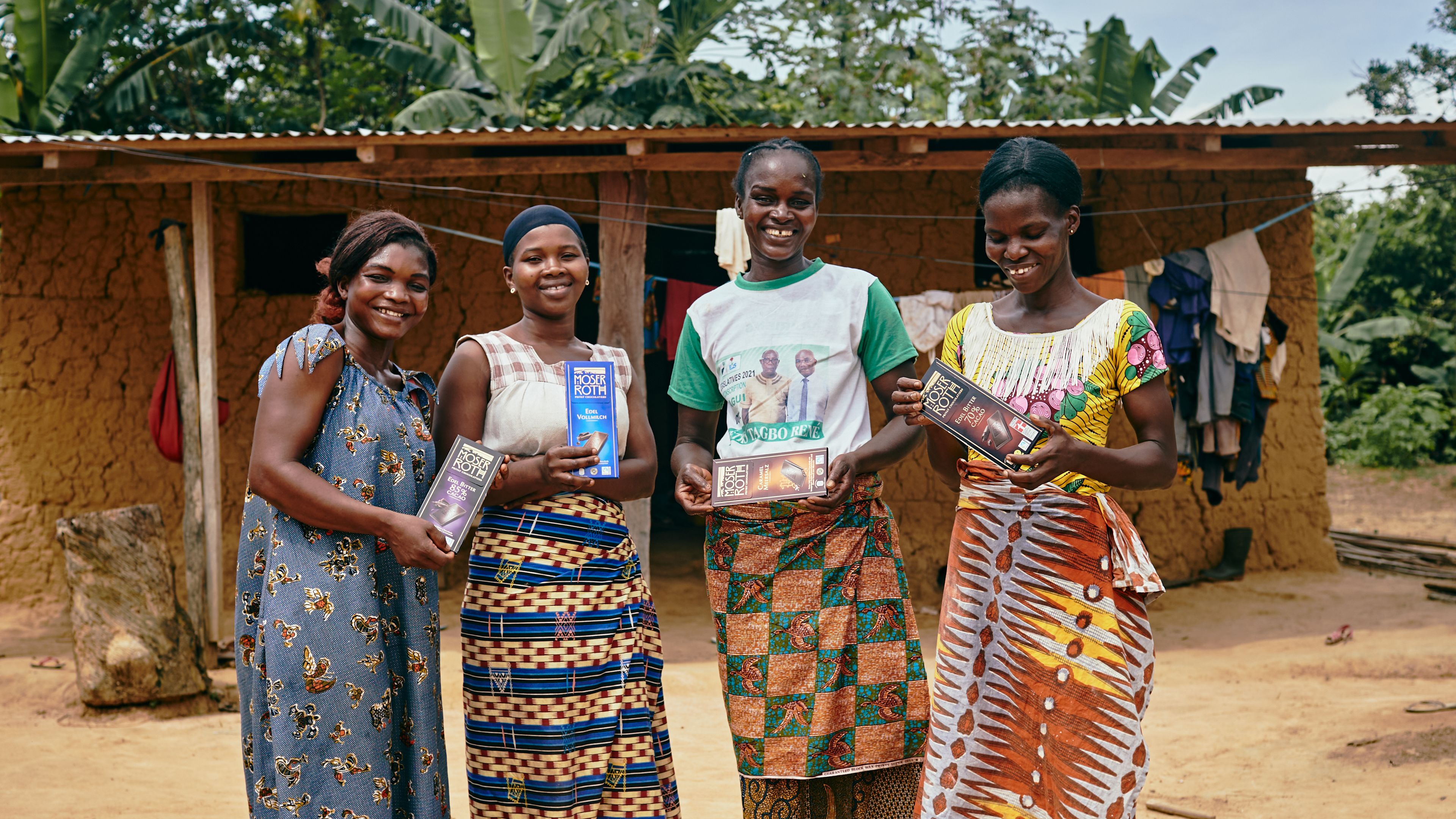
In addition, we currently source cocoa for selected chocolate products from the cooperative ECAMOM in Cote d’Ivoire. Our partnership with ECAMOM began in 2020 alongside Fairtrade and the chocolate manufacturer Storck, with the aim of developing a scalable approach to long-term impact at origin.
Four years later, this collaboration was extended through a follow-up project focused on establishing longer-term sourcing arrangements. This initiative aims to strengthen the resilience of cocoa cooperatives while supporting investments in sustainable farming practices and improvement of farmer livelihoods.
Collaboration and advocacy to drive change
We aim to build long‑term partnerships with producers, suppliers, partners, civil‑society organisations, and policymakers to co‑develop sector‑wide solutions that support more sustainable cocoa production.
Voluntary and regulatory frameworks play an important role in advancing practices that enable sustainable food production. We believe that legislative measures to address deforestation, such as the EU Deforestation Regulation, can contribute to reducing import-driven deforestation and strengthening requirements for deforestation-free products. ALDI has publicly supported the introduction of the EU Corporate Sustainability Due Diligence Directive (CSDDD) and continues to engage constructively in policy discussions relating to its implementation.
We collaborate with:
- Standard bodies such as Rainforest Alliance and Fairtrade to strengthen certification criteria and incorporate additional regenerative outcomes in select commodities to advance progress.
- Multi-stakeholder initiatives such as the German Initiative on Sustainable Cocoa and the Swiss Initiative on Sustainable Cocoa, as well as the Consumer Goods Forum (CGF) Forest Positive Coalition, to support the adoption of more responsible practices across the sector.