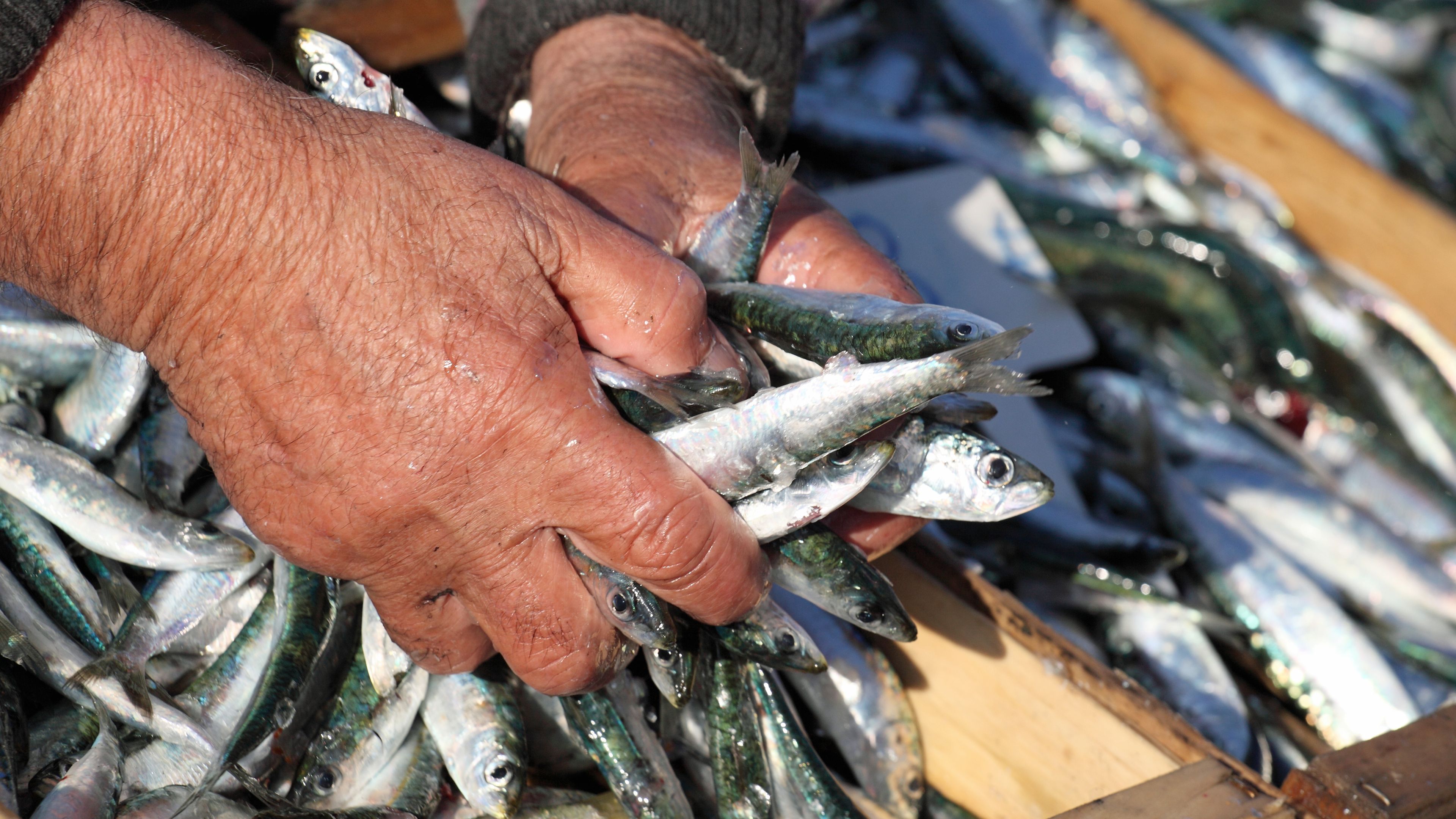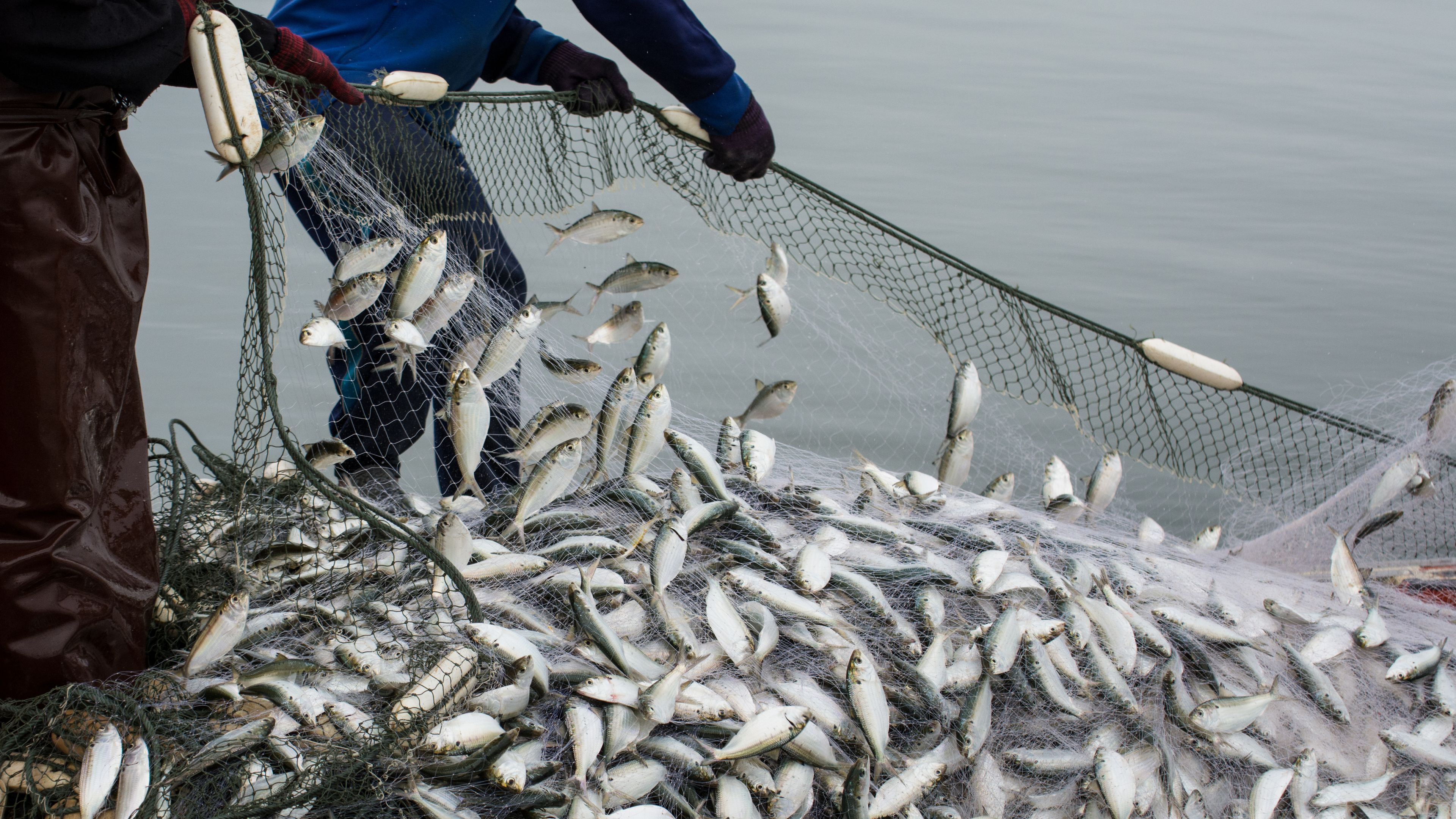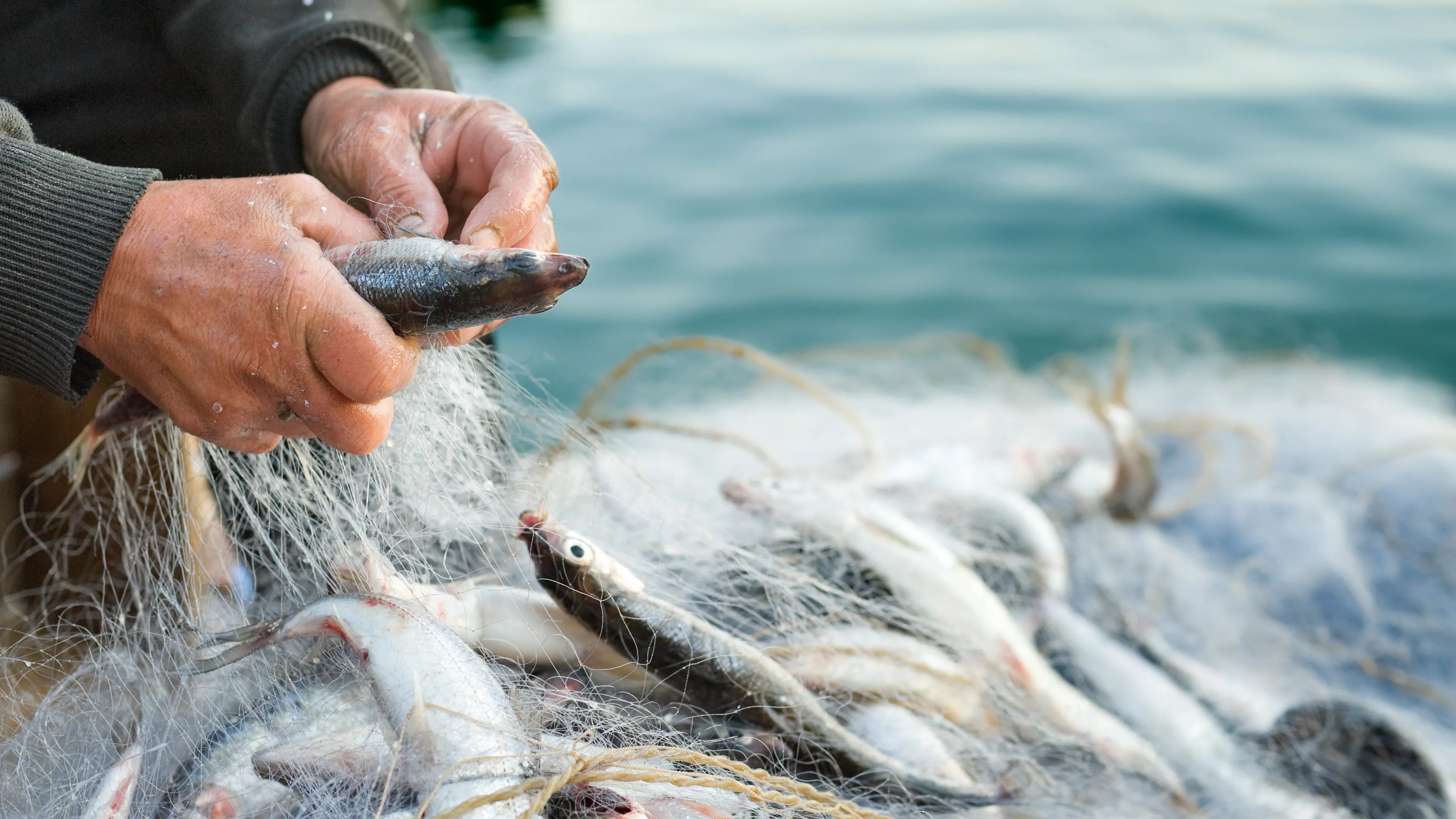
The ALDI SÜD Group’s fish and seafood strategy integrates independent scientific advice, recognised benchmarked certification schemes, and targeted fishery and aquaculture initiatives to support the long-term resilience of global seafood supply chains. Through these coordinated efforts, we seek to help promote responsible practices and increased transparency in collaboration with the fishery and aquaculture sector.
* FAO / ** Sourcing criteria: Certification schemes benchmarked by the Global Seafood Initiative (GSSI), registered Fishery Improvement Projects (FIP) rated A, B, or, C or MSC Improvement Program, Sustainable Fisheries Partnership (SFP) ratings and International Seafood Sustainability Association (ISSA) for Tuna.
High demand comes with a cost
Fish and seafood play a vital role in global food security, livelihoods, and economic development. However, global fisheries and marine ecosystems are under significant pressure, with more than 3.2 billion people depending on fish and seafood for at least 20% of their animal protein intake.
Growing demand for seafood products, including for human consumption and fish meal and oil, combined with climate-driven threats, and illegal, unreported, and unregulated (IUU) fishing practices places additional strain on fish stocks and ocean biodiversity. In response to increasing demand and the limited supply of wild-caught fish, aquaculture production has expanded rapidly. However, both aquaculture and wild-capture production methods can be associated with environmental, human rights, and labour risks (ILO).
The ALDI SÜD Group aims to source fish and seafood in ways that help to reduce negative environmental and social impacts. We are committed to sourcing our private label fish and seafood from wild-capture fisheries and aquaculture operations that meet recognised, benchmarked standards and apply science-based management practices.
Our responsible sourcing approach
ALDI recognises its role and responsibility in supporting a more environmentally and socially responsible fish and seafood industry. We are committed to sourcing our fish and seafood products (currently excluding sardine species) from wild-capture fisheries and aquaculture operations that meet defined environmental and social standards and to supporting fishery and aquaculture improvement projects. We engage with suppliers and industry partners to support strengthening governance and promoting responsible fishing and aquaculture practices.
The ALDI Business Partner Sustainability Standards establish minimum binding sustainability requirements for all ALDI business partners and encompass essential norms, including, but not limited to, due diligence processes, environmental stewardship, occupational health and safety, and non-tolerance for discrimination, forced labour, and child labour.
The ALDI SÜD Group has minimum sourcing criteria for our private label fish and seafood (currently excluding sardines) to support environmentally and science-based sourcing practices. We use independently benchmarked certification schemes and assessment systems that are proven to be suitable for market-wide implementation.
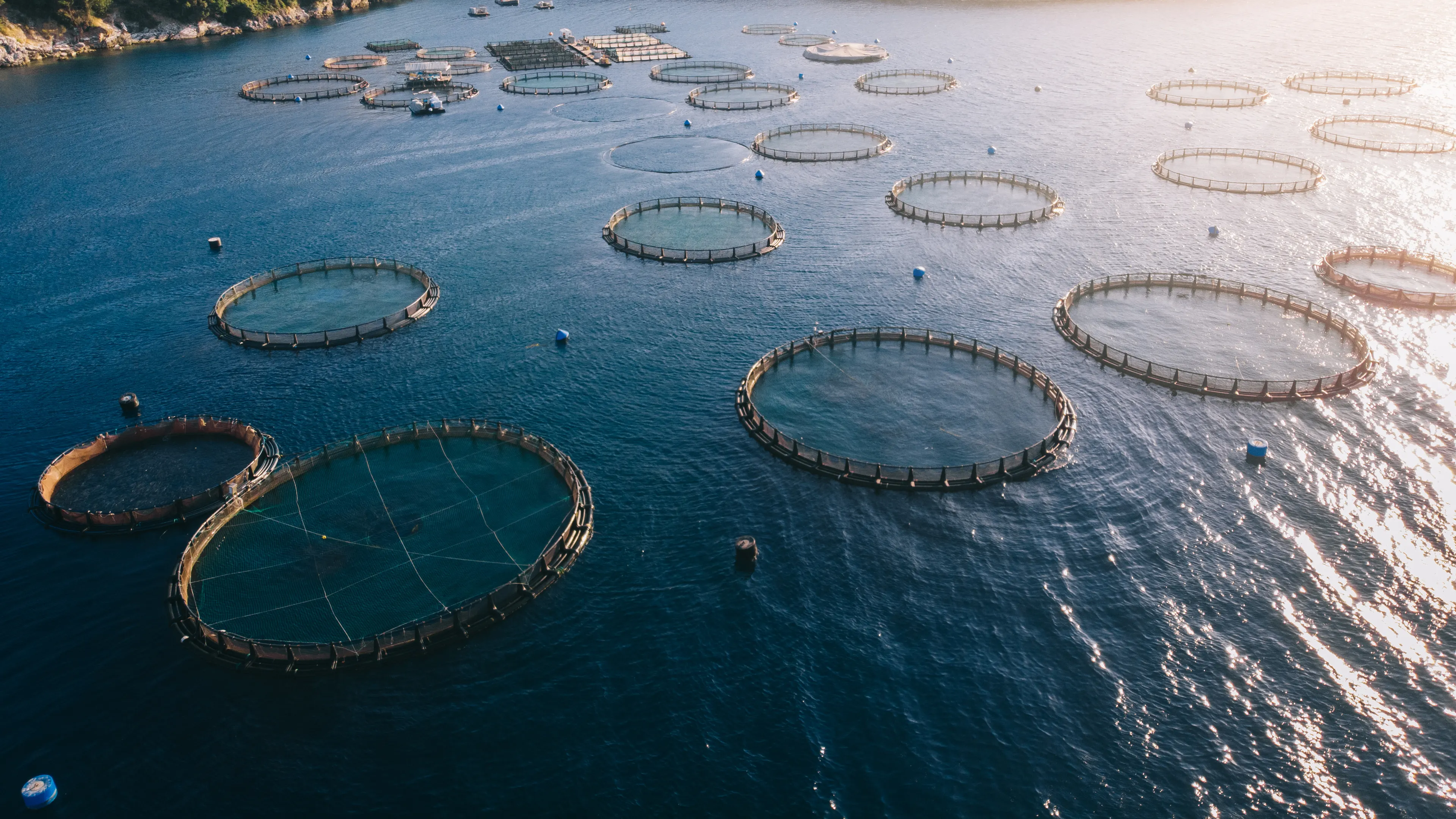
Our minimum sourcing criteria are:
Wild caught:
- Certification benchmarked by the Global Sustainable Seafood Initiative (GSSI): Certified Seafood International (CSI) or Marine Stewardship Council (MSC)
Aquaculture:
- Certification benchmarked by the Global Sustainable Seafood Initiative (GSSI): Aquaculture Stewardship Council (ASC), Best Aquaculture Practices (BAP), and GLOBAL G.A.P.
- EU Organic Standard
Where certification is not available, raw material originates from
- a Fishery Improvement Project (FIP) registered on Fishery Progress rated A, B, or C,
- a MSC Improvement Programme (MIP) or
- an Aquaculture Improvement Project with verifiable, demonstratable progress such as those registered on SFP’s AIP Directory or part of the ASC Improver Programme
The Sustainable Fisheries Partnership (SFP) FishSource rating
indicates a low or medium risk,
Additional criteria for tuna:
When certification is not available, the business partner must be a member of the International Seafood Sustainability Association (ISSA), or the fishing vessel must be registered on the Proactive Vessel Register (PVR).
Where is our fish & seafood coming from?
Traceability is an important tool for managing legality, environmental, and social risks within fish and seafood supply chains. The ALDI SÜD Group requires full supply chain traceability and transparency. Fish and seafood suppliers of ALDI’s private label products are also required to report on a quarterly basis on the raw material origin into the Sustainable Fisheries Partnership (SFP) metrics platform. We work closely with our business partners to continuously expand the transparency of our supply chains and improve existing traceability tools.

Transparency Platforms
ALDI SÜD Germany offers the ALDI Transparency Code (ATC) platform which enhances the transparency of selected fish and seafood products. Customers may access product information, including origin details, by scanning a QR code and entering a tracking code provided on the packaging. Depending on the product, this may include information about where the fish was caught and processed.

Ocean Disclosure Project (ODP)
ALDI UK/IE, ALDI Australia, and ALDI US have joined the Ocean Disclosure Project (ODP) to voluntarily disclose sourcing information on their wild-caught seafood products. They disclose a list of all the fisheries, catch methods, and environmental impacts of their wild-caught seafood.
Business partner assessments
As an international business with global supply chains, ALDI is committed to respecting human rights in its own activities and throughout its supply chains. Our approach is defined in our Human Rights & Environmental Due Diligence Policy, which describes our overall approach to due diligence and how we address our salient human rights and environmental risks. Fish and seafood are considered key supply chains with elevated human rights risks.
To strengthen oversight and drive continuous improvement, all facilities producing fish and seafood products for ALDI must participate in our Social Monitoring Programme (SMP) and maintain valid third-party social audits during the production period, such as amfori BSCI, Sedex/SMETA, SA8000 or GSA SPS. Where audits identify findings, suppliers are expected to implement corrective actions to address them. We monitor the resulting Corrective Action Plans (CAPs) and follow-up activities to support effective remediation.
In addition, fish and seafood suppliers are assessed annually through our Corporate Responsibility Supplier Evaluation (CRSE) programme, in conjunction with an EcoVadis assessment to be considered for fish and seafood sourcing. The CRSE programme helps us prioritise suppliers with strong sustainability management systems and encourages continuous improvement.
We conduct annual ALDI Sustainability Assessments (ASAs) of our strategic partners. These assessments enhance supply chain transparency, extend visibility beyond Tier 1 suppliers and help verify how risks - including IUU are identified, managed and mitigated throughout the seafood supply chain.

Projects with a positive impact
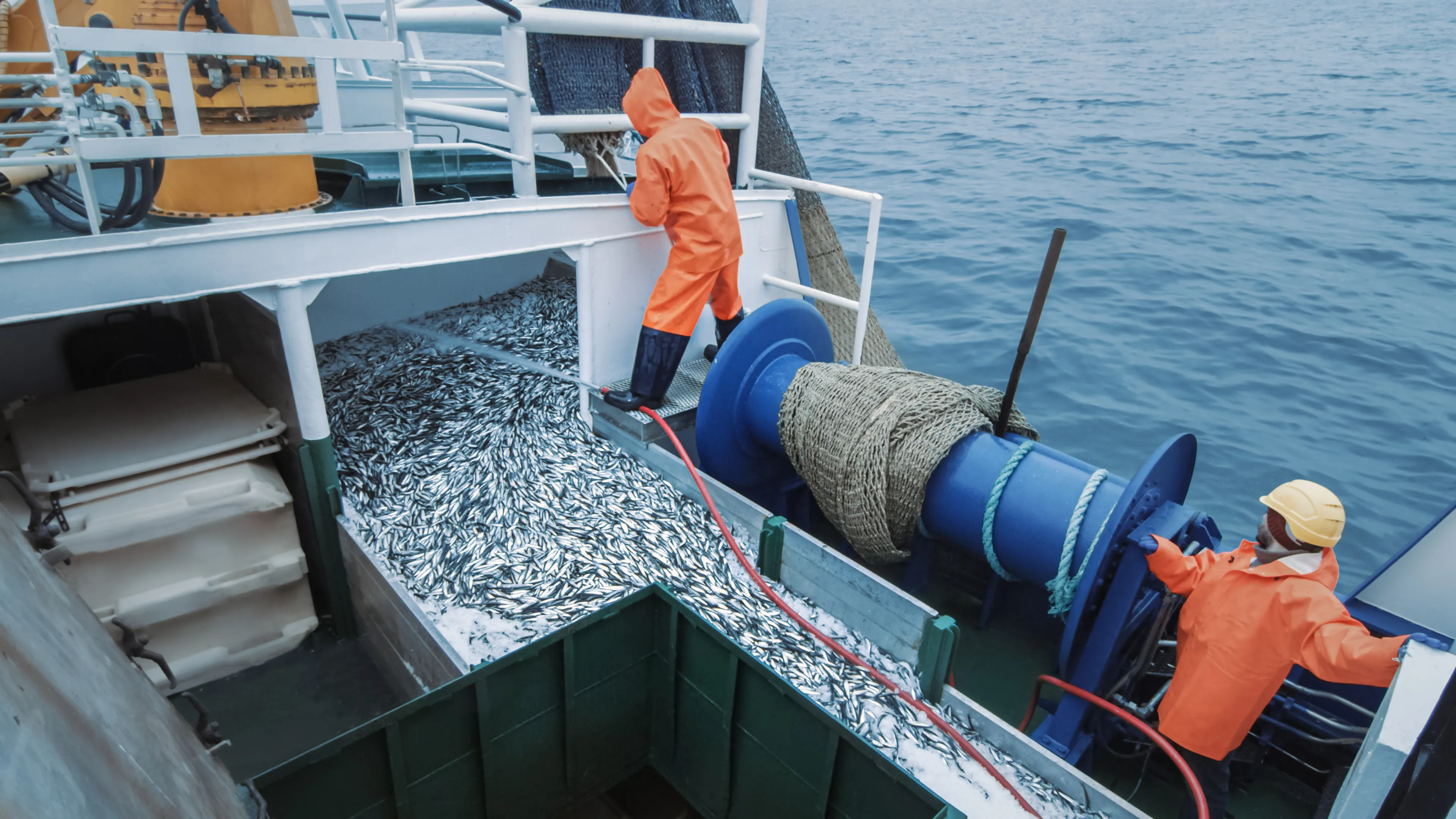
In close collaboration with selected suppliers and industry partners, we are currently supporting initiatives aimed to strengthen the resilience of fish and seafood supply chains.
At present, we are involved in the following project:
- In 2026, the ALDI SÜD Group joined the Global Marine Commodities 2 (GMC2) initiative led by the Sustainable Fisheries Partnership (SFP). GMC2 is supported by the United Nations Development Programme and aims to improve the governance of small pelagic fisheries in Morocco, Mauritania, and Senegal. GMC2 will utilise a regional approach to address environmental and social risks in these fisheries.
Collaboration and advocacy to drive change
We believe the most effective and impactful way to safeguard both people and the environment is through collaborative initiatives and partnerships. The ALDI SÜD Group works closely with suppliers and stakeholder initiatives to advocate for increased governance, promote responsible fishery and aquaculture practices, and advance supply chain transparency.
We support the establishment of robust, effective and legally binding human rights and environmental due diligence legislation on both national and international levels, in alignment with the UN Guiding Principles, thus creating a level playing field and making human rights along supply chains non-negotiable. ALDI has publicly supported the introduction of the EU Corporate Sustainability Due Diligence Directive (CSDDD) and continues to engage constructively in policy discussions relating to its implementation.
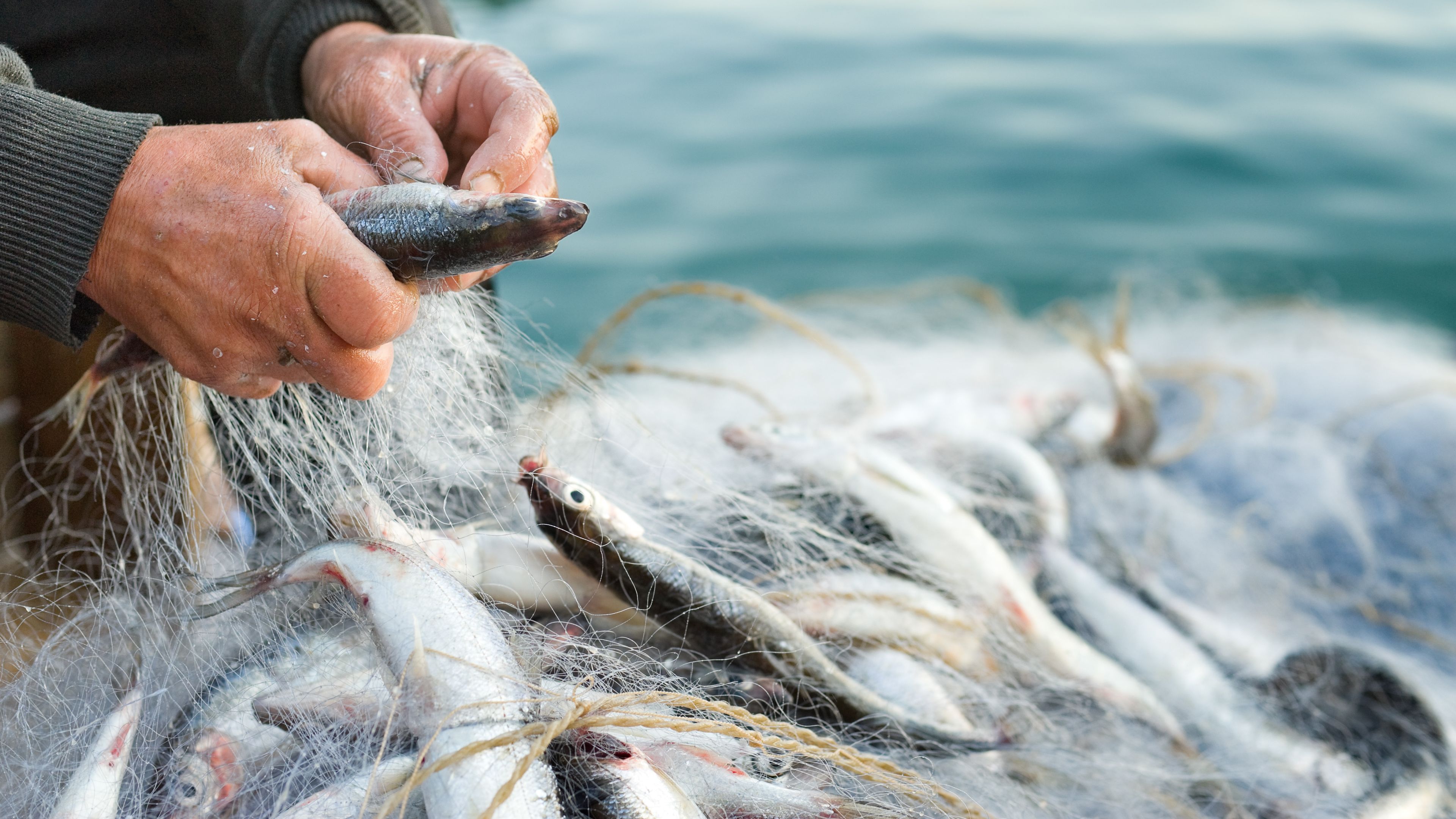
We collaborate with:
- Standards setting organisations such as the Marine Stewardship Council (MSC) and Certified Seafood international (CSI) for wild fisheries and the Aquaculture Stewardship Council (ASC), Best Aquaculture Practice (BAP) and Global G.A.P. for aquaculture. We actively participate in standard reviews and consultations with these standard bodies to further improve processes. As part of this commitment, we support on the Technical Committee for Global G.A.P. and hold board positions with Certified Seafood International (CSI) and the Global Seafood Alliance (GSA).
- Multi-stakeholder initiatives such as Sustainable Fisheries Partnership (SFP), which works across the entire seafood value chain to improve sustainability of wild fisheries and aquaculture. It serves as our independent advisor on fish sustainability, rating the sustainability of the fish and seafood with scientific evidence and providing recommendations to address the root-cause of fishery issues. Through our partnership, we gain better insights into sourcing more sustainable seafood products.
- Key industry platforms such as the North Atlantic Pelagic Advocacy Group (NAPA) to improve pelagic fisheries management or the Global Tuna Alliance (GTA) to support sustainable development of tuna supply chains and ensure that tuna sourcing meets the highest standards of environmental performance and social responsibility. The GTA brings together retailers and tuna supply chain companies to promote sustainable, legal, and fully traceable tuna fisheries by protecting tuna stocks, reducing environmental impacts, improving monitoring and labour standards, and advancing the World Economic Forum’s (WEF) Tuna 2020 Traceability Declaration.