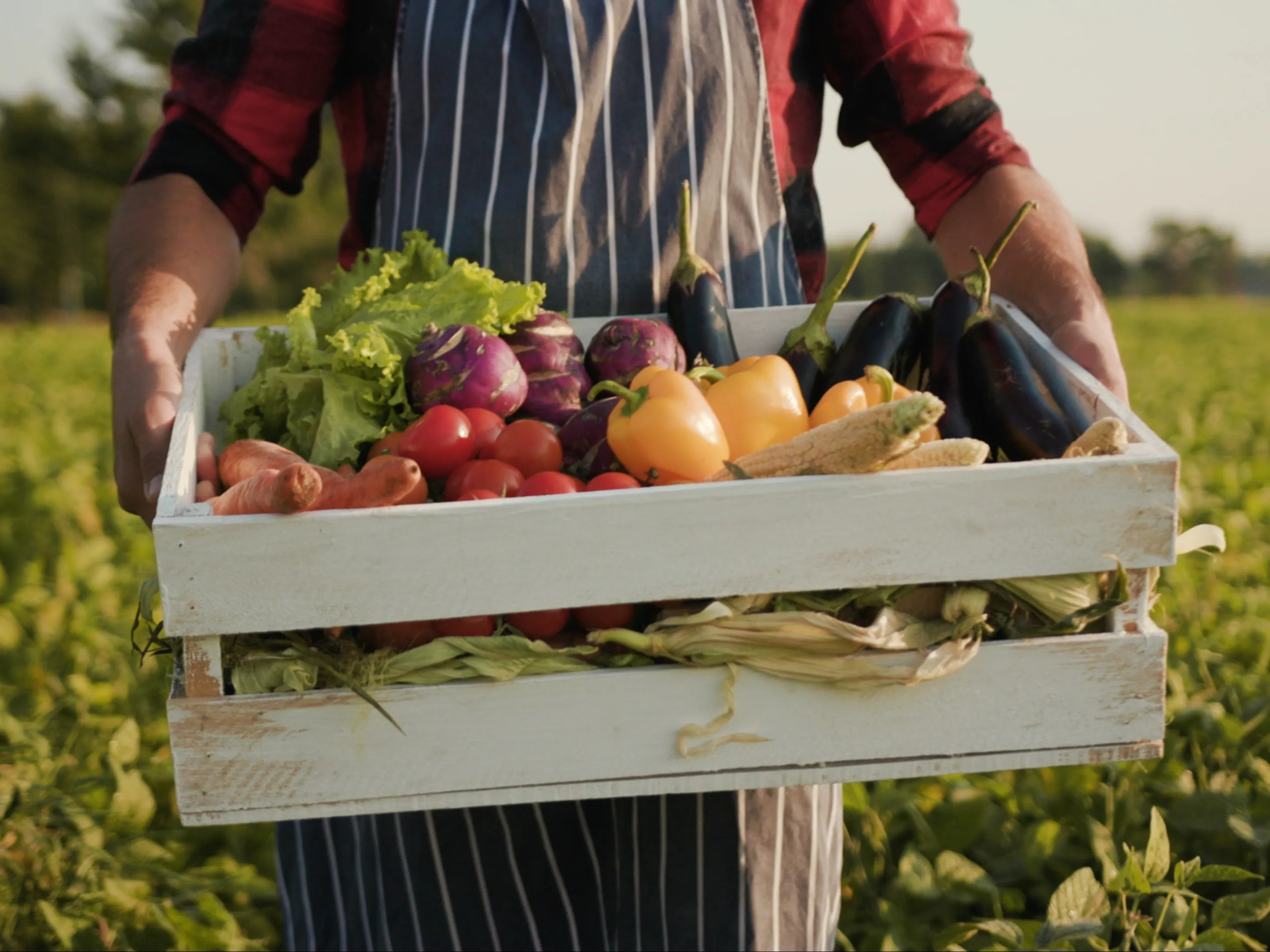
To help safeguard future food supply and support healthy diets, we rely on a global fruit and vegetable industry that promotes sustainable practices. The ALDI SÜD Group works closely with suppliers and partners to advance regenerative agriculture, strengthen water stewardship, and reduce food waste across our supply chains.
* Kantar research / ** WWF / *** Certification under recognised standards, including Rainforest Alliance and Fairtrade.
Challenges in fruit and vegetable supply chains
Our customers depend on us for their daily supply of fresh, affordable fruit and vegetables. However, climate change, extreme weather, water scarcity, and social pressures are reshaping how these products are grown.
Global food systems place significant pressure on the environment, accounting for approximately 70% of freshwater use, 33% of the Earth’s soil degradation, and over a third of greenhouse gas emissions. Unsustainable use of fertilisers and pesticides threatens biodiversity, freshwater basins, and the ecosystems that underpin resilient food production. Climate change adds to these challenges, increasing risks to yields and water availability in key growing regions, while also affecting the livelihoods of farming communities.
Alongside environmental challenges, social issues such as low wages, seasonal workforce pressures, and risks associated with migrant labour remain prevalent across supply chains. With the global population expected to approach 10 billion by 2050, meeting the growing demand will require a transformation of agricultural and food production systems that delivers measurable progress on both environmental standards and people-centred outcomes.
In response to these challenges, and through our Force for Good sustainability strategy, we are implementing initiatives across climate, nature and people, with a particular focus on fruit and vegetable supply chains alongside beef, dairy, coffee, and cocoa. We plan to use interconnected initiatives that allow us to simultaneously address diverse sustainability challenges from multiple angles.
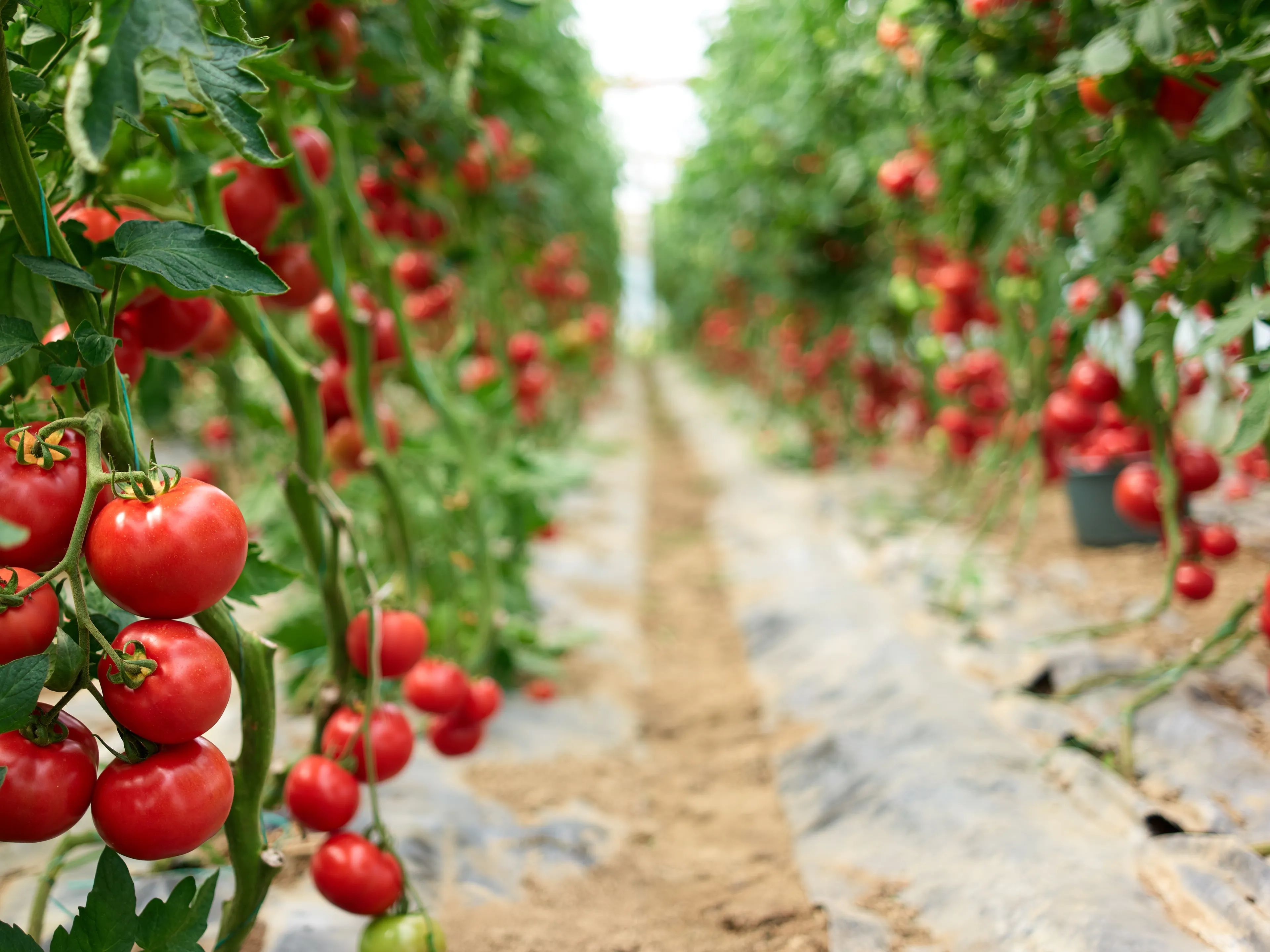
Promotion of sourcing standards
We collaborate closely with our suppliers in fruit and vegetable supply chains to help ensure that our responsible sourcing criteria are met and potential human rights and environmental risks are managed effectively. The ALDI Business Partner Sustainability Standards define minimum, binding sustainability requirements for all ALDI business partners and encompass essential norms, including, but not limited to, due diligence processes, environmental stewardship, occupational health and safety, and non-tolerance for discrimination, forced labour, and child labour.
Additionally, we are integrating nature protection principles into our sourcing and procurement policies. These include standards focused on biodiversity conservation, habitat protection, deforestation prevention, water quality preservation, and soil health maintenance. For example, this is reflected in sourcing selected categories with Rainforest Alliance certification as well as references to principles outlined in the Alliance for Water Stewardship (AWS) standard. We are committed to continuously strengthening these policies in alignment with evolving industry standards and best practices, such as those set by the Alliance for Water Stewardship (AWS), to promote responsible water use and effective water stewardship across fresh produce and other prioritised supply chains.
Regenerative agriculture
Regenerative agriculture is an outcome-based farming approach that aims to protect and improve soil health, biodiversity, climate and water resources while supporting farming livelihoods. Over the long term, it can strengthen food production resilience to climate change, help stabilise yields and reduce reliance on external inputs, such as pesticides and fertilisers.
Water replenishment
Water replenishment activities seek to return water to ecosystems and communities based on the local water challenges shared by local communities and stakeholders to create a positive impact on the catchment’s water availability, quality, and accessibility.
Leveraging independent third-party certification schemes strengthens our commitment to help drive climate action, contribute to regenerating natural resources, and support thriving communities across fruit and vegetable supply chains.
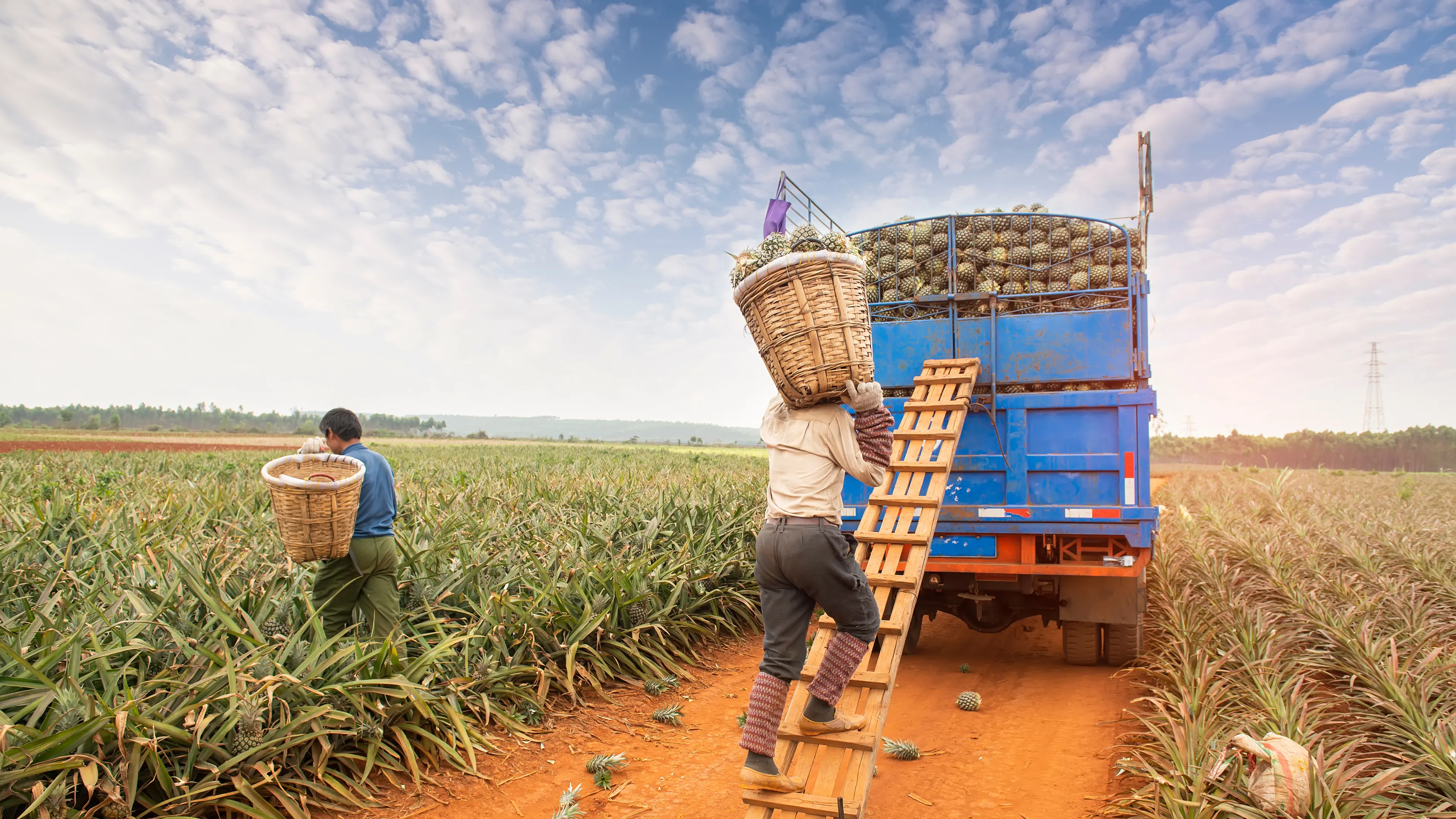
In addition, ALDI recognises a broader set of established social standards for conventional bananas, including SCS, SMETA, SA8000, the SAI Platform Farm Sustainability Assessment silver level, and GRASP on a country-by-country basis that is aligned with the SIFAV Basket of Social Standards. We are particularly focusing on expanding certifications that address risks related to deforestation, water management through the GLOBAL G.A.P SPRING (Sustainable Program for Irrigation and Groundwater Use) standard, and land use, such as Fairtrade.
In our Austrian, German, and Swiss markets, we also implemented third-party standards, such as Spring or AWS, focused on responsible water management for selected fruits and vegetables such as apples, avocados or strawberries from water-stressed regions. In parallel, we are working towards implementing recognised water management standards in line with the harmonised SIFAV Basket of Water Standards across fruit and vegetables sourced from high water risk regions (based on the European Commission EUDR Benchmark Country Classification List).
Improvement in transparency
Enhancing transparency in our fruit and vegetables supply chains strengthens our ability to identify risks and ensure compliance (such as the Lieferkettengesetz LkSG in Germany). The ALDI SÜD Group has implemented comprehensive processes – including risk analyses, audits, and supplier assessments – to systematically identify actual and potential social and environmental risks across our selected supply chains. We aim to progressively integrate these sustainability-related metrics to embed responsible sourcing considerations into our purchasing decisions and increase supply chain resilience.
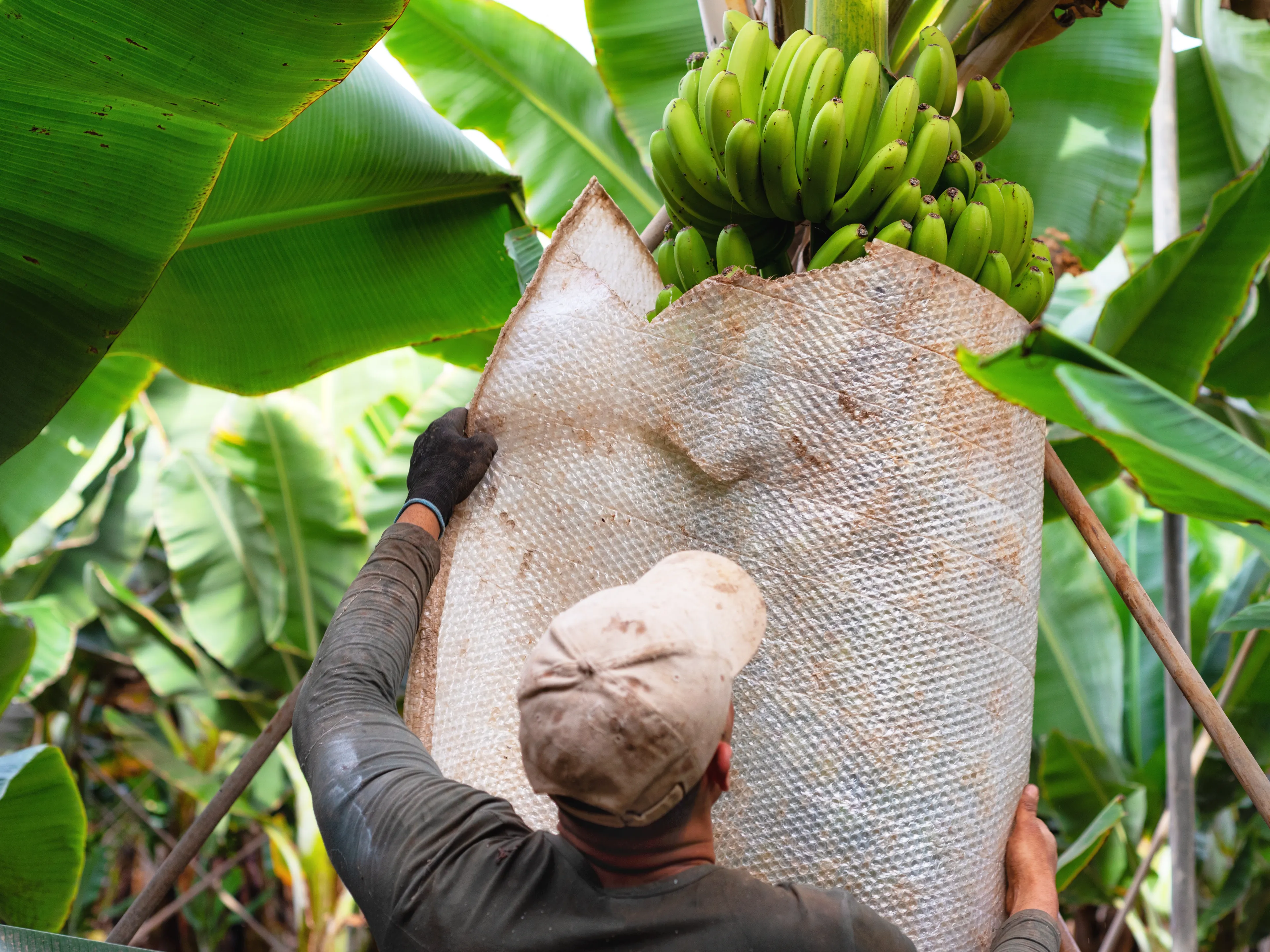
Game Changer: ALDI’s sustainable banana sourcing model
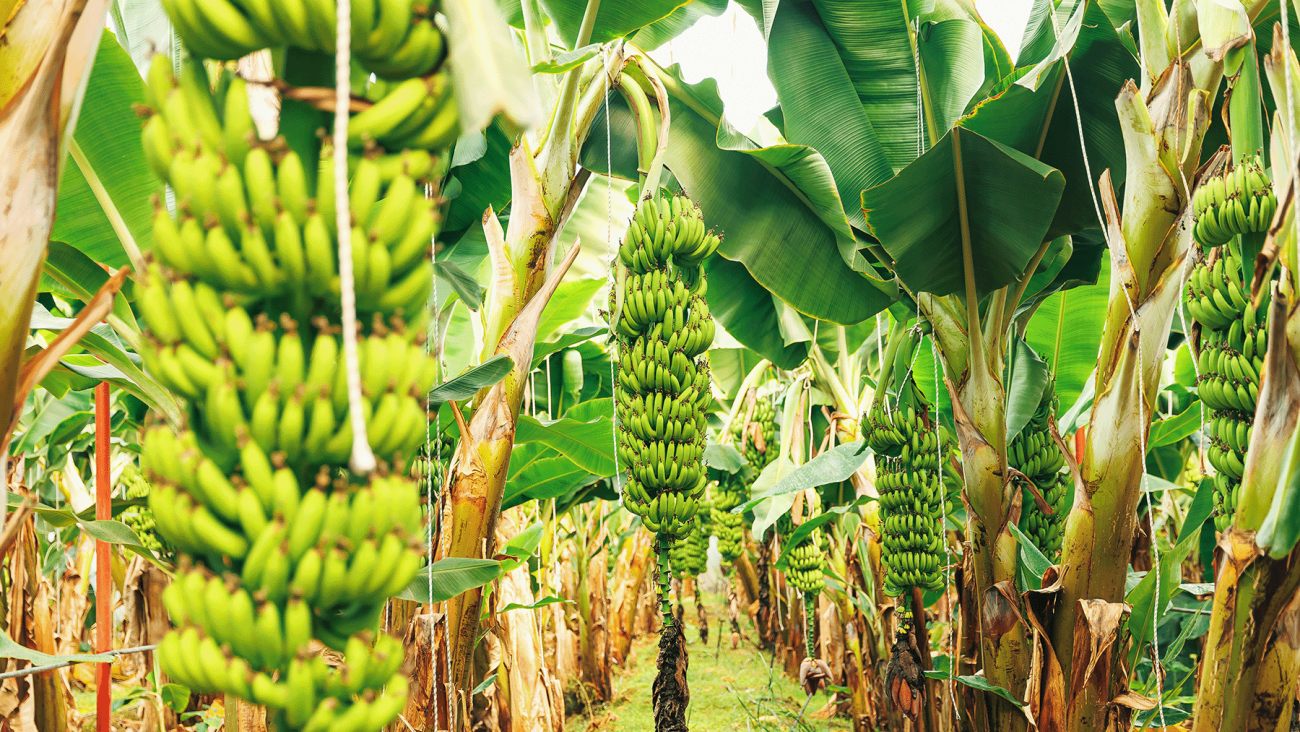
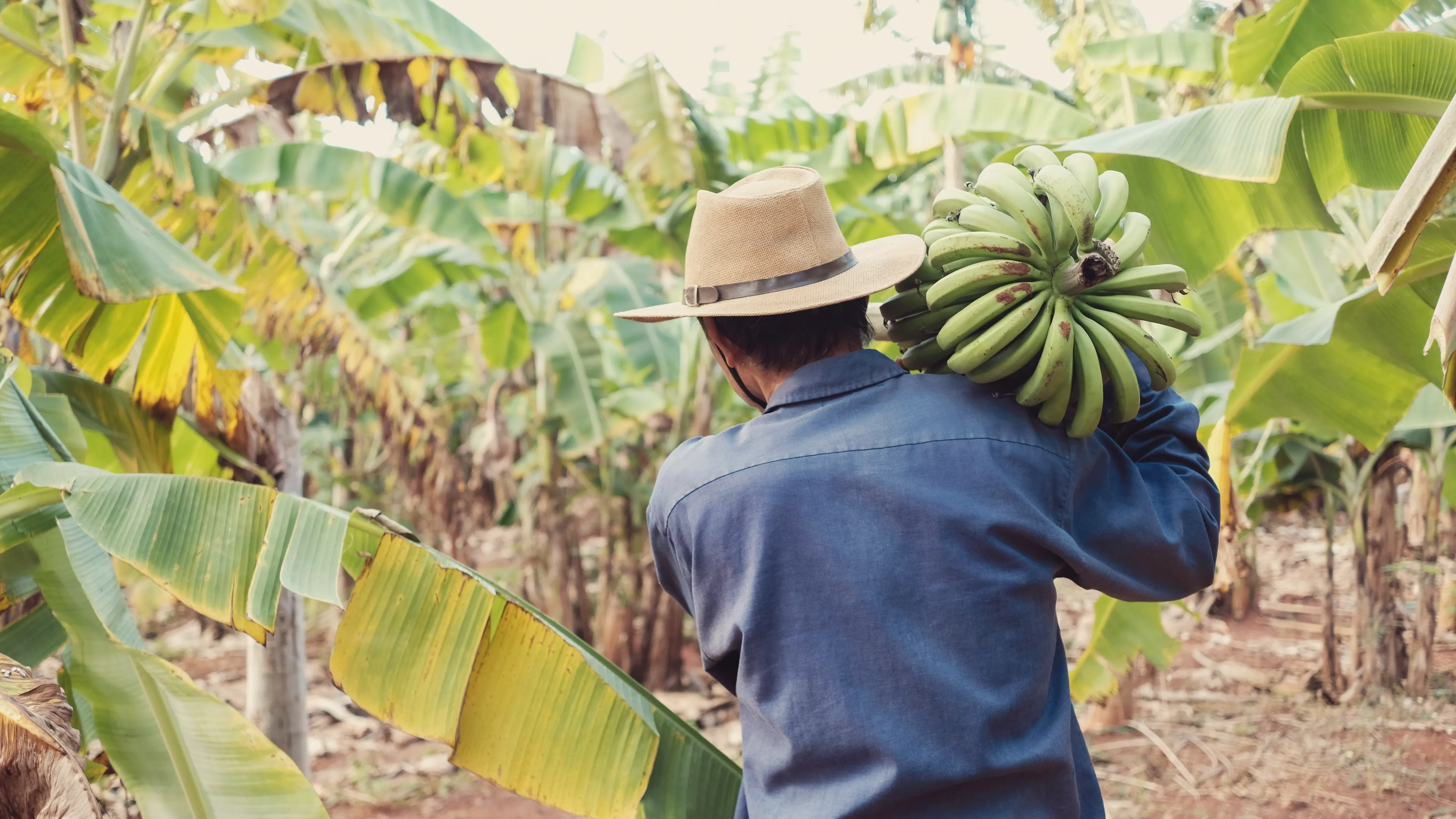
To strengthen sustainability in our banana supply chain, we introduced an enhanced sourcing approach in 2023. This approach was developed in collaboration with selected suppliers and is grounded in the Fairtrade methodology. As part of this, we conduct regular reviews of pricing structures to help ensure our pricing reflects relevant market developments and value chain considerations.
This sourcing model is designed to foster long-term partnerships with our direct business partners and producers. By maintaining stable banana volumes, we aim to provide our key suppliers with greater financial security and planning visibility, supporting their ability to invest in more sustainable practices and contribute to positive social and community outcomes.
Following its initial successful implementation, the initiative has been extended to pineapples and avocados. We are also exploring its potential application to additional categories, including mangoes, citrus fruits, melons, and grapes.
Projects with a positive impact
In close collaboration with selected suppliers and industry partners, we are currently developing initiatives aimed at supporting the restoration of natural landscapes and watersheds, as well as improving people’s livelihoods in our fruit and vegetables supply chains.
At present, we are involved in the following projects:
- As a member of the WRAP Water Roadmap, ALDI UK supports the sourcing of fresh produce from sustainably managed water regions. The initiative sponsors a project on sustainable water management in southern Spain to reduce water-related risks and build resilience in the region.
- We participate in the German Retailers' Working Group on Living Income and Living Wages, as well as in the UK retailer coalition. These initiatives assess gaps in living wages and living income and include pilot approaches to address them. Both working groups also support trade unions and collective bargaining structures in banana producing countries that promote a decent standard of living for agricultural workers.
- In Germany, we participate in the Für mehr Artenvielfalt (English: For Greater Biodiversity) programme of Naturland, a German association for organic farming. This programme provides financial support to Naturland‑certified to implement biodiversity‑enhancing measures that help create habitats and food sources for birds, insects, soil organisms and other wildlife. Sales of Naturland-certified private label products at ALDI contribute to funding these activities.
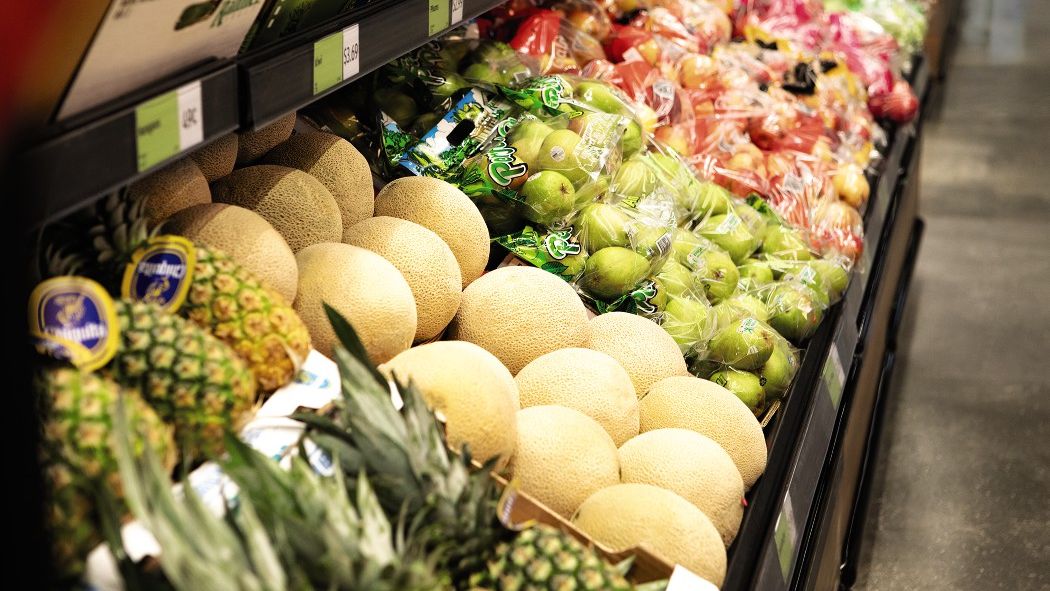
Food waste reduction
While not all food waste can be avoided, we are committed to reducing it where feasible. As a significant share of food waste occurs beyond our own operations, we are working to better understand how we can help our suppliers in reducing and redistributing surplus food across our supply chains.
We do this through a range of measures, including improving forecasting, accepting a wider variety of fruit and vegetable sizes and types, and donating surplus food where possible. Where redistribution is not feasible, we support alternative uses, such as animal feed, composting, and biogas production. Additionally, we aim to reduce supply chain waste by identifying food surplus and incorporating those “rescued ingredients” into some of our food products, for example through the Rettenswert brand in Austria.
Offer of more plant-based product options
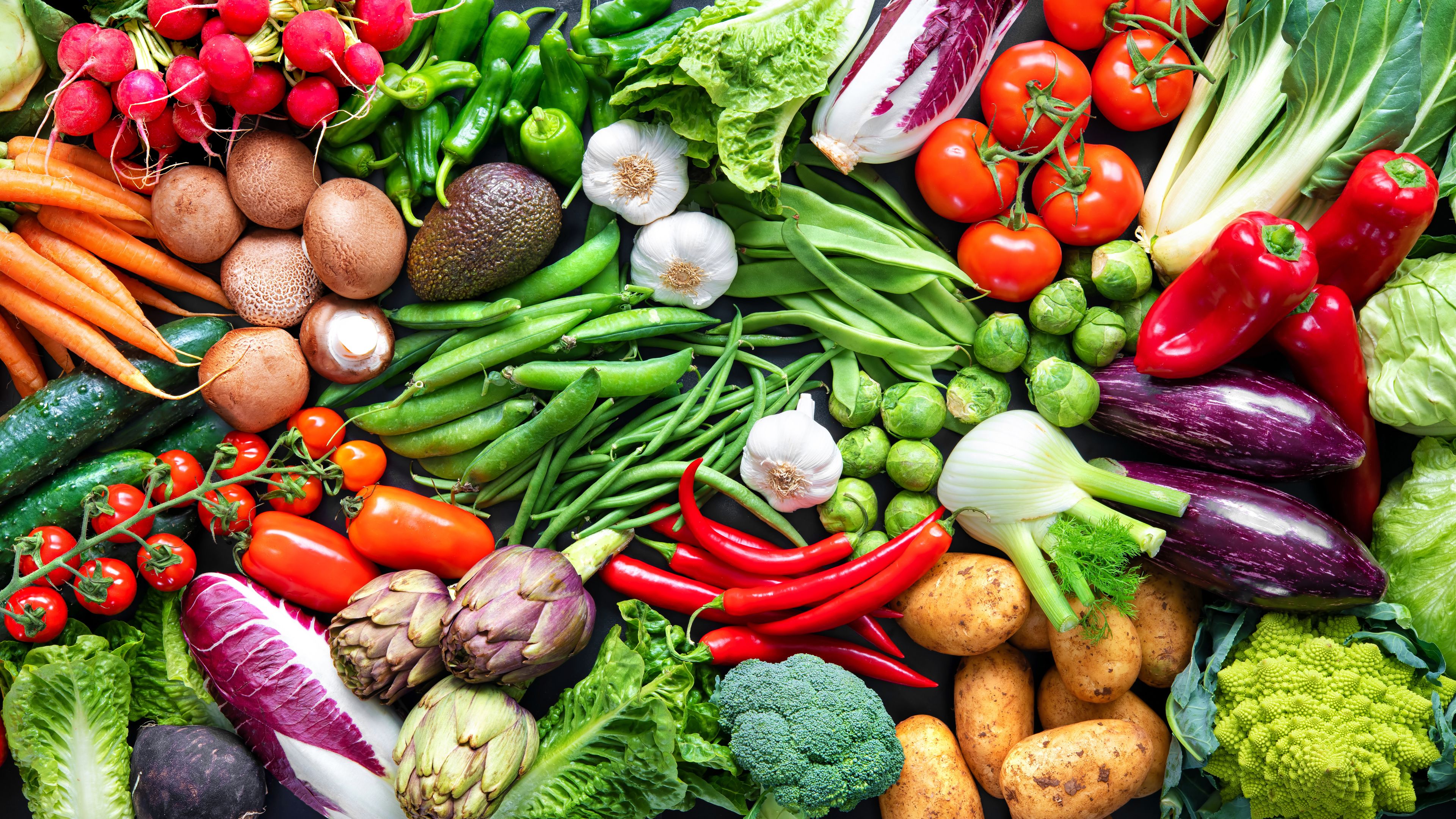
We aim to provide healthy, affordable plant-based options aligned with our product assortment and customer demand.. In addition to plant-based protein sources, dairy alternatives, plant-based fats and oils, this target also includes fruit and vegetables. We are also exploring opportunities to reformulate products across our portfolio and expand our fruit and vegetable offering. We support a shift towards a more plant-based diet that, as indicated by scientific studies, can help reduce environmental impact over time.
Collaboration and advocacy to drive change
Partnerships in collaborative initiatives and engagement with relevant stakeholders across political, economic and social sectors are key to address challenges and support progress towards more sustainable agricultural production.
We believe that the introduction of corporate mandatory due diligence legislation is an important step towards strengthening the protection of human rights along international supply chains, including fruit and vegetables. ALDI has publicly supported the introduction of the EU Corporate Sustainability Due Diligence Directive (CSDDD) and continues to engage constructively in policy discussions relating to its implementation. We plan to continue engaging with policymakers and partners on this path towards a level playing field for human rights due diligence across our markets.
We engage with:
- Standard bodies to strengthen certification criteria, such as participation in reviews of the Fairtrade standard. We support the development of aligned indicators for the new Global G.A.P. Environmental Solutions Standard and incorporate additional regenerative outcomes to advance progress in selected fruit and vegetable growing regions that face environmental challenges (based on ALDI’s environmental risk assessment).
- Key industry platforms to address water risk and promote action on regenerative agriculture, including the Sustainability Initiative Fruit and Vegetables (SIFAV) and Food for Biodiversity (FfB).
- The Alliance for Water Stewardship (AWS) to encourage responsible water use and effective water stewardship across our supply chains, promoting the International Water Stewardship Standard.
- The World Banana Forum, participating in multi-stakeholder discussions on crucial sustainability topics affecting the global banana industry. In addition, we support the application of FAO’s Water and Carbon Footprinting Tool.