The ALDI SÜD Group is committed to fostering fair working conditions and promoting environmentally conscious production throughout the nut supply chains. In collaboration with our suppliers, multi-stakeholder initiatives, certification bodies, and industry experts, we work to strengthen environmental and social practices for nut products.
One nut is not like another
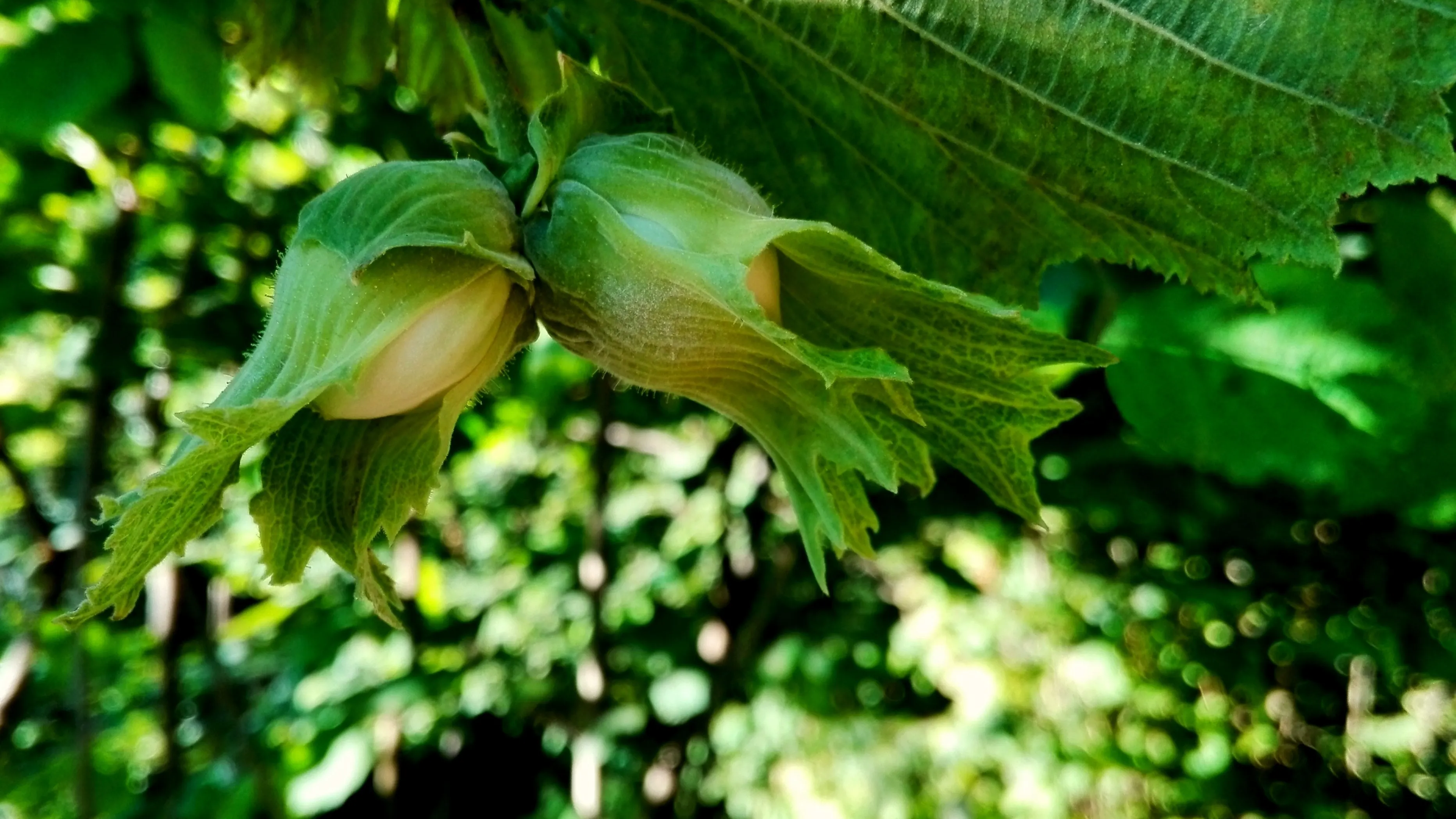
There are eleven different types of nuts sold in ALDI stores, each with its own origins, production systems, and sustainability challenges. Brazil nuts, for example, are harvested by hand from trees growing wild in tropical forests. Hazelnuts are commonly produced on smallholder farms in Turkey, while cashews are widely grown across West Africa. Almonds, by contrast, are often cultivated on large-scale farms in California.
Because every nut is different, the challenges vary too. Key issues can include high water demand in growing regions, climate change impacts on crop yields, risks of deforestation and biodiversity loss linked to agricultural expansion, and social risks such as working conditions, child labour, seasonal worker welfare, and farmer livelihoods. Understanding these differences is an important part of building resilient nut supply chains.
How can we source nuts more responsibly?
Nut supply chains are often complex and can involve multiple stages of production and processing.
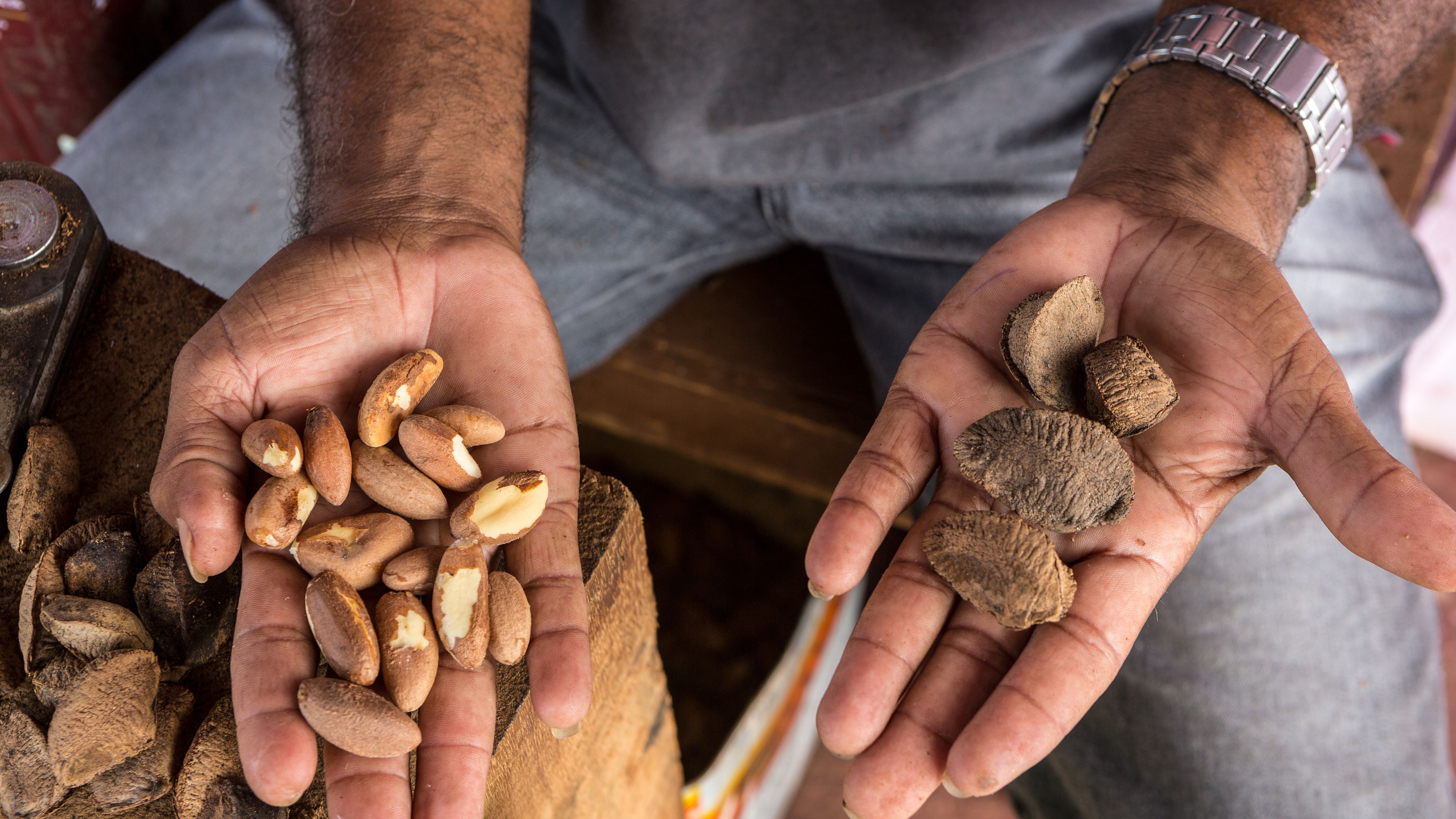
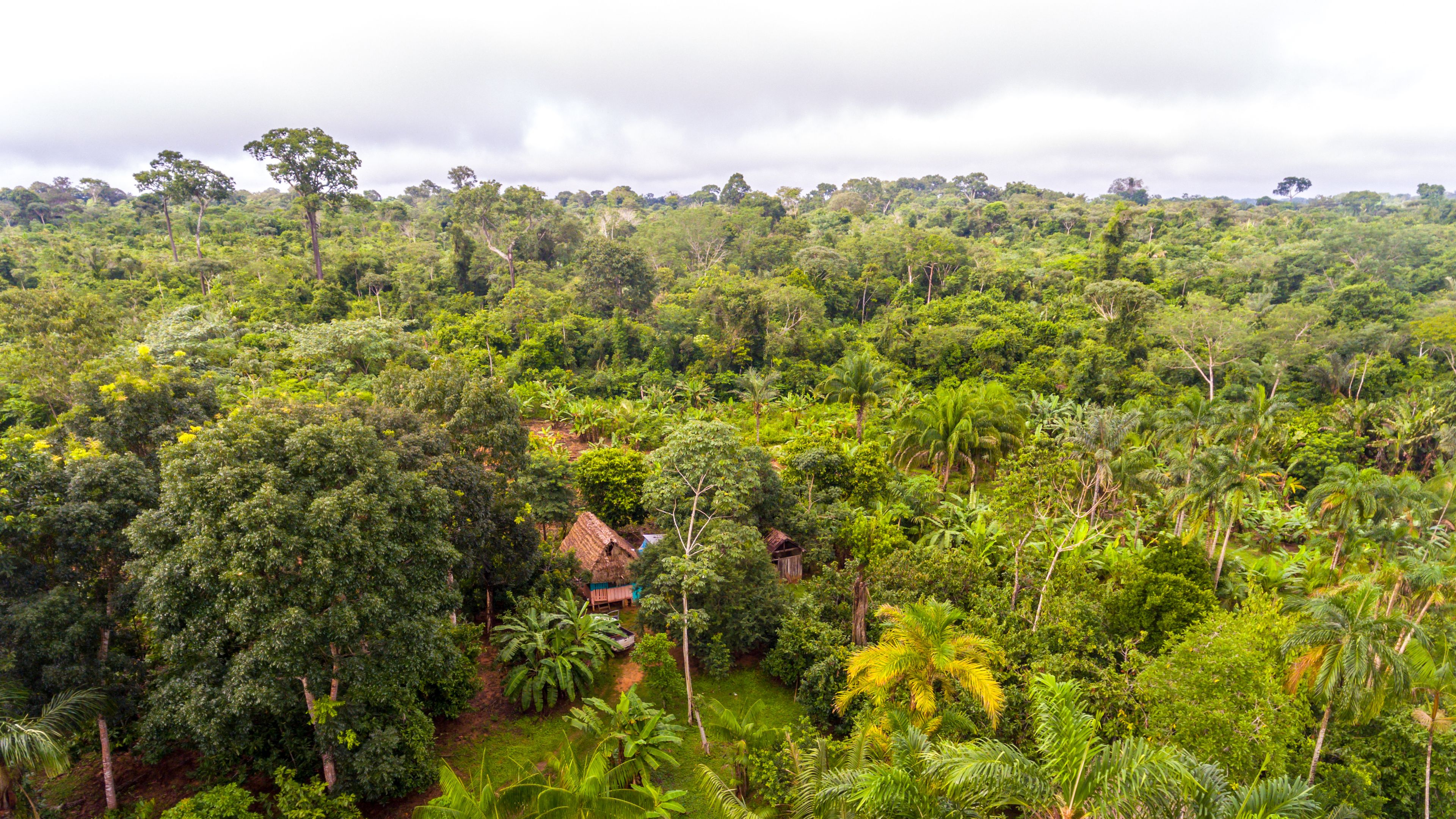
- Brazil nuts provide one example. Local communities collect the nuts by hand in remote areas of the Amazon rainforest before being transported to processing facilities, sometimes by boat, motorcycle, tractor, or lorry.
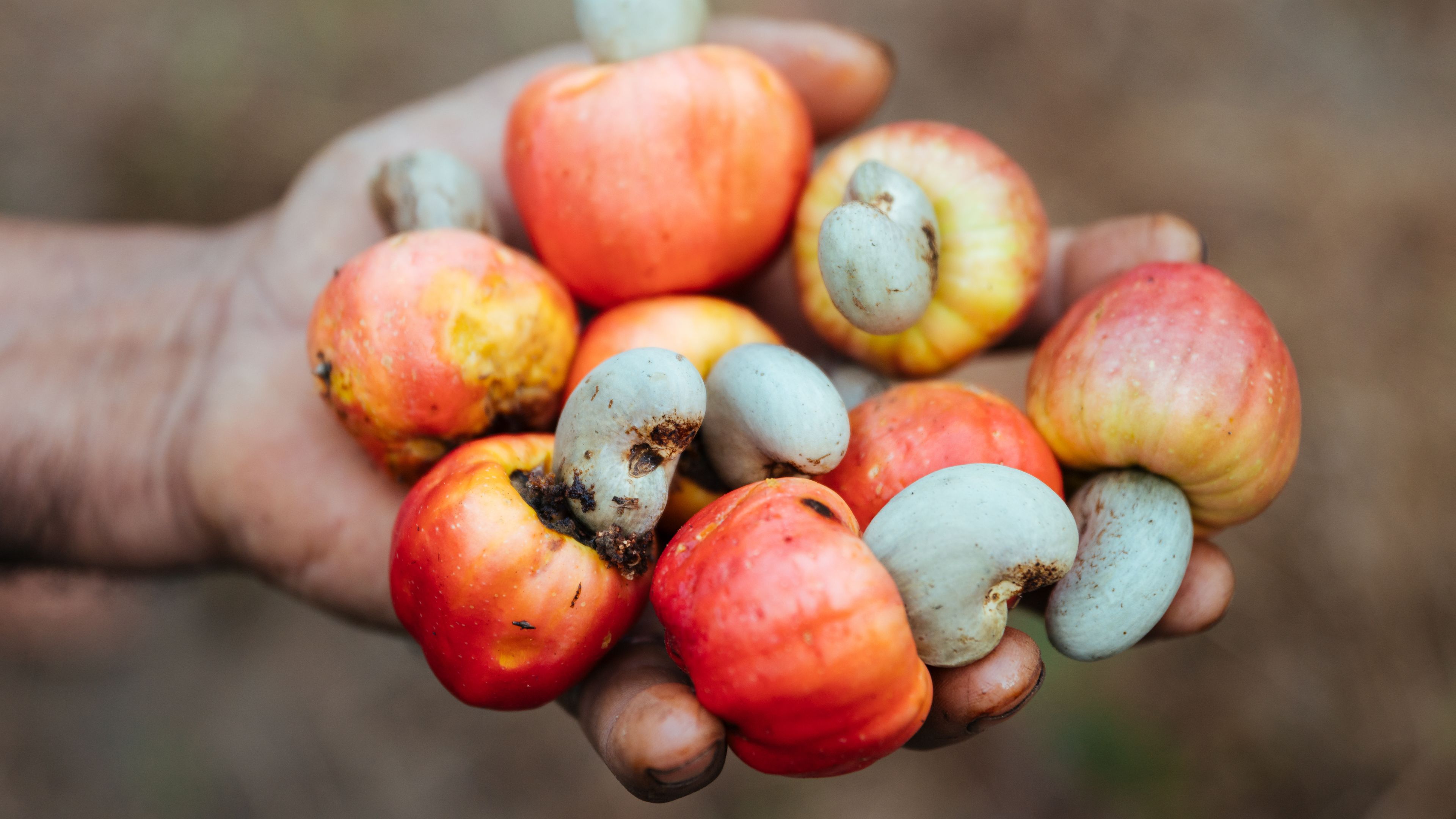
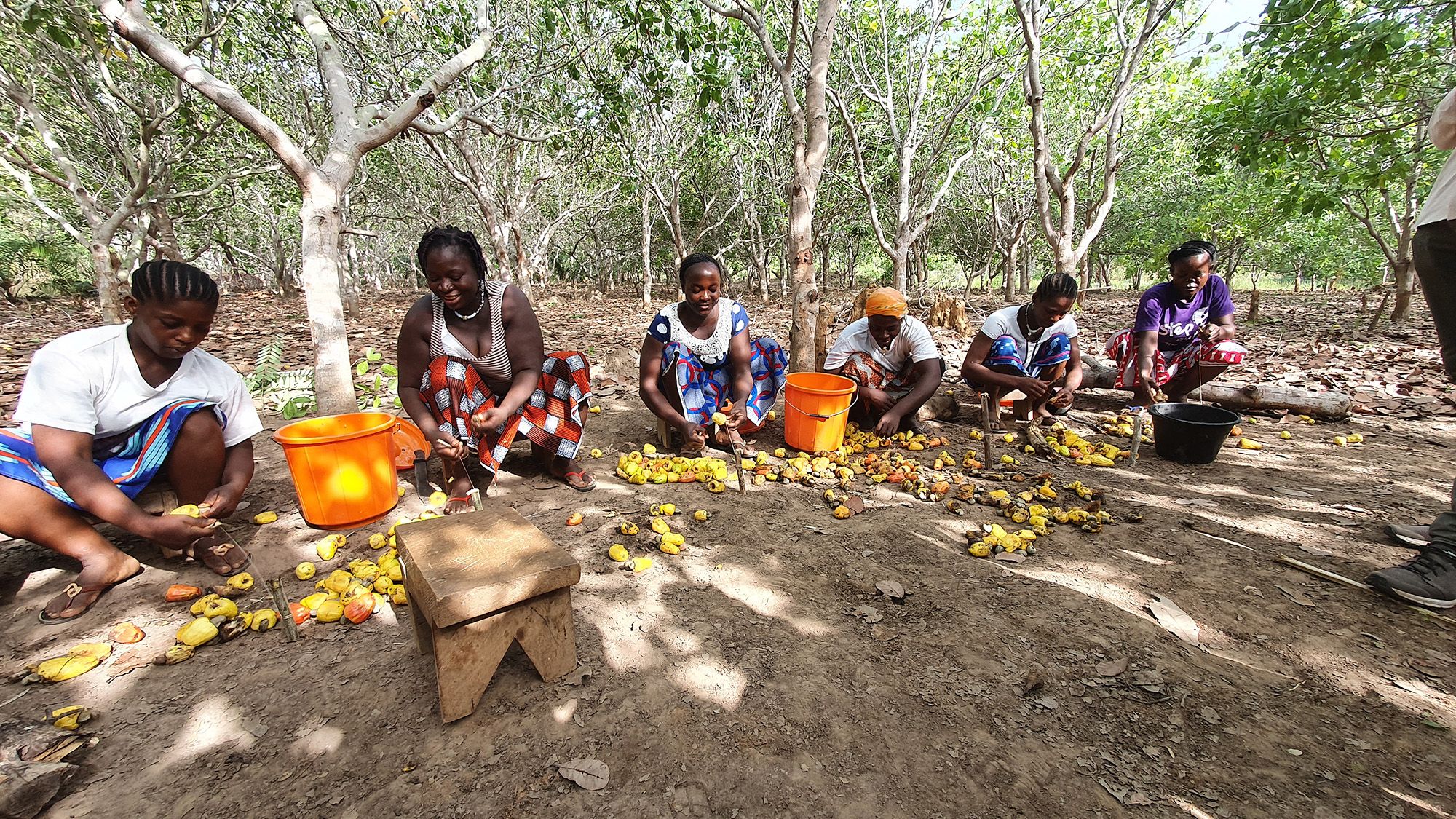
- Cashews follow a very different route. Raw cashew nuts are commonly grown and harvested in West and East Africa before being transported to processing facilities, often in countries such as Vietnam or India, for shelling and preparation prior to final manufacturing.
This complexity can make ensuring transparency, traceability, and stakeholder engagement challenging. To address these risks, we work with suppliers to help ensure they meet our responsible sourcing requirements. The ALDI Business Partner Sustainability Standards establish minimum binding sustainability requirements for all ALDI business partners and encompass essential norms, including, but not limited to, due diligence processes, environmental stewardship, occupational health and safety, and non-tolerance for discrimination, forced labour, and child labour.
- We aim to improve our sourcing of Brazil nuts and cashews by building long-term partnerships with suppliers and processors in the countries of origin, particularly Bolivia for Brazil nuts and cashew-growing regions in Ivory Coast, Nigeria, and Burkina Faso. By sourcing directly from local processors, we can improve transparency and traceability within our supply chains while supporting local processing and value creation in producing regions. This approach can also help encourage investment in labour practices and local communities.
- Additionally, shortening the supply chain can help reduce complexity and transport-related emissions, while improving transparency and traceability. An example is our responsible sourced cashew initiative (see below). By working more closely with processors in producing countries, we can gain greater visibility of labour practices and support efforts to strengthen working conditions.
- Independent third-party social audit standards, such as SMETA, amfori, SA8000, also help us apply recognised and credible social and environmental criteria in cashew production. ALDI also sources Rainforest Alliance certified hazelnuts for spreads. Through these ongoing efforts, ALDI seeks to strengthen responsible sourcing practices across its nut supply chains.
More transparency on products and human rights
We work closely with our business partners and industry stakeholders to better understand where our nut products originate and to support greater transparency within our supply chains. Because each nut supply chain is different, we use approaches that are tailored to the specific characteristics of each product. Through long-term supplier partnerships and targeted traceability programmes, we can identify the processing origin of every container sourced through our transparent sourcing model for selected nut products.
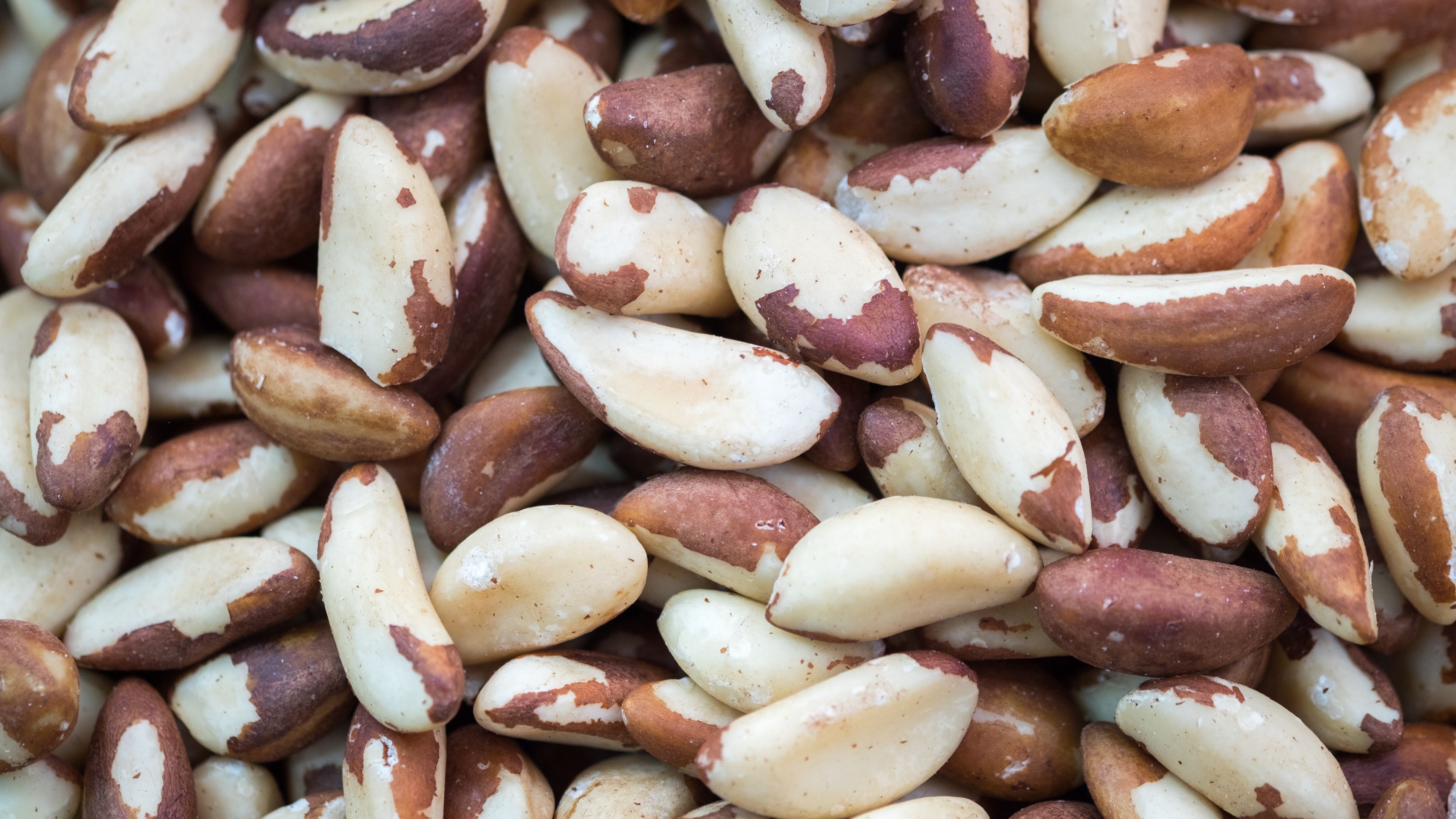
Brazil nuts
Through long-term relationships with processors in Bolivia, we can trace individual containers back to specific collection areas.
Cashews
Our annual cashew survey identifies processing facilities throughout the supply chain. We also review independent third-party social audits covering processing locations (excluding cashews in nut mixes sourced by national buying teams).

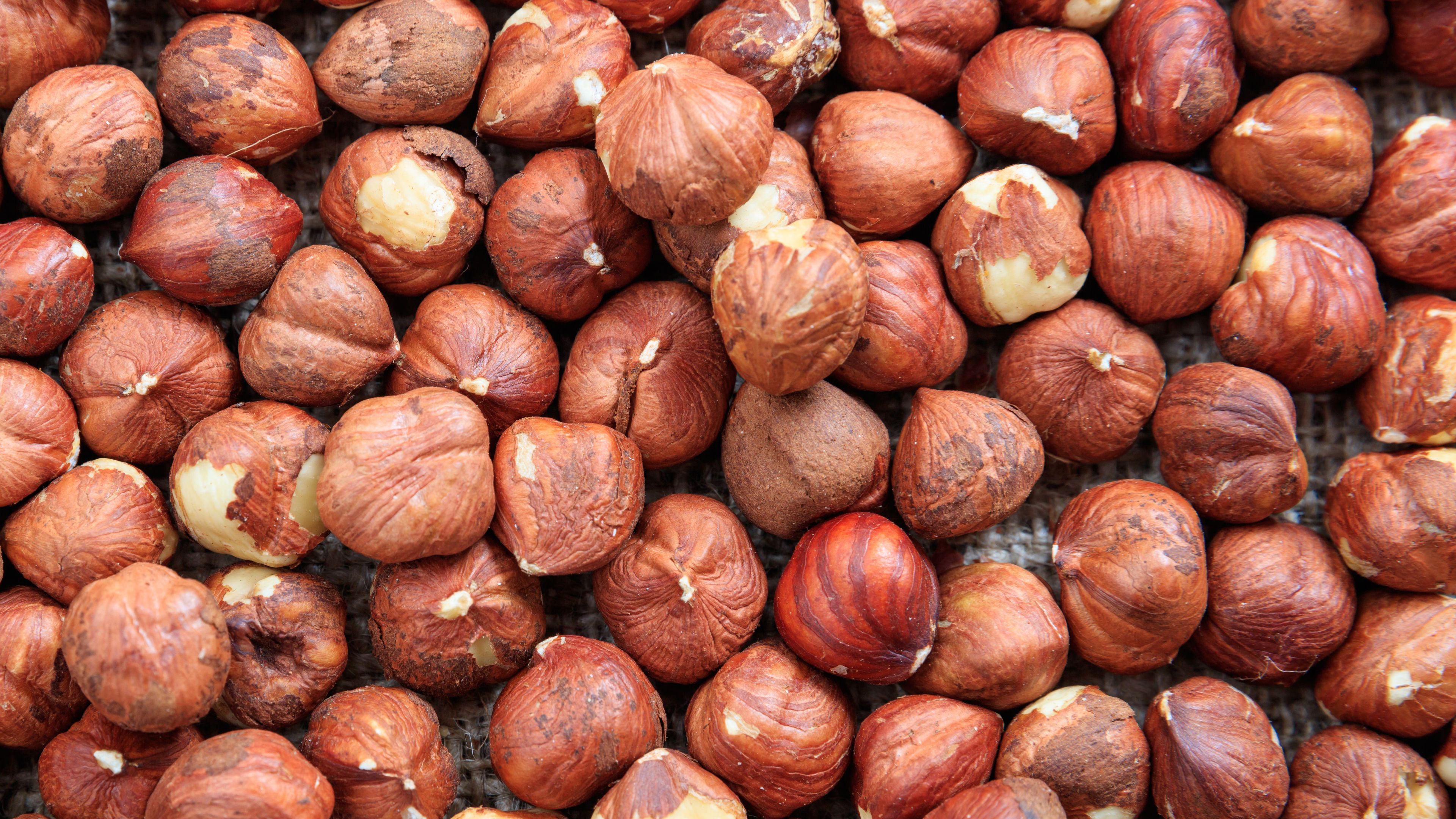
Hazelnuts
Through the supply chain mapping software Sourcemap covering approximately 80% of our hazelnut volume, we continue to improve visibility across the value chain.
Support of responsible cashew production in Africa
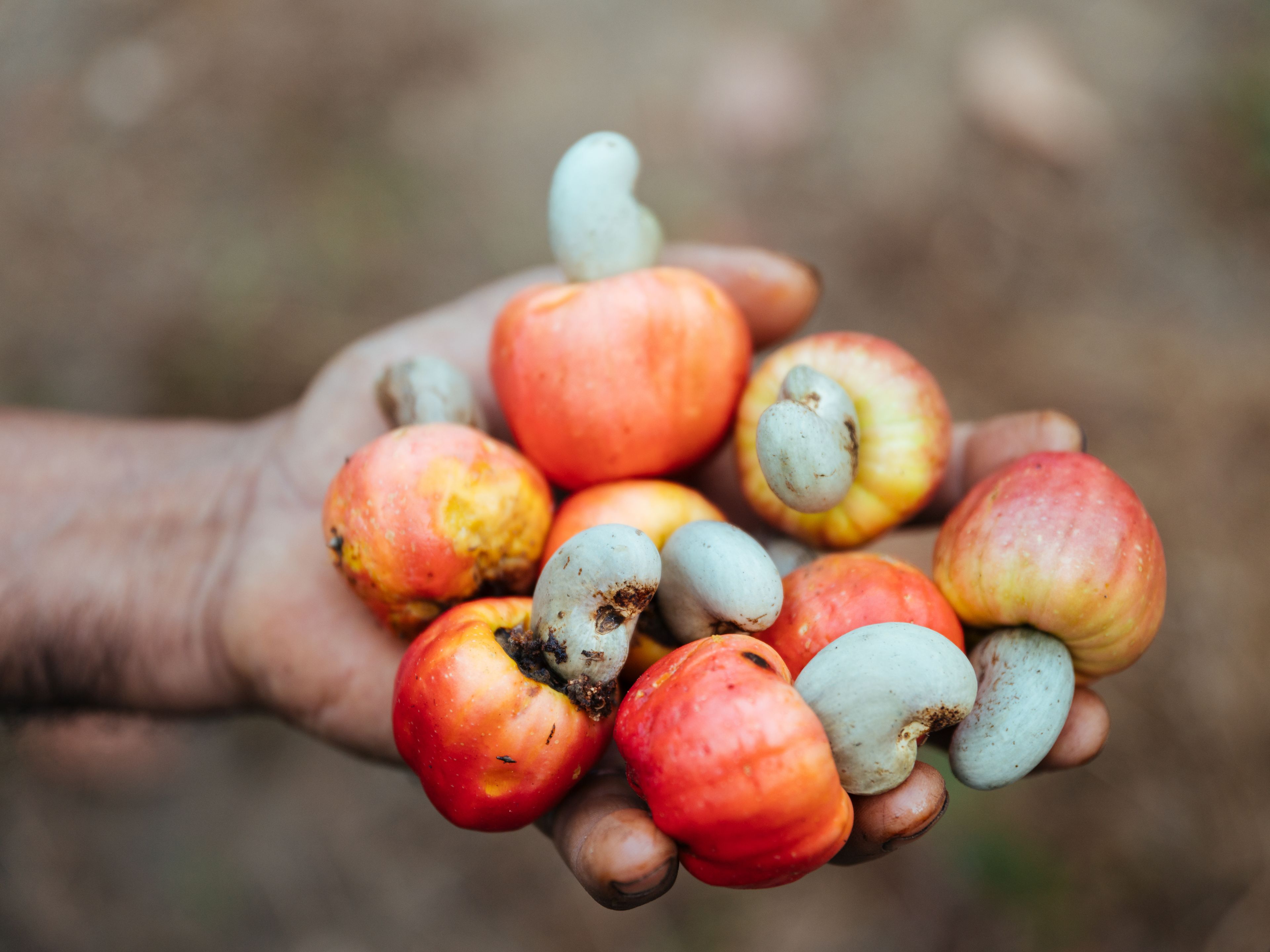
The ALDI SÜD Group works with suppliers in West Africa to provide cashews that are sustainably sourced. As part of this approach, we have conducted a thorough traceability review to understand precisely where our cashews originate.
Cashews sourced through this initiative are processed locally and shipped directly from West Africa to ALDI SÜD Group markets, where they are packaged and sold. This approach helps to shorten the supply chain, with the aim of reducing complexity and transport emissions, while maintaining excellent quality and taste. This dedicated sourcing initiative has now been incorporated into our standard purchasing approach.
Collaboration and advocacy to drive change
Partnerships and memberships in collaborative initiatives and engagement with relevant stakeholders across political, economic, and social sectors are key to addressing social and environmental challenges and can help support progress towards more sustainable nut production.
Voluntary and regulatory frameworks play an important role in advancing practices that enable sustainable food production. We believe that legislative measures to address deforestation, such as the EU Deforestation Regulation, can contribute to reducing import-driven deforestation and strengthening requirements for deforestation-free products. ALDI has publicly supported the introduction of the EU Corporate Sustainability Due Diligence Directive (CSDDD) and continues to engage constructively in policy discussions relating to its implementation.
We engage with:
- Key industry platforms such as the Sustainable Nut Initiative (SNI). In 2020, the ALDI SÜD Group became the first discount retailer to join the pre-competitive collaboration platform, which brings together key players across the global nut supply chain - from processors and roasters to retailers. By joining forces, we can help make progress towards the implementation of improved agricultural practices, enhanced social standards, and more sustainable products with a focus on cashews. ALDI follows the SNI’s Ambition Plan, which aims to address social and environmental challenges and increase the adoption of recognised social audit standards programmes within cashew processing facilities. We have incorporated relevant requirements into our sourcing approach and continue to support broader adoption across the sector.