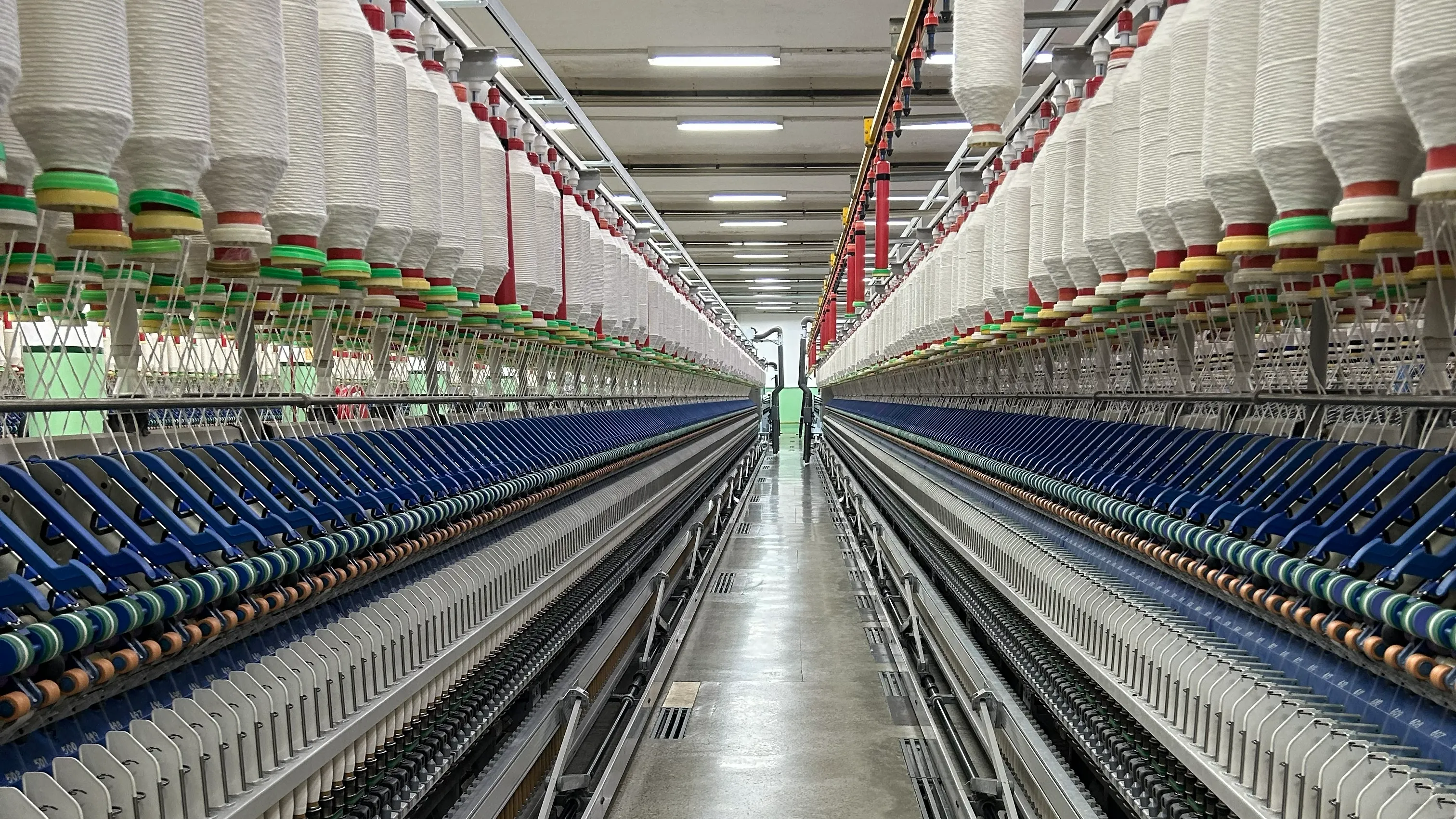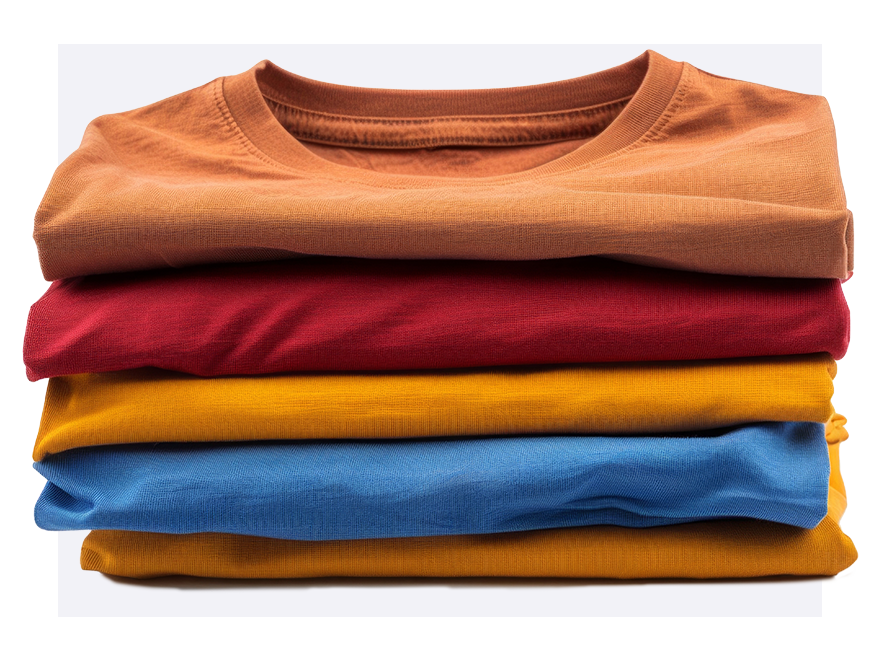
We support more responsible sourcing and production practices for our private label garments and household textiles by working with suppliers to address environmental and social risks across our supply chains. In addition, we source cotton through recognised third-party certification schemes for selected products.
* Textile Exchange / ** European Parliament / *** In accordance with the Global Organic Textile Standard (GOTS), or BCI Cotton under the Mass Balance Chain of Custody model
Sustainability challenges in textile production
Global textile production continues to grow, reaching 132 million tonnes in 2024 and projected to rise to 169 million tonnes by 2030 if current production and consumption patterns continue. This growth increases pressure on natural resources, as textile fibres are commonly derived from agriculture, forests, and fossil fuel-based materials.
The production and processing of textiles require significant amounts of raw materials, water, and chemicals, while also contributing to the production of greenhouse gas emissions. Cotton cultivation, for example, can be associated with high water demand, intensive pesticide use, and the conversion of natural habitats for agricultural production, which may affect biodiversity and ecosystems. At the same time, cotton production supports the livelihoods of more than 250 million people worldwide. As a company, we seek to implement more responsible sourcing and production practices across our textile supply chains while helping to address environmental and social risks.
Support of responsible sourcing and certification
More than 80% of our private label garments and home textiles are manufactured in production facilities in Asia. We work closely with our suppliers in the region to support the implementation of our sourcing requirements.
The ALDI Business Partner Sustainability Standards establish minimum binding sustainability requirements for all ALDI business partners and encompass essential norms, including, but not limited to, due diligence processes, environmental stewardship, occupational health and safety, and non-tolerance for discrimination, forced labour, and child labour.
The ALDI SÜD Group supports responsible production by systematically evaluating our suppliers and monitoring selected production facilities. This includes assessing suppliers’ sustainability management practices, such as policies and procedures on human rights, working conditions, and environmental impacts. We also monitor facilities through recognised third‑party social audits and sustainability assessments, complemented by frequent on‑site visits conducted by our sustainability teams in Hong Kong SAR, China, and Bangladesh.
These activities support the identification and assessment of potential human rights, labour‑related, and environmental risks in our textiles supply chains. Where issues are identified, suppliers are required to develop and implement corrective action plans within agreed timelines and to provide evidence of improvements, such as follow‑up audit reports or site visit documentation.
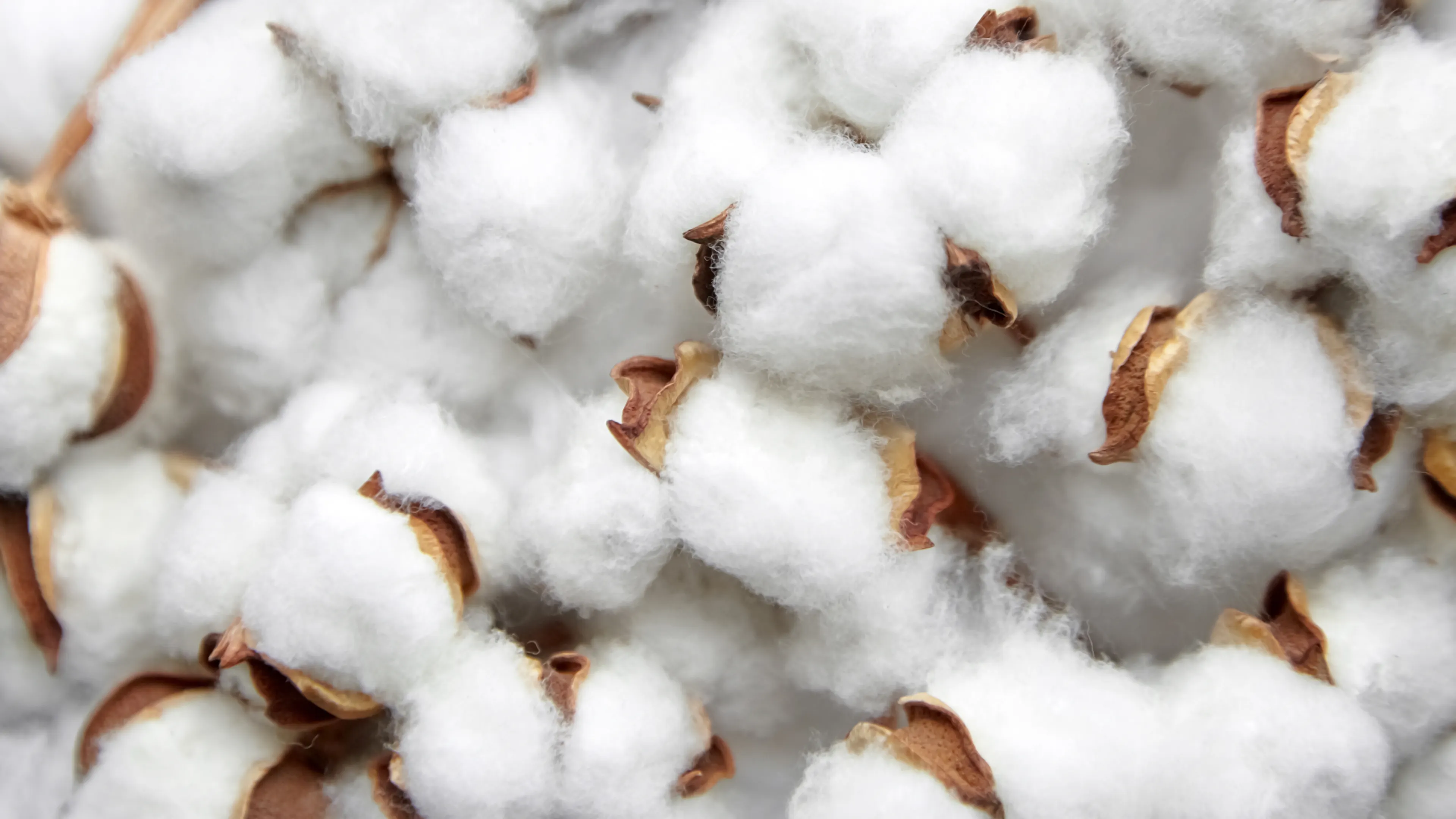
Cotton represents the largest fibre category used in ALDI garments and household textiles. For ALDI’s private label products containing cotton, we use recognised independent third‑party certification schemes that have proven to be reliable and suitable for market-wide implementation. By the end of 2025, 94% of the cotton used in our private label garments and home textiles was sourced through recognised third-party certification schemes. These include the Global Organic Textile Standard (GOTS), and BCI Cotton under the Mass Balance Chain of Custody model. These standards and frameworks address different aspects of cotton production and sourcing, including agricultural practices, chain of custody requirements and selected social criteria.
Mass Balance of Custody Model (Better Cotton Initiative - BCI)
Mass Balance can be implemented in the supply chain from ginner onwards. Between the farm and gin, BCI Cotton seed cotton and lint bales are always required to be segregated from other types of cotton. After the cotton leaves the gin, a Mass Balance chain of custody model can be used. Mass Balance is a volume-tracking system that allows BCI Cotton to be substituted or mixed with conventional cotton by traders or spinners along the supply chain.
Reduction of chemicals in production
Chemicals used in textile production, especially during wet processes like bleaching and dyeing, can be released untreated into waterways if wastewater is not adequately managed. This may contribute to water pollution, affect local ecosystems, and impact the health of nearby communities.
By monitoring chemical inventories and wastewater and sludge analyses across the textile and shoes supply chain, ALDI supports compliance with evolving global and local environmental legislation.
In 2021, The Consumer Goods Forum highlighted case studies from Bangladesh through it’s Better Lives through Better Business campaign. The campaign included examples from selected production facilities supported by ALDI that focused on safer chemical management and improved wastewater treatment practices. These measures aimed to reduce potential risks for workers, local communities, and the environment.

Initiatives with a positive impact
In close collaboration with selected suppliers and industry partners, we intend to engage in initiatives and in projects that support positive change:
- ALDI is a signatory to the International Accord for Health and Safety in the Garment & Textile Industry, a legally binding framework agreement between brands and trade unions. Through the International Accord, country-specific programmes in Bangladesh and Pakistan support improvements in worker health and safety in participating factories. Specific initiatives include independent safety inspections, monitoring of the implementation of remediation plans agreed with factory management, training on health and safety best practices, capacity building initiatives, as well as an independent complaints mechanism for occupational health and safety concerns. Together, these activities contribute to improved health and safety outcomes and greater transparency across the industry.
- In 2025, the ALDI SÜD Group participated in a circular economy initiative with other industry partners under the Dialogue and Impact for Sustainable Textiles. The project supported the preparation for the upcoming Ecodesign for Sustainable Products Regulation (ESPR) requirements, and included the assessment of ALDI’s pilot project, a body baby suit, against the Circular Design Standard V5.0 developed by circular.fashion. The product was independently verified and introduced to the German market in 2026 after being assessed against the circular design criteria, including durability, repairability, recyclability, and product longevity.
Collaboration and advocacy to drive change
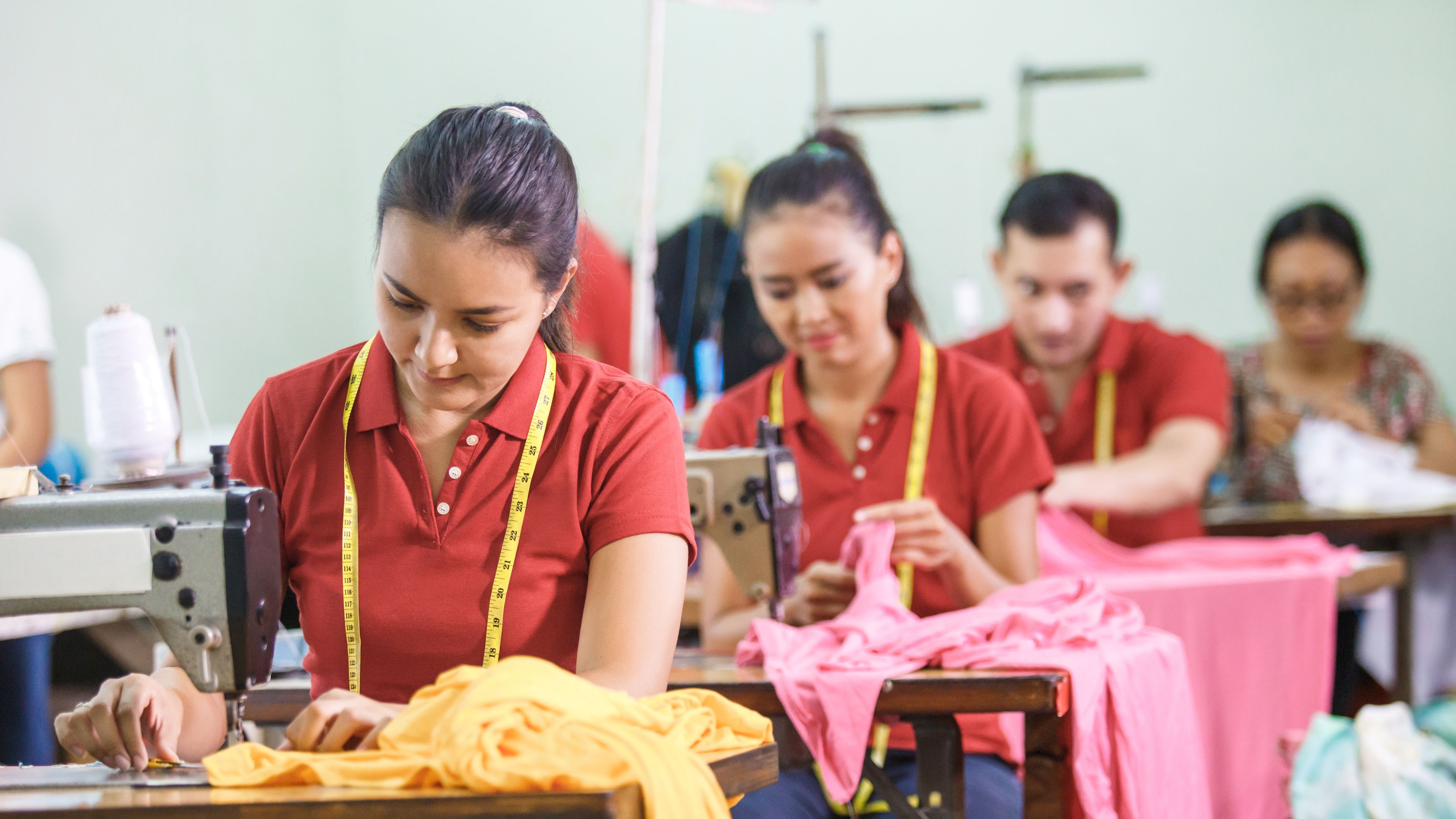
We seek to work with suppliers, industry partners, and other stakeholders to address human rights and environmental challenges in textile supply chains.
We consider the introduction of corporate mandatory human rights and environmental due diligence legislation to be an important element in strengthening respect for human rights in global supply chains.
ALDI has publicly supported the introduction of the EU Corporate Sustainability Due Diligence Directive (CSDDD) and continues to engage constructively in policy discussions relating to its implementation. We plan to continue engaging with policymakers and partners on this path towards a level playing field for human rights due diligence across our markets.
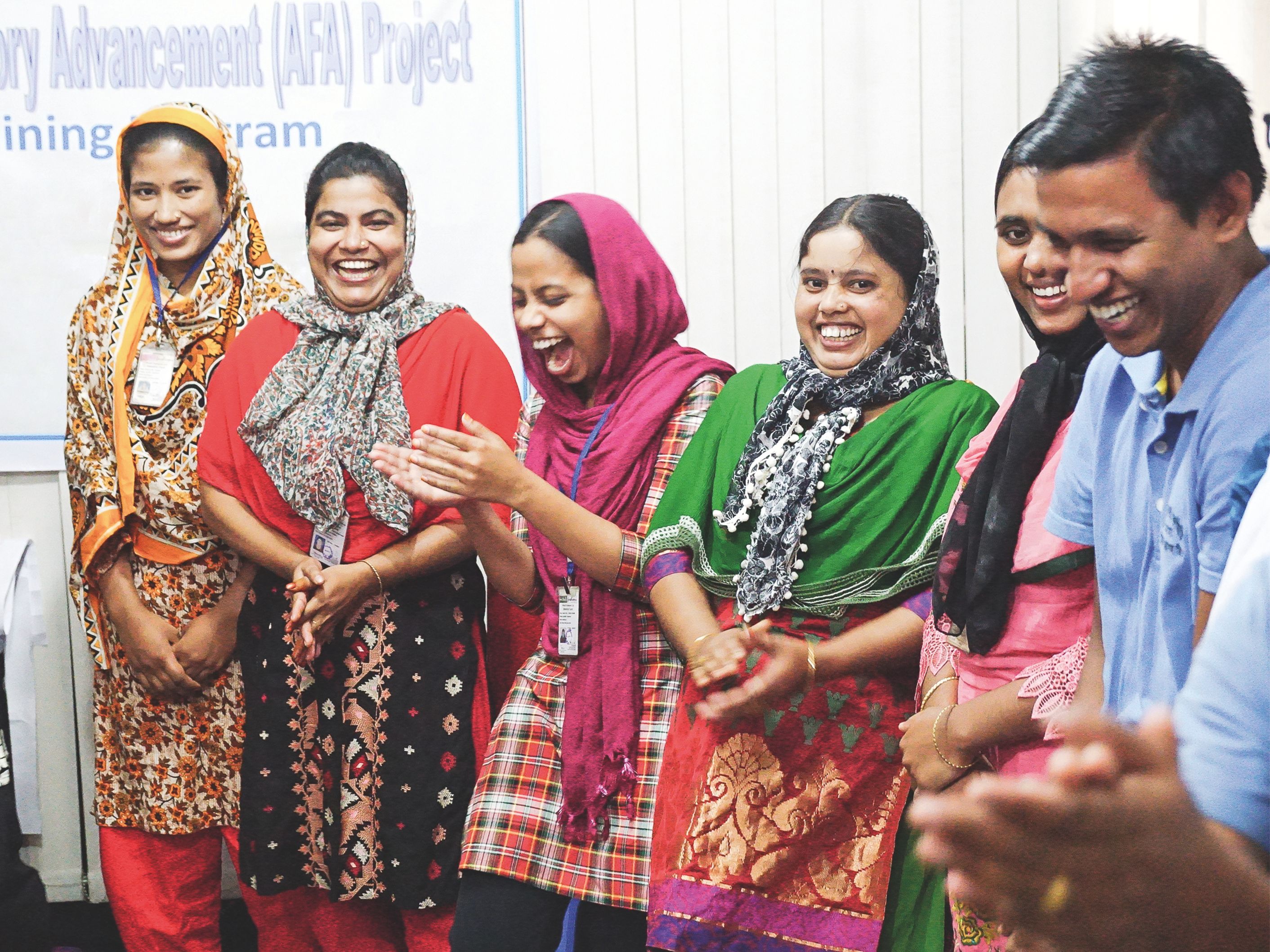
We collaborate with:
- Industry platforms, such as Better Cotton. The ALDI SÜD Group is a member of the Better Cotton Initiative (BCI™), which works with cotton farming communities to support the adoption of more sustainable agricultural practices and improve livelihoods. Through sourcing BCI Cotton under the Mass Balance Chain of Custody model, demand for BCI Cotton is generated, supporting the broader BCI programme. For BCI Cotton sourced under the Mass Balance model, cotton is not physically traceable to final products. We use the BCI Platform (BCP) to record and monitor volumes sourced through the Better Cotton Chain of Custody system.
- Multi-stakeholder initiatives, such as the Dialogue and Impact for Sustainable Textiles. Through this initiative, we participate in working groups and projects that address topics such as living wages, the rights of children and young workers, and chemical management in production facilities in key sourcing countries, including China, Bangladesh, Pakistan, India, and Cambodia.