Agriculture is the world’s largest industry and a major contributor to global greenhouse gas emissions, land degradation and water use. As a leading global retailer, we are committed to driving climate action, supporting regenerative agriculture, and advancing nature regeneration in selected supply chains to ensure they remain viable for the long term.
How agriculture impacts environment and people
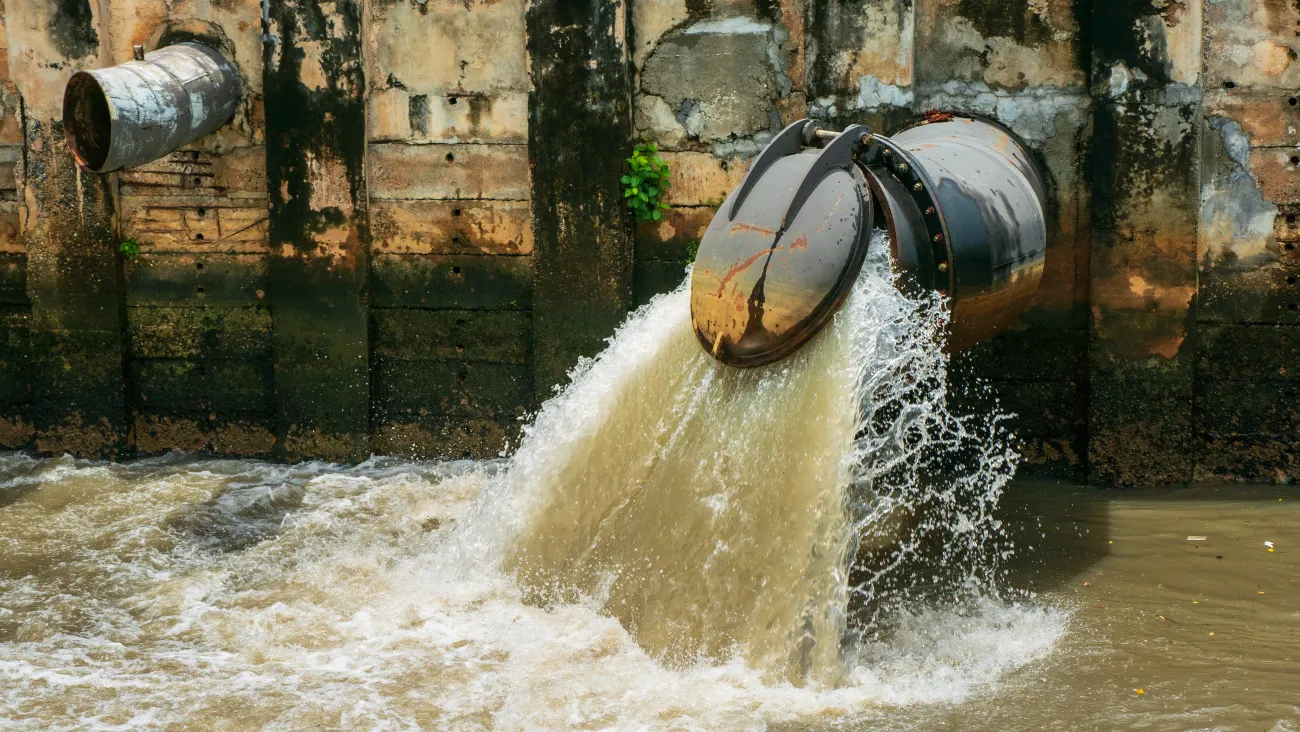
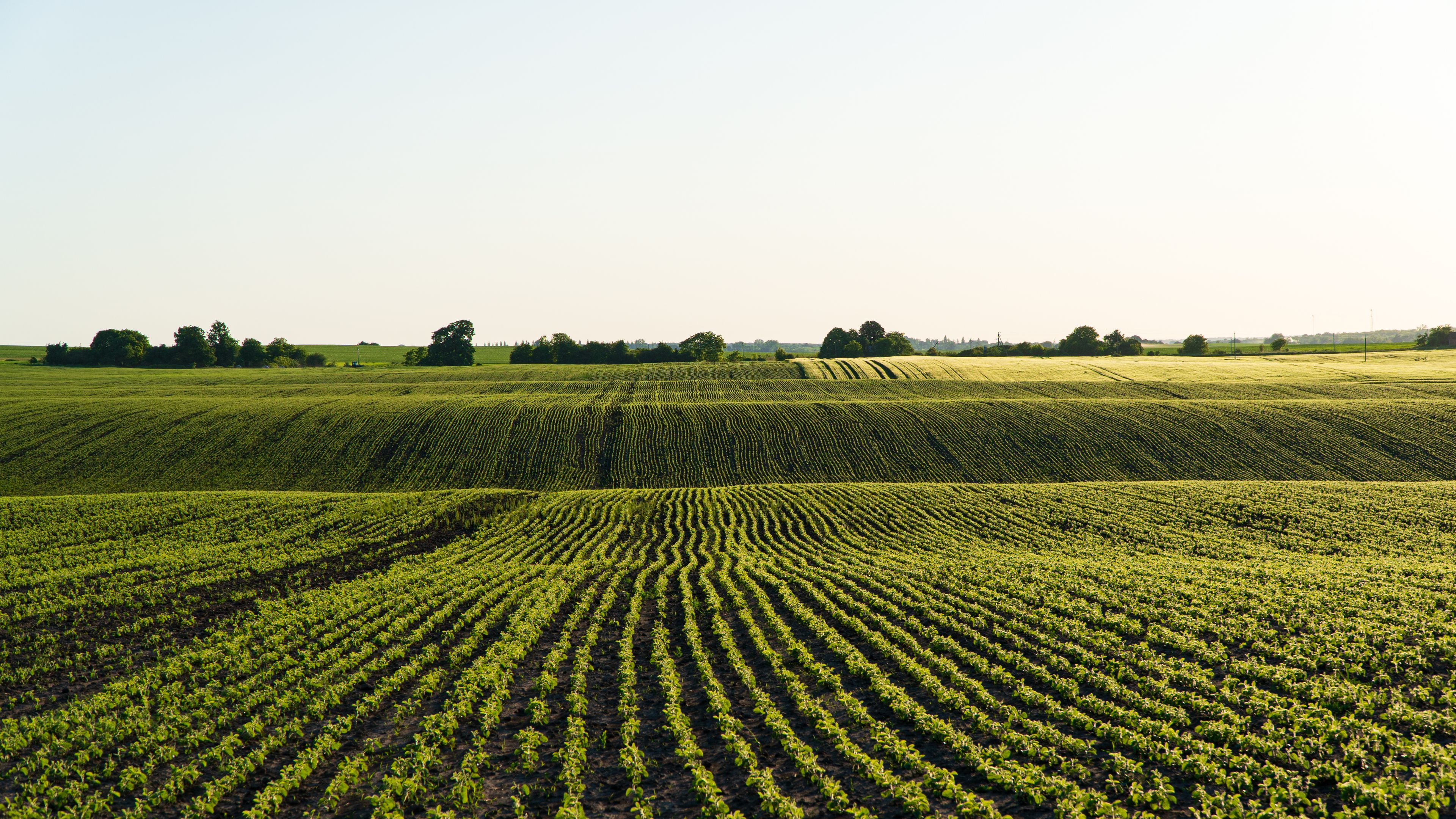
Decades of intense farming have reshaped the planet and placed natural resources at risk. Today, more than one third of the earth’s habitable land and approximately 70% of the planet’s fresh water are used for agricultural activities. The expansion of farmland, especially for growing crops and raising livestock, is a key driver of deforestation, soil degradation, and biodiversity loss. Combined with farming practices that still heavily depend on fossil fuels and a livestock sector that generates significant amounts of greenhouse gases, agriculture substantially contributes to climate change.
At the same time, millions of people worldwide depend on agriculture for their livelihoods. Many producers face declining harvests due to poor soil conditions and changing climate and weather patterns. To meet the demands of a growing global population, healthy ecosystems must be protected by preserving and restoring soil health, natural habitats, and watersheds.
Forestry, land and agriculture emissions
Climate change and increasing weather extremes are putting growing pressure on agricultural supply chains, affecting crop yields, livestock productivity, and long-term production stability. At the same time, agriculture is a significant contributor to greenhouse gas emissions. Forest, Land and Agriculture (FLAG) emissions, which arise from activities such as deforestation, land-use change, fertiliser use and livestock management, account for more than 50% of ALDI’s Scope 3 GHG emissions profile.
Our current approach prioritises partnership-led work and specific initiatives that work towards reducing Scope 3 Forest, Land and Agriculture (FLAG) GHG emissions – those generated across our value chain, outside our direct operations – in selected agricultural supply chains, namely dairy, beef, fruits, vegetables, coffee and cocoa.
Progress therefore relies on collaboration, and we work with suppliers and partners to support the adoption of lower-emission practices and scalable solutions in our selected supply chains. This includes building on existing initiatives, such as our investment in the Arla FarmAhead programme, which supports farmers in adopting innovative approaches to lower GHG emissions, such as methane-reducing solutions for livestock.
Scope 3 (FLAG) emissions
Scope 3 emissions are indirect emissions in our supply chains, which are related to our company’s activities but are generated by external partners, suppliers, and third parties, covering the corporate value chain, including customer emissions. As part of Scope 3, FLAG (Forest, Land and Agriculture) emissions are particularly associated with land-use change (e.g. deforestation), land management emissions (e.g. use of fertilisers), and land-based carbon removals (such as forest restoration, agroforestry, and soil organic carbon sequestration).
Support of regenerative agriculture
Regenerative agriculture represents a practical shift away from conventional industrial models toward approaches that work with nature. Working closely with our suppliers, we are exploring and developing projects to better understand the potential impact of regenerative agriculture practices and how they might be scaled across our dairy supply chains.
- As part of this, we have become a member of the Sustainable Agriculture Initiative (SAI) Platform to strengthen collaboration towards a globally aligned definition and approach to regenerative agriculture through the Regenerating Together Framework. The framework defines regenerative agriculture as “an outcome-based farming approach that protects and improves soil health, biodiversity, and water resources, while supporting farmer livelihoods”. This definition provides SAI Platform members with a common structure and guidance to move beyond conventional farming practices while supporting the restoration and protection of natural resources at scale.
- In addition, we intend to support the co-development of practical solutions that enable system-level change. As a retailer that engages across multiple SAI Platform working groups, ALDI both contributes to and benefits from, established tools and initiatives, such as the Farm Sustainability Assessment (FSA), the Regenerating Together Programme (RTP), and the Sustainable Dairy Partnership (SDP). Through these working groups, we contribute to collaborative efforts designed to support food system transformation.
- We have chosen to align with the SAI Platform framework because it provides consistency across products, and places farmers at the centre of the transition. Farming systems, challenges, and opportunities vary significantly by region, farm type, and operating context. Farmers are therefore best placed to determine which approaches will deliver meaningful and lasting outcomes.
As a retailer, we believe supporting pathways that enhance farm resilience, productivity, and profitability is essential to enabling long-term adoption, which in turn can lead to a more sustainable food system.
Regenerative agriculture
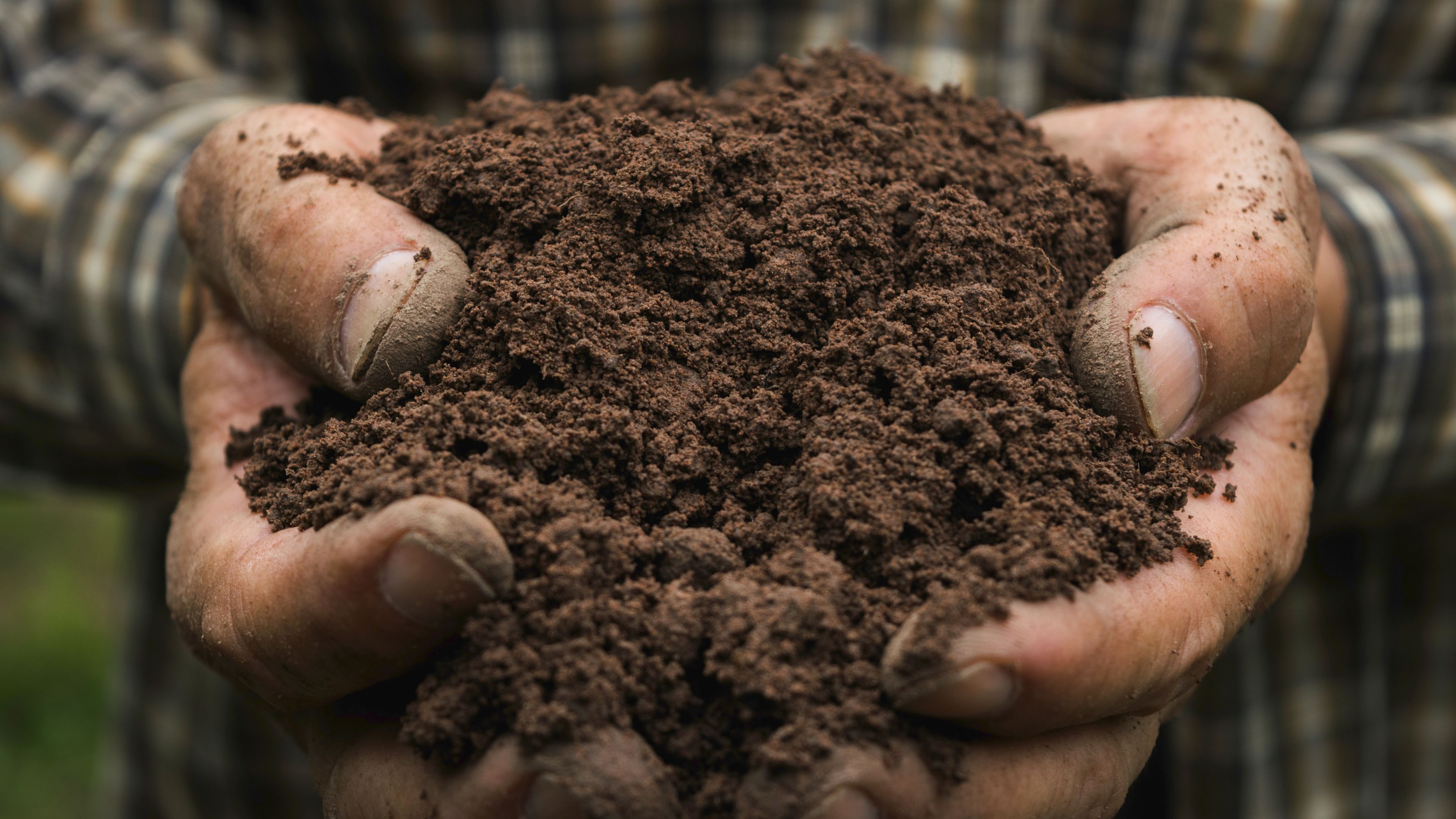
Regenerative agriculture is an outcome-based farming approach that aims to protect and improve soil health, biodiversity, climate and water resources while supporting farming livelihoods. Over the long term, it can strengthen food production resilience to climate change, help stabilise yields and reduce reliance on external inputs, such as pesticides and fertilisers.
As part of ALDI’s sustainability strategy Force for Good, we have established environmental targets. In light of the requirements for future-looking claims under the EU Empowering Consumers for the Green Transition Directive (EmpCo), these targets are currently undergoing an external independent verification process. Information on our environmental targets will be published once this process has been completed.
Nature restoration as a cornerstone of our effort
Nature restoration is a core pillar of our Force for Good sustainability strategy to support systems change in our selected supply chains and help build a sustainable, resilient future for people and the planet. We intend to work closely with our suppliers and partners to develop targeted landscape and watershed initiatives aimed at regenerating vital natural resources.
As a foundation, our sourcing and procurement policies include nature protection criteria aimed at preserving biodiversity, protecting habitats, preventing deforestation, safeguarding water quality, and maintaining soil health. We are using independent third-party certification schemes for our key supply chains, such as Roundtable on Sustainable Palm Oil (RSPO). This means our suppliers must comply with external standards that protect forests and natural ecosystems from conversion.
As member of the UK WRAP Water Roadmap and the Sustainability Initiative Fruit and Vegetables (SIFAV), we address water-related risks and support better water use in agriculture. By focusing on high-risk areas, we seek to strengthen resilience and promote more sustainable land and water management practices. We also aim to enhance our procurement policies to align with evolving developments in recognised initiatives, such as the Alliance for Water Stewardship (AWS).
Initiatives to create impact
We intend to support suppliers with co-financing and implementing a varied range of agriculture practices suited to local conditions, which contribute to enhanced biodiversity.
- One example of this is our participation in the Landwirtschaft der Zukunft (English: Agriculture of the Future) initiative, which sees us partner with roughly 80 dairy and vegetable farms in Austria on land regeneration measures.
- In Germany, we participate in the Für mehr Artenvielfalt (English: For Greater Biodiversity) programme of Naturland, a German association for organic farming. This programme gives Naturland‑certified farms financial assistance to implement biodiversity‑enhancing measures that help create habitats and food sources for birds, insects, soil organisms and other wildlife. Every Naturland‑certified private‑label product sold at ALDI contributes financially to this work.