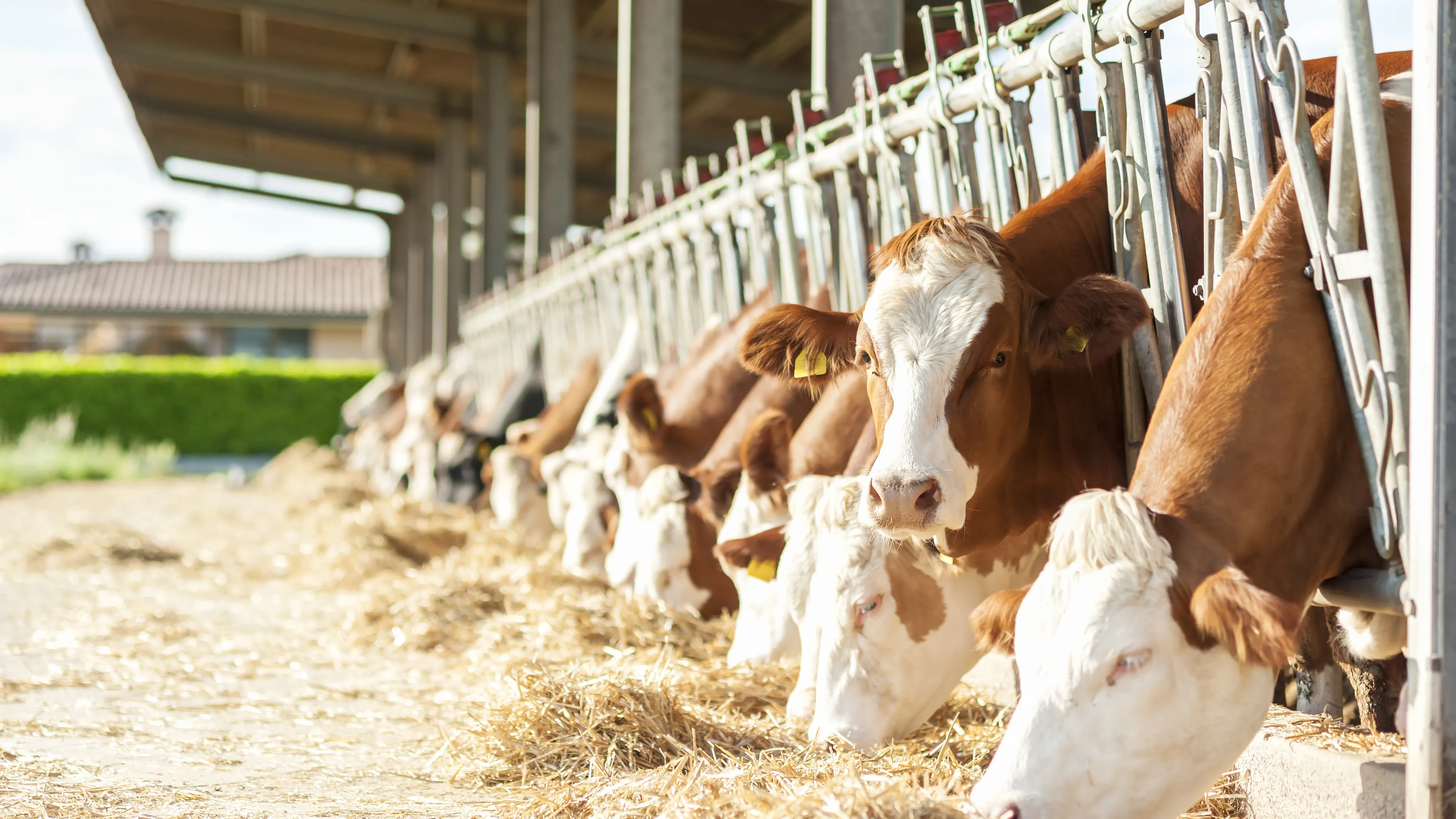
Meat, dairy, and eggs are core to the ALDI SÜD Group’s product range. Good animal welfare supports animal health and can help address key sustainability challenges. Together with our suppliers, we work towards delivering products that meet established animal welfare standards in line with the societal expectations in the countries where we do business.
* Animal Welfare - Our World in Data / ** FAO. 2025. Agricultural production statistics – 2010–2024. FAOSTAT Analytical Briefs, No. 121. Rome. https://doi.org/10.4060/cd8035en / *** Food and Agriculture Organization of the United Nations (2025) / **** Food and Agriculture Organization of the United Nations (2025); Food and Agriculture Organization of the United Nations (2018)
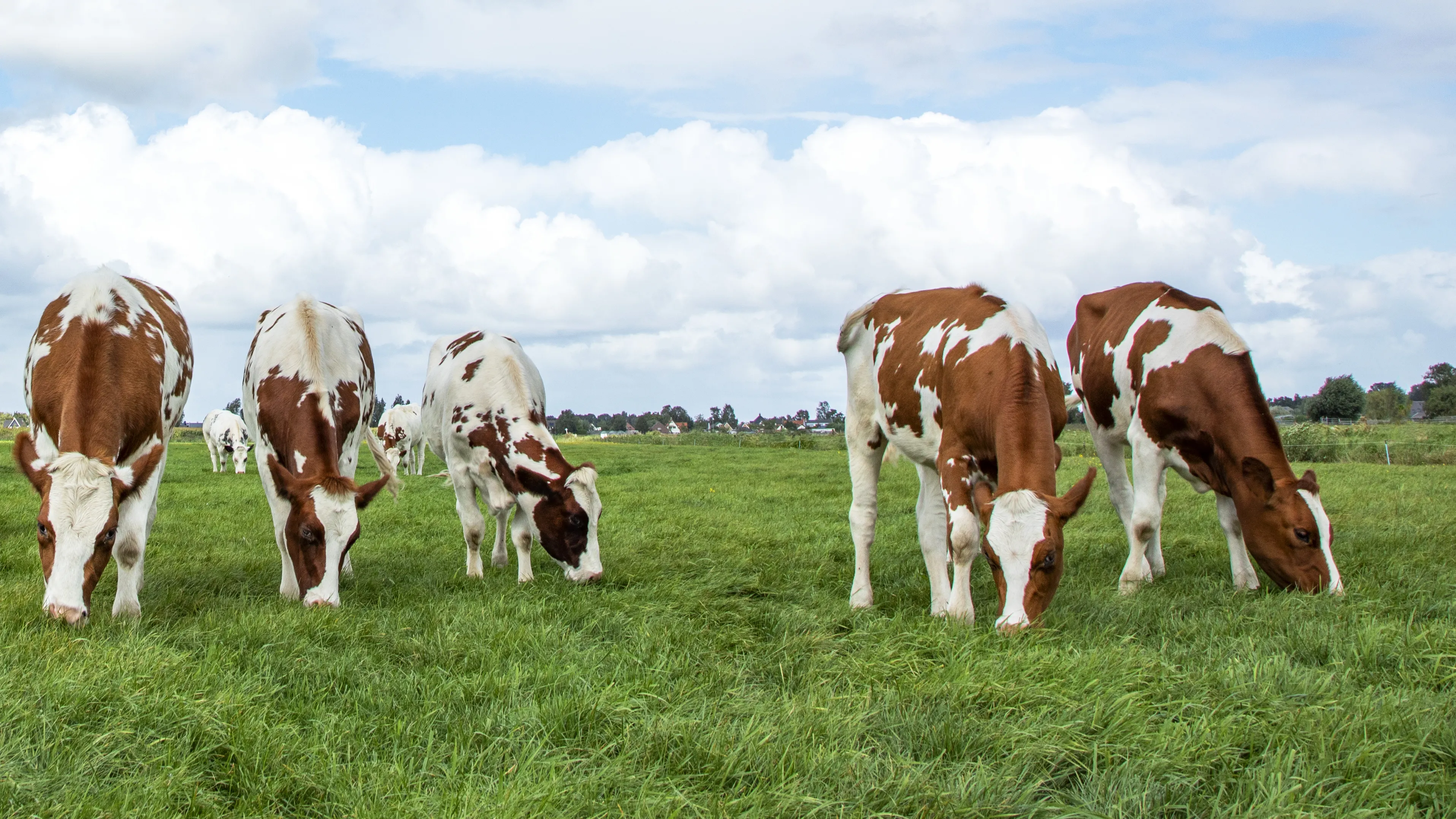
Why animal welfare is important
Food production is closely connected to many of the environmental and social challenges affecting ecosystems and communities worldwide. The global demand and production of livestock products are increasing rapidly. This development has led to the growth of intensive livestock farming systems. While these systems increase the availability of animal‑based foods, they can also create animal welfare challenges, including limited space and movement, higher disease risks, and stress‑related impacts.
Farm animals are sentient beings, meaning they can experience positive and negative feelings such as comfort, pain, fear, and distress. Their welfare is influenced by the conditions in which they are bred, housed and handled. Good animal welfare supports healthier animals and more resilient farming systems. For example, when cows experience heat stress, their health and milk production can be negatively affected, impacting both farmer livelihoods and the availability of dairy products.
At the same time, the increasing livestock production has a significant negative impact on the environment, including air, land, soil, water, and biodiversity. Adopting alternative proteins, e.g. plant-based, can substantially reduce the need for intensive farming practices and a shift towards a more plant-based diet that, as indicated by scientific studies, can help reduce environmental impact over time.
Together with our suppliers and partners, we work to advance animal welfare practices in line with recognised standards and the societal expectations across the many markets in which we do business.
Animal welfare
Animal welfare refers to the physical and mental wellbeing of an animal. Following Mellor’s Five Provisions model, animal welfare encompasses Good Nutrition (1), Good Environment (2), Good Health (3), Appropriate Behaviour (4), and Positive Mental Experiences (5). Together, these provisions recognise that animal welfare is determined not only by the absence or minimisation of negative states, but also by the presence of opportunities for positive experiences.
The welfare of domestic and farmed animals depends heavily on how they are managed and cared for by people and can be influenced by factors such as housing and bedding, space and stocking density, transport conditions, stunning and slaughter methods, and mutilating procedures. Good animal welfare practices not only reduce unnecessary suffering but also provide opportunities for positive experiences.
Sourcing standards towards animal welfare
Together with our suppliers and partners, we work to advance animal welfare practices in line with recognised standards and the societal expectations across the many markets in which we do business.
- Ensuring that none of our products contain raw materials derived from exotic or endangered animal species.
- Prohibiting suppliers from live-plucking and force-feeding ducks and geese; we do not produce or sell foie gras or meat from birds reared for foie gras.
- Ensuring that our health and beauty products, detergents, and cleaners are free from animal testing, even where this is not required by law.
- Excluding products containing angora wool or real fur and prohibiting mulesing in merino wool production.
Certification as an important tool
We support recognised animal welfare certifications and labels for products containing animal-derived ingredients. These schemes enhance sourcing transparency and help consumers make informed choices by providing credible information on animal welfare. As certification requirements differ between markets, ALDI works with a range of recognised national and international standards, for example:
- All of ALDI UK’s organic and free-range eggs and free-range chicken are certified under the Royal Society for the Prevention of Cruelty to Animals (RSPCA) Assured scheme, an independent animal‑welfare certification that sets science-based welfare standards that exceed legal minimums for farmed animals from birth to slaughter.
- In 2024, ALDI Australia offered a whole fresh turkey certified to the RSPCA Approved standard for the first time. On certified farms, turkeys are raised in enriched barns that support their behavioural and physical needs. All of ALDI Australia’s private label fresh and frozen chicken are either RSPCA Approved (Indoor or Outdoor systems) or Free-Range Egg and Poultry Australia (FREPA) certified.
- At ALDI UK all private label cosmetics, toiletries, and household products are cruelty free certified by leading animal protection organisation Cruelty Free International. This certification guarantees consumers that no new animal tests were used in the development of any product.
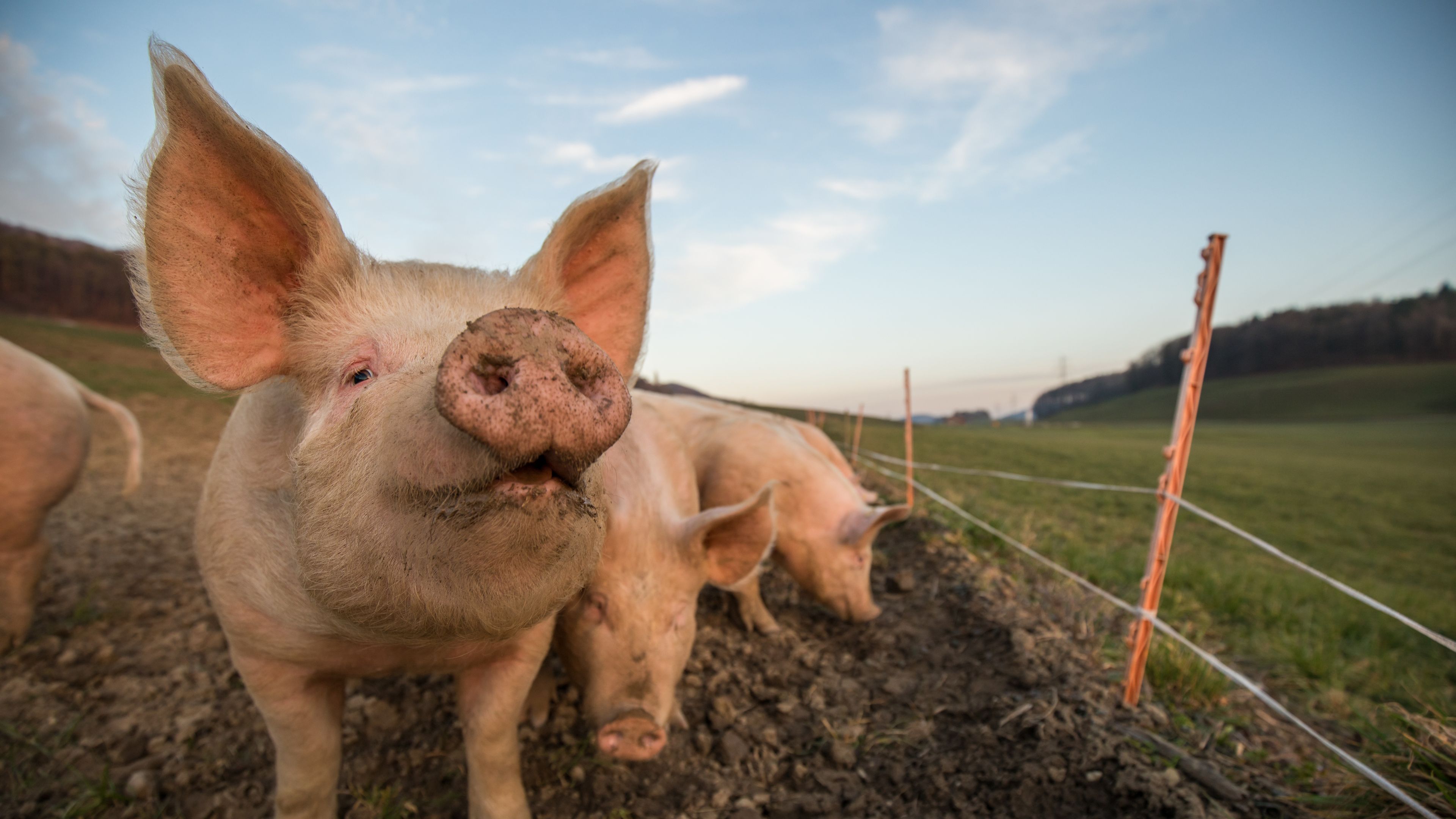
Transparency for selected products
In some of our national marketplaces, we provide digital tools that enable customers to access additional information about the origin and journey of selected product groups as well as aspects of their sourcing. To enhance transparency, ALDI SÜD Germany offers the ALDI Transparency Code (ATC) platform for meat, fish and eggs.
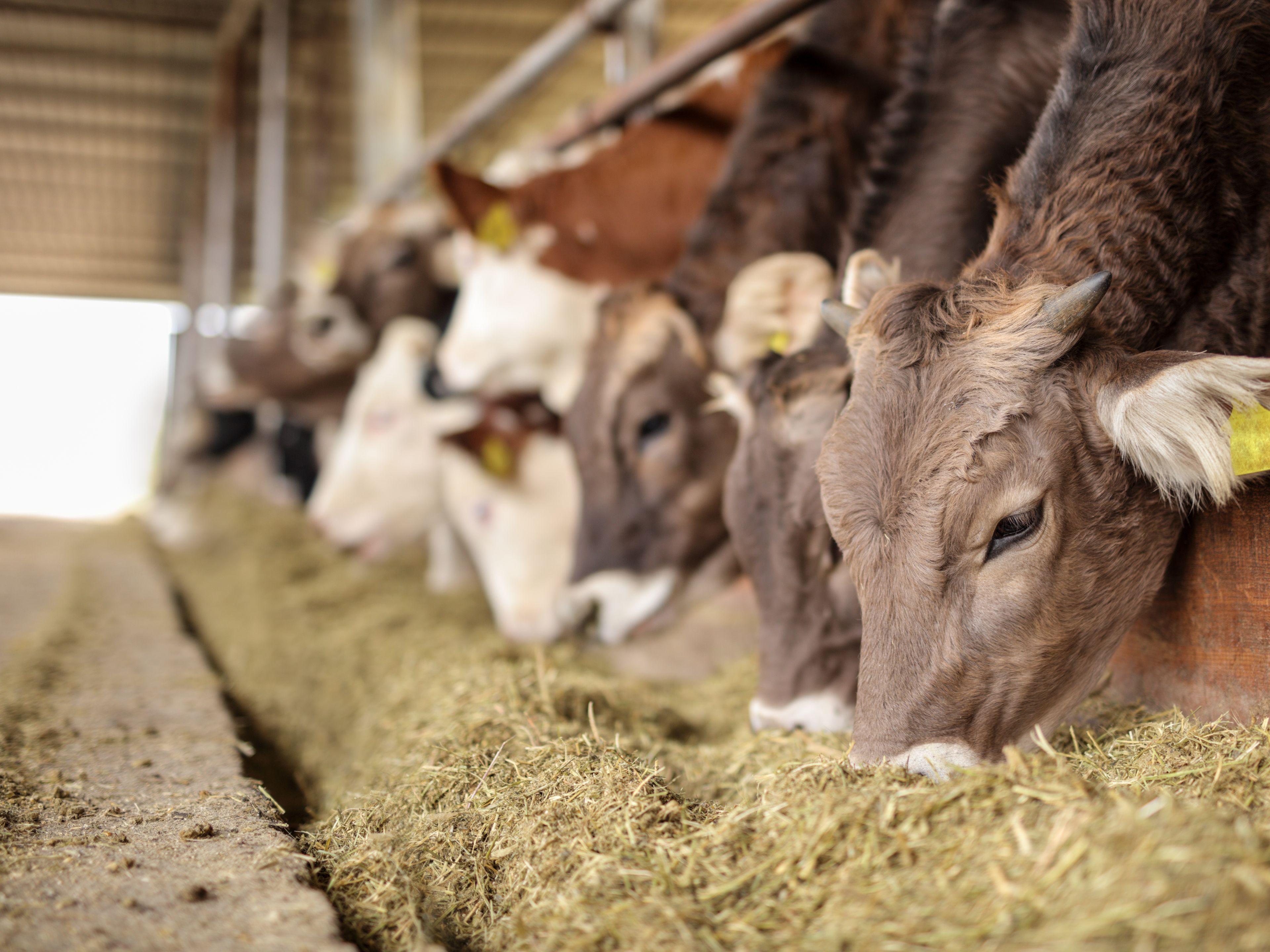
Animal Welfare in Practice “#Haltungswechsel”
ALDI SÜD Germany has become a driving force, pioneering improved animal husbandry within the country. They use the “Haltungsform” labelling system, a voluntary cross-sectoral guide indicating the conditions under which animals are raised. The “Haltungsform” is a five-stage rating system classifying husbandry types from minimum (level 1) to organic (level 5) conditions. Within its approach, ALDI SÜD Germany aims to transition to higher animal welfare standards in collaboration with our suppliers.
By the end of 2030 – except for international specialties – beef, pork, chicken and turkey private label products in the fresh meat as well as in the chilled sausage range should originate from “Haltungsform” levels 3, 4 and 5. For the private label drinking milk, ALDI SÜD Germany has already achieved this transition: 100% of the private label drinking milk has been converted to “Haltungsform” levels 3, 4 and 5. Today, already 60% of fresh meat sales and 40% of chilled sausage sales come from husbandry levels 3, 4 and 5 (based on sales for ALDI SÜD Germany).
In addition, the fresh meat shelves have been reorganised from an animal-species-based layout to one sorted by Haltungsform Level, helping customers identify and choose products from higher welfare standards more easily.
Welfare advancement for laying hens and broiler chickens
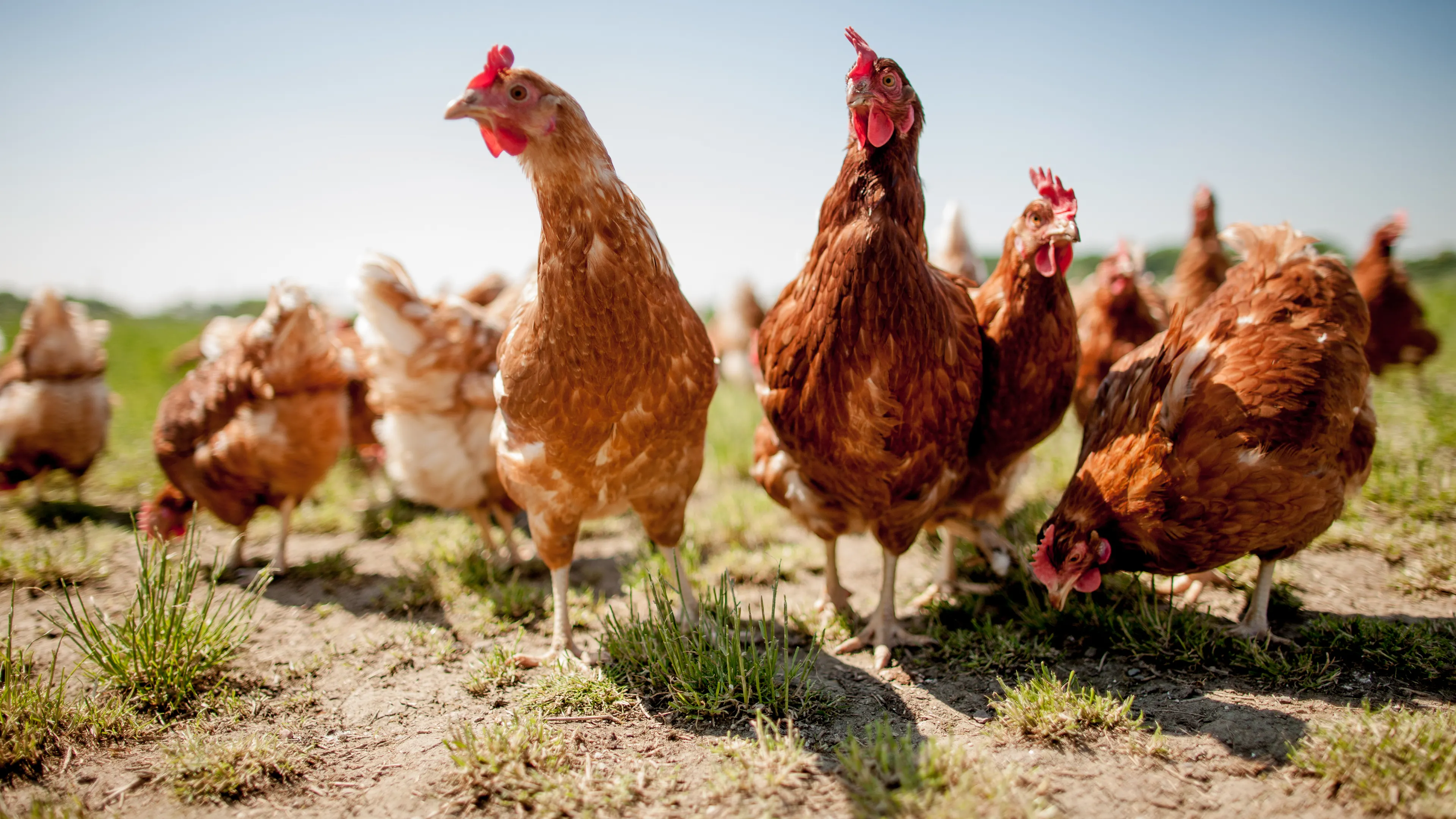
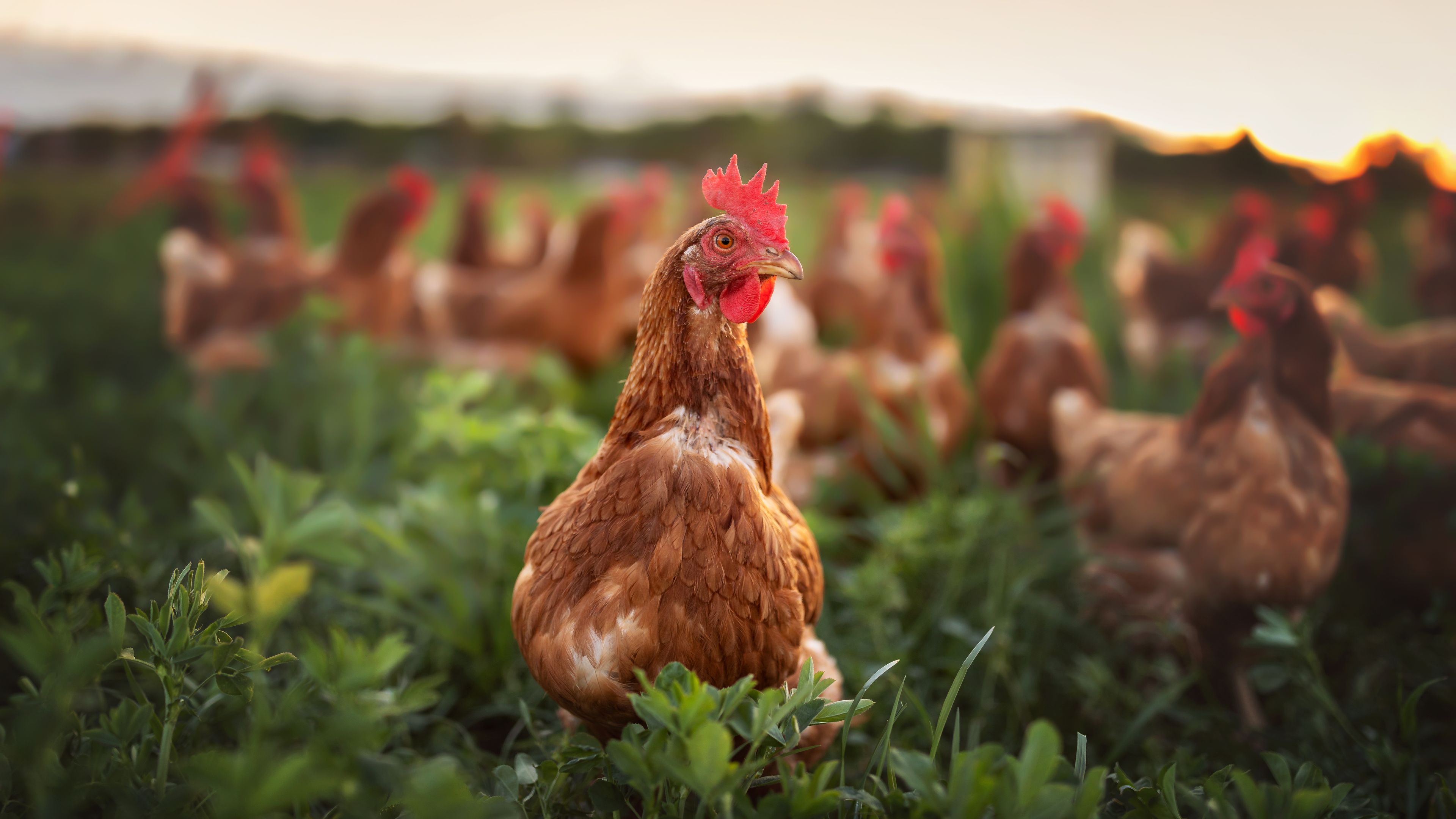
Most of the 8 billion egg-laying hens worldwide are kept in cages, making the welfare of laying hens a critical global issue for nearly four decades. The transition to cage-free systems remains a significant challenge across the industry as it requires substantial investments in housing systems, farm infrastructure and management practices. However, cage-free systems can provide hens with greater freedom of movement and more opportunities to express natural behaviours, such as perching, nesting and scratching.
ALDI markets in Germany, Austria, Switzerland, Italy, Slovenia and the UK source only cage-free shell eggs, ensuring hens can move freely within barn environments. In many cases, hens also have regular access to outdoor areas, with ALDI UK already sourcing 100% of its private label shell eggs from such free-range systems. Across other ALDI markets, approaches to egg sourcing are shaped byconsiderable variance in regulatory rigor, supply chain availability, and consumer demand. These markets continue to assess opportunities to further enhance animal welfare standards for laying hens.
To improve broiler welfare, we take a market-specific approach to address key welfare challenges relevant to local conditions and production systems.
- In 2020, ALDI SÜD Germany joined the European Chicken Commitment (ECC), a voluntary commitment for broiler welfare, initiated by European animal welfare organisations, such as the Albert Schweitzer Stiftung für unsere Mitwelt that is leading the European food industry toward higher welfare practices by addressing breeding, housing, stocking density, and slaughter systems.
- Alongside such broader welfare frameworks, individual markets are implementing targeted measures. In the UK, all fresh primary chicken is sourced from farms that provide birds with around 20% more space than the Red Tractor baseline, the largest food standards scheme in the UK, covering animal welfare, food safety, traceability and environmental protection. . In addition, birds are provided with perch space, manipulable materials and pecking objects, as well as access to natural lighting, which helps birds to better express their natural behaviours (e.g. scratching, foraging).
- HOFER Austria has introduced slower-growing, more robust breeds for various chicken products for it private-label brand “FairHOF” in 2023. These breeds grow at a more natural pace, remain more mobile as they gain weight, and are less prone to health problems. The range includes for example: FairHOF corn-fed chicken, FairHOF chicken thighs and FairHOF chicken wings.
Dairy & Beef
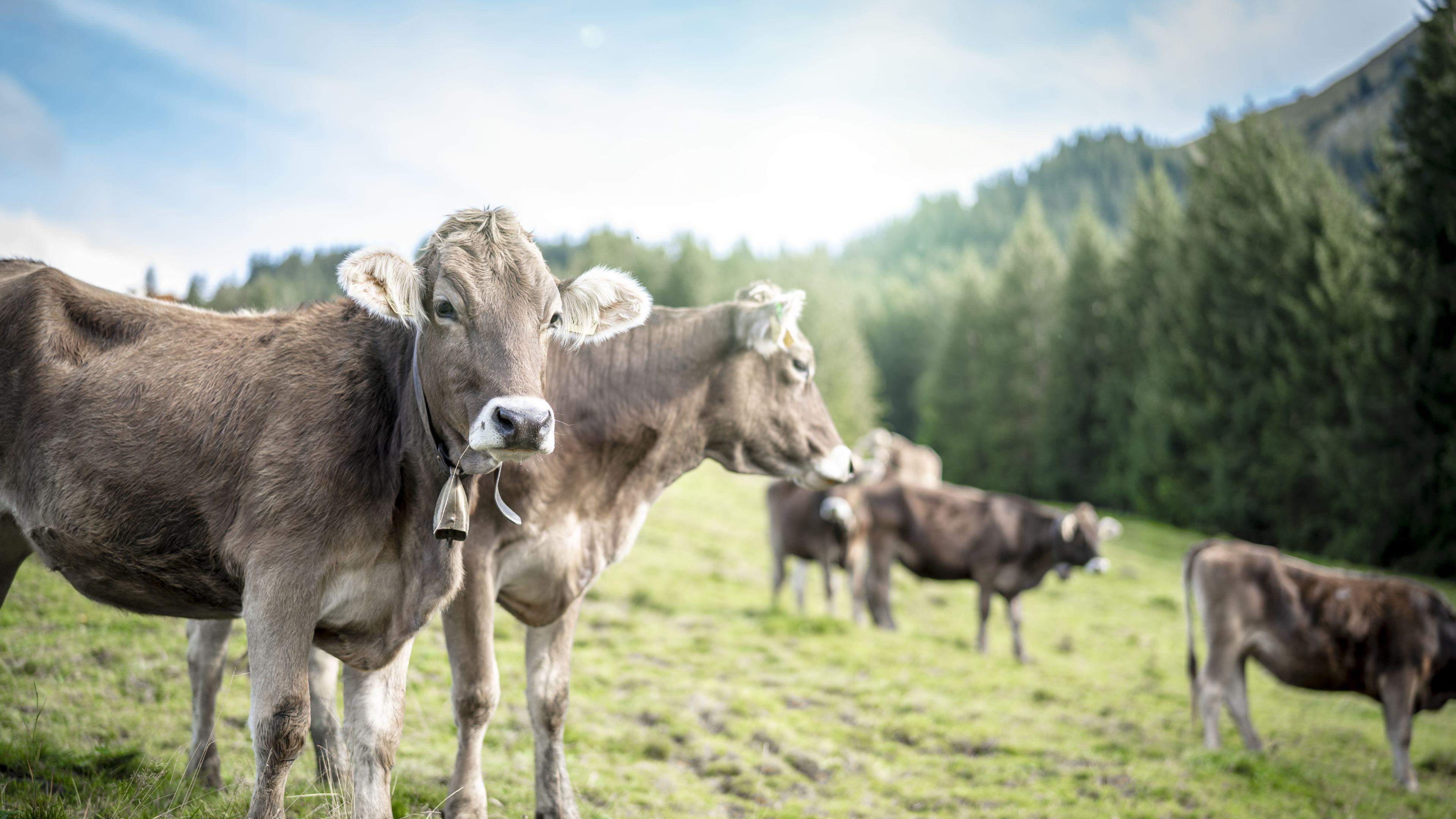
Besides our animal welfare initiatives, we work with selected suppliers and industry partners to support the transformation of livestock production through a comprehensive approach that includes advancing regenerative agriculture and reducing greenhouse gas emissions. Through targeted financial co-investments, ALDI aims to provide farmers with the funding needed to invest in more sustainable production systems.
Fish & Seafood
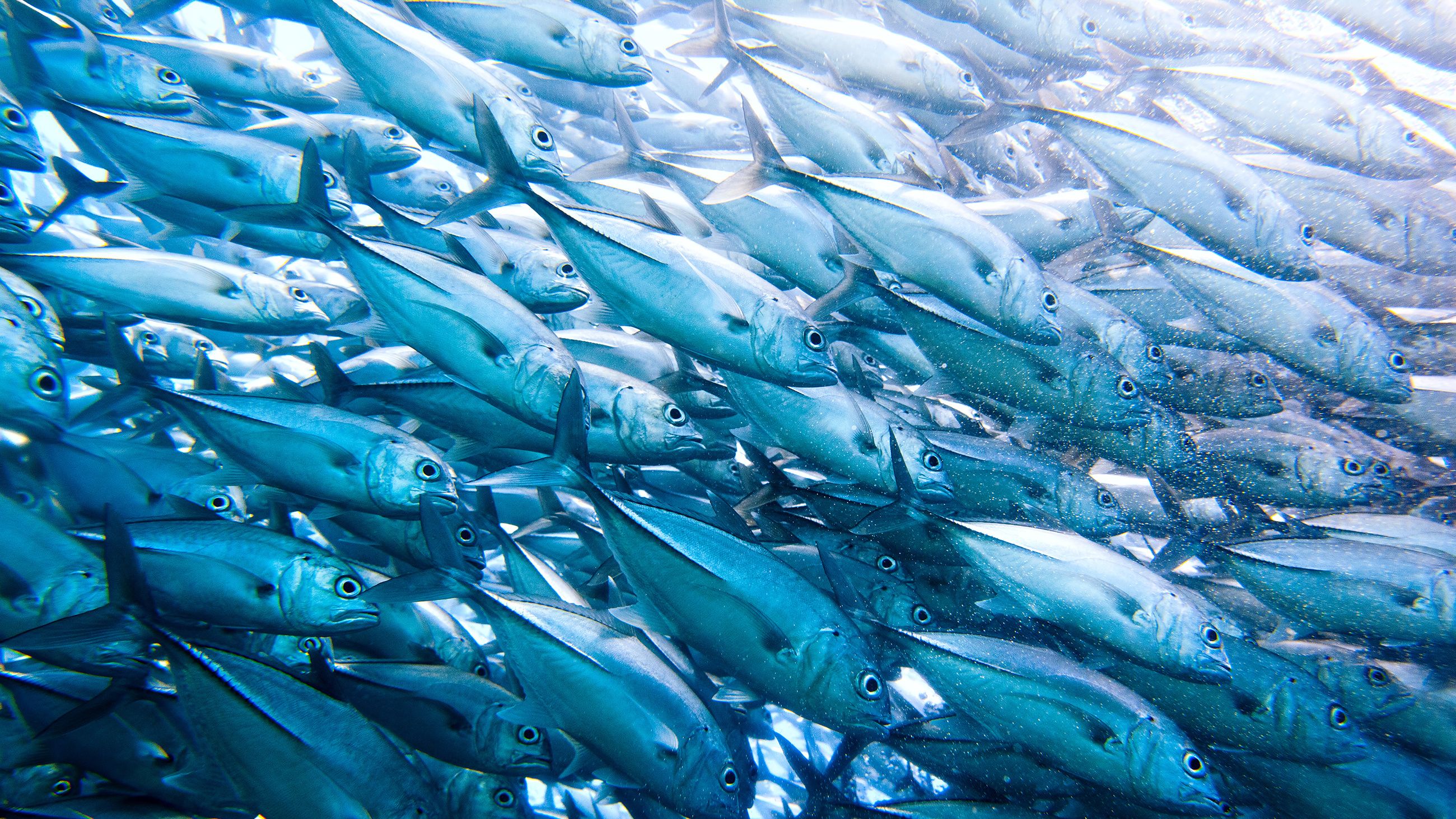
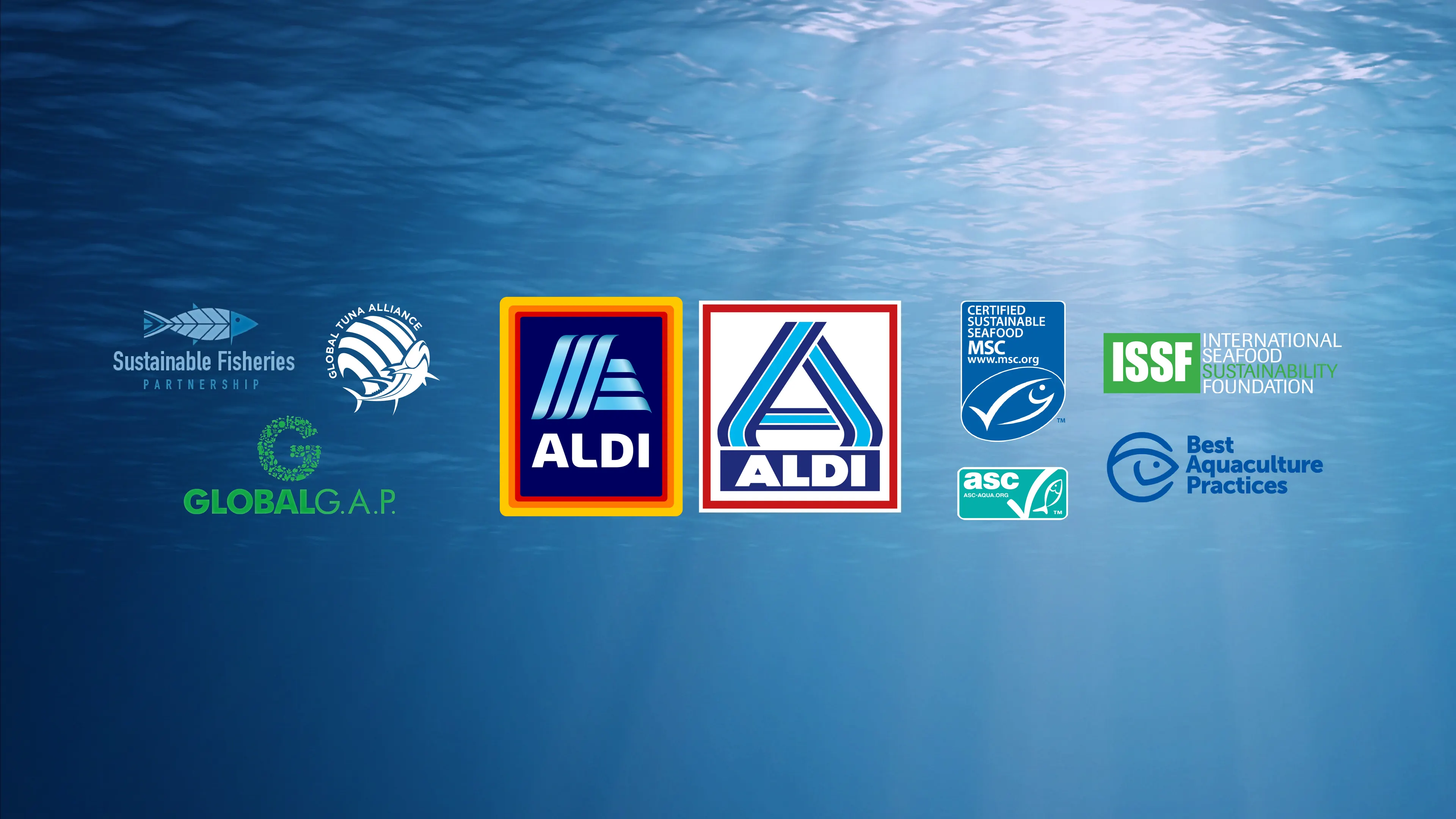
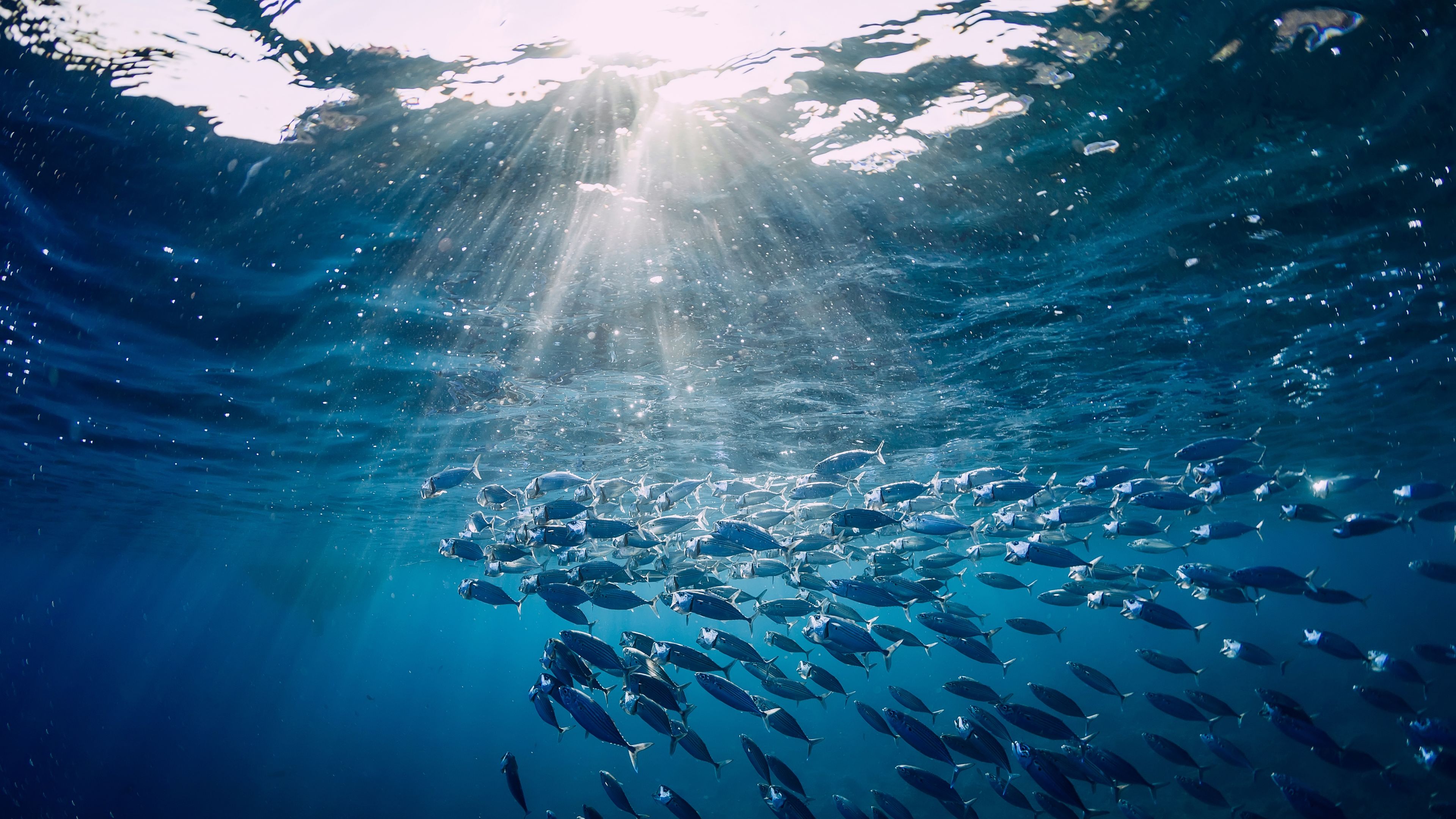
The ALDI SÜD Group’s fish and seafood strategy integrates independent scientific advice, recognised benchmarked certification schemes, and targeted fishery and aquaculture initiatives to support the long-term resilience of global seafood supply chains. Through these coordinated efforts, we seek to help promote responsible practices and increased transparency in collaboration with the fishery and aquaculture sector.
Collaboration and engagement for animal welfare
Partnerships in collaborative initiatives and engagement with relevant stakeholders across political, economic and social sectors is vital to addressing systemic challenges and helping advance sector-wide solutions for better animal welfare.
- We participate in recognised platforms that bring stakeholders together to share knowledge and support progress on animal welfare. These include international frameworks such as the Dairy Sustainability Framework and market-specific initiatives like the Initiative Tierwohl in Germany.
- In addition, we regularly engage in constructive discussions on various animal welfare topics with animal welfare organisations such as Compassion in Word Farming (CIWF).