ALDI is an international discount retailer with global supply chains. We recognise our responsibility to respect human rights and supporting livelihoods throughout our sourcing activities. We fulfil this through a global due diligence approach, complemented by initiatives that seek to improve the lives of farmers and communities in key supply chains.
Respecting human rights
Respecting human rights is a universal standard and the responsibility of all businesses, as outlined in the UN Guiding Principles on Business and Human Rights. As an international retailer with complex supply chains, the ALDI SÜD Group is committed to respecting human rights across all our operations and sourcing activities and seeking to uphold fair and ethical practices throughout our supply chains.
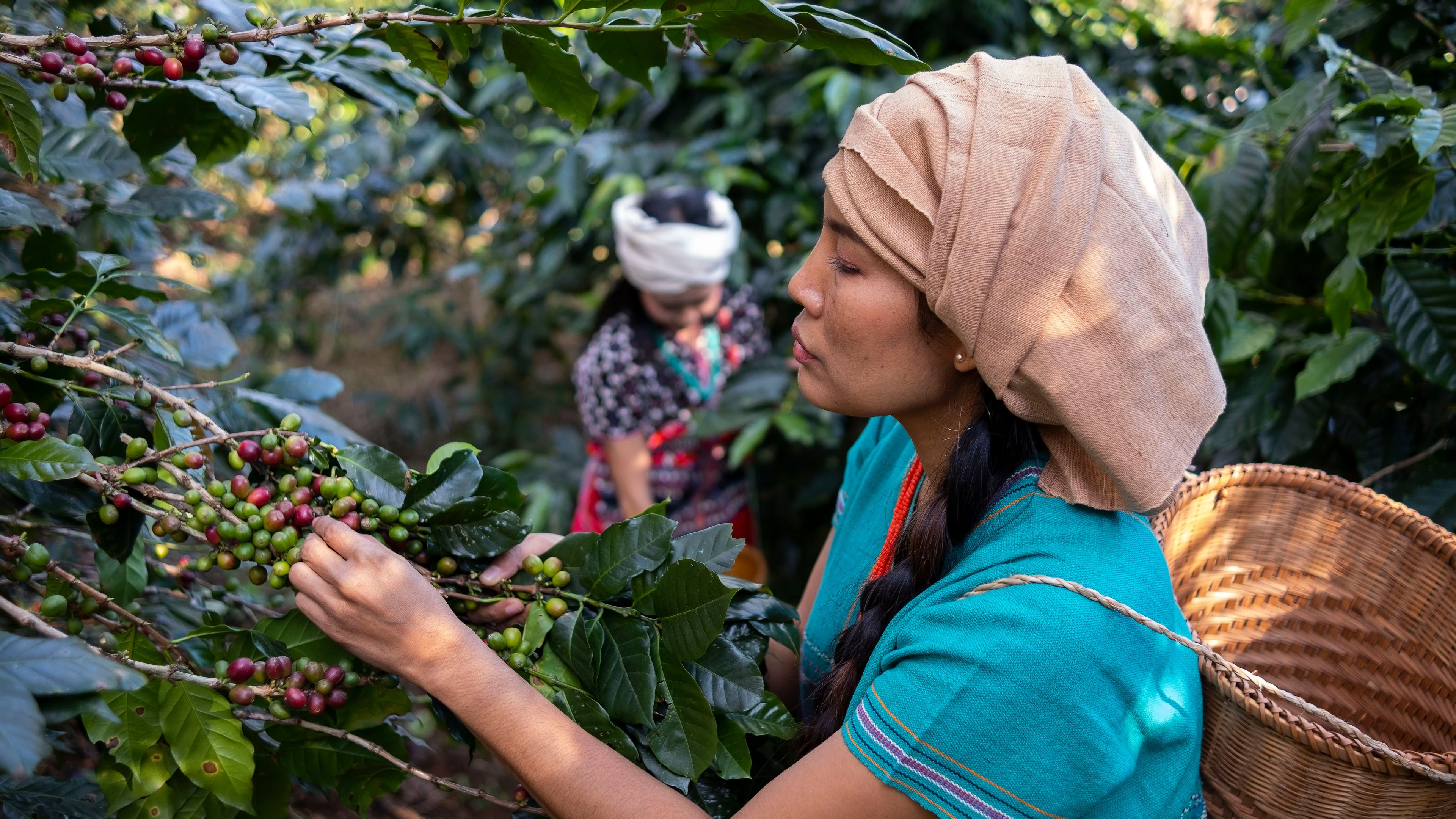
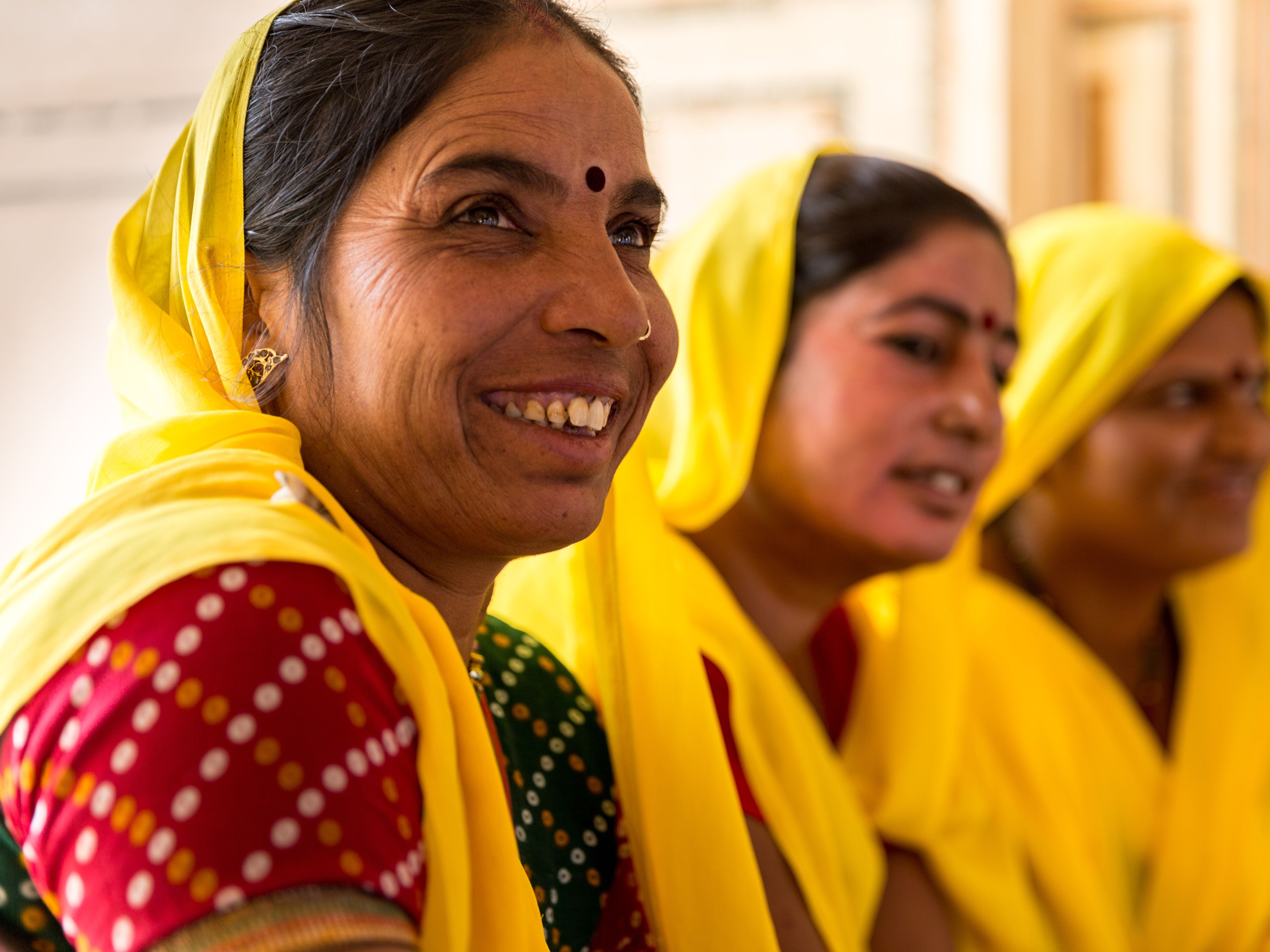
Our policies and commitments on human rights
Our due diligence approach is designed to identify, assess, prevent and mitigate human rights and environmental risks across our operations and supply chains, while supporting compliance with applicable due diligence legislation.
The ALDI SÜD Group has developed a comprehensive due diligence approach that governs all policies, requirements, and processes related to human rights and environmental stewardship across our supply chains. Our Human Rights and Environmental Due Diligence Policy describes our overall approach to due diligence and how we address our salient human rights and environmental risks. It was developed in alignment with internationally recognised standards, including the UN Guiding Principles on Business and Human Rights, the OECD Due Diligence Guidance for Responsible Business Conduct, and core International Labour Organization (ILO) conventions.
Additional requirements and commitments are set out in dedicated policies, including:
- Our Child Labour Policy outlines our commitment and requirements concerning the prevention of child labour, as well as the remediation of any findings.
- Our International Policy on Forced Labour underlines ALDI’s stance that any forms of servitude or slavery, or forced, bonded, indentured, trafficked, or non-voluntary labour are unacceptable.
Mitigation of supply chain risks
The ALDI Business Partner Sustainability Standards define our minimum sustainability requirements for all suppliers within our supply chains. These social and environmental standards address core human rights concerns including forced labour, child labour, and discrimination, alongside requirements for environmental stewardship, freedom of association, and occupational health and safety.
One example is our Corporate Responsibility Supplier Evaluation (CRSE) programme, which is implemented in priority supply chains, including textiles and footwear, fresh produce, and fish and seafood. The programme helps us prioritise suppliers with strong sustainability management systems and encourages continuous improvement.
Our Supply Chain Monitoring teams, based in Hong Kong SAR China, Austria, and Bangladesh, oversee supplier and production site compliance with ALDI’s sustainability standards through ongoing ALDI Sustainability Assessments (ASAs) and the review of recognised third-party audit results throughout the year. These teams also support suppliers in strengthening their management of human rights and environmental risks.
We are committed to providing accessible channels through which concerns relating to human rights, compliance, or ethical conduct can be raised safely and appropriately. Stakeholders can access grievance channels available in our national markets, including:
In addition to contacting our Counsel of Trust, employees and business partners may also reach out directly to the Internal Compliance Department for reporting (potential) violations: investigation@aldi-sued.com
Enhancement of supply chain traceability
Traceability is a cornerstone of our sustainability strategy Force for Good and supports our efforts to identify risks, strengthen transparency, and implement effective due diligence measures. Understanding where products and raw materials originate enables us to better assess potential human rights and environmental risks and work with business partners to address them.
We continue to collaborate with suppliers and other stakeholders to improve traceability within our supply chains and increase visibility beyond direct sourcing relationships.
Use of certification schemes
Certification schemes are an important tool within our broader due diligence framework. They help us to cascade our requirements throughout our supply chains.
Alongside the use of recognised certification standards, we engage with certification bodies and sector initiatives to strengthen standards and contribute to improvements for workers, farmers, and communities.
Projects for improved livelihoods
In line with our commitment to make a good life affordable, we are implementing and supporting initiatives that aim to improve the livelihoods of farmers and communities in key supply chains.
These include:
- Supporting living income initiatives in supply chains for cocoa, coffee, fruits & vegetables, dairy, and beef.
- Co-funding and implementing financial empowerment and capacity-building programmes for cocoa and coffee farmers.
- Co-financing regenerative agriculture practices to help farmers improve their faming systems.
- Co-investing in initiatives and establishing partnerships in access to safe water, sanitation and hygiene (WASH) for workers and communities in selected supply chains.
Collaboration and advocacy to drive change
Many human rights challenges in supply chains – including wages below legal minimums – are systemic and cannot be solved by individual companies acting alone. Addressing these issues requires collaboration across industries, sectors, and geographies. Our approach focuses on industry collaboration, participation in multi-stakeholder initiatives, and ongoing consultation with affected stakeholders. We commit to acting in good faith, as well as being an effective and informed partner throughout the due diligence process to promote transparent and responsible supply chains.
We support the establishment of robust, effective and legally binding human rights and environmental due diligence legislation on both national and international levels, in alignment with the UN Guiding Principles, thus creating a level playing field and making human rights along supply chains non-negotiable.
ALDI has publicly supported the introduction of the EU Corporate Sustainability Due Diligence Directive (CSDDD) and continues to engage constructively in policy discussions relating to its implementation. We plan to continue engaging with policymakers and partners on this path towards a level playing field for human rights due diligence across our markets.

We collaborate with:
- Multi-stakeholder initiatives such as the UN Global Compact to support advocacy for and implementation of responsible business practices and sustainable sourcing.
- The Centre for Child Rights and Business (The Centre) to support in the prevention and remediation of child labour.
- Multi-stakeholder worker voice and grievance channels such as the Issara Institute and Appellando, to help strengthen workers' access to grievance mechanisms and remedy.
- Third-party social audit partners such as Sedex and amfori, whose auditing standards we use to verify working conditions in production facilities.
Find out more about our policies, initiatives, and projects for human rights.