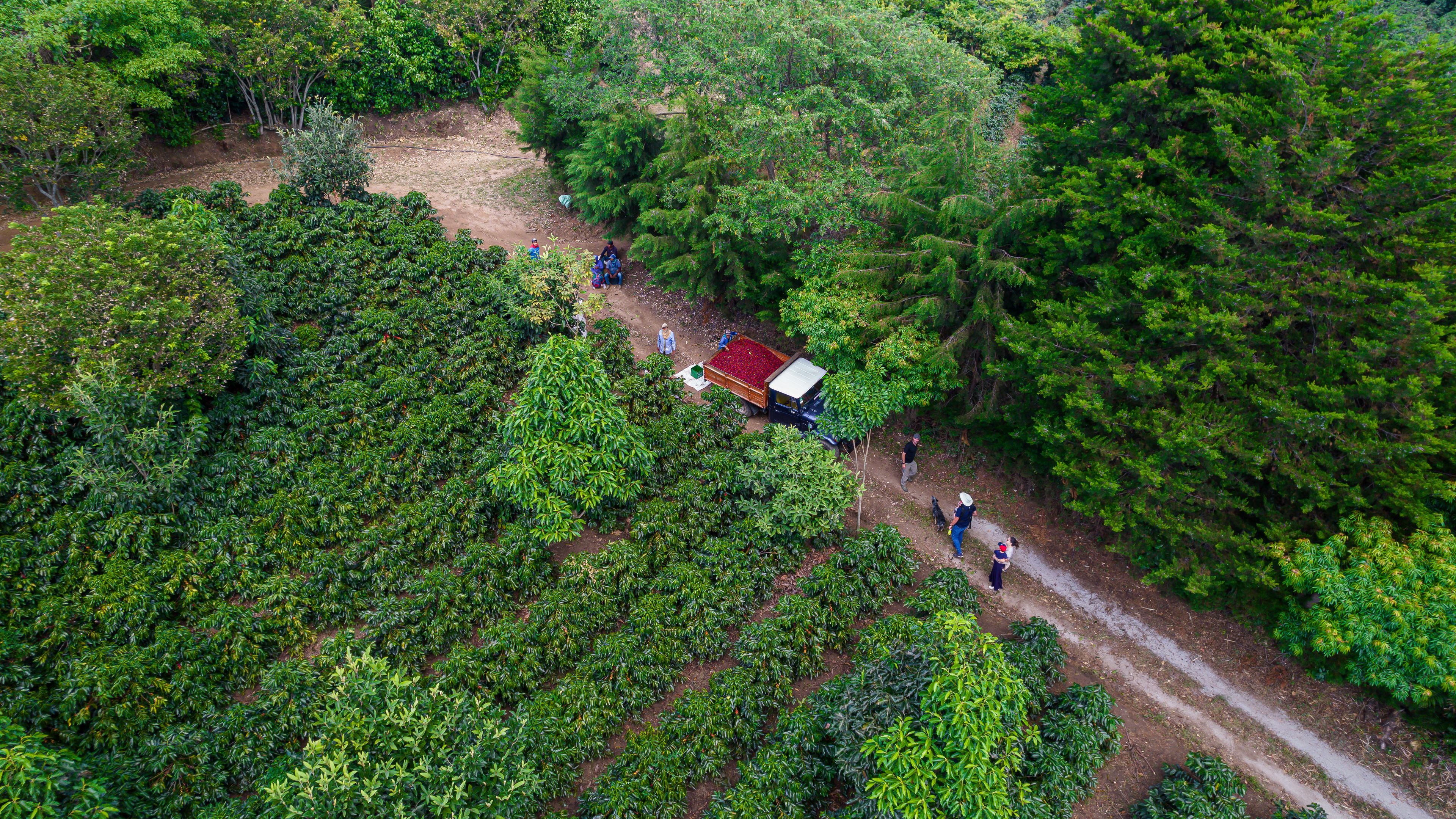
The ALDI SÜD Group collaborated with ofi (Olam Food Ingredients) on a four-year project to reduce the living income gap for around 1,000 coffee producers in Honduras. Key measures included enhancing market access, providing tailored training to increase yields and product quality, and supporting farmers in achieving Rainforest Alliance certification.
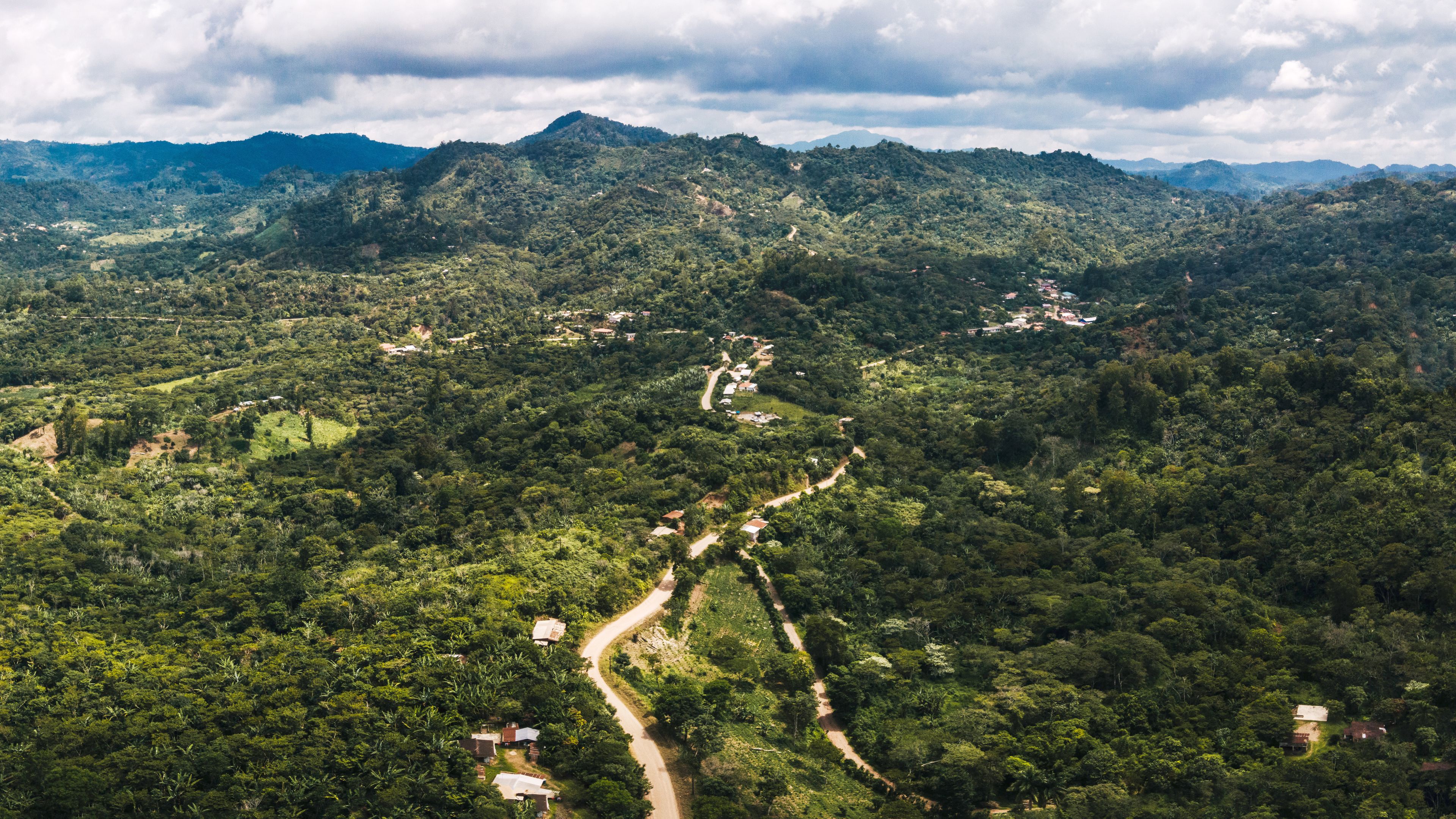
Honduras is the world's eighth largest coffee exporter, with around 10% of its population employed in the coffee industry. Despite the growth in coffee export values, rural poverty remains high and the majority of Honduran smallholder coffee farmers struggle to earn a living income. They often have limited access to larger or international markets, which forces them to accept unfavourable terms and sell their coffee at lower prices to intermediaries, reducing their overall earnings.
In 2021, the ALDI SÜD Group started a four-year project with the global food supplier ofi (Olam Food Ingredients) to reduce the living income gap for coffee farmers in the regions of Comayagua and Santa Barbara. The insights gained from this initiative will help us refine future programmes to local needs.
Supporting coffee farmers amid climate risks
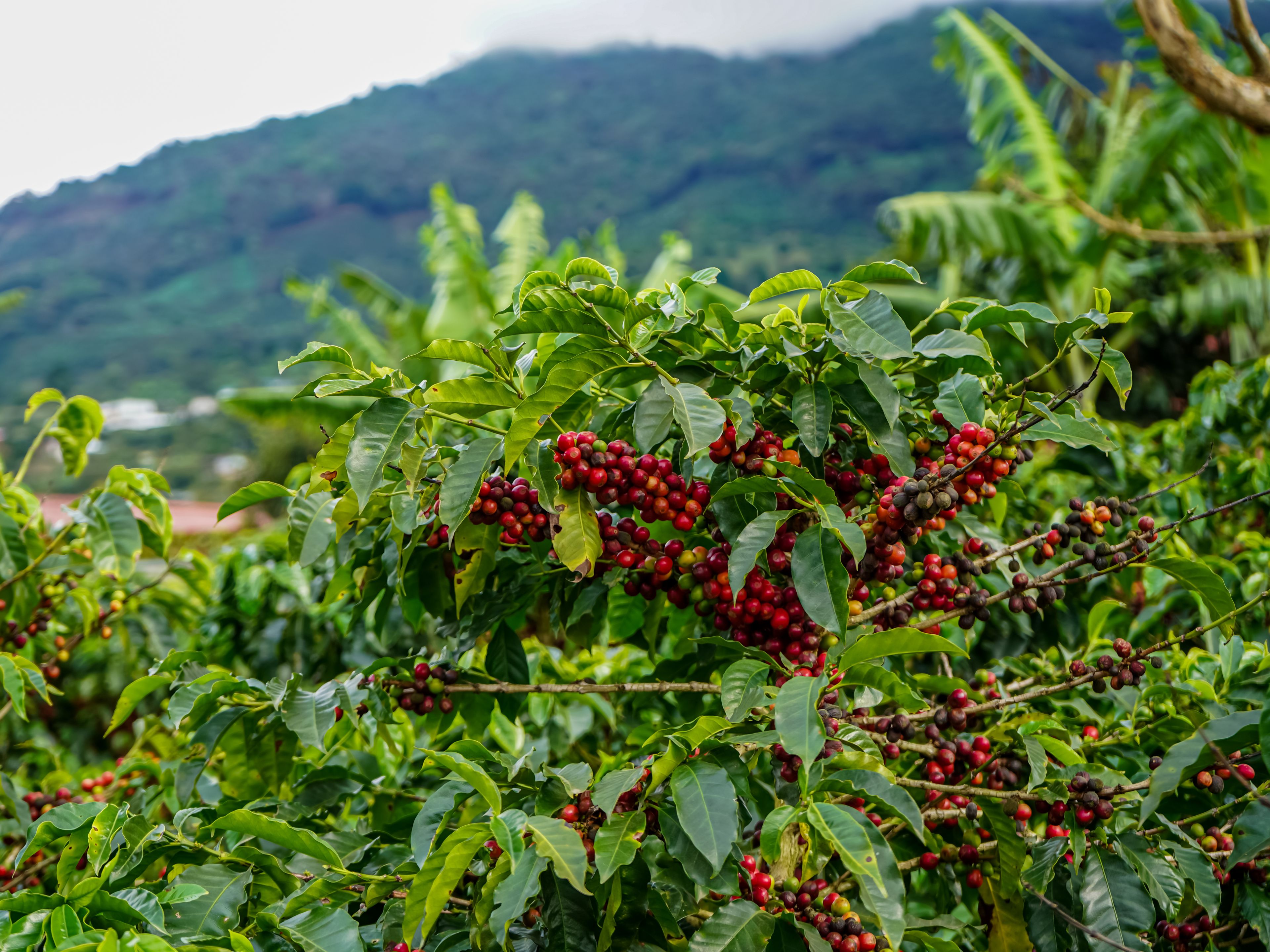
Coffee is primarily cultivated on smallholder farms. Many of these farmers live below the poverty line. They often have limited access to training and resources, while their crops are exposed to risks such as pests, diseases, soil degradation, and water stress.
Declining yields and price volatility can increase pressure on farmers, in some cases contributing to the expansion of agricultural land into forested areas. This can lead to further environmental challenges, including deforestation and biodiversity loss.
To help bolster the resilience of the coffee supply chain, we are committed to a set of actions to address sustainability challenges. These include enhancing transparency and sourcing practices, co-investing in on-farm initiatives, and engaging in policy dialogue to support enabling frameworks.
Find out more about our actions and projects to support responsible coffee sourcing.
The importance of making a Living Income
Living Income describes the income required for all members of a household to afford a decent standard of living. This includes, for example, food, water, housing, education, healthcare, transport and clothing. It is calculated in context of the economic circumstances in countries and can vary between regions. The income of coffee smallholder farmers in Honduras is often below the national poverty line. It does not provide enough money to cover their basic needs or the cost of production.
One of the main aims of our project was to identify measures that could help improve the financial stability of local coffee communities. In 2021, primary data from 781 farmers was used to estimate their Living Income and its gap against the national benchmark. The Living Income Benchmark is a figure from external publication, aligned with the Ankers Institute. At that time, only 35% were above the living income benchmark. A second assessment in 2025 indicated that overall living incomes had improved since then. By the end of the four-year project, 54% of farmers were found to be above the living income benchmark — a 19% increase on 2021.
Key programme initiatives
Various measures have been implemented to enhance financial stability and climate resilience. Tailored support has been offered to farmers of different backgrounds and plot sizes, with a focus on increasing productivity and introducing sustainable agricultural practices. The following initiatives were implemented to support farmers in improving productivity, market access and agricultural practices.
Direct market access
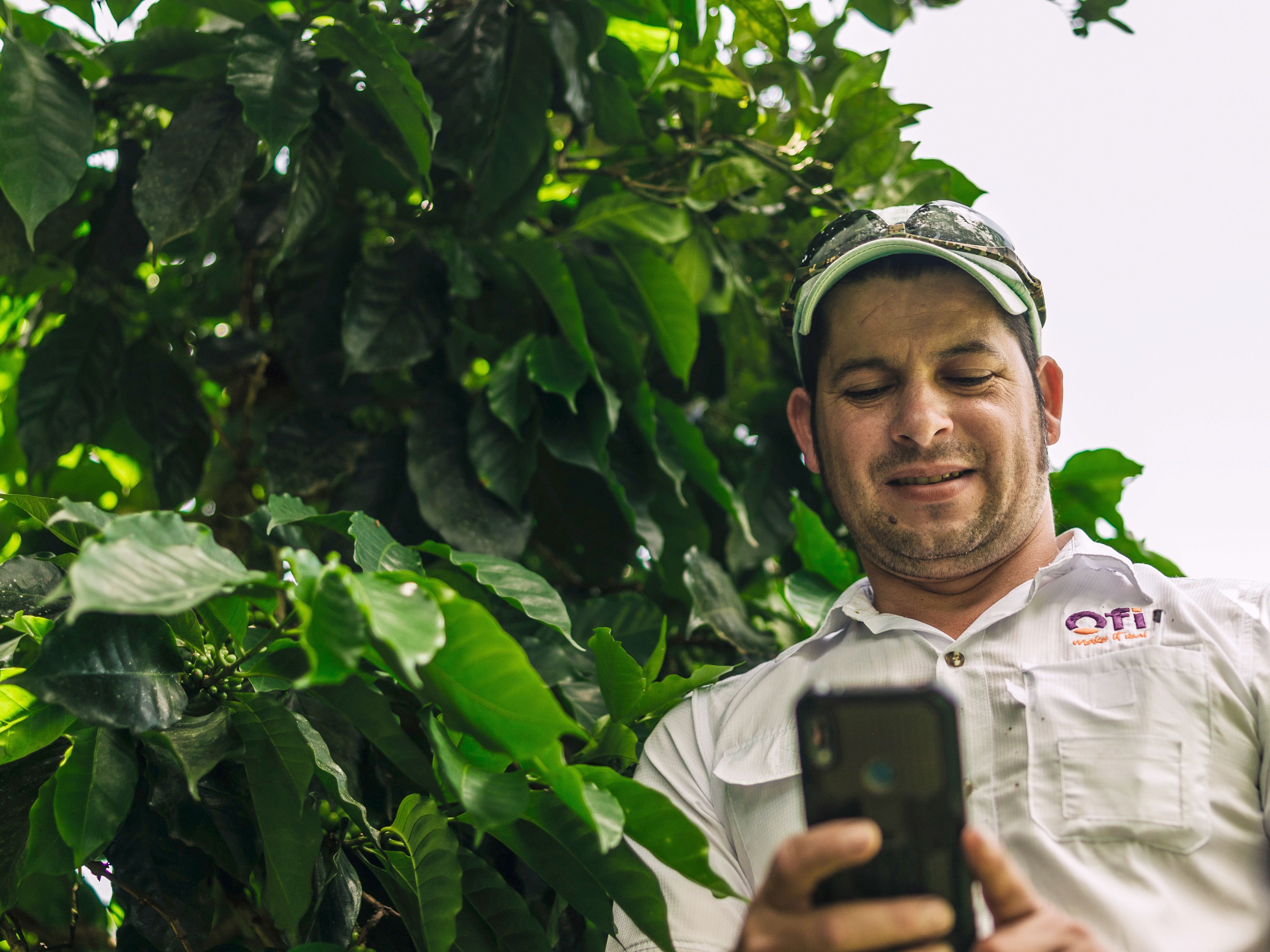
One initiative focused on providing direct market access via the OFI Direct (OD) application. This gave farmers access to a platform designed to connect them with buyers and reduce reliance on intermediaries.
- More than 1,000 farmers were registered and geolocated in the ofi Farmer Information System, which gave them direct market access via the ofi Direct App.
- By October 2024, around 2,193 app transactions had been made, procuring the equivalent of 577.69 tonnes of green coffee beans.
Efficient farming practices and soil management
Adopting good agricultural practices (GAP) and advanced agronomy techniques can help mitigate the effects of climate change in coffee production. Better farming methods can help improve crop quality and yields and may contribute to greater resilience.
- By October 2024, over 400 farmers have been trained in good agricultural practices (GAP) and advanced agronomy. This covered topics such as pruning, weeding and harvesting, soil conservation, pest management and the use of agrochemicals.
- 100 demonstration plots were established, giving farmers a hands-on approach to implementing best practices.
- More than 200 farmers were trained in composting to encourage environmentally friendly farming practices.
Specific training tailored to needs
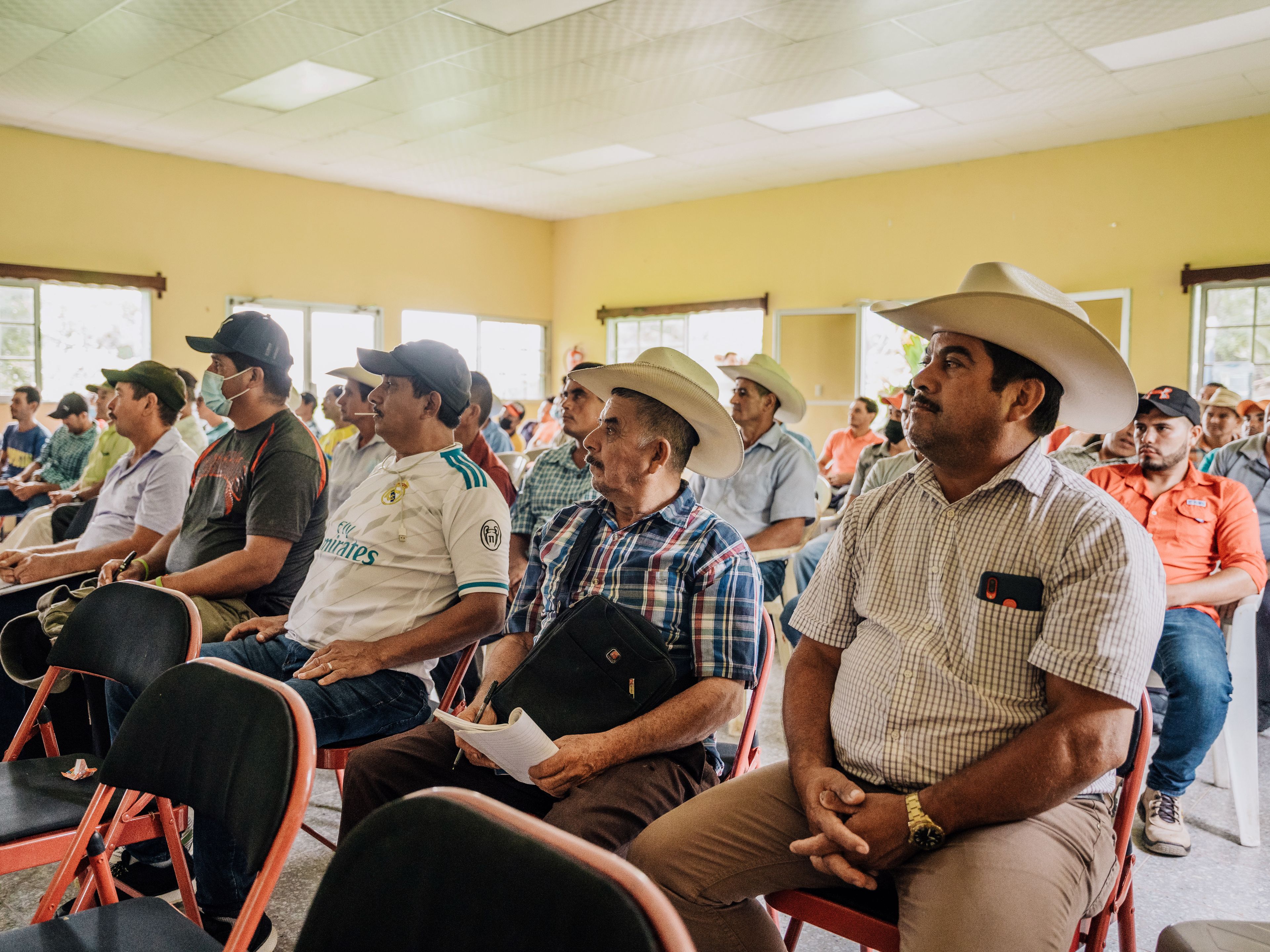
To gain a better understanding of the conditions and barriers that coffee farmers face, ofi analysed various indicators, including educational level, age, gender, plot size and yield. As a result, we were able to offer them bespoke training packages, as well as technical and financial guidance tailored to their needs.
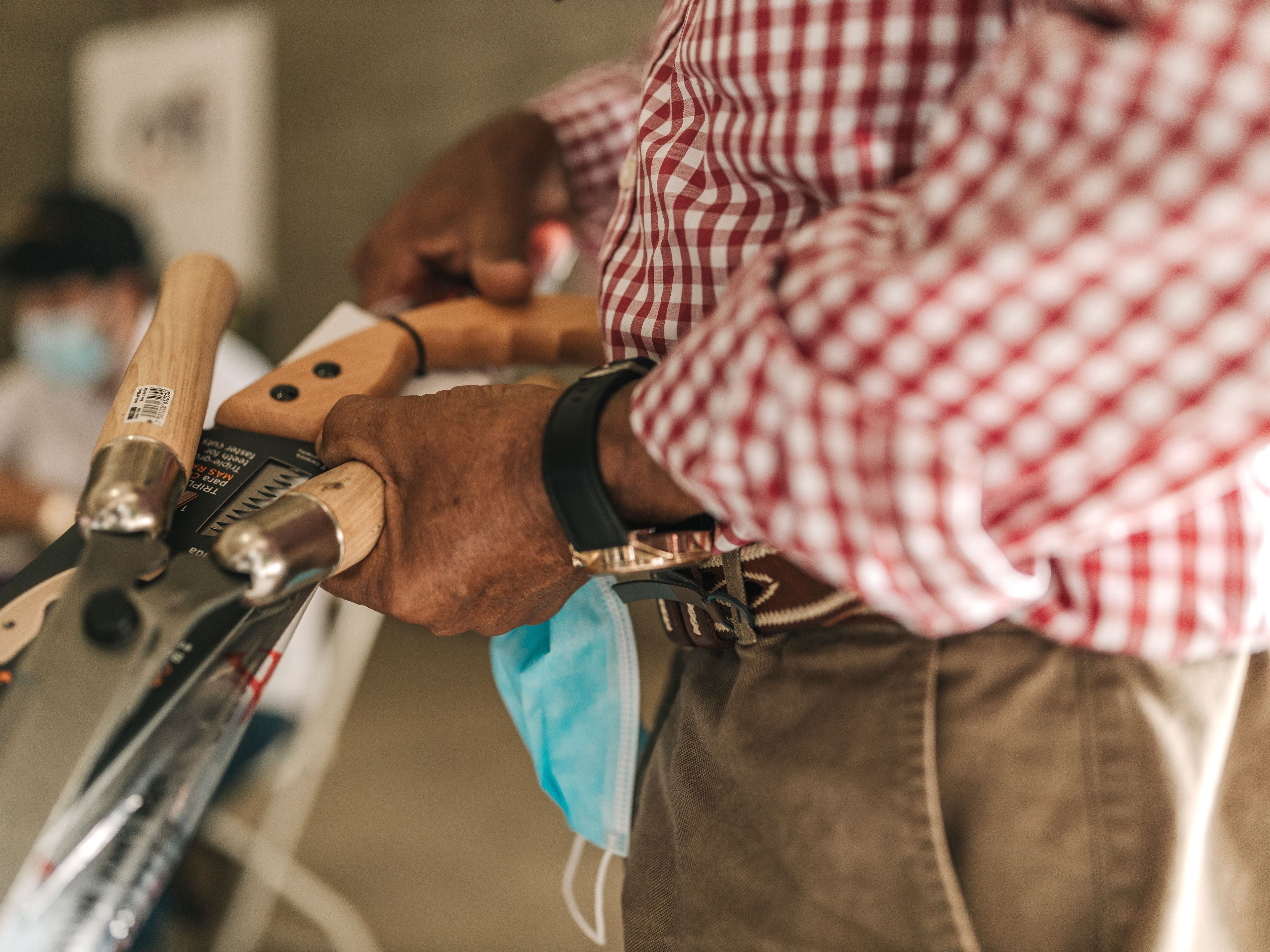
- Farmers with small plots of land and low yields were provided with 5,000 coffee seedlings to rejuvenate coffee farms and establish coffee nurseries. 150 of these farmers also received basic equipment, including collection bowls, machetes and pruning tools.
- 50 farmers received support in setting up solar driers.
- 142 Farmers benefited from financial literacy training.
- To improve nutrition and learn how to balance their diet, 250 farmers received crop seedling kits and access to a nutritionist.
Rainforest Alliance (RA) certification support
Rainforest Alliance (RA) certification helps farmers to gain better market recognition, align with ethical sourcing standards, and access higher-value sales opportunities. These interventions form part of the project's approach to supporting coffee farmers and improving access to training, certification and market opportunities.
- More than 450 farmers have been certified under the RA scheme.
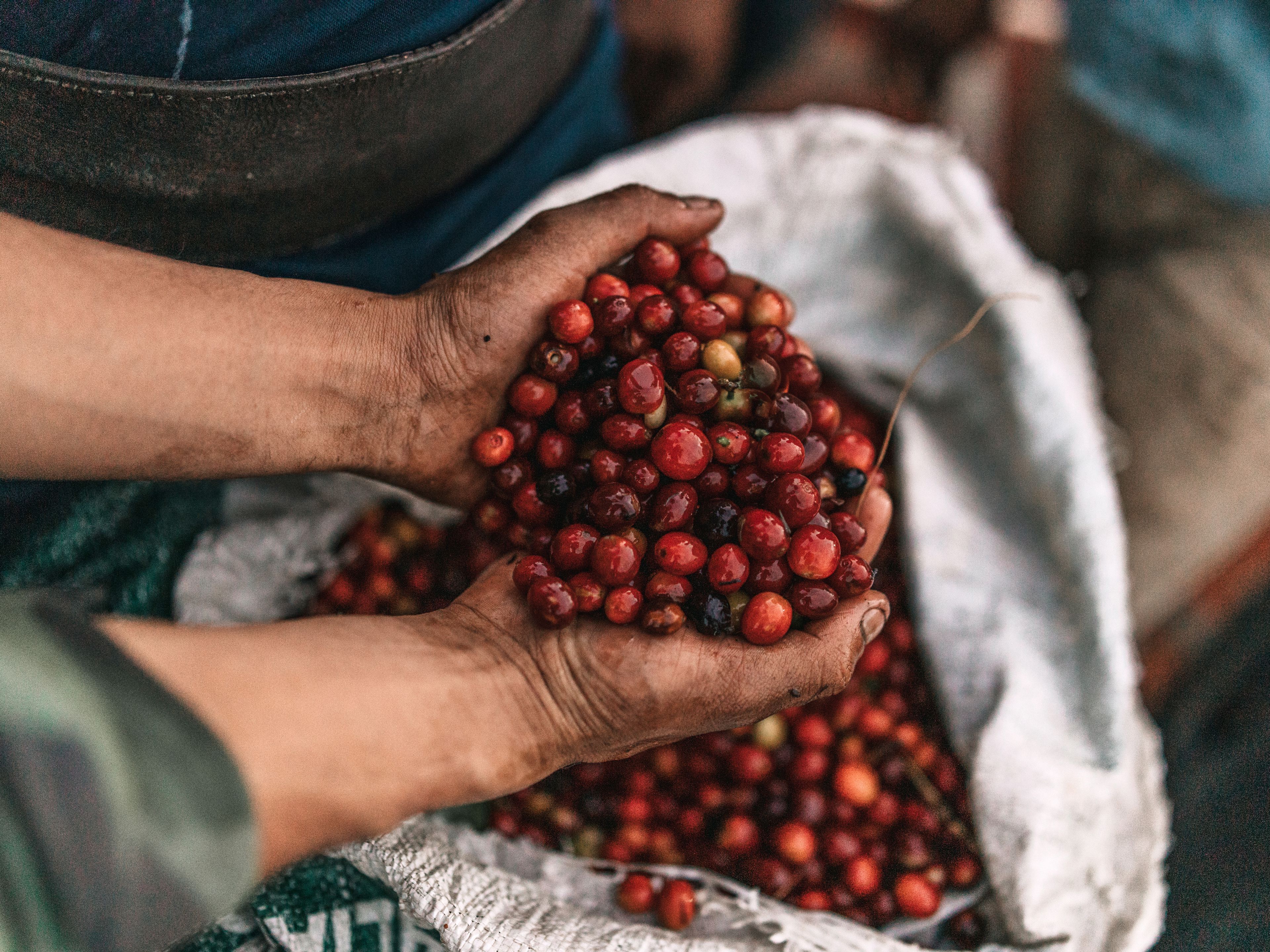
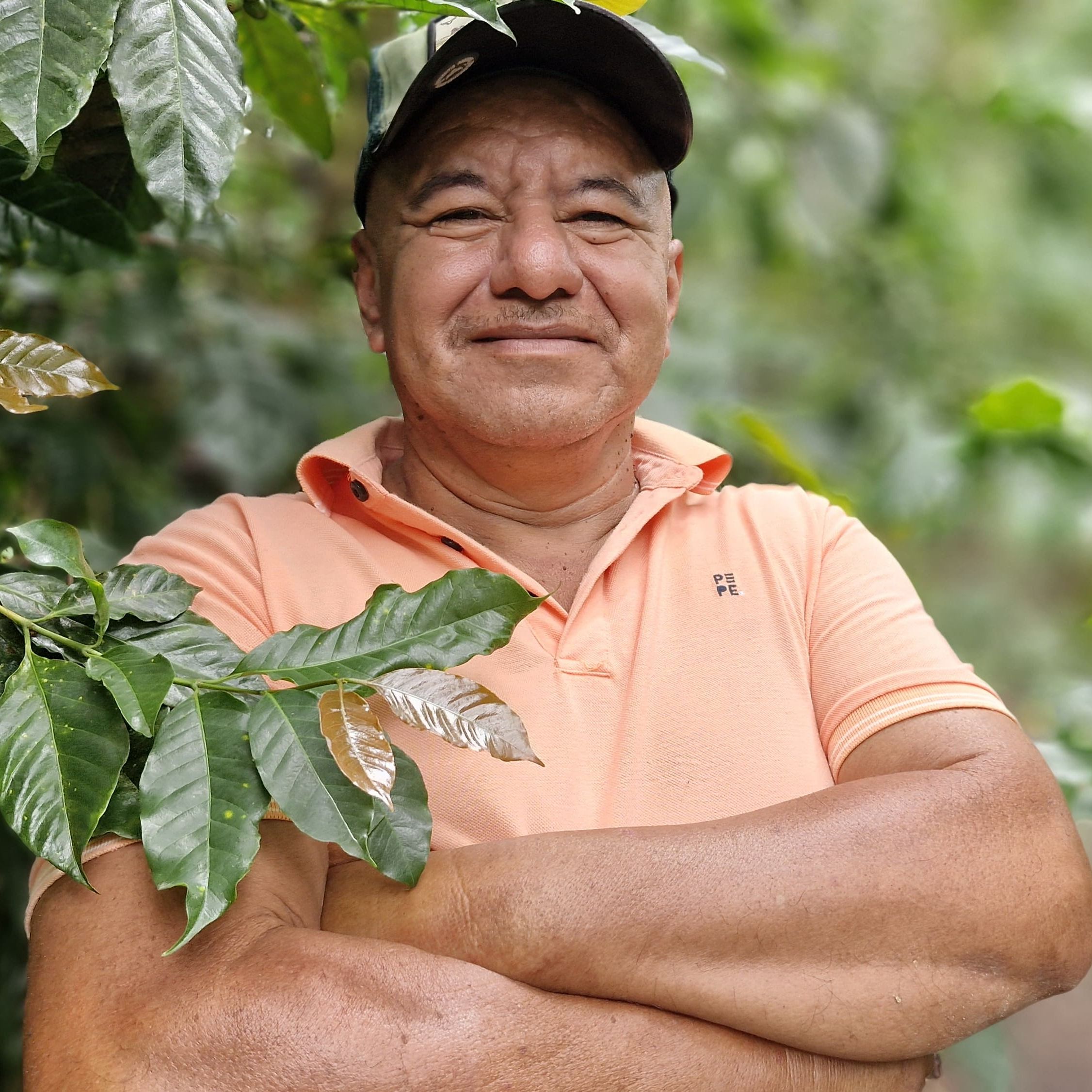
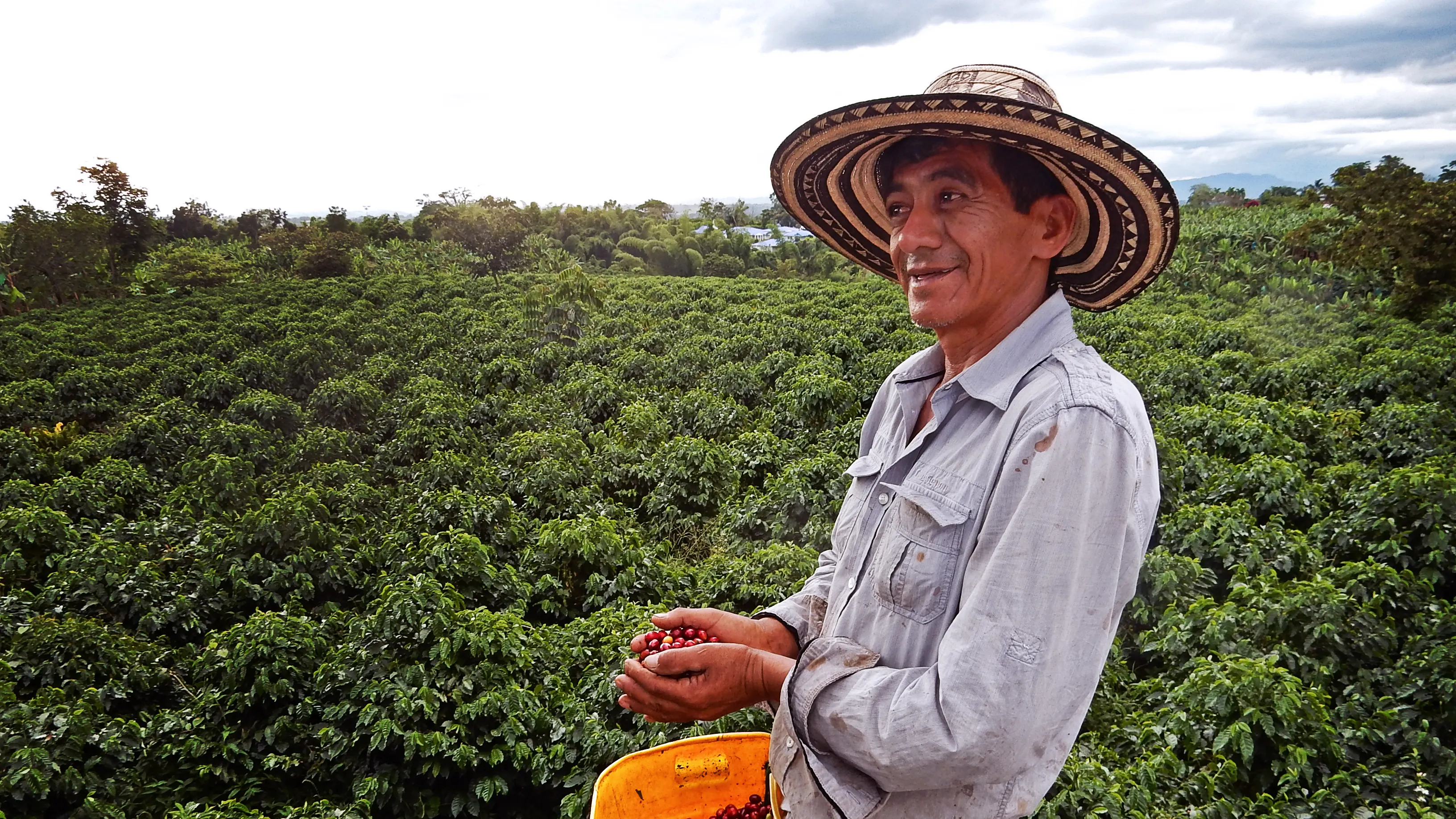
Joaquín, a farmer from the Intibucá highlands, received training in pruning techniques, regular soil analysis, crop nutrition, and fertiliser management as part of our project. After four years, he reported a 30% increase in his coffee yields, climbing from an average harvest of 1,300 kg per hectare in 2021 to 1,690 kg per hectare in the 2024/25 season.
Looking ahead, Joaquín is eager to deepen his technical knowledge and install a solar dryer. He also plans to transition to organic practices, believing these steps will further enhance the quality and value of his coffee.
Driving sustainability for lasting impact
To measure the impact of this project, a social capital impact valuation was conducted, indicating that approximately 1,000 coffee farmers participated in or were reached through project activities. Over the four-year programme, every dollar invested generated five dollars’ worth of social value.
Project assessments shows improvements in yields and crop quality among participating farmers. At the same time, lower farming costs may contribute to improved household income and wellbeing. These activities are intended to support farmers in adapting to future challenges and contribute to longer-term sector development.
Looking ahead, we identified further opportunities in adopting drought-resistant, high-yield coffee plants and agroforestry practices. Improving income diversification for farmers could alleviate the pressure of revenue losses during rejuvenation.
For more information on living income, please refer to our International Position Statement on Living Wages and Living Incomes. ofi’s project report provides further insights into this initiative.