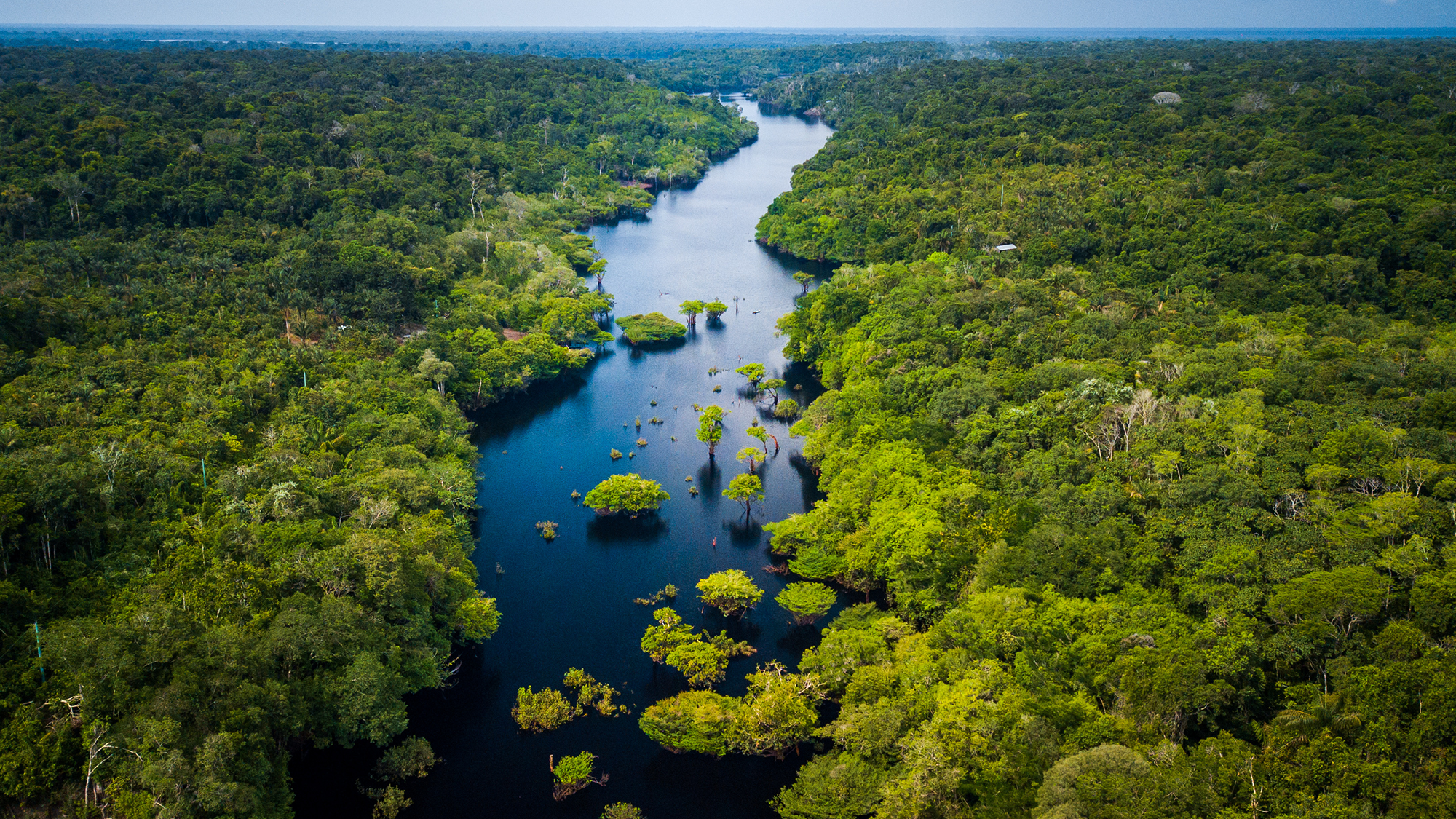
The food system depends on a healthy planet, but biodiversity loss, soil degradation, and water scarcity threaten its future. The ALDI SÜD Group works closely with its suppliers and partners to support the development of targeted landscape and watershed initiatives that help regenerate natural resources.
How our business activities affect nature
Today, agricultural activities occupy more than one third of the Earth’s habitable land and consume approximately 70% of the planet’s fresh water. Agriculture is a major driver of increased greenhouse gas emissions, biodiversity loss, and pollution – contributing to climate change and affecting the resilience of supply chains. ALDI’s core business depends on agricultural production, and we are experiencing the consequences firsthand: in recent years, extreme weather events such as droughts and flooding have caused unexpected supply shortages and led to price increases for commodities like cocoa.
Healthy, well-managed ecosystems play a vital role in, reducing greenhouse gas emissions, protecting safe water resources, enhancing food security, and supporting human wellbeing. At ALDI, we believe protecting and regenerating natural resources is key to building a more resilient food system.
Resilient food system
A resilient food system is one that can absorb disturbances, adapt to changing conditions, and continue to provide sufficient, safe, and nutritious food for everyone.
Protection and restoration of landscapes
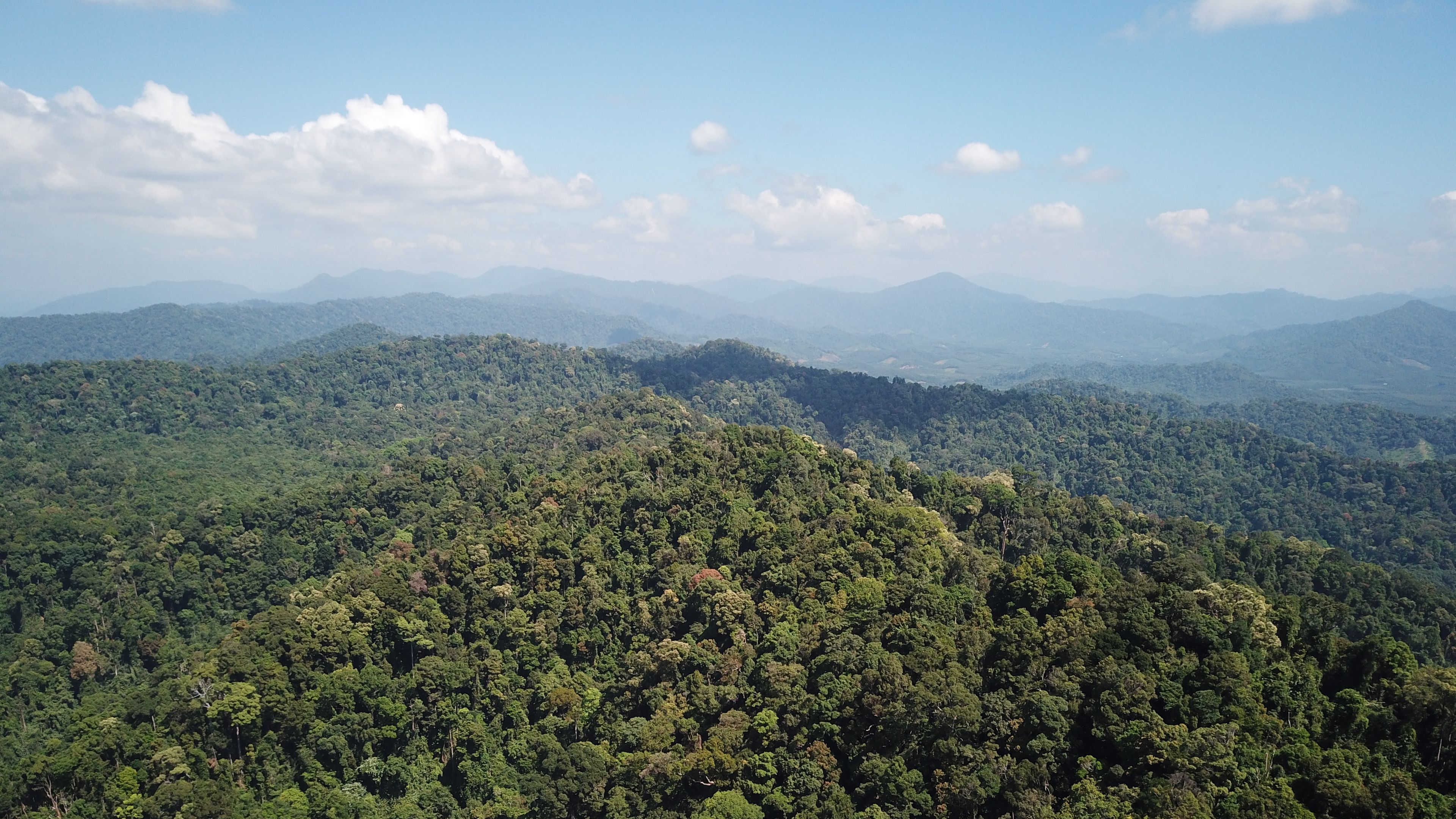
Agricultural expansion is a major driver of forest degradation and deforestation worldwide. ALDI supports the use of credible, third-party certification schemes in high-risk supply chains, including beef, dairy, palm oil, soy, timber, coffee, and cocoa. These help us verify that our suppliers comply with standards designed to protect forests and natural ecosystems from conversion.
Landscape restoration goes further by assisting the recovery of landscapes that have been converted or degraded by human interventions. We intend to focus our efforts on our fruit & vegetables, coffee, cocoa, beef and dairy (including embedded soy) supply chains, where pressures on land are significant. Within these selected supply chains, we are investing in actions, alongside implementing partners, aimed at land restoration, natural habitat conservation, and the establishment of wildlife corridors to support ecosystem recovery.
Landscape restoration (regeneration)
Landscape restoration (regeneration) means supporting damaged or degraded landscapes to regain their natural ecological functions, such as soil health, water cycles, vegetation, and biodiversity, so they can recover and sustain themselves over time.
Support of regenerative agriculture practices
Regenerative agriculture is a transformative shift away from conventional industrial farming models towards practices that work in harmony with nature rather than against it, playing an important role in supporting the restoration of natural ecosystems. We have become a member of the Sustainable Agriculture Initiative (SAI) Platform to strengthen collaboration towards a globally aligned definition and approach to regenerative agriculture through the Regenerating Together Framework.
Regenerative agriculture
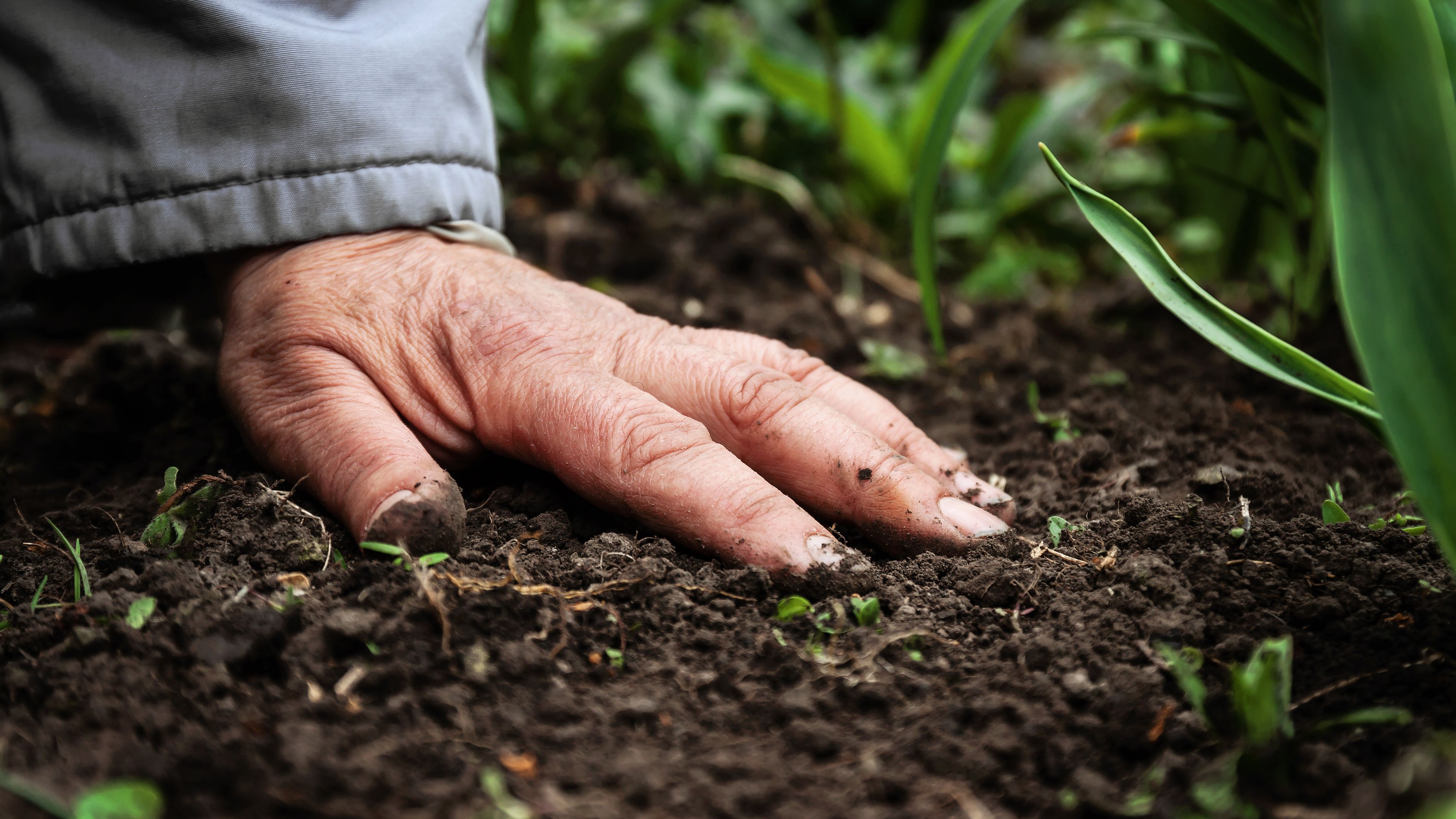
Regenerative agriculture is an outcome-based farming approach that aims to protect and improve soil health, biodiversity, climate and water resources while supporting farming livelihoods. Over the long term, it can strengthen food production resilience to climate change, help stabilise yields and reduce reliance on external inputs, such as pesticides and fertilisers.
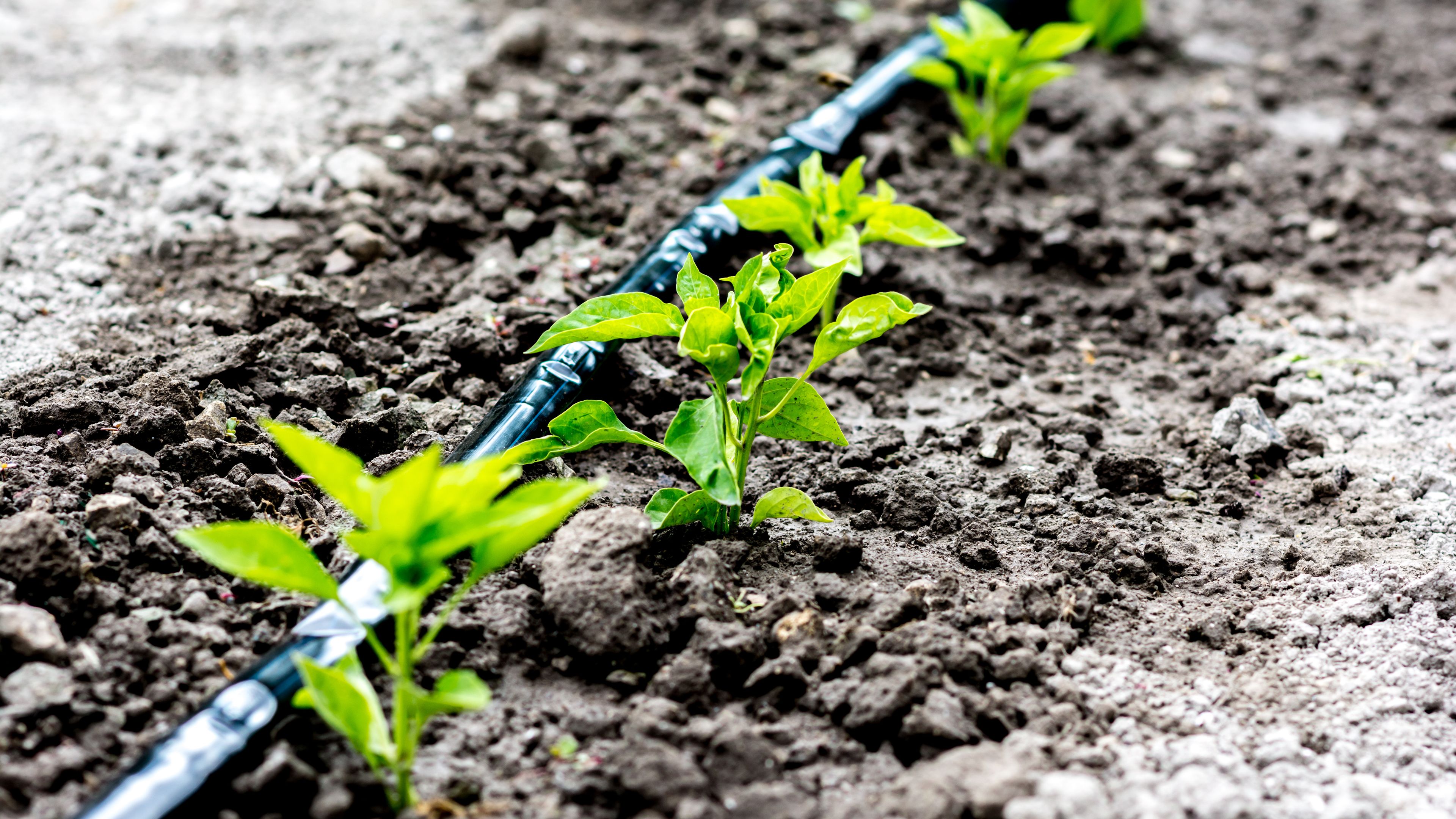
In addition to landscape protection and restoration activities, we are committed to advancing the adoption of regenerative agriculture. One of the main barriers for farmers that hinder the adoption of new practices is the financial risk related to upfront costs, such as acquiring different equipment or managing through periods of transition. We intend to support suppliers with co-financing and implementing a varied range of agriculture practices suited to local conditions, which contribute to enhanced biodiversity such as crop diversification and soil health management.
For example, we are currently involved in the below projects and aim to scale similar initiatives in key sourcing regions:
- In Austria, ALDI partners with around 80 dairy and vegetable farms through the Landwirtschaft der Zukunft (English: Agriculture of the Future) initiative on land regeneration initiatives focused on delivering soil health improvements, farm ecosystem restoration, and on-farm carbon storage.
- In Germany, we participate in the Für mehr Artenvielfalt (English: For Greater Biodiversity) programme of Naturland, a German association for organic farming. This programme gives Naturland certified farms financial assistance to implement biodiversity enhancing measures that can help create habitats and food sources for birds, insects, soil organisms, and other wildlife.
Our commitment to water stewardship
Reliable access to water is fundamental to agricultural production and the sourcing of everyday essential items such as coffee, fruit, and vegetables. Changes in water availability and quality are already affecting key sourcing regions, creating challenges for farmers and food production.
ALDI recognises these risks and the importance of responsible water use across supply chains. In 2025, we conducted our first international Water Footprint assessment, identifying high-risk supply chains, sourcing regions, and communities that require focused water stewardship action. Since most water impacts occur in agriculture, our efforts focus in our selected supply chains and high-risk watersheds, rather than on our comparatively low operational water use. The priority countries are United States, Mexico, Chile, Peru, Spain, South Africa and Australia. To understand and assess the impact of our activities, we monitor and track our impact following the Volumetric Benefit Accounting standard 2.0 and receive third-party verification by an independent organisation.
As part of our water stewardship journey, we consider water replenishment an important focus area. This refers to measurable, lasting improvements in water availability, quality, access, or ecosystem health within specific watersheds or on farms. To help achieve this, we intend to continue, launch, or join collective initiatives aimed at conserving natural habitats, capturing rainwater, and restoring wetlands and waterways in partnership with suppliers, NGOs, and implementing partners.
For example, we are currently involved in the below projects and aim to scale similar initiatives across our markets:
- As a member of the WRAP Water Roadmap, ALDI UK supports sourcing fresh food from sustainably managed water regions. The initiative sponsors a project on sustainable water management in southern Spain. The region surrounding Doñana National Park – one of Europe's most important fruit sourcing regions – is facing water scarcity from intensive agriculture. The main aim of the project is to reduce water-related risks and build resilience in the region.
- In 2026, ALDI SÜD Group joined the UN Global Compact Water Resilience Coalition (WRC) and the Colorado River Basin Collaborative to support collective action on water security. These initiatives bring together businesses, governments, NGOs and local communities to strengthen watershed health, agricultural resilience and long-term water security in high-risk river basins.
- In the same year, ALDI also joined two further initiatives to support freshwater resilience. The WWF Rio Grande - Rio Bravo Collective Action Program, which supports wetland restoration, environmental flows, and climate resilience in a high-risk watershed, and The Nature Conservancy's Colorado River Basin Program, which focuses on restoring water flows, replenishing ecosystems, and strengthening long-term water security in the Colorado River Delta.
Recognising clean water and sanitation as fundamental human rights, we aim to leverage our global reach to help improve access to safe water, sanitation, and hygiene (WASH) in key selected supply chains. Our focus will be on partnering with local organisations to drive WASH projects that enhance supply chain resilience and well-being. This work is still in its early stages, and we will continue developing our portfolio with partners over the coming months.
Water replenishment
Water replenishment activities seek to return water to ecosystems and communities based on the local water challenges shared by local communities and stakeholders to create a positive impact on the catchment’s water availability, quality, and accessibility.
Watersheds
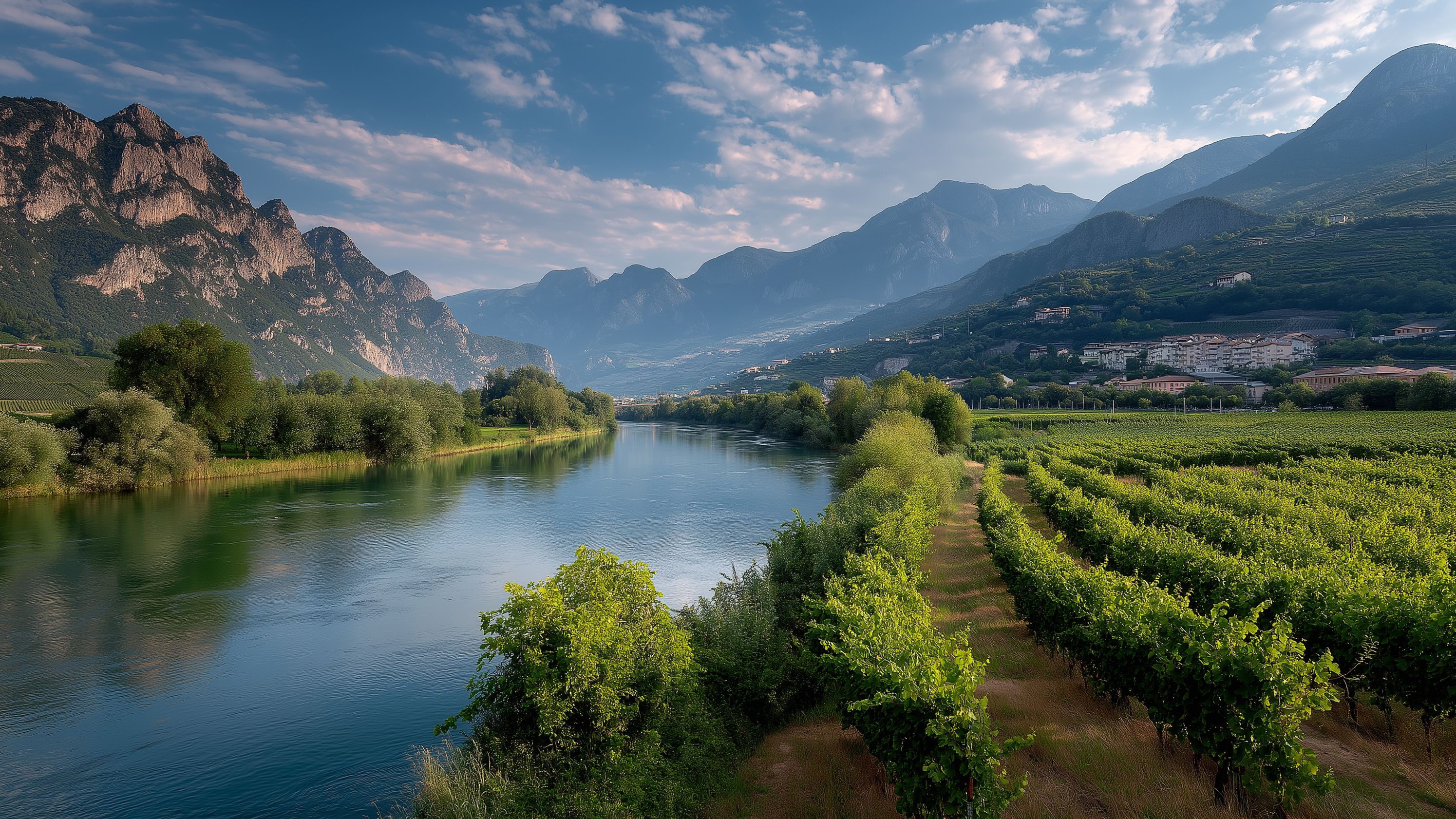
Watersheds are areas of land where all rainfall and runoff drain to a common river, lake, stream, or other body of water.
Our support of collective action in critical watersheds
We engage in global initiatives to strengthen our approach to water stewardship and support collective action projects in high-risk watersheds. As an endorser of the UN Global Compact CEO Water Mandate, we support a recognised framework to support water stewardship alongside over 600 companies from a range of sectors. We will leverage our participation in the UN CEO Water Mandate to share learnings and gain insights into the best practices to support basin-level resilience and enhance on-the-ground delivery of projects.
In addition, we are members of the UN Global Compact’s Water Resilience Coalition, which enables coordinated, basin-level level action across companies and stakeholders to address shared water challenges.
Collaboration and advocacy to drive change
By engaging with policymakers and participating in recognised standard-setting processes, ALDI supports the development of voluntary and regulatory frameworks that enable more sustainable agricultural production. For example, we believe that legislative action against deforestation, such as the EU Deforestation Regulation, can significantly help prevent deforestation by halting import-driven deforestation and improving regulation of deforestation-free products, and we have publicly called for its timely implementation.
In September 2026, ALDI SÜD Group signed a joint letter to the European Commission supporting the continued implementation of the EU Water Framework Directive. The signatories highlighted the importance of healthy freshwater ecosystems for resilient food production and supply chains, and encouraged the Commission to maintain strong water standards to help address growing risks from drought, water scarcity, flooding and declining water quality.
We are exploring how to advocate for stronger regulation, government support and financial incentives for nature-positive solutions and governmental support of such measures.
We collaborate with:
- Standard bodies to strengthen certification criteria, such as Food Biodiversity and incorporate additional regenerative outcomes in our key selected supply chains to advance progress.
- Key industry platforms to address water risk and promote action, including the Sustainability Initiative Fruit and Vegetables (SIFAV), where we partner across the sector with our suppliers to help to optimise water use in agriculture.
- The Alliance for Water Stewardship (AWS) to encourage responsible water use and good water stewardship in our selected supply chains, promoting the International Water Stewardship Standard.
- The CEO Water Mandate and the UN Water Resilience Coalition to drive collective action, systemic change and water stewardship activities.