Standards & Certification
ALDI aims to offer its customers sustainably sourced products of the highest quality at the best possible price. To support this, we set social and environmental standards for our business partners and use recognised certification schemes.
Development of sustainable standards
The ALDI SÜD Group is committed to respecting human rights and environmental standards across its supply chains. Many of our products are sourced through business partners rather than directly from producers or farmers. These partners play an important role in supporting the establishment of responsible working conditions at production sites and promoting more sustainable agricultural practices.
The ALDI Business Partner Sustainability Standards establish minimum binding requirements for all ALDI business partners and encompass essential norms, including, but not limited to, due diligence processes, environmental stewardship, occupational health and safety, and non-tolerance for discrimination, forced labour, and child labour.
The role of certification
Certification is one of the tools we use to support our human rights and environmental due diligence efforts. Independent certification schemes establish recognised environmental and social standards and assess compliance with these standards through independent audits. This provides a consistent foundation for engaging with suppliers and helps us better identify and assess sustainability risks across complex supply chains. Where certification is an appropriate and credible approach, we encourage our suppliers to source certified raw materials.
Certification schemes for supply chains
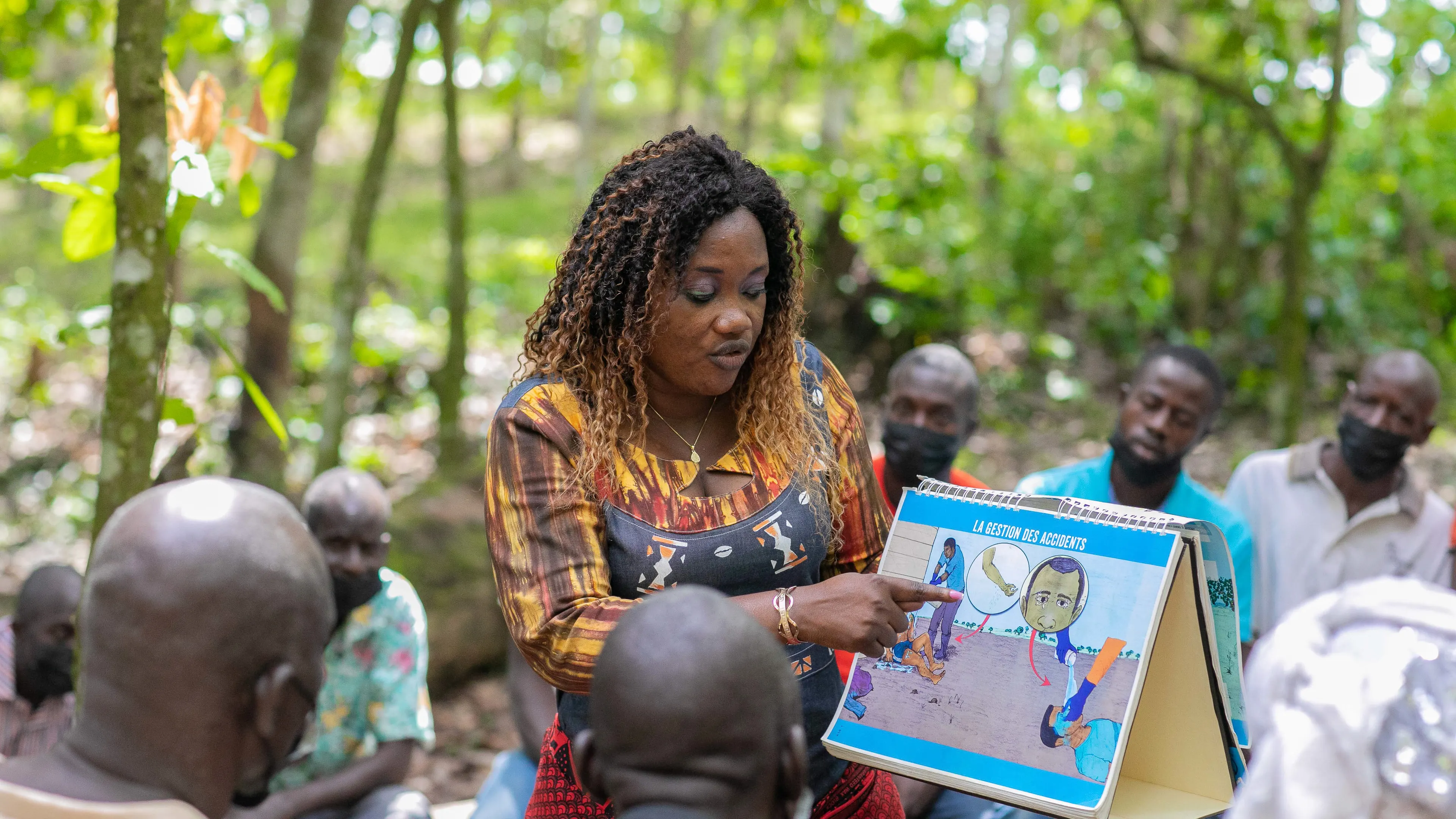
There are hundreds of voluntary sustainability standards and certification schemes covering different products and sustainability topics. They vary in scope, requirements and level of assurance, making it important to carefully assess which schemes are most appropriate for different supply chains.
The ALDI SÜD Group evaluates certification schemes against a range of criteria, including their environmental and social requirements, governance, credibility, independent third-party verification and transparency. This helps to determine which certification can best support our due diligence approach.

Coffee
We source coffee certified under recognised standards that address risks in coffee-growing regions, including biodiversity, environmental, and social sustainability challenges. These standards include Fairtrade, Fairtrade USA, 4C, and Rainforest Alliance. Additionally, we evaluated selected trader sustainability schemes to assess their potential use in further strengthening our ability to tailor sourcing and sustainability initiatives to specific origins and local challenges. Based on this assessment, we have approved several schemes for our sourcing, including ofi AtSource, Sucafina Impact, and LDC RSP Advanced.
- Approximately 85% of our private label coffee is certified under recognised standards (2025).
Cocoa
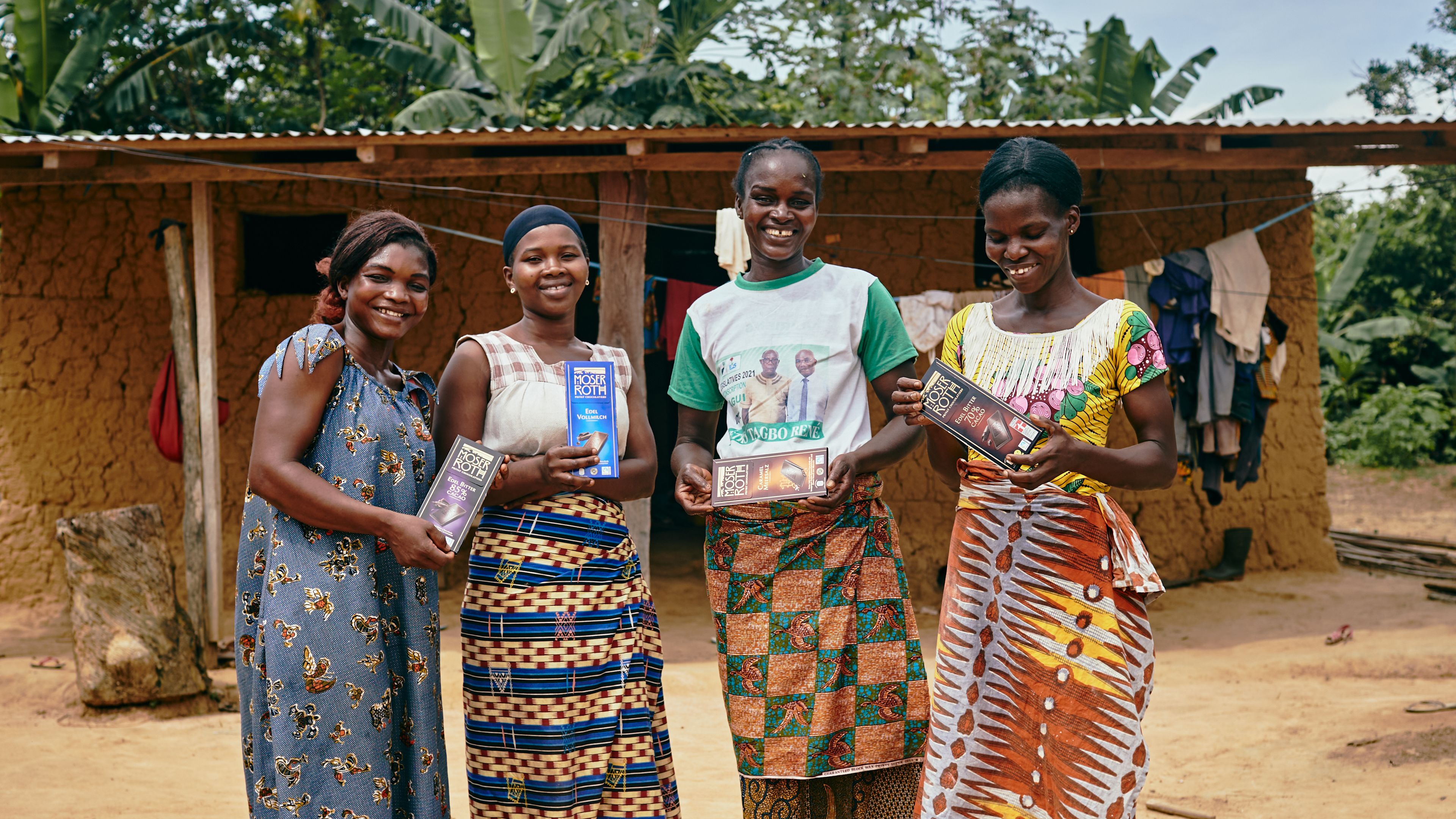
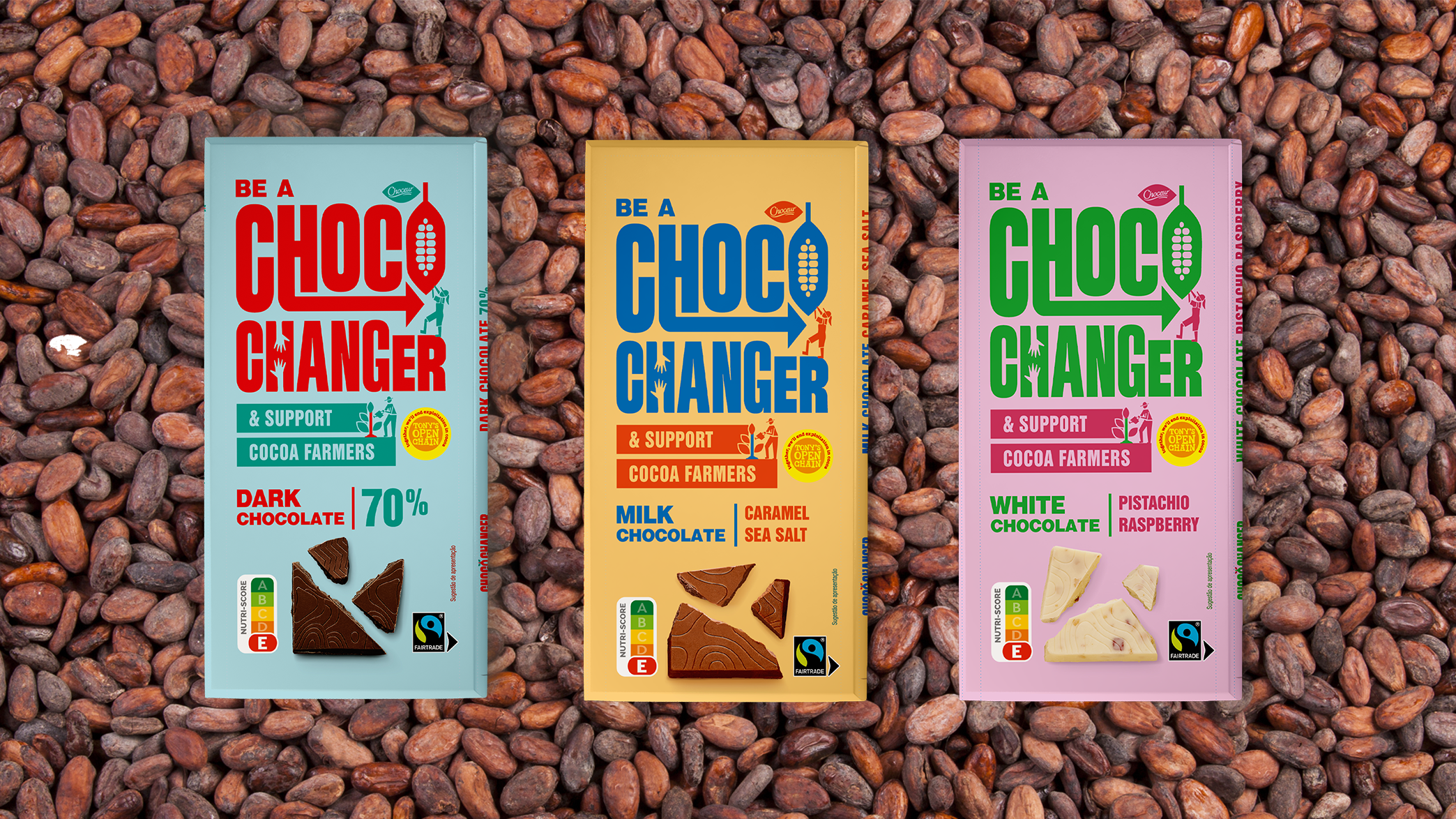
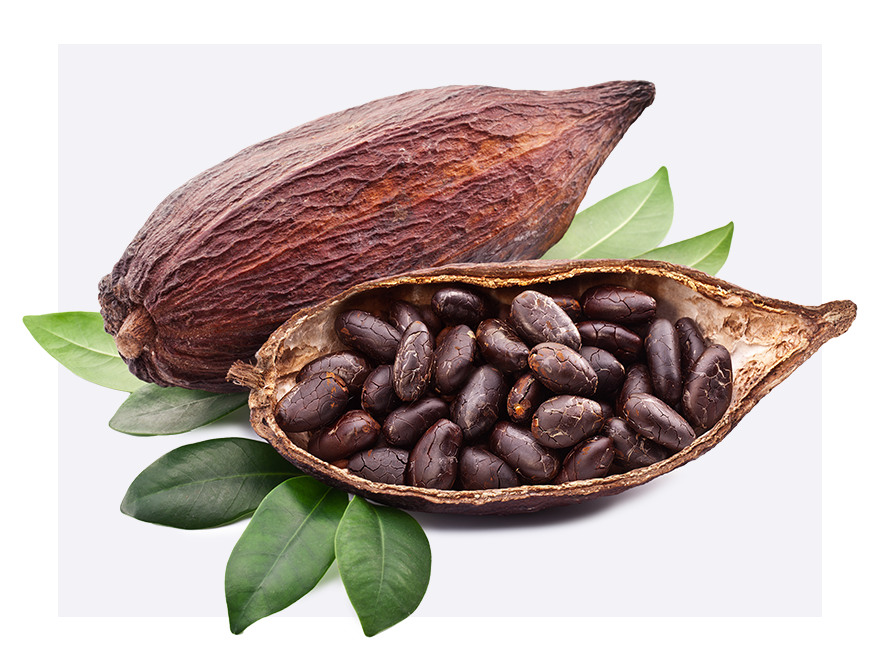
We work with trusted certification organisations, including Rainforest Alliance and Fairtrade, to support the development of strong requirements and encourage sustainability improvements at the farm level.
- 100% of our own-brand chocolate products are certified against recognised sustainability standards (2025).
Fruits & Vegetables
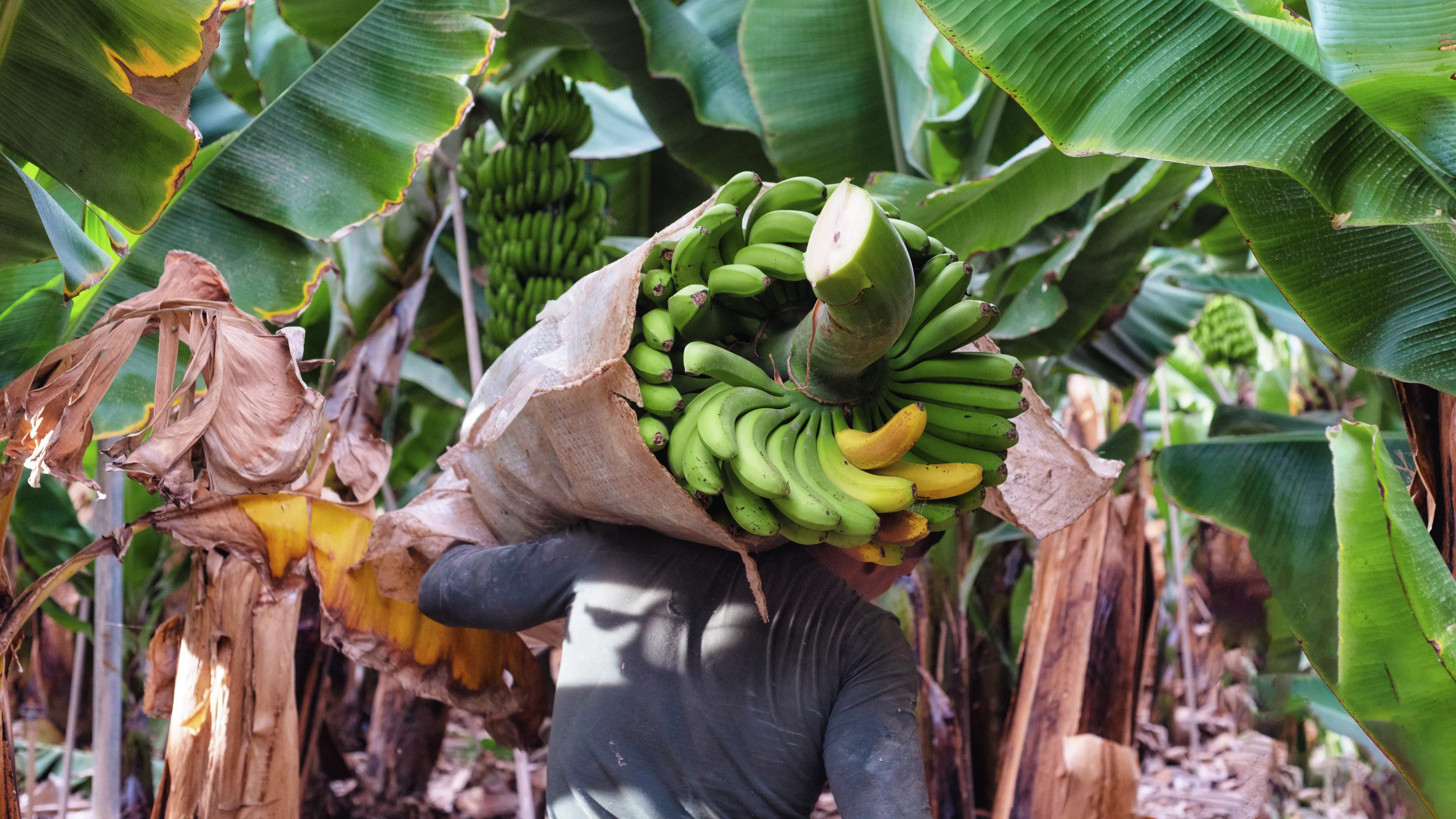
In addition to Fairtrade and the Rainforest Alliance, ALDI recognises a broader set of established social standards for conventional bananas, including SCS, SMETA, SA8000, the SAI Platform Farm Sustainability Assessment silver level, and GRASP on a country-by-country basis that is aligned with the SIFAV Basket of Social Standards. We are particularly focusing on expanding certifications that address risks related to deforestation, water management through the GLOBAL G.A.P SPRING (Sustainable Program for Irrigation and Groundwater Use standard, and land use, such as Fairtrade.
- 100% of bananas and pineapples sold in our European and US stores are certified to recognised sustainability standards (2025)

Fish & Seafood
The ALDI SÜD Group has minimum sourcing criteria for our private label fish and seafood to support environmentally and science-based sourcing practices. We use independently benchmarked certification schemes by the Global Sustainable Seafood Initiative (GSSI) and assessment systems that are proven to be suitable for market-wide implementation. For wild caught, we accept Certified Seafood International (CSI) or Marine Stewardship Council (MSC) and for aquaculture we accept Aquaculture Stewardship Council (ASC), Best Aquaculture Practices (BAP), and GLOBAL G.A.P and EU Organic Standard.
- 95% of our private label fish and seafood products are sourced using criteria designed to help address environmental risks within our supply chains (2025)

Palm (Kernel) Oil
The Roundtable on Sustainable Palm Oil (RSPO) certification is an independently verified third-party scheme that aims to promote more environmentally and socially responsible palm oil production.
- 100% of the palm oil used in our private label products is certified according to the Roundtable on Sustainable Palm Oil (RSPO) chain-of-custody standard (2025).
- Around 75% of the palm oil used in our European markets is further certified according to the RSPO segregated chain-of-custody standard, which increases traceability to the palm oil’s origins (2025).100% of bananas and pineapples sold in our European and US stores are certified to recognised sustainability standards (2025)
Cotton
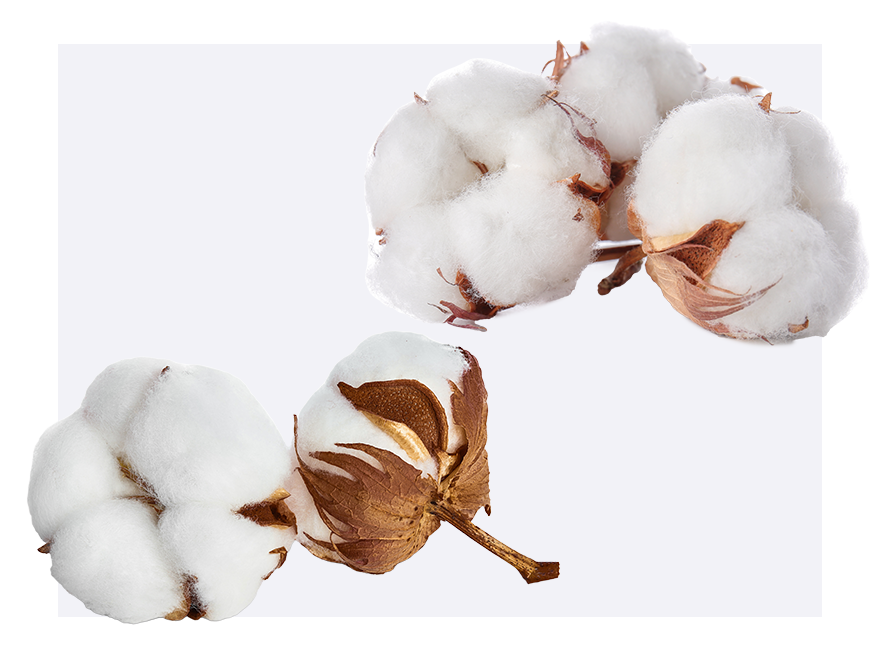
For ALDI’s private label products containing cotton, we use recognised independent third‑party certification schemes that have proven to be reliable and suitable for market-wide implementation. We use standards such as the Global Organic Textile Standard (GOTS), the Organic Content Standard (OCS), and BCI Cotton under the Mass Balance Chain of Custody model. These standards and frameworks address different aspects of cotton production and sourcing, including agricultural practices, chain of custody requirements and selected social criteria.
- 94% of the cotton used in our private label garments and home textiles was sourced through recognised third-party certification schemes (2025).
Engagement with certification organisations
Certification schemes are most effective when they continue to evolve in response to changing sustainability challenges. We therefore work closely with certification organisations and other relevant stakeholders to support the ongoing development of sustainability standards.
Alongside the use of certified raw materials, these partnerships enable us to exchange knowledge, contribute to the development of good practices and participate in projects that address specific human rights and environmental risks in our selected supply chains. The ALDI SÜD Group has worked with organisations such as Fairtrade or Rainforest Alliance for many years. Together with these partners, we support initiatives that complement certifications and contribute to continuous improvement of selected supply chains.
Fairtrade
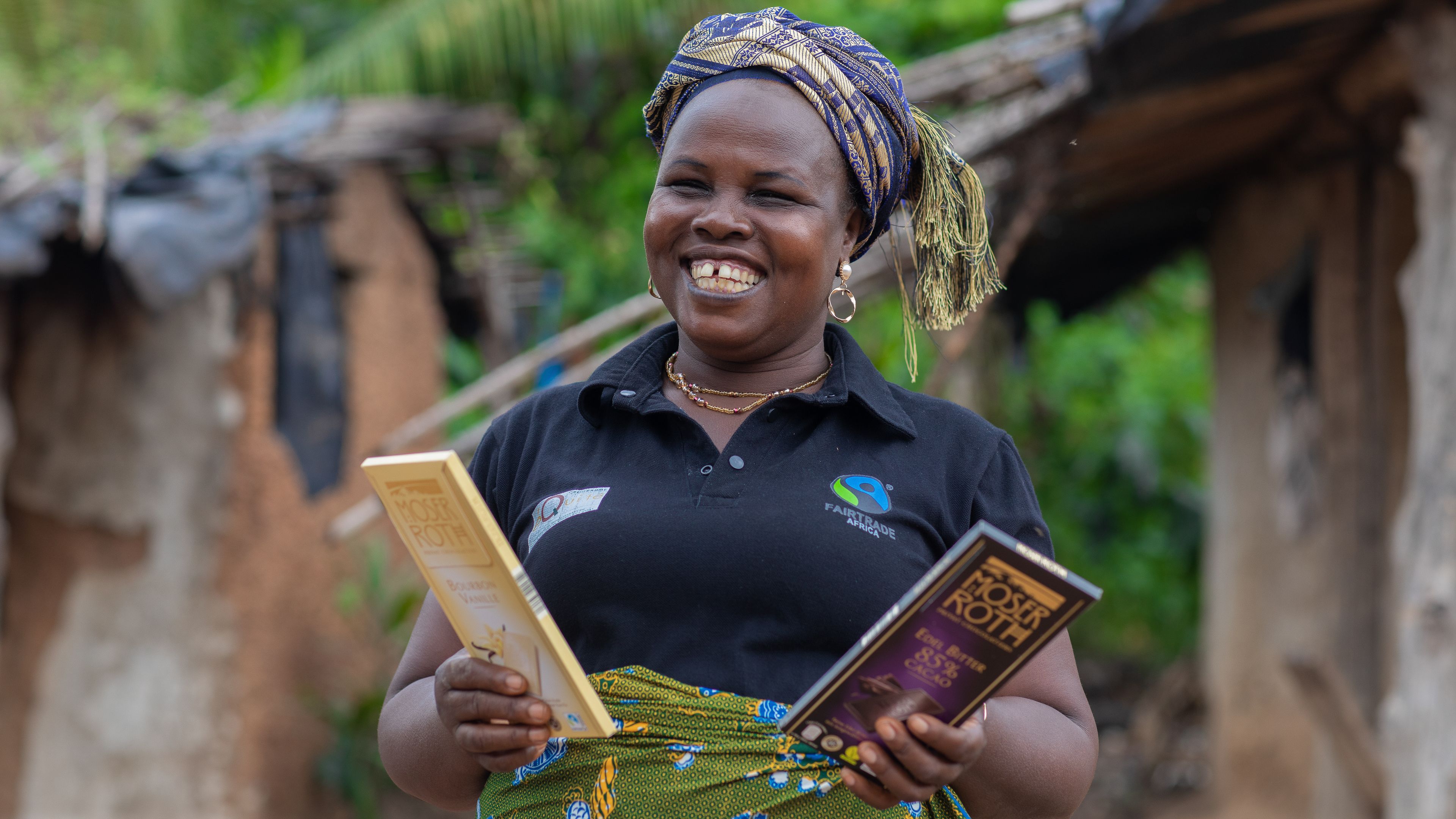
Fairtrade is one of the most recognised and trusted sustainability label – working to make trade fairer for the people who grow our food. Fairtrade International is a non-profit, multi-stakeholder association of 28 member organisations – three producer networks and 25 national Fairtrade organisations around the globe. It supports over 2 million farmers and workers through a unique pricing model, sets rigorous standards across the supply chain, and fosters strong producer communities through local and regional networks. Certification requires successful checks by independent auditors to ensure compliance with Fairtrade Standards.
Over the last decades, the ALDI SÜD Group has engaged in numerous projects and cooperations with Fairtrade. We use the Fairtrade certification scheme for multiple product groups, such as coffee, cocoa products, bananas and other tropical fruits.
- We adopted the Fairtrade production cost methodology for our new banana sourcing model in 2022. The open book costing model ensures that the banana prices we pay to our suppliers are fairer and more accurately reflect sustainable production costs. Changes to the cost factors underpinning the Fairtrade Minimum Price are considered in our sourcing. We have since extended our ethical sourcing model to additional product categories, including pineapples and avocados.
- In 2024, the ALDI SÜD Group engaged in a new two-year Fairtrade project with the cooperative ECAMOM and chocolate manufacturer Storck, following a close collaboration starting in 2020. Our investment in this long-term partnership includes purchasing under Fairtrade conditions and additional investments into activities that directly benefit cocoa farmers.

Rainforest Alliance
The Rainforest Alliance is an international non-profit organisation that collaborates with farmers, businesses, and consumers to establish better practices for people and nature. Certification is based on the Rainforest Alliance Sustainable Agriculture Standard, including checks by independent auditors. It ensures that farms and companies meet strict requirements designed to improve farmer incomes and well-being while protecting the land.
The ALDI SÜD Group uses the Rainforest Alliance certification scheme for cocoa, coffee, nuts and tropical fruit products. Offering our customers an increasing share of certified products means contributing to better farming and sustainable land management practices whilst addressing human rights and improving the livelihoods of farmers and workers. We work closely with the Rainforest Alliance on the development of the standard and consult on guidance materials.
Beyond certification
We recognise that certification alone cannot address all sustainability challenges across our key supply chains. Where appropriate, we complement certification with additional measures tailored to specific commodity contexts and supply chain needs. These measures may include direct sourcing approaches, enhanced supply chain mapping and traceability, the implementation of responsible purchasing practices, our own audits, targeted projects on the ground and the development of long-term partnerships with suppliers and multi-stakeholder initiatives. Together, these efforts help support continuous improvement and strengthen our approach to responsible sourcing.