Drive Climate Action
Climate change disrupts global food systems – affecting agriculture, supply chains, and the communities that depend on them. Reducing emissions and building resilience is essential if we want food systems across our key supply chains to remain viable in the long term.
Addressing climate change requires action beyond our own operations. We work with our suppliers, NGOs, industry partners, and policymakers to help decarbonise agriculture, improve efficiency, and scale resilient food production.
Responsible sourcing
We intend to continue partnering with our suppliers to ensure they meet our responsible sourcing requirements, such as our dedication toward eliminating deforestation and land conversion from our critical supply chains. To enable this, we plan to continue sourcing certified products and materials (e.g. Rainforest Alliance), following chain-of-custody standards and prioritising sourcing from low-risk origins (based on the European Commission EUDR Benchmark Country Classification List).
In addition, we seek to participate in multi-stakeholder initiatives, such as the Consumer Goods Forum (CGF) Forest Positive Coalition and the German Initiative on Sustainable Cocoa, to support the adoption of more responsible practices across the sector.
Supplier capacity building
We aim to support suppliers who are setting and advancing their own climate targets and action plans. To achieve this, ALDI became one of the first retail partners of the Supplier Leadership on Climate Transition (LOCT), a growing collaborative of companies helping suppliers become a part of the climate solution. Through this initiative, we are sponsoring over 100 suppliers to receive training on setting emissions targets and developing credible decarbonisation plans, and to access peer‑to‑peer learning.
Initiatives and partnerships in regenerative agriculture
Under Force for Good, we seek to partner with suppliers and partners to implement regenerative agriculture programmes that best fit the needs of the farms and the supply chains we focus on.
- As members of the Sustainable Agriculture Initiative (SAI), we are guided by the organisation’s industry-first global definition and approach on regenerative agriculture through the Regenerating Together Framework. The framework defines regenerative agriculture as “an outcome-based farming approach that protects and improves soil health, biodiversity, and water resources, while supporting farmer livelihoods”. This definition provides SAI members with a common structure and guidance to help shift beyond conventional practices and strengthen natural resources at scale.
- One example of this approach in practice is our new partnership with Royal FrieslandCampina, which is guided by the Regenerating Together Framework’s principles. Through this partnership, we are working with dairy farmers to implement regenerative agriculture practices tailored to individual farm contexts, helping generate insights for wider adoption across the dairy sector.
- In addition, we intend to build on initiatives that are already in place, such as our investment in the Arla FarmAhead programme that assists with the adoption of innovative solutions, such as feed additives, to reduce methane emissions in livestock. We also support our suppliers in adopting improved manure management practices and new technologies that can accelerate progress and deliver co-benefits, such as better water quality.
- Additionally, we continue to engage in established platforms such as the Dairy Sustainability Framework and market-specific groups like the UK Dairy and Beef Roadmap. These cross-industry initiatives bring stakeholders together to share knowledge and support progress on key sectoral priorities, such as reducing greenhouse gas emissions, improving grazing lands and water management practices, and animal welfare.
- We aim to continue contributing to new frameworks that strengthen climate action and support more resilient farming systems. To that end, ALDI is part of a group of global companies piloting guidance from the Task Force for Corporate Action Transparency (TCAT), helping to inform high-integrity, practical accounting and disclosure frameworks that enable companies to decarbonise at scale.

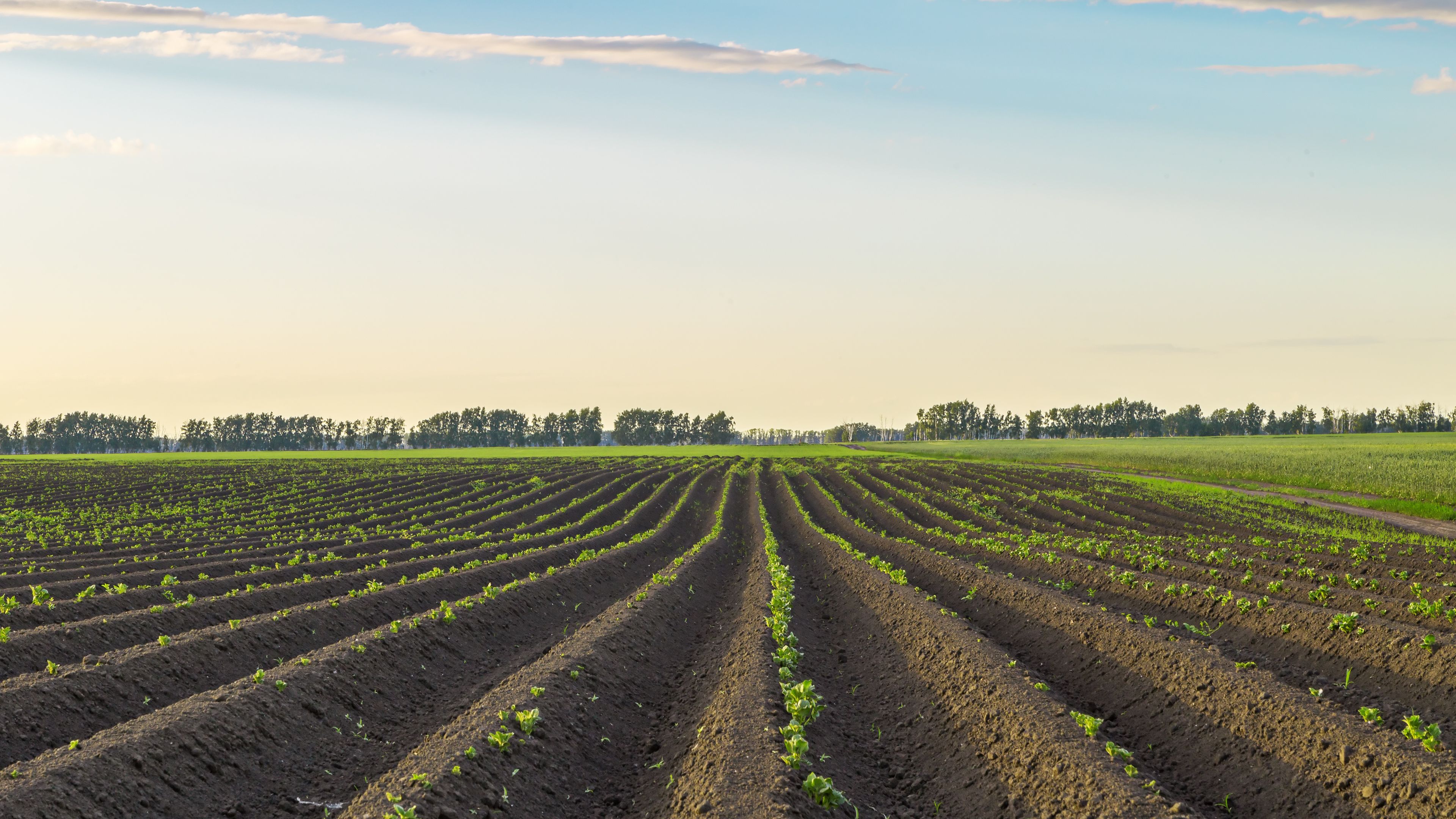
Regenerative agriculture
Regenerative agriculture is an outcome-based farming approach that aims to protect and improve soil health, biodiversity, climate and water resources while supporting farming livelihoods. Over the long term, it can strengthen food production resilience to climate change, help stabilise yields and reduce reliance on external inputs, such as pesticides and fertilisers.
Advocacy on policies and standards
We take part in discussions on policy direction, drafting of new regulations and standards, drawing on our experience to help develop and adopt effective approaches to more sustainable food production, such as the adoption of practices that regenerate land.
For example, ALDI was one of more than 400 signatories in a letter coordinated by Eurosif, the European Sustainable Investment Forum. In this letter, we called for maintaining the requirement under the EU Corporate Sustainability Due Diligence Directive (CSDDD) for companies to set climate transition plans that include science-based emissions reduction targets.
Going forward, we intend to continue to advocate for stronger regulations for climate action, greater financial mechanisms to enable the transition to regenerative agriculture, and increased support for farmers to enhance their resilience to climate change.
Plant-based alternatives
Alongside our work to advance regenerative farming for animal-derived products, we are broadening the options available to customers who want to make plant-based choices. We aim to provide our customers with a range of plant-based meat and dairy alternatives. We support a shift towards a more plant-based diet that, as indicated by scientific studies, can help reduce environmental impact over time.
This commitment is reflected in our decision to co-sign the Partners for Plant-based: A Declaration to strengthen Europe’s Value Chain, which calls for a stronger and more resilient plant-based European food system.

Food waste reduction
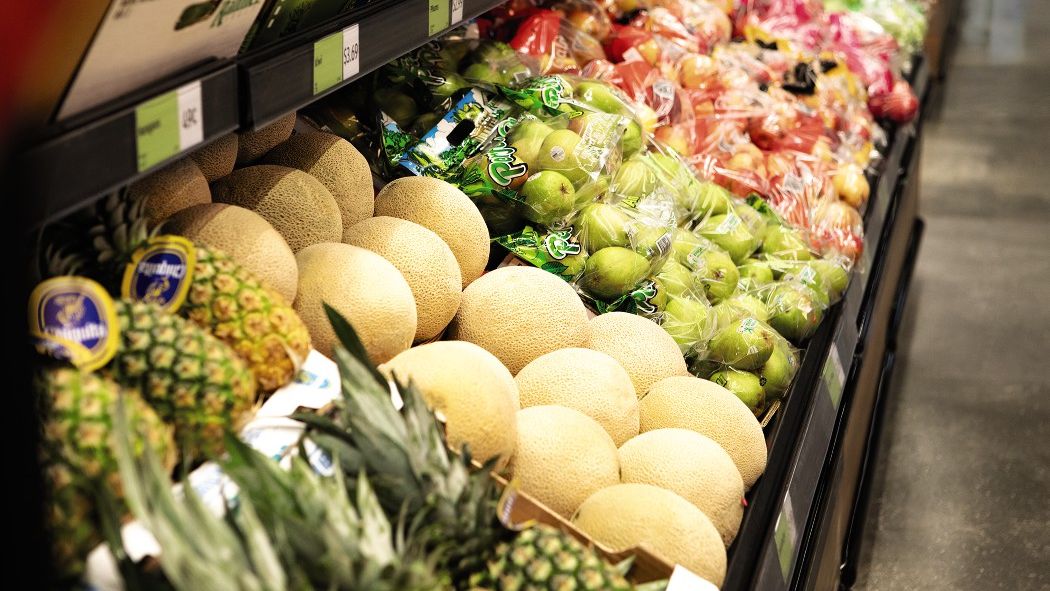
Food waste has a big environmental impact, accounting for about 16% of the total Greenhouse Gas emissions from the EU food system (Source: European Commission Food Waste). At ALDI, we work on minimising waste from our own operations by improving forecasting to better meet customer demand, applying markdowns to articles close to expiry, donating surplus to charity partners, selling “surprise” bags via Too Good To Go, diverting eligible food to animal feed, and recycling through biogas or composting. These actions maximise the value of our food and help prevent it from being landfilled or incinerated.
Additionally, we reduce supply chain waste by identifying food surplus and incorporating those “rescued ingredients” into some of our food products, such as with the Rettenswert brand in Austria.
Packaging
The production, transportation, and disposal of packaging materials also contribute to greenhouse gas emissions. We intend to continue to innovate our packaging to reduce weight, increase recyclability and utilise post-consumer recycled content.