Regenerate Natural Resources
Biodiversity loss, soil degradation, and water scarcity threaten the future of food production. At ALDI, we believe protecting and regenerating natural resources are integral to creating a more resilient food system across our key selected supply chains.
We work with our suppliers and partners to regenerate natural resources through targeted landscape and watershed initiatives. We invest in nature-based solutions, such as funding regenerative agriculture programmes, and help drive collective action on water stewardship in high-risk areas. By focusing on areas where risk is highest and shared, we can better help strengthen resilience and promote more sustainable land and water management practices.

Responsible sourcing
As a foundation, our sourcing and procurement policies continue to include nature protection criteria aimed at preserving biodiversity, protecting habitats, preventing deforestation, safeguarding water quality, and maintaining soil health. We are using independent third-party certification schemes for our key supply chains, such as Roundtable on Sustainable Palm Oil (RSPO). This means our suppliers are expected to comply with external standards that protect forests and natural ecosystems from conversion.
We also seek to enhance our procurement policies to align with evolving developments in recognised initiatives, such as the Alliance for Water Stewardship (AWS). This global initiative promotes good water stewardship through the International Water Stewardship Standard, and ALDI collaborates with the AWS and its members to encourage responsible water use and good water stewardship in our selected supply chains.
Initiatives and partnerships in regenerative agriculture
- We support suppliers with co-financing a varied range of agriculture practices which enhance biodiversity on farms, such as the Landwirtschaft der Zukunft (English: Agriculture of the Future) project in Austria. In this project, ALDI partners with around 80 dairy and vegetable farms on land regeneration initiatives related to soil health improvements, farm ecosystem restoration, and on-farm carbon storage.
- In Germany, we participate in the Für mehr Artenvielfalt (English: For Greater Biodiversity) programme of Naturland, a German association for organic farming. This programme gives Naturland certified farms financial assistance to implement biodiversity enhancing measures that help create habitats and food sources for birds, insects, soil organisms and other wildlife. Every Naturland certified private label product sold at ALDI contributes financially to this work.
- In addition to on-farm practices, we plan to co-invest and engage in initiatives with project developers, NGOs and governments focused on landscape restoration and protection, to improve natural landscapes and enable more resilient supply sheds. A supply shed is a geographic area containing all suppliers that provide the same type of commodity to ALDI’s value chain. For example, we joined the Resilient Coffee Programme by IDH in Vietnam, which supports activities related to greenhouse gas emissions reduction, strengthening supply security, and the adoption of regenerative agriculture practices in coffee production.
Regenerative agriculture
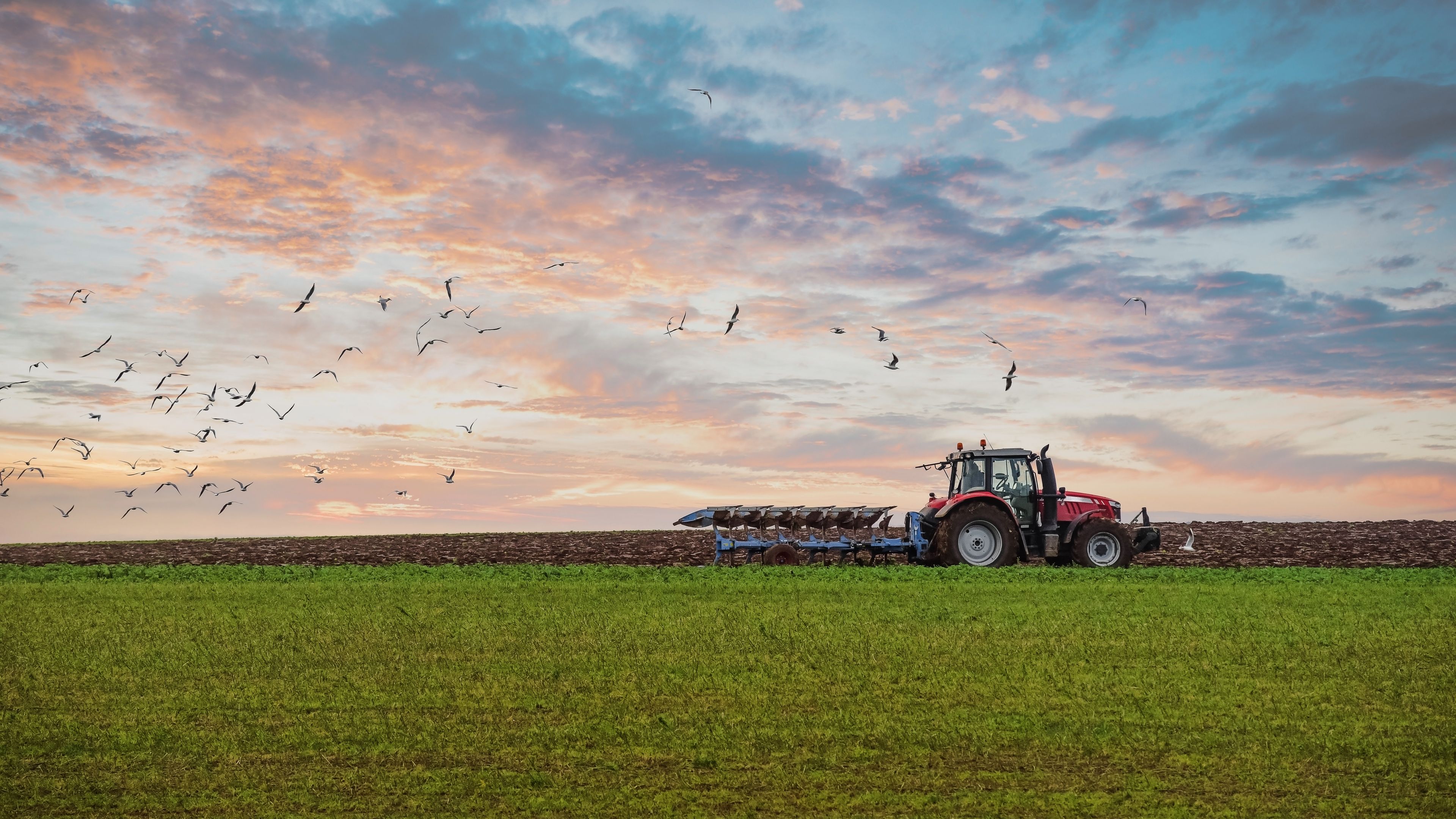
Regenerative agriculture is an outcome-based farming approach that aims to protect and improve soil health, biodiversity, climate and water resources while supporting farming livelihoods. Over the long term, it can strengthen food production resilience to climate change, help stabilise yields and reduce reliance on external inputs, such as pesticides and fertilisers.
Landscape restoration (regeneration)
Landscape restoration (regeneration) means supporting damaged or degraded landscapes to regain their natural ecological functions, such as soil health, water cycles, vegetation, and biodiversity, so they can recover and sustain themselves over time.
Initiatives and partnerships in water replenishment
- We build a portfolio of water replenishment projects with suppliers and industry partners where we are investing to improve watersheds across selected supply chains, such as in fruit and vegetables where ALDI has sponsored a project on sustainable water management in southern Spain. Or by being part of the UK WRAP Water Roadmap, a project that aims to reduce water-related risks to build resilience in the region.
- To address water risk further and promote action, we intend to continue to participate in key industry platforms, such as the Sustainability Initiative Fruit and Vegetables (SIFAV), where we partner across the fruit and vegetables sector with our suppliers to optimise water use in agriculture. We also engage with key certifiers of our focus supply chains to incorporate additional regenerative outcomes into their standards’ criteria for their ingredients and raw materials.
Water replenishment
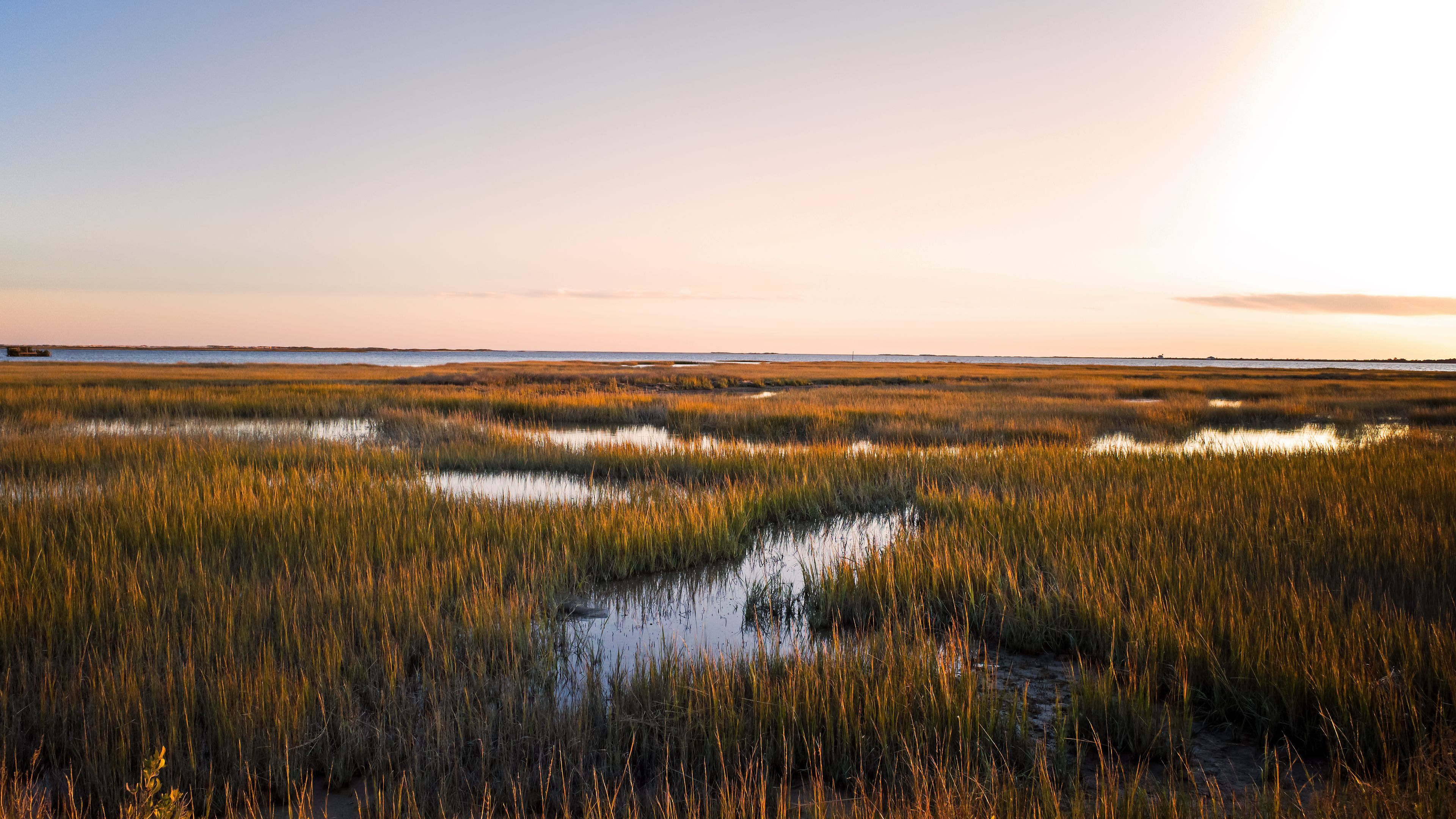
Water replenishment activities seek to return water to ecosystems and communities based on the local water challenges shared by local communities and stakeholders to create a positive impact on the catchment’s water availability, quality, and accessibility.
Advocacy on policies and standards
By engaging with policymakers and participating in recognised standard-setting processes, we can support the development of voluntary and regulatory frameworks that enable more sustainable food production. For example, ALDI joined other industry partners in urging policymakers not to reopen discussions on the EU Deforestation Regulation, emphasising the importance of moving ahead with the implementation of this legislation. We plan to continue to advocate for stronger regulation, government support and financial incentives for a nature-positive economy.