Support Thriving Communities
Farmers, food producers and workers face social challenges including poverty, poor working conditions, and health inequalities that can undermine supply chain stability and broader social wellbeing.
We invest in improving livelihoods of people across our selected food producing supply chains. We do this by supporting initiatives for enhanced living incomes, co financing regenerative agriculture practices that help mitigate farmers’ financial risks and supporting projects which enhance access to safe drinking water.
At the same time, we are committed to communities through the products we sell and the opportunities to offer healthier choices to our customers. We are reformulating products to reduce salt, sugar, and saturated fat, and supporting the transition to healthier diets by expanding our range of plant based options.
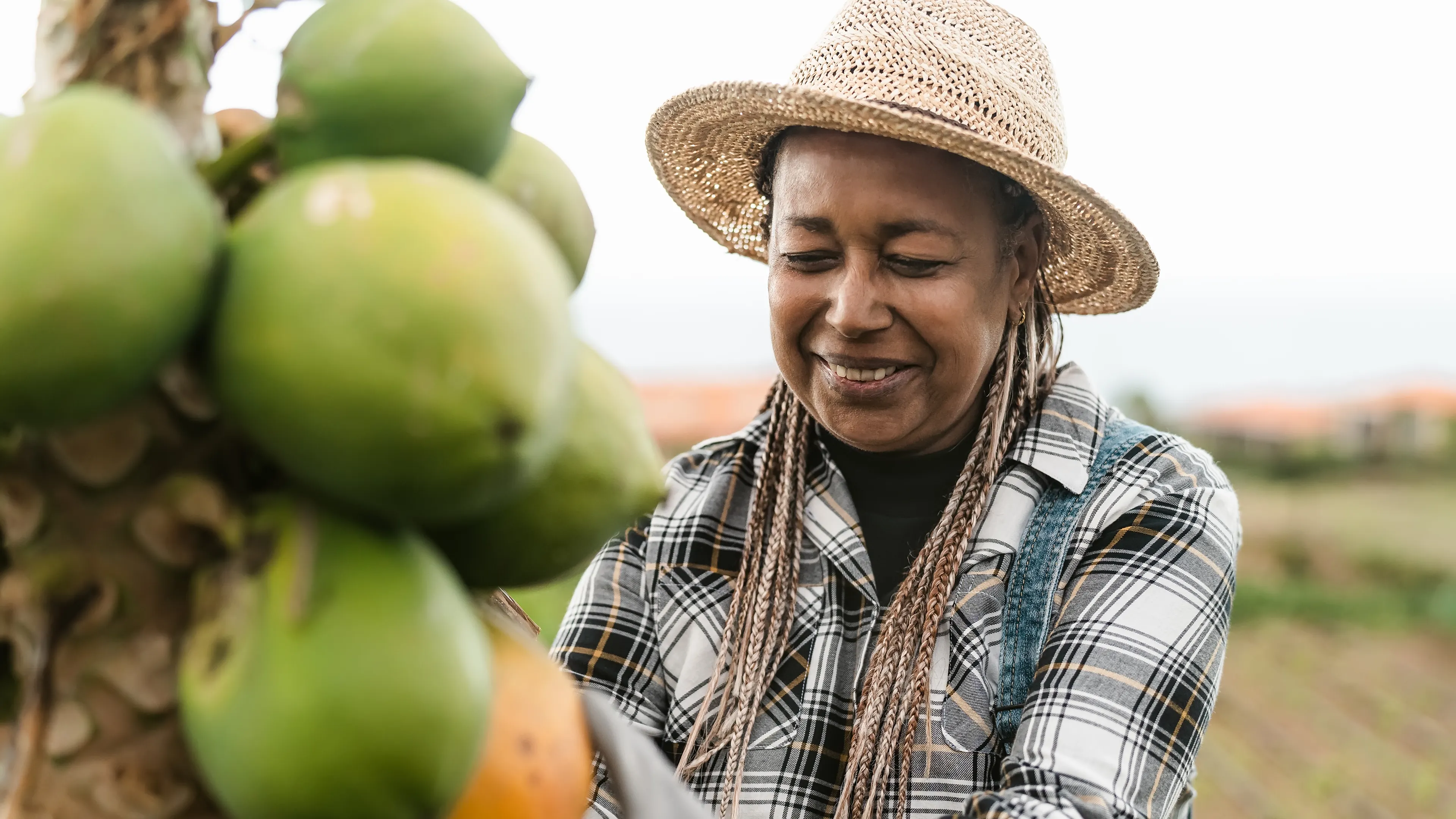
Human Rights in our supply chains
Through our human rights and environmental due diligence approach, our efforts to source responsibly, collaborate and advocate, and our investment in initiatives and partnerships, we commit to respect human rights and support improved livelihoods in our supply chains.
Due diligence approach
Human rights are universal. As an international business with global supply chains, we are committed to respecting human rights as laid out in our Human Rights and Environmental Due Diligence Policy.
The ALDI Business Partner Sustainability Standards translate this commitment into minimum binding requirements for all our business partners. They constitute our expectations for due diligence along our supply chains on matters such as child labour, forced labour and environmental stewardship. A rigorous due diligence process, grounded in the United Nations’ Guiding Principles for Business and Human Rights, forms the basis for our work on human rights in supply chains. Regular risk assessments help us to prioritise particularly salient risks and supply chains in which they occur. These insights help us focus where to establish additional prevention mechanisms such as audit and certification requirements, supplier evaluation and development, or placing particular emphasis on responsible purchasing practices.
Initiatives and partnerships to improve livelihoods
ALDI has identified opportunities to go even further in selected supply chains, and to co-invest in projects that aim to address systemic barriers and improve livelihoods.
- We intend to invest in initiatives on crop diversification and agroforestry, a land-use practice that integrates trees and shrubs with crop and livestock farming to create more diverse, productive and resilient ecosystems. By enhancing their farming system, farmers can improve yields sustainably, diversify income streams, and strengthen long-term financial resilience. For example, we work with partners such as PUR to deepen our engagement in broader regenerative agriculture efforts, with an initial focus on coffee-growing landscapes in Brazil.
- Additionally, together with a strategic chocolate supplier, we plan to build on experiences gained through the Fairtrade West Africa Cocoa Programme (WACP) and co-invest to support the transition of cocoa farms towards living income benchmarks and regenerative agroforestry systems.
- Many of the challenges we face require broader action across the sector. By engaging with multi-stakeholder initiatives, we seek to share knowledge and work together to develop solutions for our priority supply chains. This also includes our work with suppliers and affected stakeholders to help improve wages for workers and farmers.
- For example, with our cocoa sourcing through Tony‘s Open Chain for our Choceur CHOCO CHANGER chocolate bar, we support higher farmer incomes. And as a member of the German Retailers Working Group, we help address living wage gaps in the banana supply chains in Costa Rica and Ecuador.
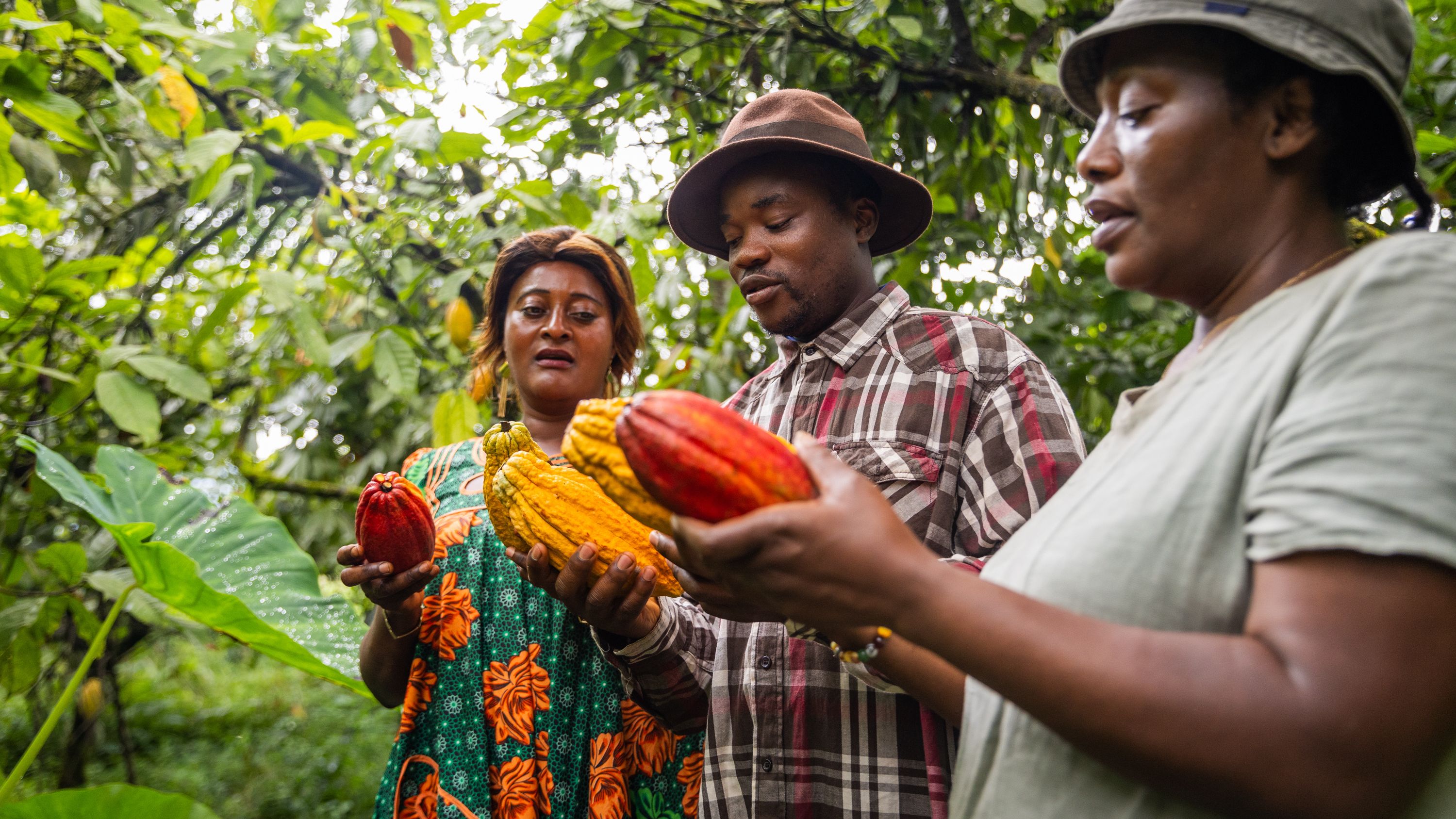
CHOCO CHANGER - ALDI’s responsibly sourced chocolate bar
By sourcing cocoa through Tony‘s Open Chain for our Choceur CHOCO CHANGER chocolate bar, we support higher farmer incomes.
100% of the cocoa for the Choceur CHOCO CHANGER is bought from partner cooperatives of Tony’s Open Chain. By adopting Tony’s 5 Sourcing Principles for the Choceur CHOCO CHANGER, we take responsibility for our cocoa supply chain. The cocoa beans can be traced back to the farm level, which means we know where they are grown and harvested. We pay farmers a premium that enables them to earn a living income. By building long-term partnerships with cooperatives and farmers, we can support their professional development, promote sustainable agricultural practices and enable them to invest in their future.
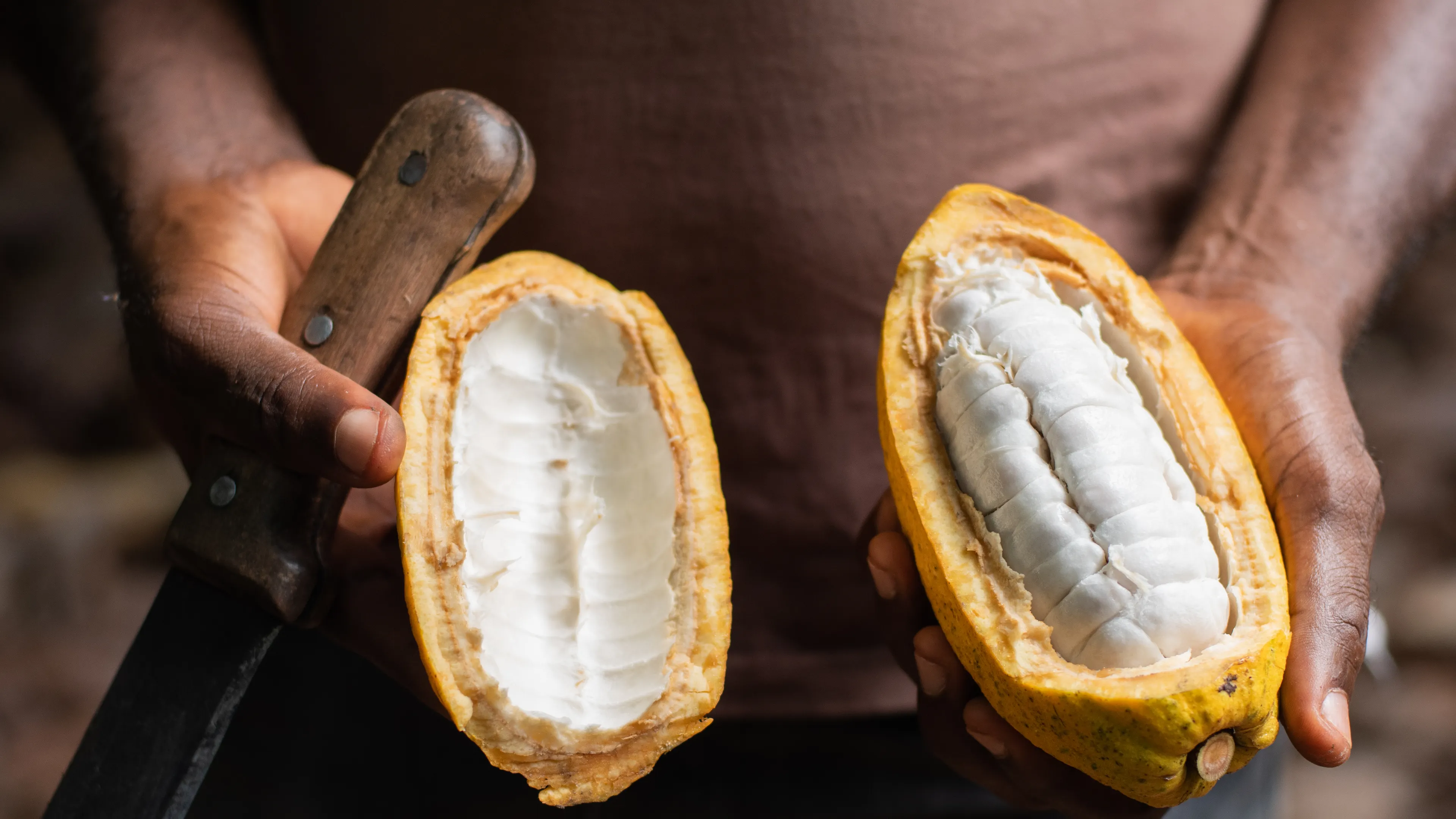
ALDI’s sustainable banana sourcing model
And as a member of the German Retailers Working Group, we help address living wage gaps in the banana supply chains in Costa Rica and Ecuador.
To strengthen sustainability in our banana supply chain, we introduced an enhanced sourcing approach in 2023. This approach was developed in collaboration with selected suppliers and is grounded in the . As part of this, we conduct regular reviews of pricing structures to help ensure our pricing reflects relevant market developments and value chain considerations.
This sourcing model is designed to foster long-term partnerships with our direct business partners and producers. By maintaining stable banana volumes, we aim to provide our key suppliers with greater financial security and planning visibility, supporting their ability to invest in more sustainable practices and contribute to positive social and community outcomes.
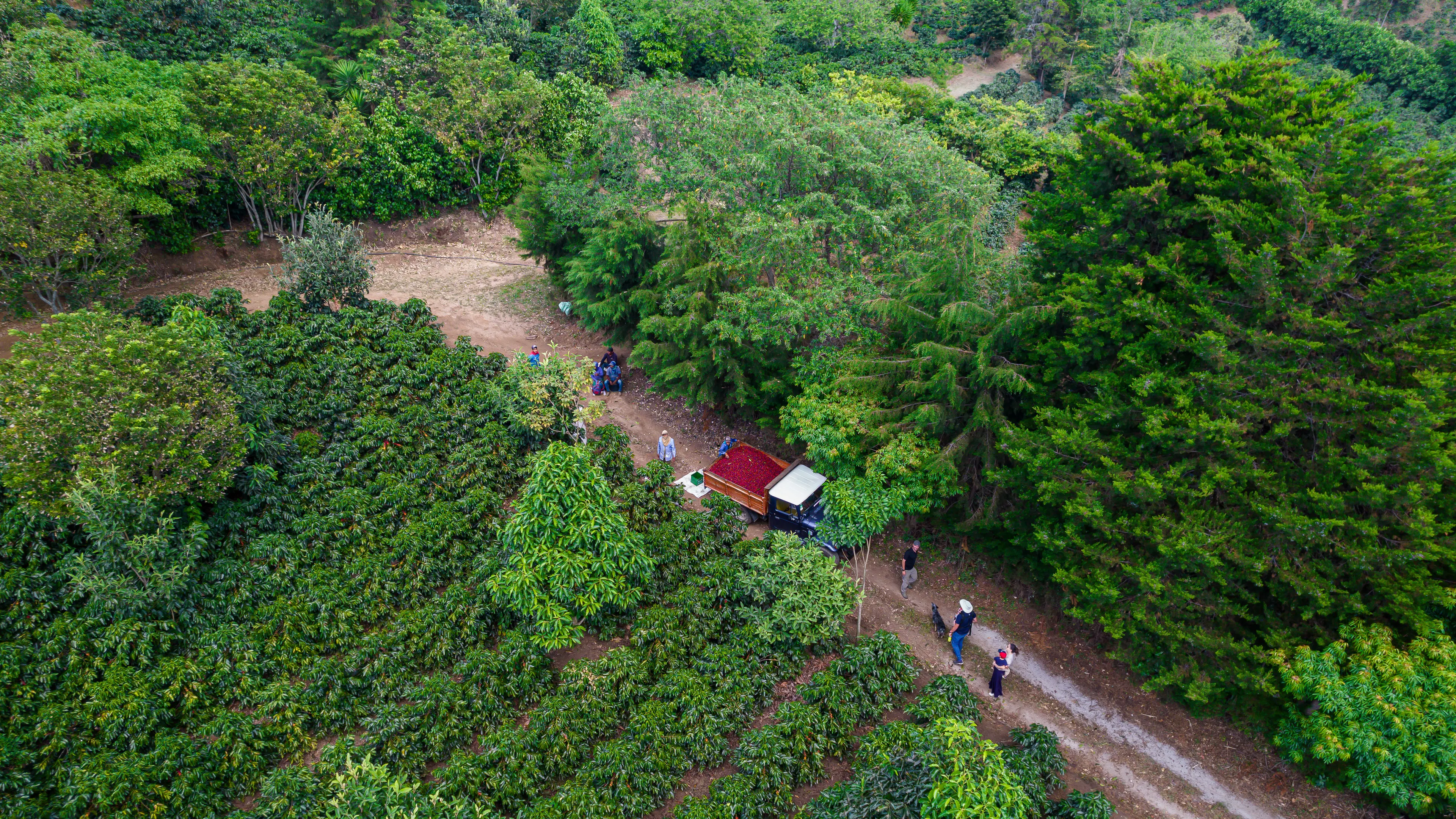
Living income project for coffee farmers in Honduras
The ALDI SÜD Group collaborated with ofi (Olam Food Ingredients) on a four-year project to reduce the living income gap for around 1,000 coffee producers in Honduras. Key measures to create a positive impact on the local coffee community included enhancing market access, providing tailored training to increase yields and product quality, and supporting farmers in achieving Rainforest Alliance certification.
In 2021, primary data from 781 farmers was used to estimate their Living Income and its gap against the national benchmark. The Living Income Benchmark is a figure from external publication, aligned with the Ankers Institute. At that time, only 35% were above the living income benchmark. A second assessment in 2025 indicated that overall living incomes had improved since then. By the end of the four-year project, 54% of farmers were found to be above the living income benchmark — a 19% increase on 2021.
Enhancing cocoa farmer’s livelihoods
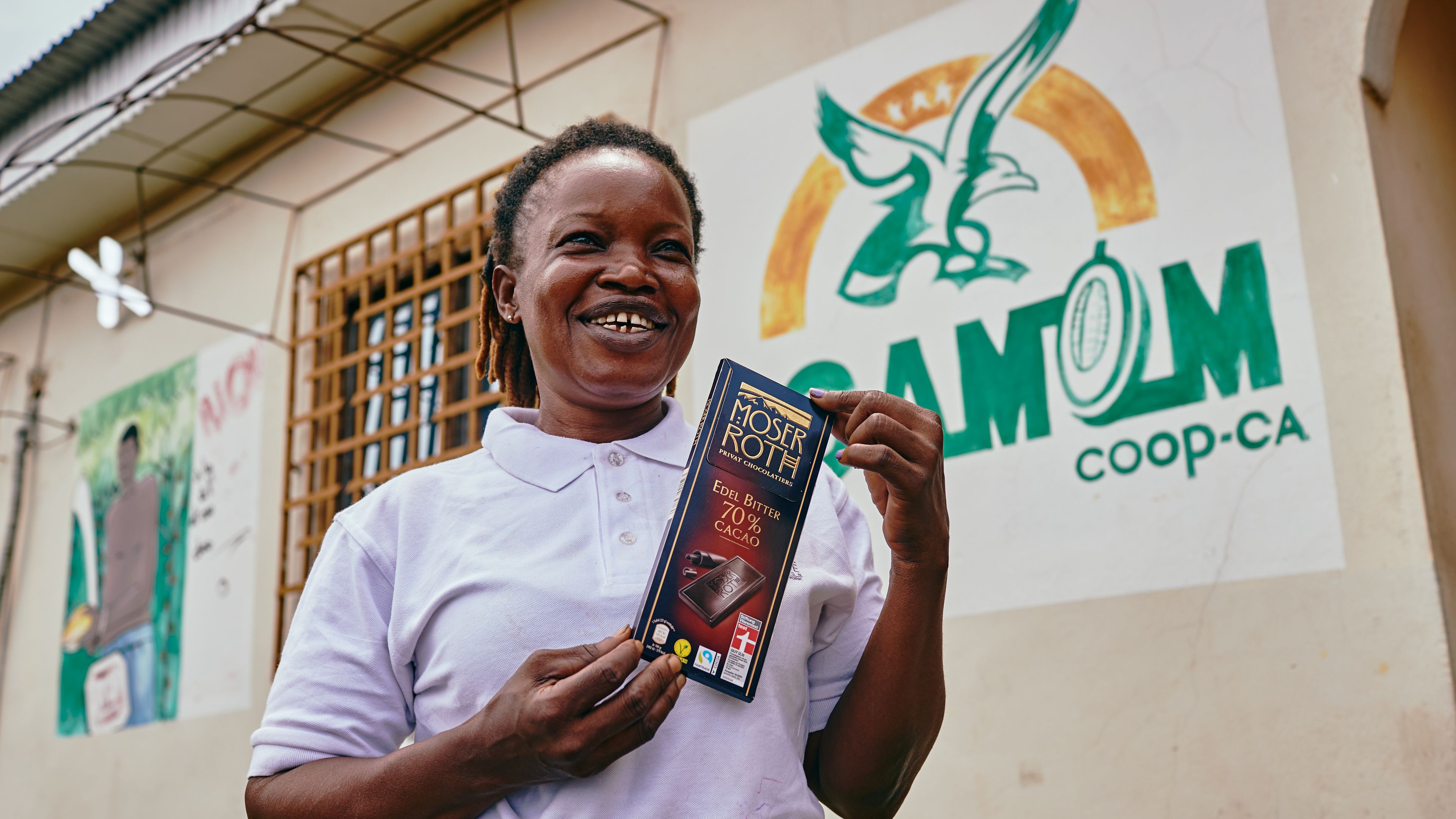
The ALDI SÜD Group started the collaboration with the cocoa cooperative ECAMOM, Fairtrade, and chocolate manufacturer Storck in 2020. It all began with an assessment of how the Fairtrade system affects the livelihoods of its farmers. By tracking how and for what the premiums are used, ECAMOM can monitor what farmers are able to achieve with them and identify areas where additional support is needed. For their current product range, ALDI and Storck source a significant amount of cocoa beans a year from the cooperative.
In 2024, the ALDI SÜD Group started a new two-year project with ECAMOM, Fairtrade, and Storck. It focuses on the implementation of key initiatives and selected activities: promoting women's empowerment, tackling child labour, increasing financial inclusion, and ensuring deforestation monitoring to fulfil the EU deforestation regulation’s requirement.
Initiatives and partnerships in water, sanitation and hygiene (WASH)
We intend to support access to safe water and sanitation for workers and communities in our selected supply chains in high-risk water areas. We plan to achieve this by co-investing in supplier programmes, establishing partnerships with NGOs and international organisations and participation in landscape and community resilience initiatives linked to shared water resources. This work is still in its early stages, and we continue to develop our portfolio with partners over the coming months.
Advocacy on policies and standards
We believe that the introduction of corporate mandatory due diligence into legislation is an important building block for the realisation of human rights along international supply chains. Mandatory legislation creates a level playing field and makes human rights along supply chains non-negotiable. We support the development of effective, impact oriented human rights due diligence laws and encourage open, inclusive dialogue on how they can work in practice.
ALDI has publicly supported the introduction of the EU Corporate Sustainability Due Diligence Directive (CSDDD) and has consistently called to protect the core principles of the Directive during the Sustainability Omnibus I negotiations. We plan to continue engaging with policymakers and partners on this path towards a level playing field for human rights due diligence across our markets.
Healthier choices for our customers
We aim to achieve progress on healthier choices through product reformulation, an attractive and increased offer of plant-based products, nutrition labelling, collaboration and advocacy.
Product Reformulation
We intend to introduce clear guidelines to help our suppliers reformulate products by lowering salt, sugar and saturated fat. To further improve nutritional profiles, we aim to increase fibre, wholegrain and protein content of our products, with a focus on selected products in categories with the highest reformulation potential and health impact, such as breakfast, dairy, bakery, pantry, chilled and frozen products, and non-alcoholic beverages.
For example:
- In Germany, we have reformulated our private label breakfast cereals*, reducing sugar by 400 tonnes in 2024 (baseline 2014), and improved our frozen pizza range**, cutting 21.8 tonnes of salt over the same period (Nutrition Report 2025).
*All cereal products in our own-brand standard range were compared in 2014 and 2024. For all comparable products, the difference in sugar content was determined and the amount of sugar saved was extrapolated based on the sales volume in 2024. ** All frozen pizza products in our private label standard range in 2014 and 2024 were compared. For all comparable products, the difference in salt content was determined and the amount of salt saved was extrapolated based on the sales volume in 2024.
Reformulation
Food reformulation is the process of altering the processing or composition of a food or beverage product, to improve its nutritional profile or to reduce its content of ingredients or nutrients of concern.
Plant-based products
We aim to provide healthy, affordable plant-based options aligned with our product assortment and customer demand. This includes plant-based protein sources (such as meat alternatives, legumes and grains), dairy alternatives, plant-based fats and oils, and fruit and vegetables, as defined by the WWF Planet-Based Diets Retailer Methodology.
Our plant-based products are clearly labelled, for example with the V-Label in Germany or the Vegan Trademark in the UK and European markets, to enable customers to make deliberate choices. We also seek to work with suppliers on the development of “hybrid” products, where a portion of meat or dairy is replaced with plant-based ingredients, such as the hybrid burger we offer in Germany.
For example:
- In the UK, we have more than doubled our range of dairy alternatives since 2020 and 21% of all “high in protein” sales in 2024 came from plant-based sources (compared to 17% in 2024) (ALDI UK Sustainability Report 2024).
- In Germany, we were named Vegan Retailer No. 1 or our private labels in 2024, according to Nielsen. We offer 1,400 vegan‑labelled products (including regular, promotional, and seasonal items) that were listed in our ALDI stores in Germany spread throughout the year 2024 - more than twice as many as in 2021. We also use the WWF Planet-Based Diets Retailer Methodology to calculate the plant-based and animal-based shares
- HOFER Austria aligns with the Planetary Health Diet and provides suppliers with formulation guidelines for plant-based alternatives, including requirements for nutritional profiles, ingredients and additives.
Plant-Based Diet
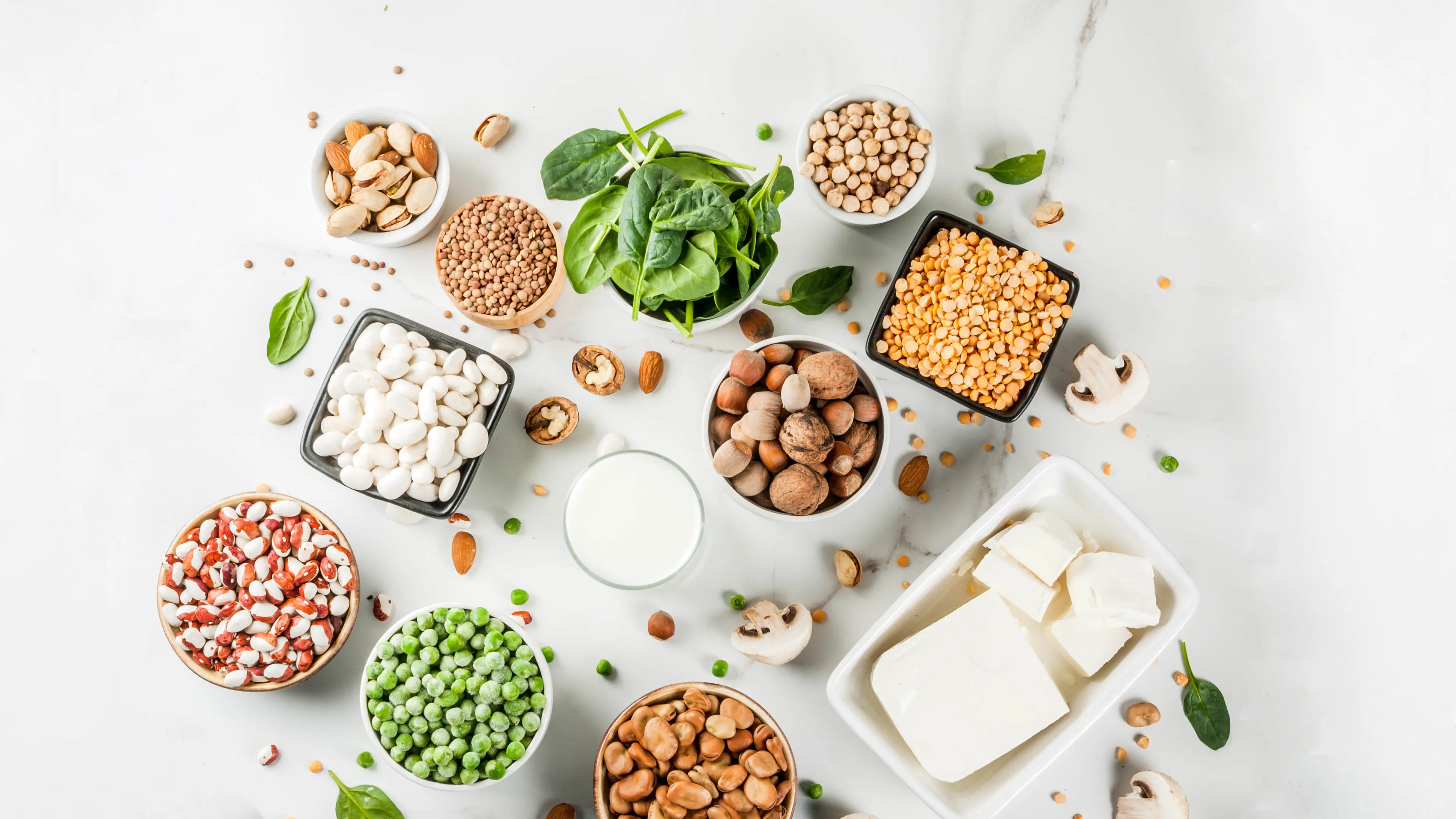
Plant-based diets constitute a diverse range of dietary patterns that emphasize foods derived from plant sources coupled with lower consumption or exclusion of animal products.* A balanced plant-based diet is often considered nutrient rich, containing high fibre and lower levels of saturated fats.** According to WWF, plant-based diets can reduce food-related greenhouse gas emissions by at least 30%, agricultural land-use by at least 41% and premature deaths by at least 20%.***
Nutrition labelling
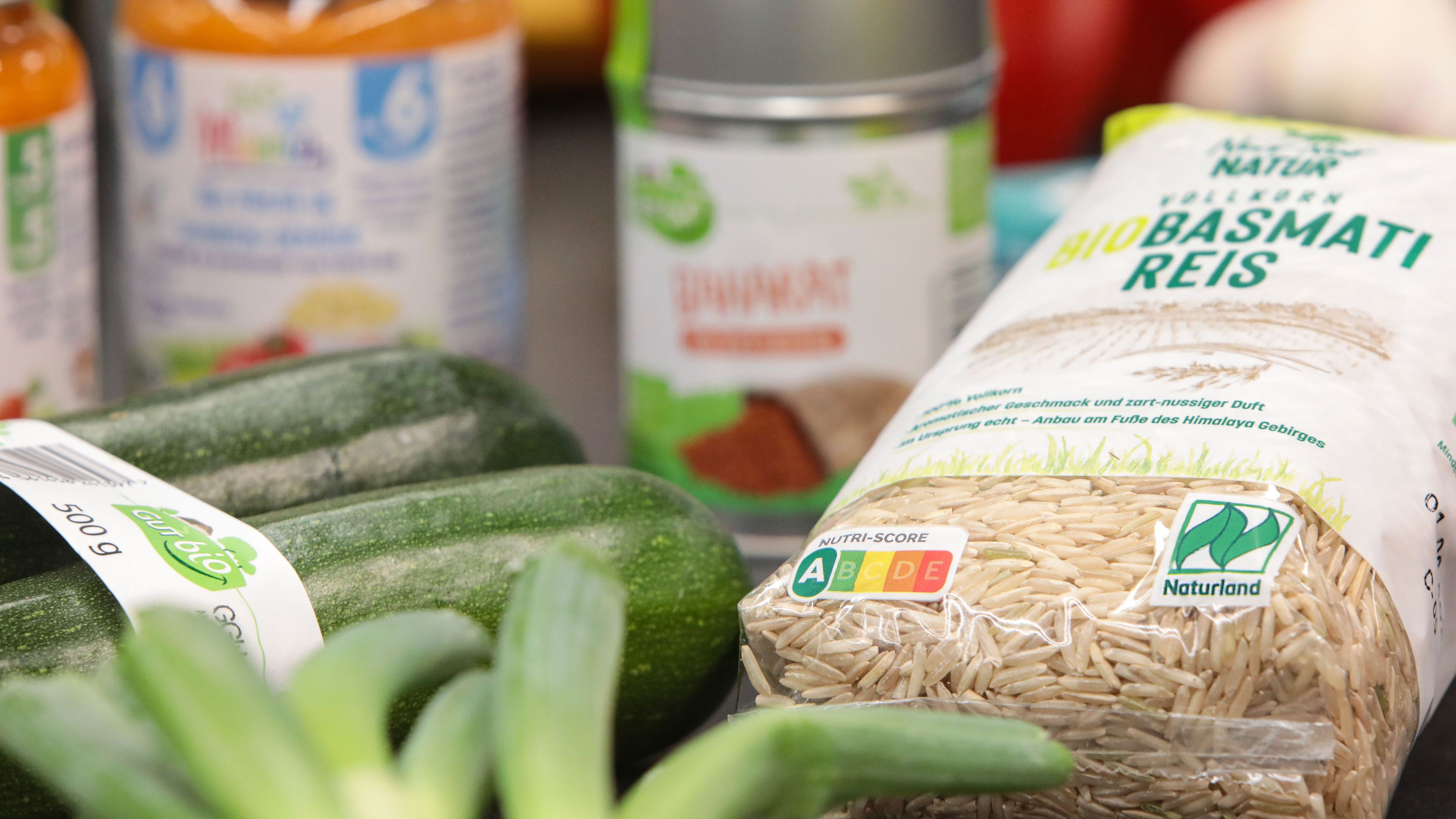
To enable our customers to make informed decisions on healthy diets, we plan to leverage clear and transparent nutritional labelling on our packaging based on recognised standards. We build on the significant progress we have made so far in many of our markets, such as with the Nutri-Score in Germany and Switzerland, the Traffic Light Labelling system in the UK, and the Health Star Rating in Australia.
Collaboration and partnerships for healthier diets
- We intend to continue working with and further strengthen our collaboration with highly recognised nutrition and food associations, such as the British Nutrition Foundation or the Healthy Food Partnership in Australia.
- Complementing our engagement through food associations and the work of our internal nutrition experts, we closely collaborate with external advisors. In Germany, we have established an independent expert council to advise us on the health requirements of our German organic brand Nur Nur Natur. As one of the first retailers in the UK, we joined the Action on Fibre to work with partners on increasing fibre intake. In Australia, we piloted the Whole Grain Certified logo of the Grains and Legumes Nutrition Council (GLNC) to support an increased consumption of whole grains.
Advocacy on policies and standards
Legislation plays an important role to ensure that healthy choices are accessible to our customers. We are engaging with policymakers to incentivise the consumption of healthy foods, drive easy to understand and consistent nutrition labelling, and support innovation, and we seek to further intensify our engagement in the future.
For example:
- As a co-signee of the Partners for Plant-based: A Declaration to strengthen Europe’s Value Chain, together with over 100 other organisations, we are calling for an EU-wide protein strategy and action plan to drive innovative solutions and call for a more resilient plant-based food system in Europe. Through our membership of EuroCommerce, we contribute to industry dialogue at EU level on topics relevant to the retail sector and the customer-facing requirements that shape access to healthier choices.
- In Germany, we also engage in the Forum Proteine der Zukunft auf dem Teller, an initiative of the German Federal Office for Agriculture and Food (BLE), to support informed discussion and evidence-based approaches around the role of protein in future diets.