The ALDI SÜD Group is dedicated to working towards helping eliminate deforestation and the land conversion of natural ecosystems from our critical supply chains. Certification, transparency, and close collaboration with our suppliers are key elements in progressing toward this commitment and supporting the protection of forest areas.
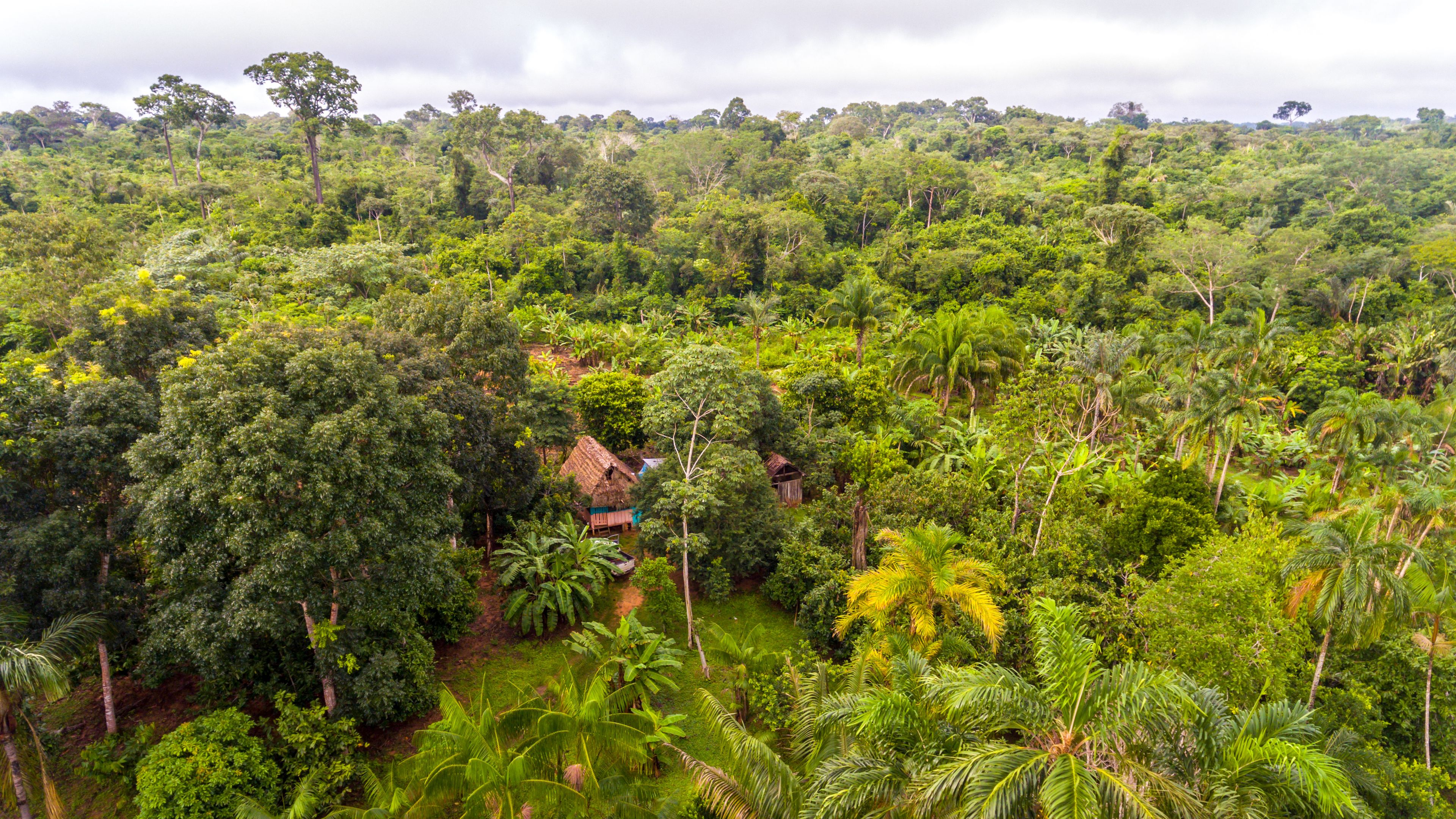
Why forests are essential for people and climate
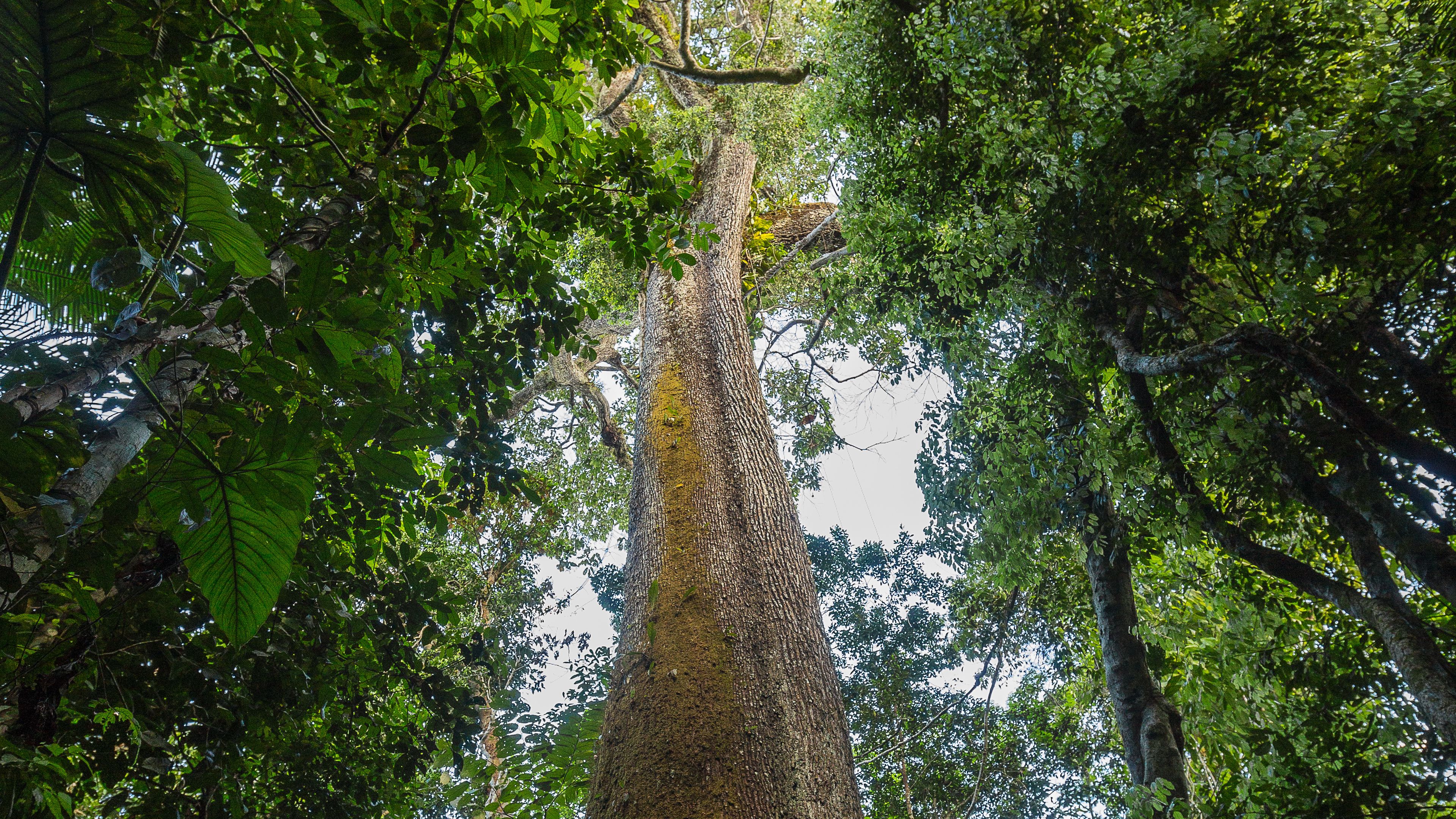
Almost one third of the world’s land is covered by forests. They are diverse and complex ecosystems, containing significant amounts of the planet’s freshwater and providing habitats to many of the world’s plant and animal species. For millions of people, forests are a source of livelihoods, providing important resources like food, firewood, water, or ingredients for medicine. Many Indigenous people and local communities call forests their home and depend on them to generate an income.
At the same time, forests are essential to mitigating climate change: They function as carbon sinks, absorbing large amounts of CO2 from the air and storing them in the soil. By cutting or burning down trees and natural vegetation, this carbon is released – accounting for about 7% of global emissions in 2022 alone.
Our forests are under pressure. Over the past 30 years, around 10% of the world’s forests have been lost through deforestation. Tropical rainforests worldwide are particularly under threat – about 17% of the Amazon has already been destroyed. And deforestation continues at alarming rates, contributing to climate change and biodiversity loss.
Mitigation of risks of deforestation and forest degradation
Agricultural expansion is a major driver of global forest degradation and deforestation, with commodities such as beef, dairy, palm oil, soy, timber, coffee, and cocoa posing particularly high risks. For these supply chains, we focus on increasing the uptake of sustainable standards and certification. By applying independent third-party certification schemes, following chain-of-custody standards, and prioritising sourcing from low-risk origins (based on the European Commission EUDR Benchmark Country Classification List), we seek to ensure that our suppliers comply with standards that protect forests and natural ecosystems from conversion.
Increasing supply chain transparency is key to verifying whether our requirements are met and to identifying potential risks. This includes mapping raw material supply chains and conducting regular assessments, either performed individually or together with our partners, to monitor performance and drive continuous improvement.

ALDI's dedication to eliminating deforestation
The ALDI SÜD Group set a goal to eliminate deforestation from its high-risk supply chains, including palm, soy, timber, beef, cocoa, coffee, by 2025. While we have made meaningful progress towards this goal (see below), we did not fully achieve our objective of eliminating deforestation from all high-risk supply chains by this target date. This reflects broader industry-wide challenges as well as structural and regulatory barriers, including the complexity of verifying soy used in animal feed across multiple supplier tiers, ongoing traceability limitations in palm oil and cocoa supply chains, and the delays to the implementation of the EU Deforestation Regulation.
The Science Based Targets initiative (SBTi) has acknowledged and proposed that companies unable to meet previous goals review, and where necessary, adjust their timelines for achieving deforestation-free supply chains. As part of our new sustainability strategy, Force for Good, we will assess how to address the remaining obstacles we still encounter in some supply chains, such as increasing our engagement in high-risk sourcing regions. Through this action, we aim to sustain the progress made to date on deforestation.
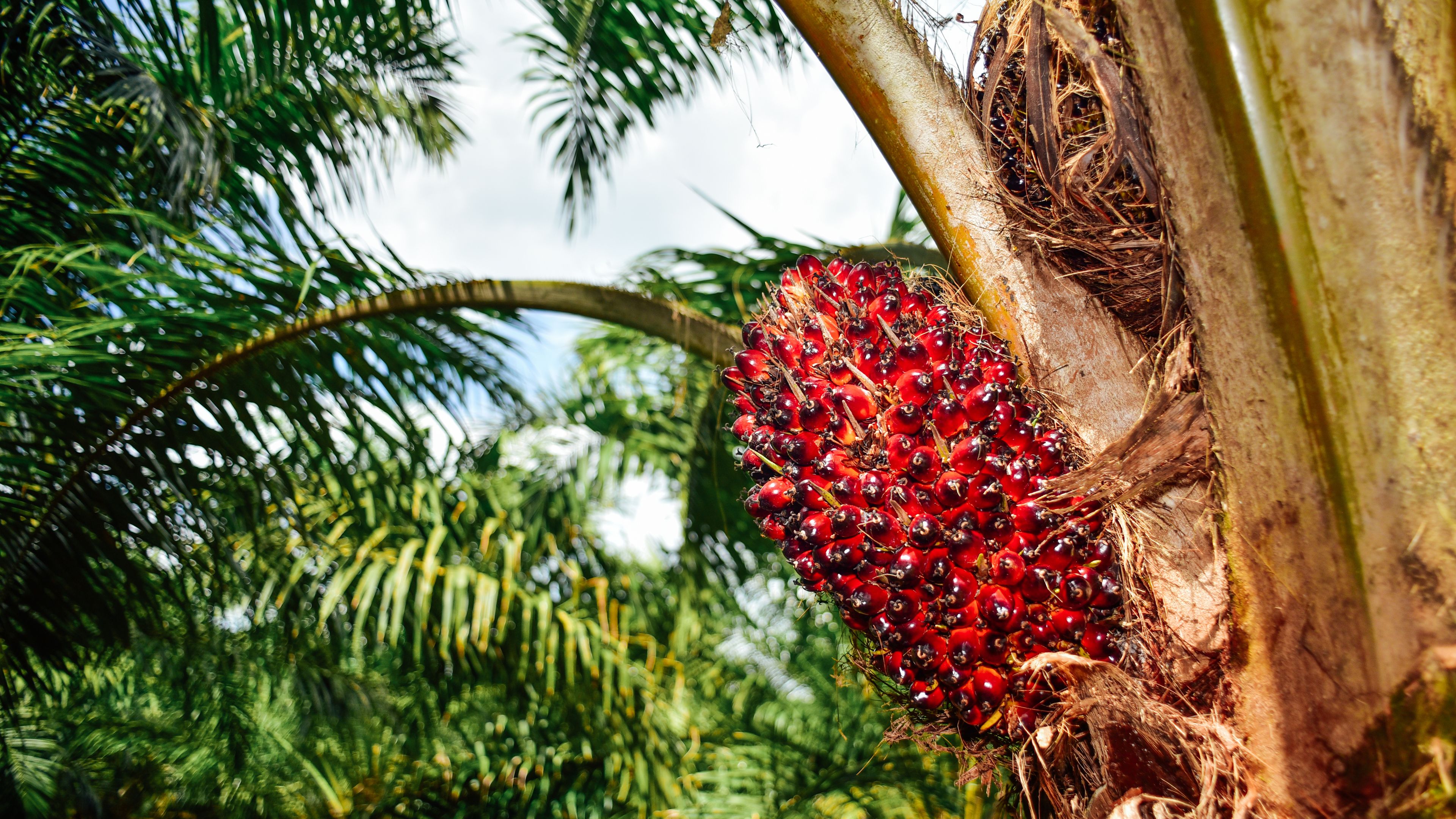
Palm (Kernel) Oil
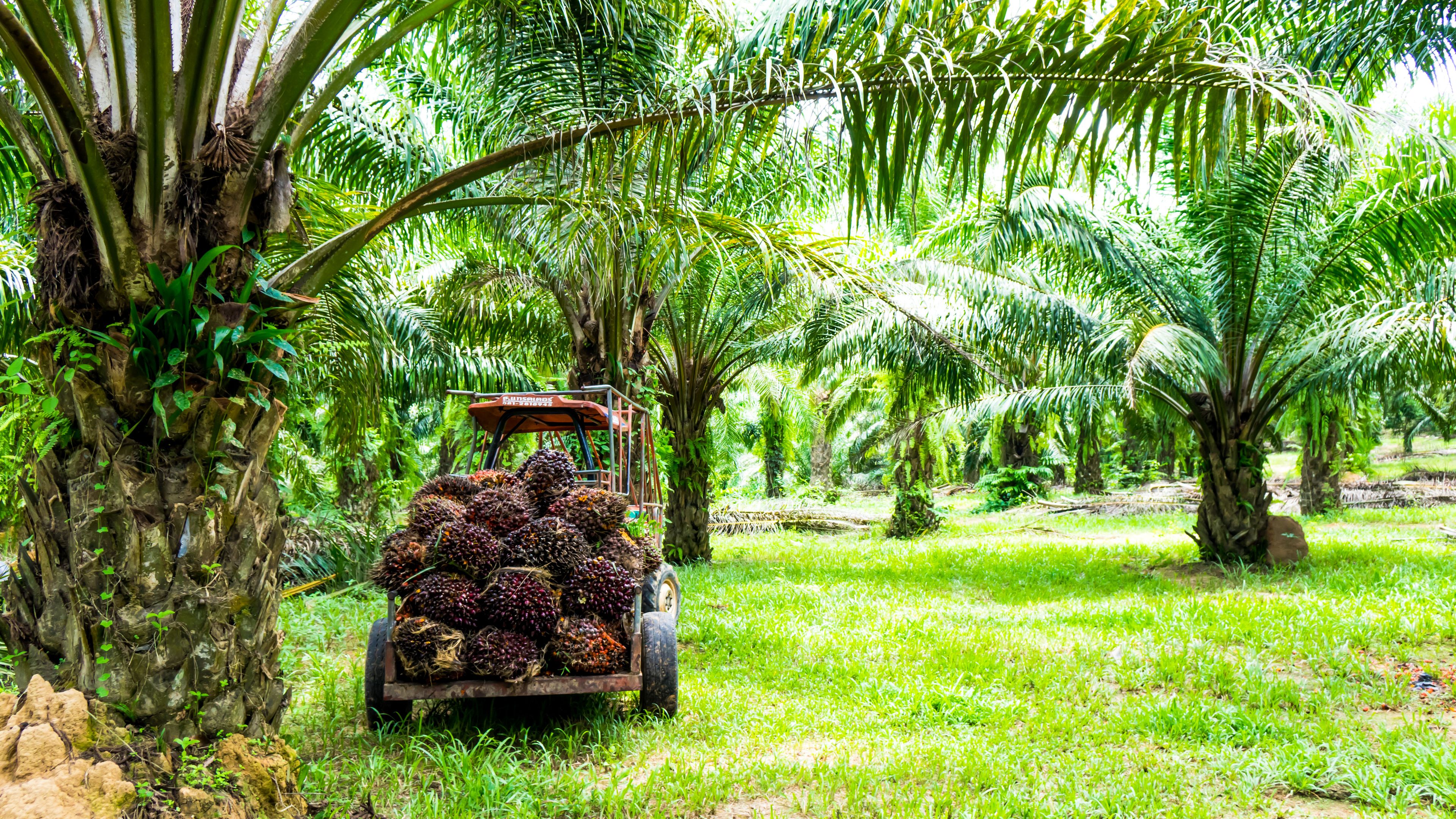
- 100% of the palm oil used in our private-label products is certified according to the Roundtable on Sustainable Palm Oil (RSPO) chain-of-custody standard.
- Around 75% of the palm oil used in our European markets is further certified according to the RSPO segregated chain-of-custody standard, which increases traceability of the palm oil’s origins.
- As member of the Retailers Palm Oil Group (RPOG), and the Roundtable on Sustainable Palm Oil (RSPO), we are collaboratively addressing systemic challenges and contribute to sector-wide solutions.
- We have supported smallholder farmers through a project in Côte d'Ivoire, fostering sustainable palm cultivation and restoring over 250 hectares of forest. We intend to continue supporting similar initiatives going forward.
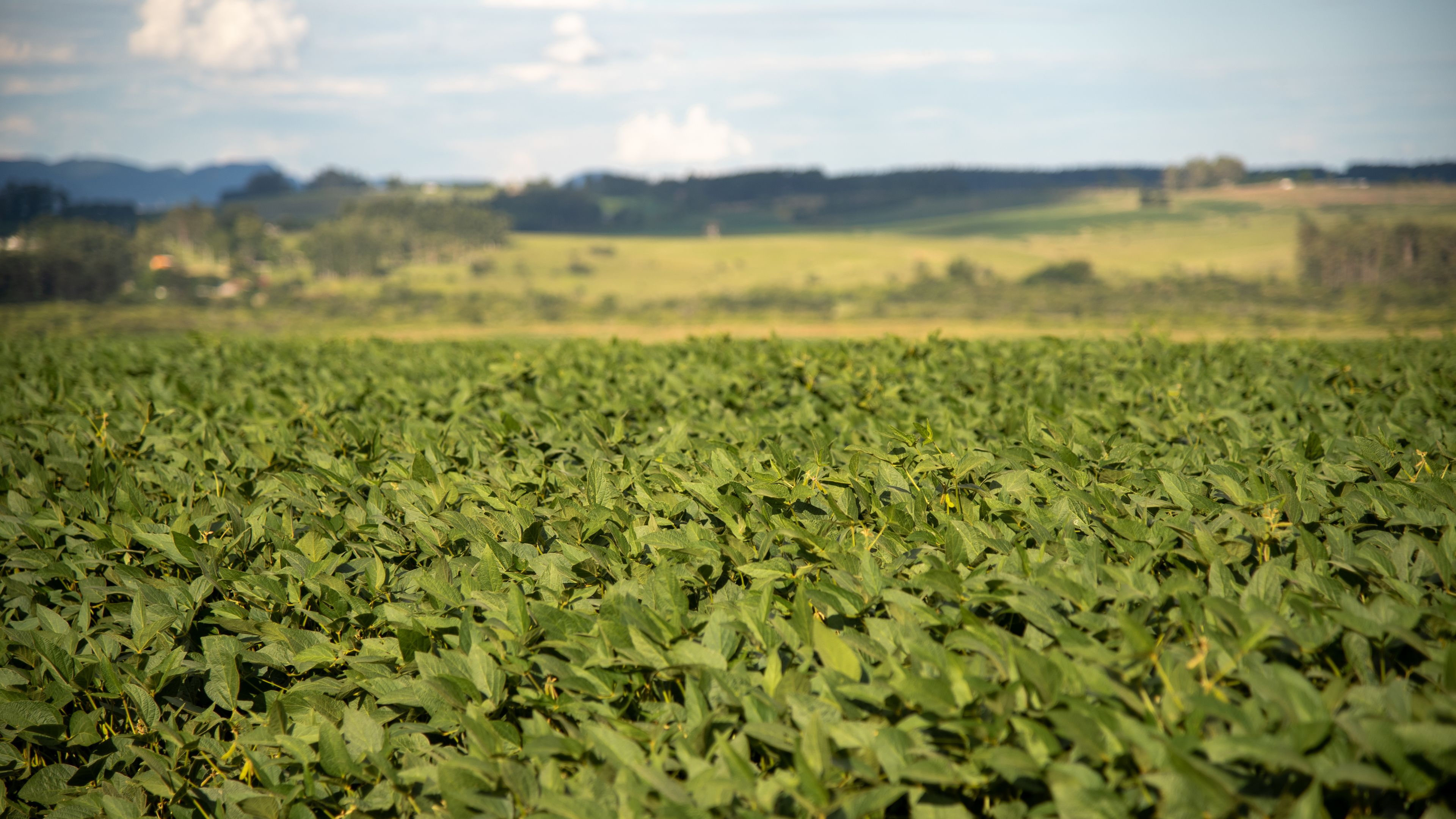
Soy
- As part of the Collective Soy Reporting initiative, we regularly calculate our soy footprint to identify deforestation risks and potential negative impacts in our supply chains.
- The ALDI SÜD Group supports the transparency requirements for soy imports set out by the EU Deforestation Regulation in our European markets. However, ensuring that soy used in animal feed originates from deforestation-free origins remains challenging in markets where equivalent regulations are not in place, such as the US, the UK or Australia.
- As members of the Retail Soy Group and the Consumer Goods Forum’s Forest Positive Coalition, we collaborate with stakeholders to address systemic challenges and contribute to the development of sector-wide solutions in our non-European markets.
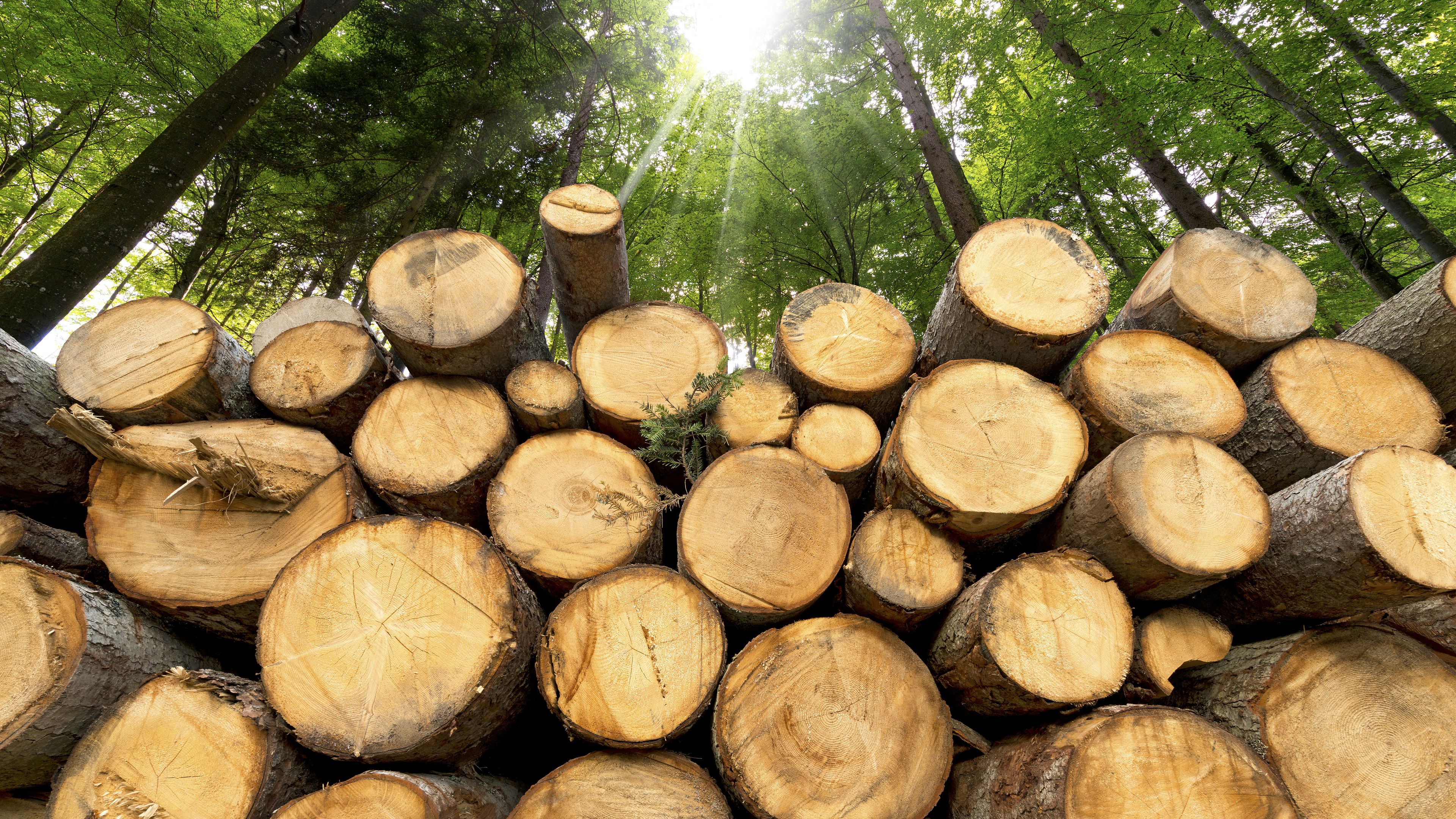
Timber & wood-based products
Including paper and packaging:
- 100% of wood-based products or packaging for our own-brand core range* are either recycled or certified and meet the standards of Forest Stewardship Council (FSC), Programme for the Endorsement of Forest Certification Schemes (PEFC) or the Sustainable Forestry Initiative (SFI) (US market only).
* Footnote: Core range means all of our everyday products. Excluded are special buys (middle-aisle items) and seasonal products.
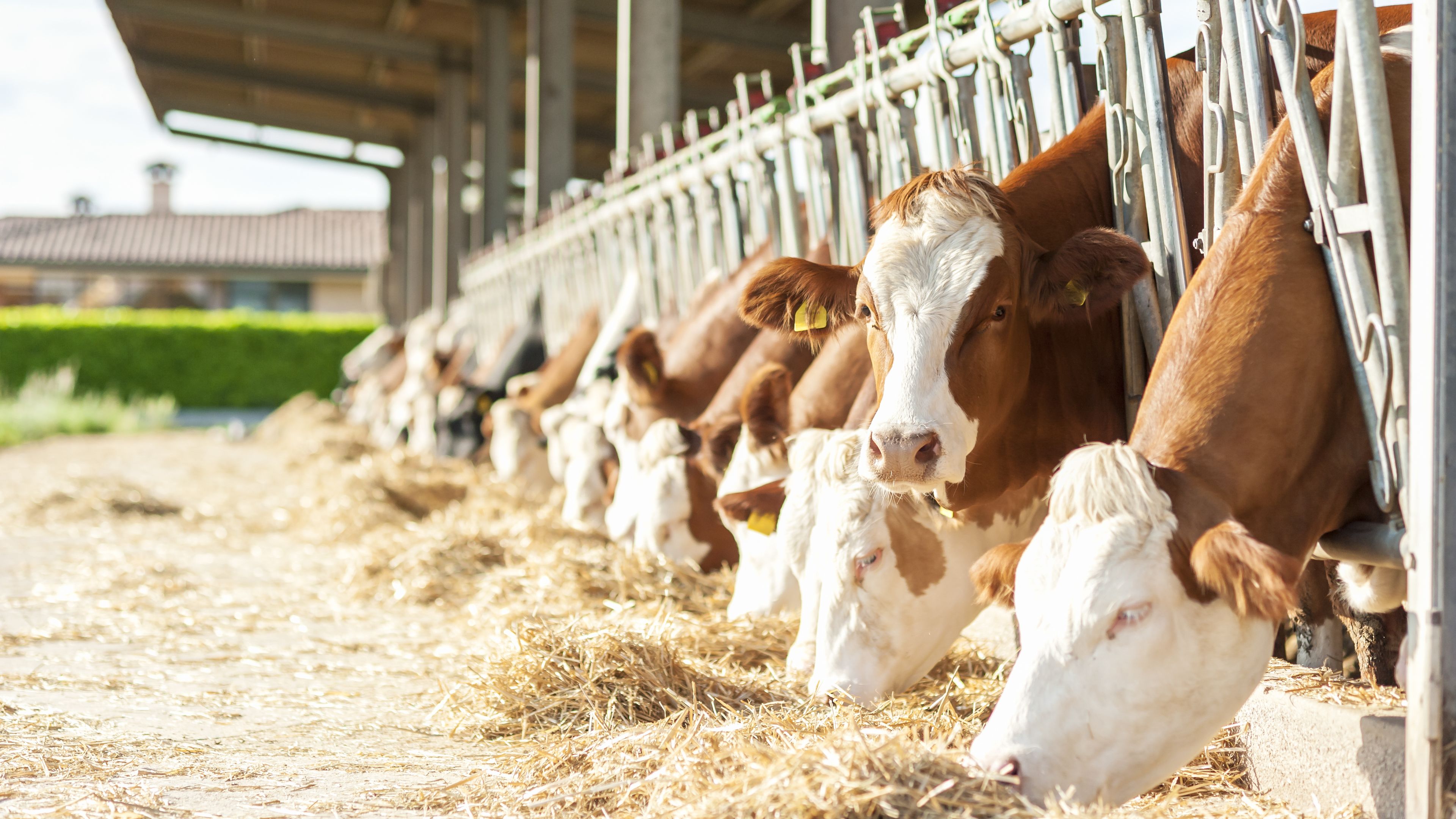
Beef farming
- Across our national markets, we prefer to source beef from the country in which it is sold.
- Our internal deforestation risk assessment in 2020 indicated that less than 1% of ALDI’s global beef supply originates from higher-risk regions in South America, such as Brazil and Argentina.
- We prioritise the sourcing of beef from lower-risk regions and withdraw from high-risk countries where no assurance mechanisms are in place (based on our 2020 internal deforestation-risk assessment).
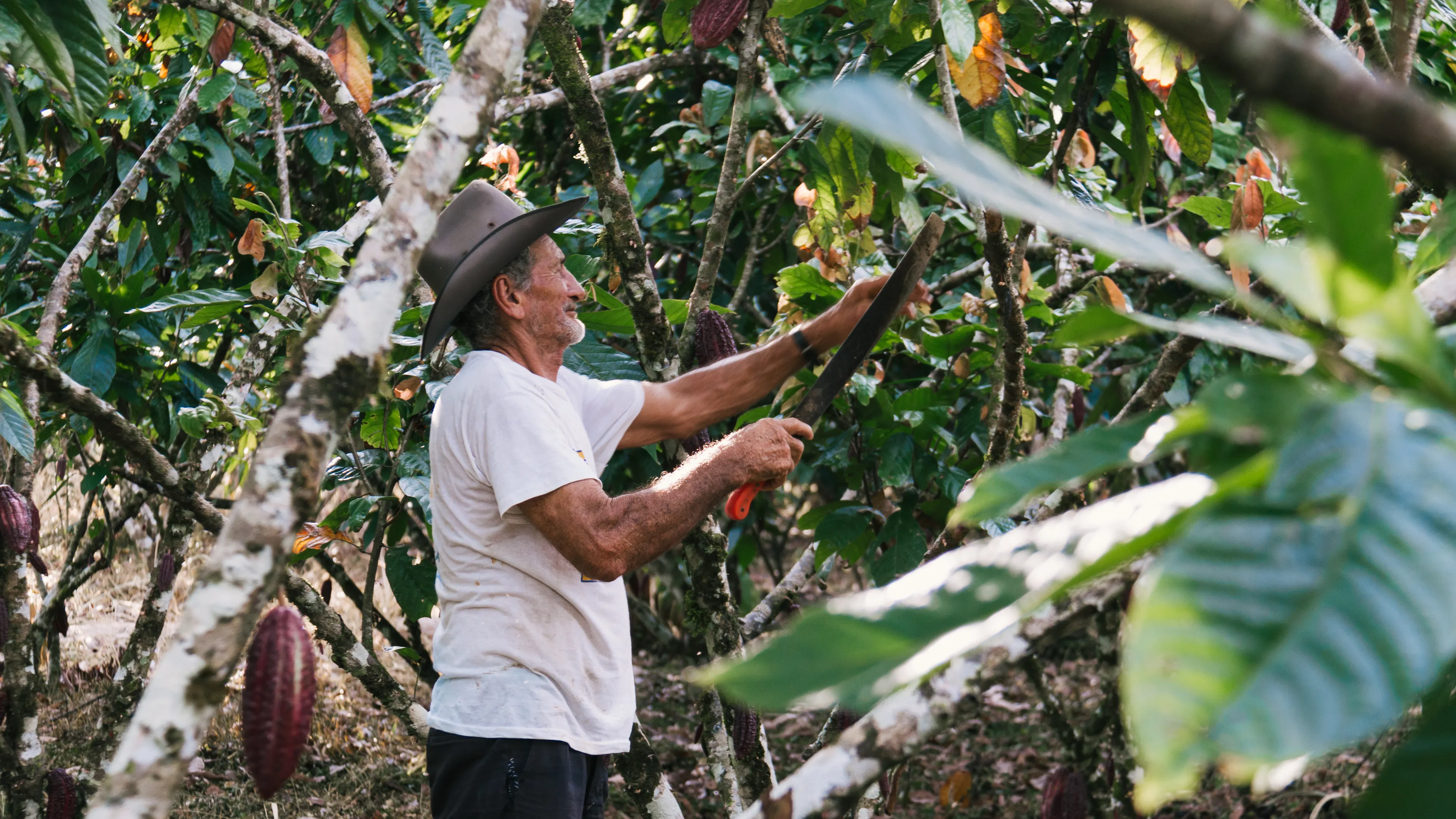
Cocoa
- 100% of our private label chocolate products are certified by the Fairtrade or Rainforest Alliance standards (2025).
- The ALDI SÜD Group collaborates with multi-stakeholder initiatives such as the Retailer Cocoa Collaboration (RCC), German Initiative on Sustainable Cocoa (GISCO) and the Swiss Platform for Sustainable Cocoa.
- We are a Mission Ally of Tony’s Open Chain (TOC). As part of this engagement, the cocoa used for the Choceur CHOCO CHANGER bar is fully traceable.
- Not all sustainability standards in cocoa provide full traceability to origin. We are therefore looking into further measures to address deforestation and conversion risks within our cocoa supply chains.
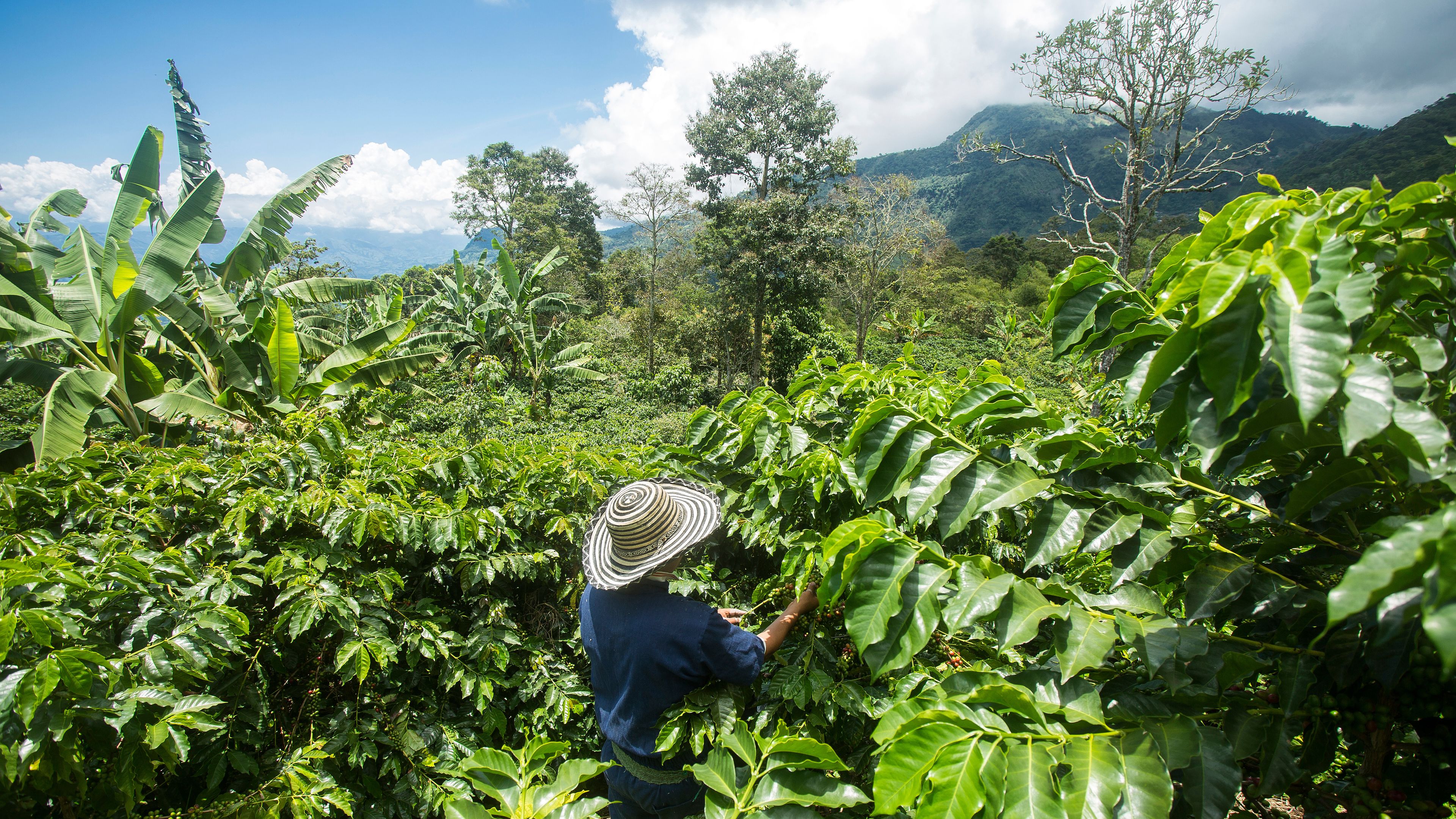
Coffee
- 85% of the coffee used in our private label products is certified to meet deforestation-free standards, such as Fairtrade, Fair Trade USA, 4C EUDR Solution, and Rainforest Alliance.
Solidaridad palm oil smallholder project in Côte d'Ivoire
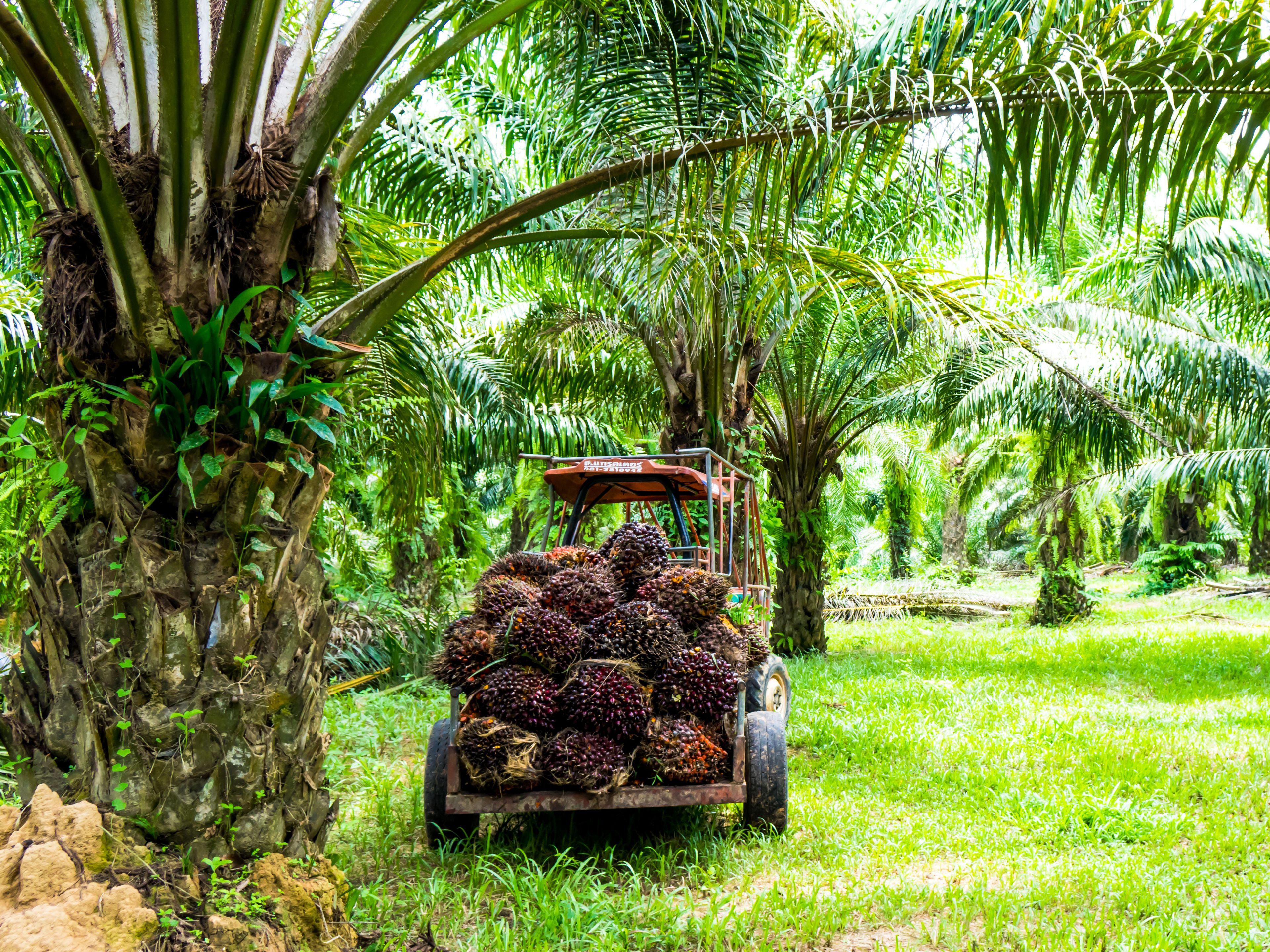
Together with the international civil society organisation Solidaridad and ALDI Nord, we supported a four-year project in Côte d'Ivoire to improve the sustainable cultivation of palm oil and prevent deforestation in the region. The smallholder farmers were offered training through Farmer Field Schools programmes and restored around 250 hectares of forest land between 2017 and 2021.
Even though we faced multiple challenges during this project – including COVID-19 restrictions and political tensions – 90% of the farmers and local partners reported positive impacts and increased knowledge on the importance of forest conservation.
Collaboration and advocacy for forest protection
To help address deforestation and protect the world’s forests, rapid and impactful action is required. We intend to engage with policymakers and participate in recognised standard-setting processes to support the introduction of voluntary and regulatory frameworks that advance sustainable food production. We continue to advocate for stronger regulation, government support, and financial incentives that enable a transition towards a nature-positive economy.
In the past, ALDI has called on governments, traders, and producers to protect high conservation value areas and prevent deforestation, including through signing open letters and public statements, such as support for the Cerrado Manifesto and Amazon Soy Moratorium.
We recognise that legislative measures, such as the EU Deforestation Regulation, can play a significant role in reducing deforestation by addressing import-driven impacts and strengthening requirements for deforestation-free products. We have publicly backed calls for strong and effective regulatory action, including through signing a joint open letter supporting the timely and robust implementation of the EUDR.
We collaborate with:
- Standard bodies to strengthen certification criteria and processes, such as the Roundtable for Sustainable Palm Oil, Roundtable for Responsible Soy, Rainforest Alliance for cocoa and coffee, or the Forest Stewardship Council (FSC) for wood, pulp and paper.
- Direct suppliers and commodity traders to ensure implementation of our requirements in deforestation high-risk supply chains, such as soy, palm oil, coffee, cocoa, wood, and beef.
- Industry groups across the sector including the Retailer Palm Oil Group, the Consumer Goods Forum (CGF), and the Retail Soy Group (RSG).