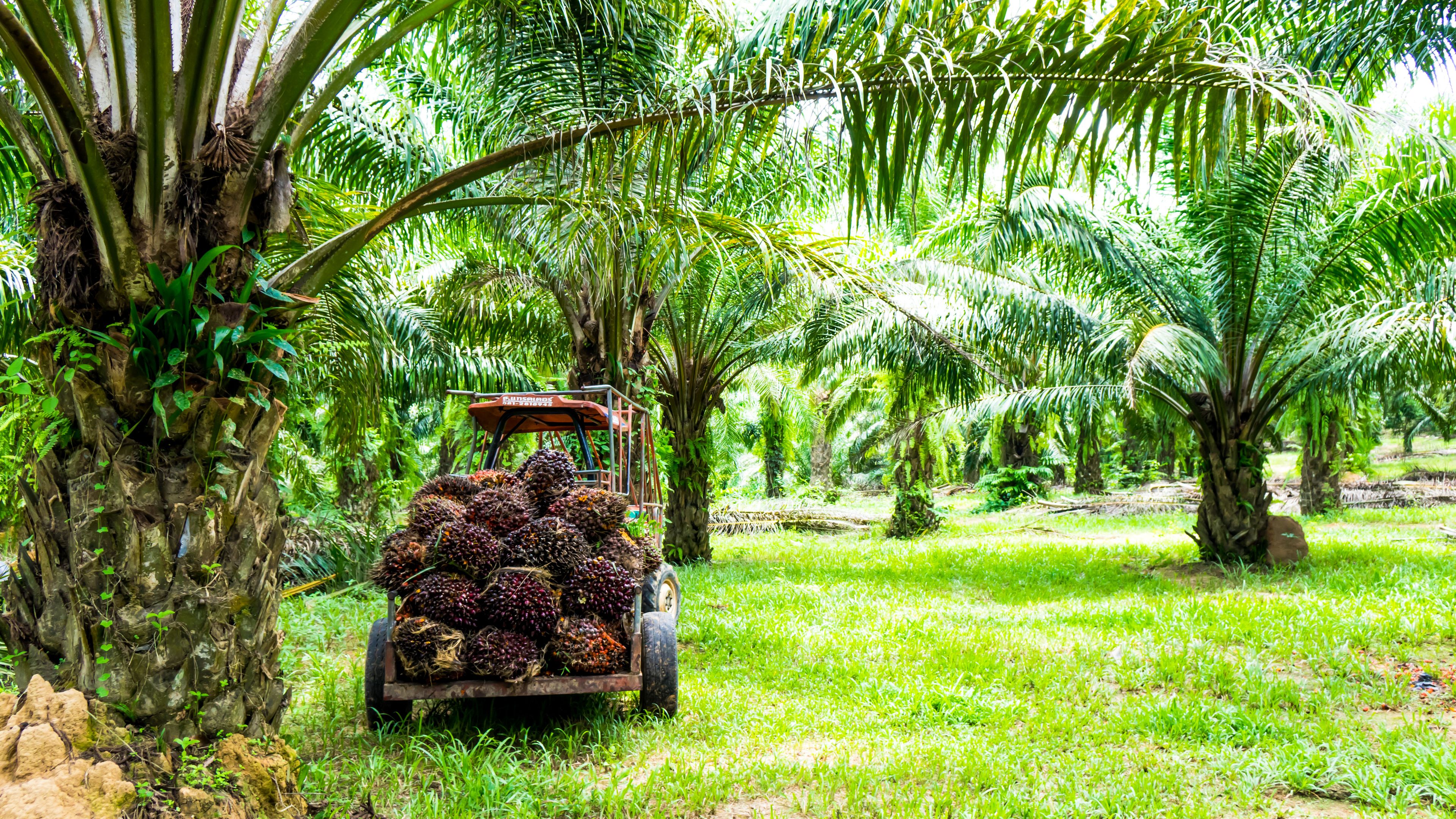
Together with the international civil society organisation Solidaridad, the ALDI SÜD Group and ALDI Nord have completed a four-year smallholder project in Côte d'Ivoire. The aim was to promote the sustainable cultivation of palm oil in the area and hemp address deforestation risks.
Smallholders face high administrative burdens and costs in the production of sustainable palm oil. The ALDI SÜD Group believes it is important to support smallholders by equipping them with the tools and knowledge that can help them participate in palm oil production aligned with recognised sustainability requirements.
To view videos on this website, please consent to the use of cookies and plug-ins below. For further information, please refer to our data protection policy.
Smallholder farmers in palm oil production
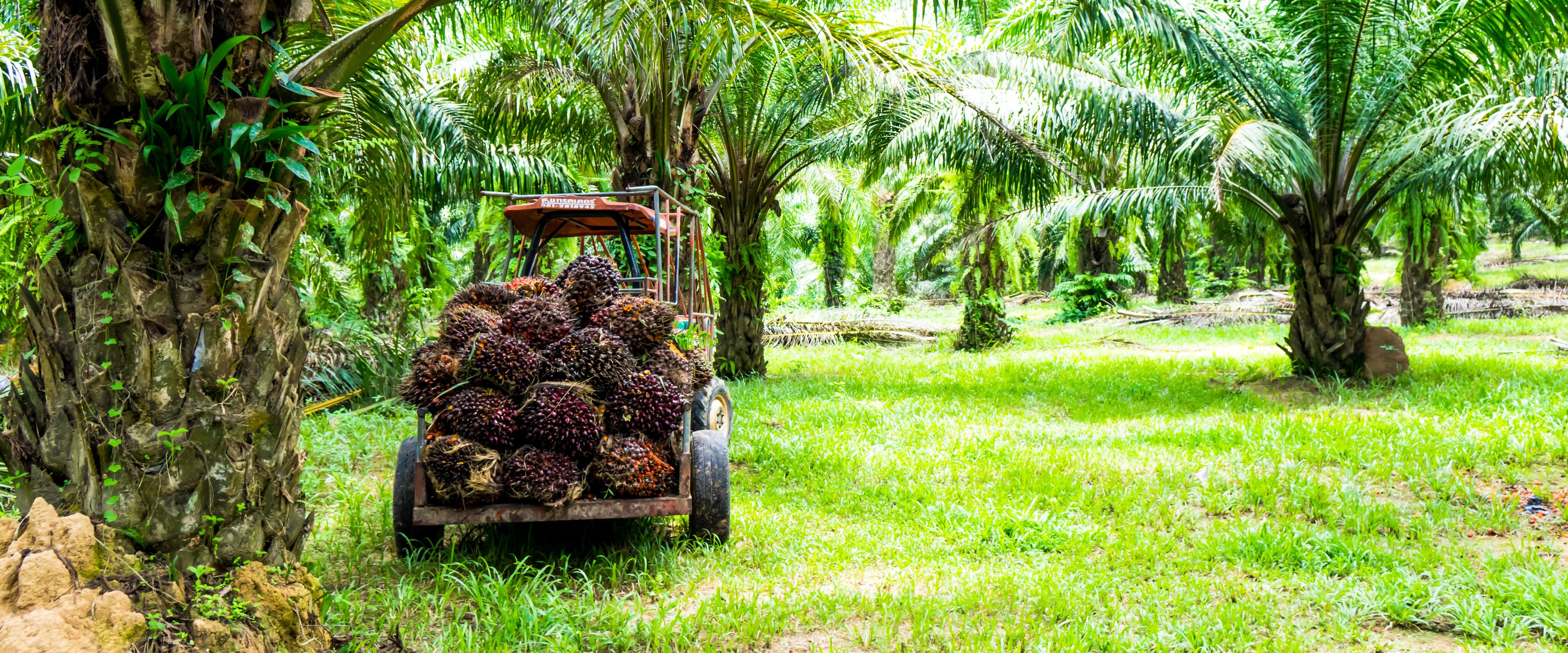
Approximately 40% of the world's traded palm oil is produced by smallholder farmers. Many smallholders face difficulties in accessing the global supply chain. This is often due to land rights issues, insufficient finance, poor access to markets and information, and a lack of training.
Given that Côte d'Ivoire is a newer area for palm oil cultivation, the ALDI SÜD Group launched an innovative project that focused on paving the way for more sustainable practices in the region. Our goal was to increase opportunities for smallholder farmers to participate in a sustainable palm oil production aligned with recognised sustainability standards and practices.
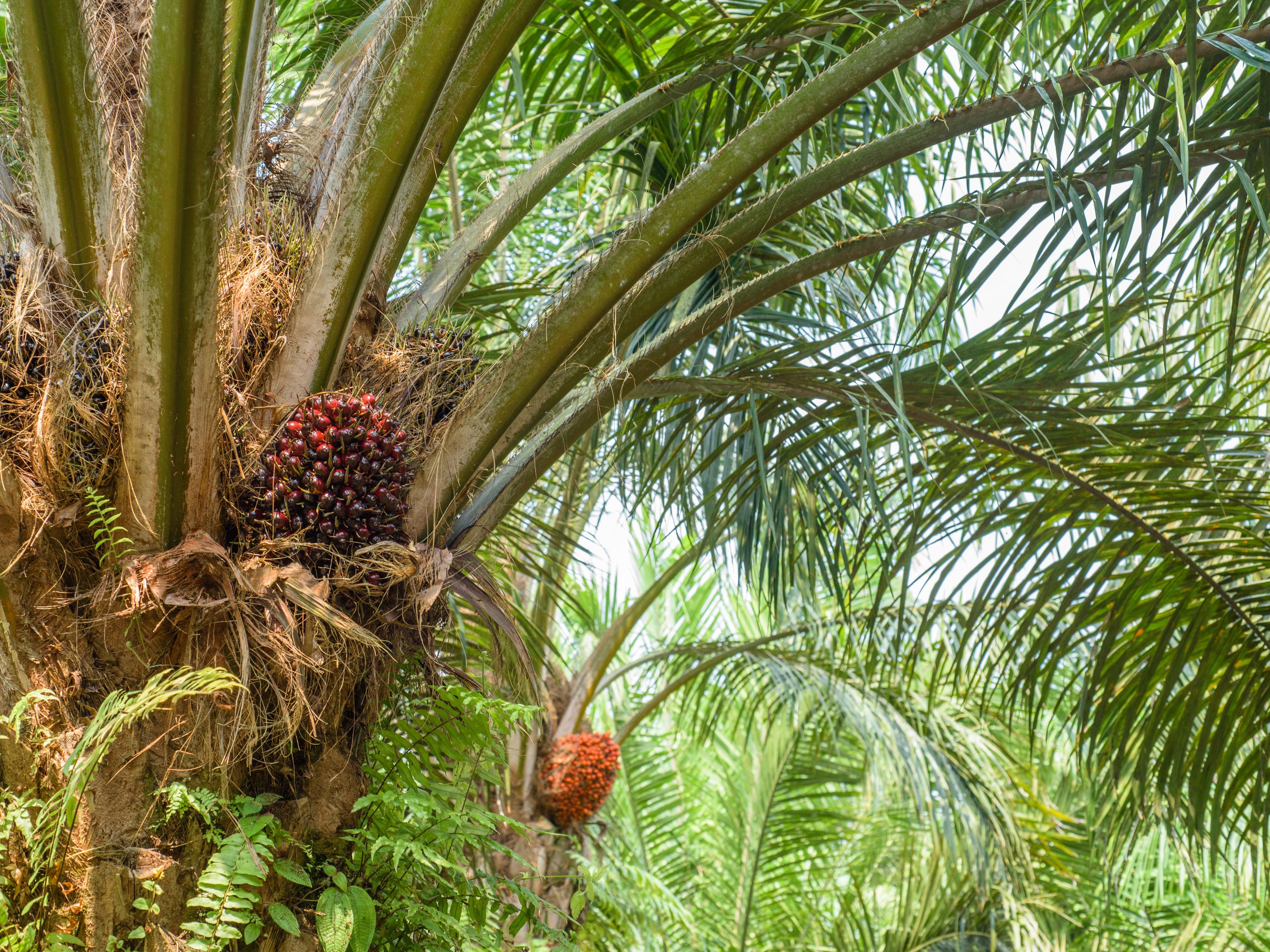
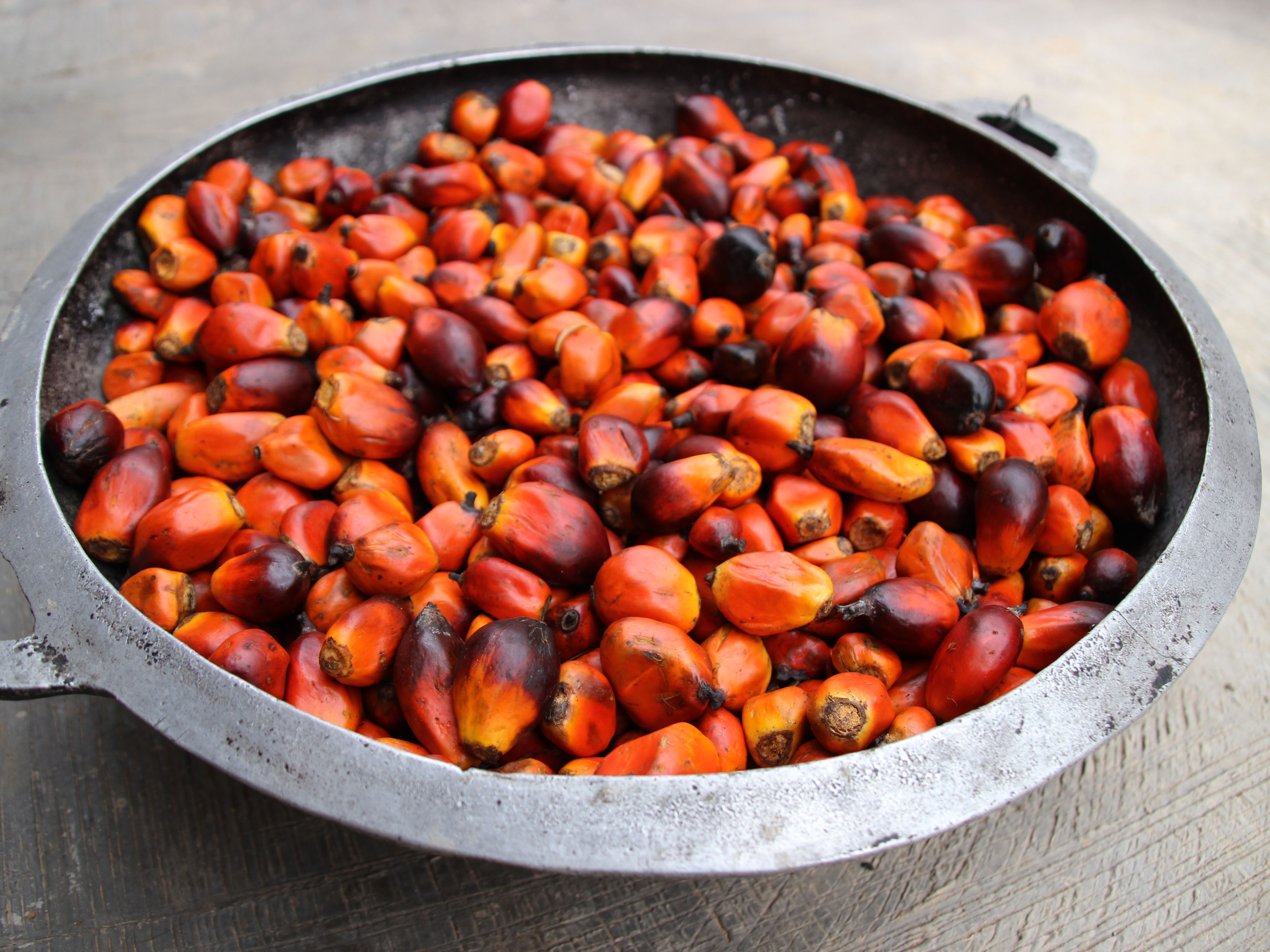
Challenges when sourcing palm oil
Compared to other vegetable oils, palm oil has a much higher yield, which makes it highly attractive to many producers and purchasers around the world. Its cultivation is frequently criticised for causing deforestation. Rainforest areas have been cleared to grow palm oil thus endangering wildlife, and threatening the environment.
Supporting forest protection and restoration efforts
The joint project focused on improving smallholder farmers' knowledge of best environmental practices and on farming methods that respect High Conservation Values (HCV) and natural forests. Solidaridad offered training through Farmer Field Schools (FFS) programmes. From 2017 to 2021, we trained 2,611 smallholder palm oil farmers and restored around 250 hectares of forest land in the project area, which is the equivalent to 350 football pitches. In total, the team cultivated 17,532 tree seedlings in nurseries. These were distributed to individual farmers, planted in schools and on the edges of sacred forests, and used to help restore natural reserve areas.
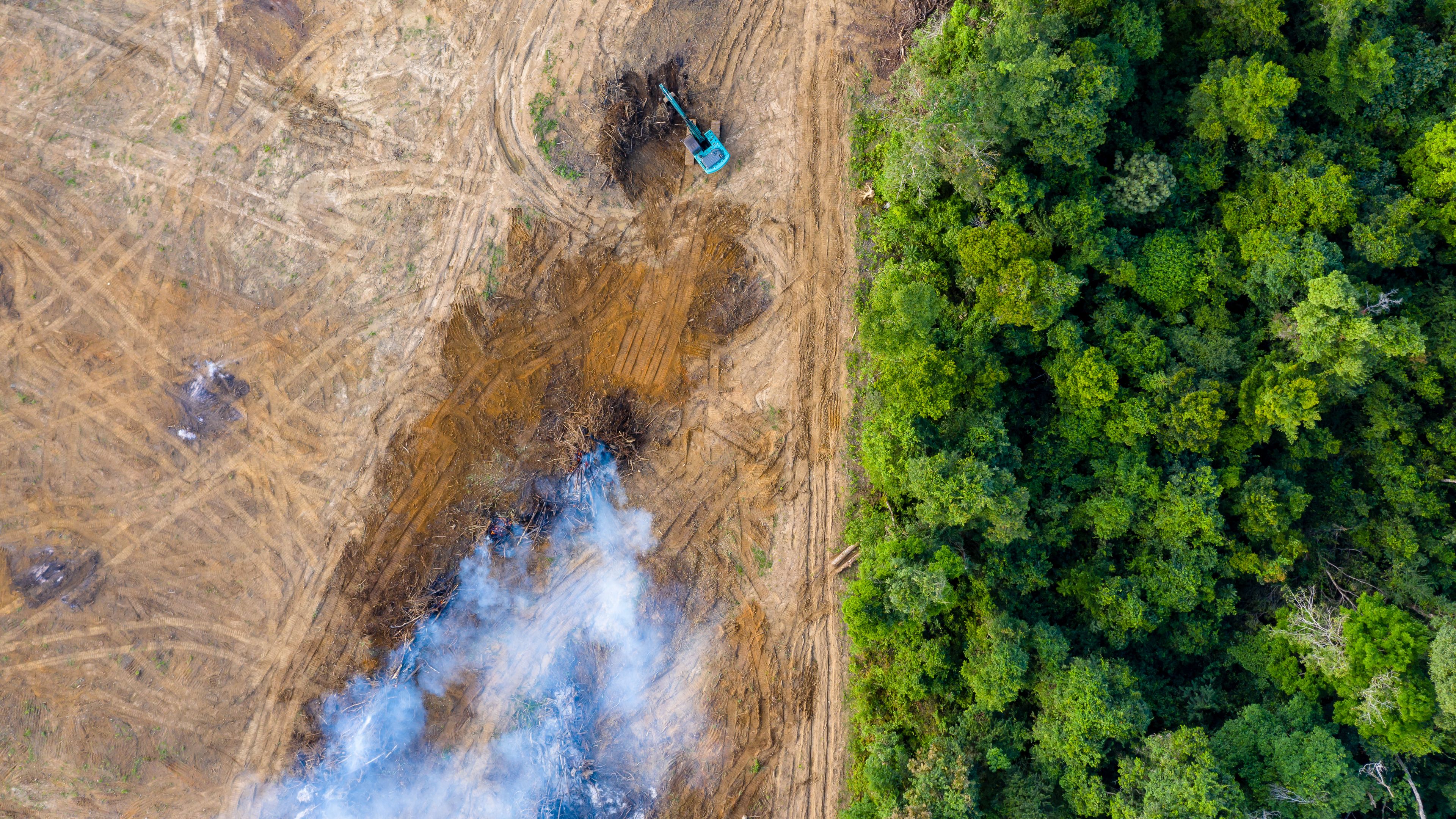
Dedication to eliminating deforestation
The ALDI SÜD Group set a goal to eliminate deforestation from its high-risk supply chains, including palm, soy, timber, beef, cocoa, coffee, by 2025. While we have made meaningful progress towards this goal, we did not fully achieve our objective of eliminating deforestation from all high-risk supply chains by this target date. This reflects broader industry-wide challenges as well as structural and regulatory barriers, including the complexity of verifying soy used in animal feed across multiple supplier tiers, ongoing traceability limitations in palm oil and cocoa supply chains, and the delays to the implementation of the EU Deforestation Regulation.
The Science Based Targets initiative (SBTi) has that companies unable to meet previous goals review, and where necessary, adjust their timelines for achieving deforestation-free supply chains. As part of our new sustainability strategy, Force for Good, we will assess how to address the remaining obstacles we still encounter in some supply chains, such as increasing our engagement in high-risk sourcing regions. Through this action, we aim to sustain the progress made to date on deforestation.
Find out more about our actions to eliminate deforestation and conversion from our supply chains.
Partnering for change
Throughout the four-year project, we faced many challenges, including COVID-19 restrictions, and political tensions. However, despite these challenges, 90% of the participants and stakeholders reported positive outcomes in the area, including increased knowledge from the training sessions among community leaders and youth
The project involved various partners and stakeholders, including the Inter-professional Association of the Oil Palm Industry (AIPH). This institution has fully endorsed the project’s outcomes and is now installing tree nurseries in other palm oil-growing regions. Other cooperatives engaged were COOPALEN, UCCOPES, COOPTOSA from the Sud Comoe region, UCOOPALM from the Grand Ponts region, USCOPAHLD from Loh Djiboua and U3SC from San Pedro.