The ALDI SÜD Group actively addresses human rights and environmental risks in its coffee supply chain. We work closely with our suppliers and industry partners to support regenerative agriculture and farmers’ livelihoods to ensure that our customers can enjoy their cup of coffee not only today, but for years to come.
* International Coffee Organization / ** FAO / *** In accordance with recognised standards such as Fairtrade, Fairtrade USA, 4C, and Rainforest Alliance (2025).
Doesn't everyone love a cup of coffee?
Coffee is one of the world’s most widely consumed beverages, with annual global production of approximately 170 million bags, each weighing approximately 60 kg. Global demand continues to grow and is projected to triple by 2050. However, production volumes have recently come under pressure, largely due to rapidly changing climate conditions in key coffee-growing regions.
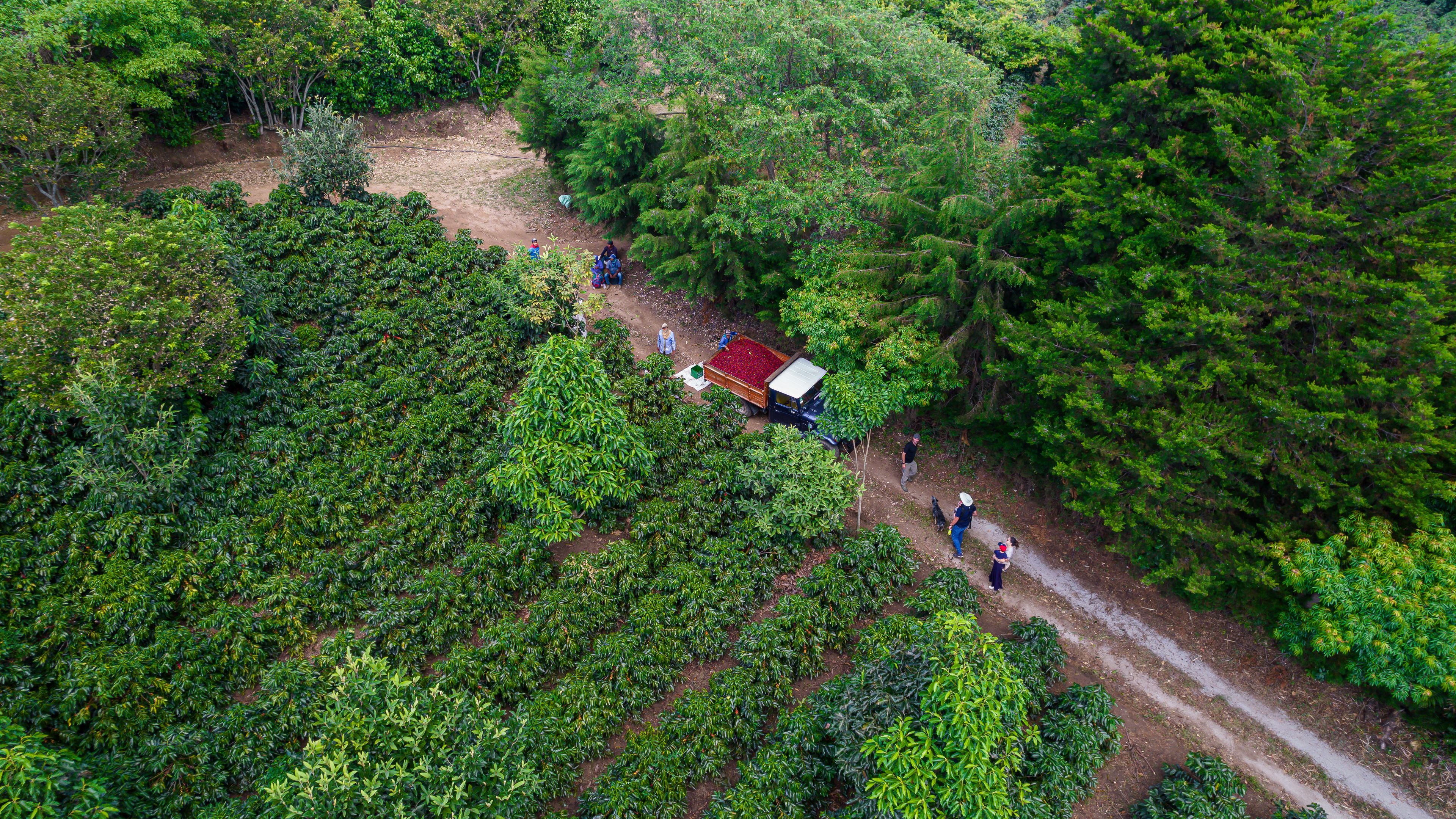
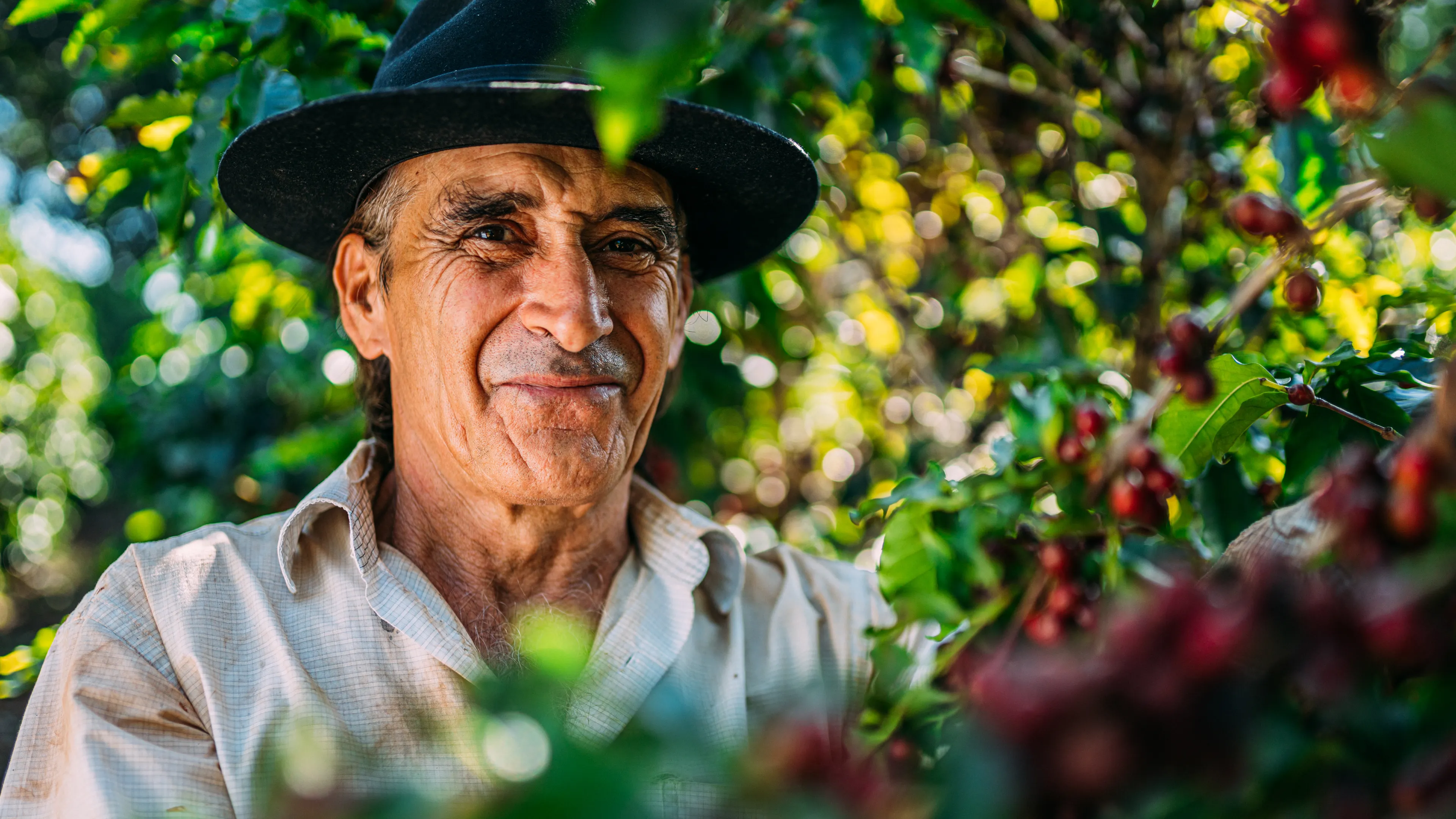
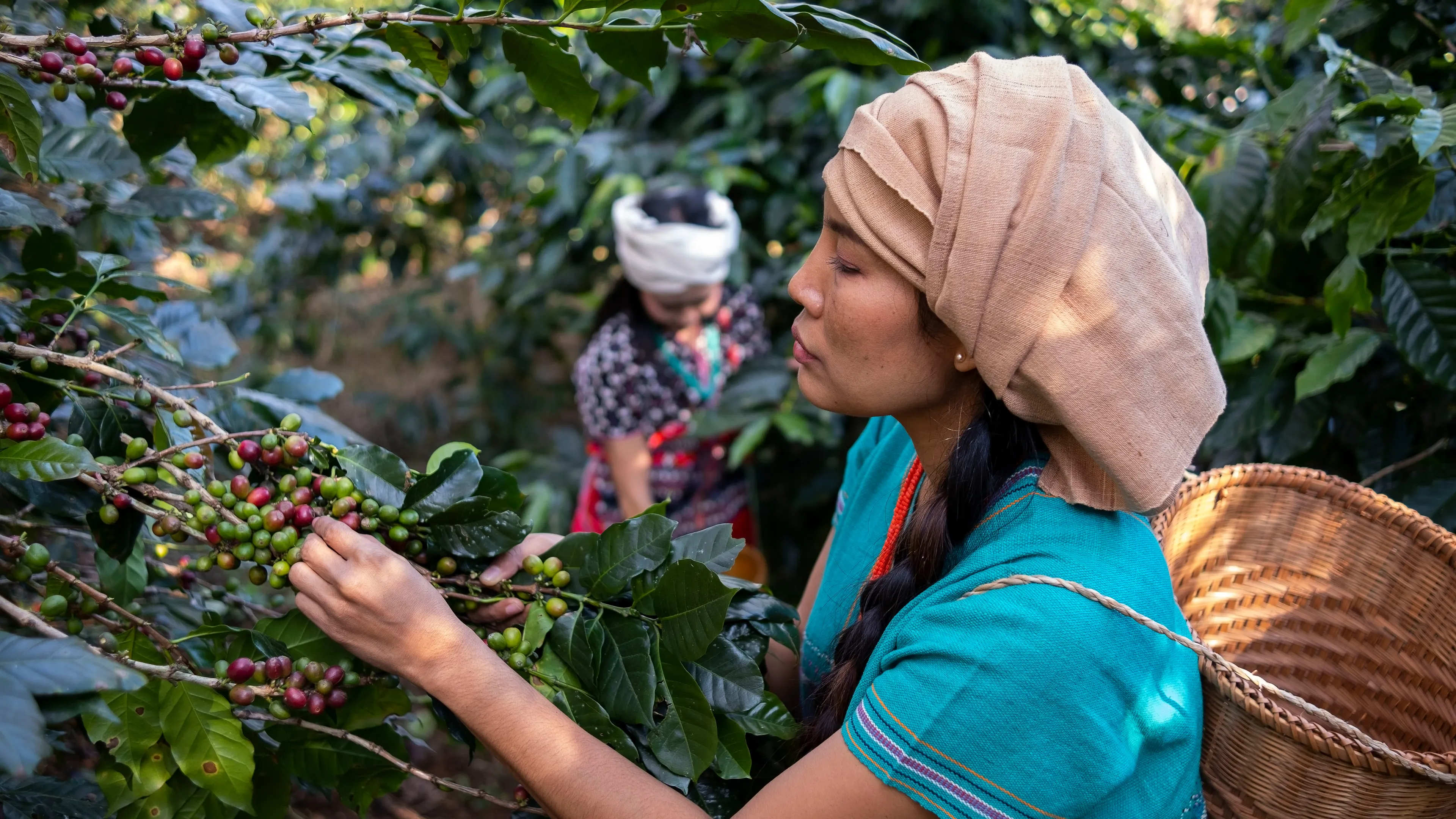
More than half of the world’s coffee is produced in Brazil and Vietnam, where the sector provides a livelihood for millions of households. Coffee is primarily cultivated on smallholder farms, where coffee cherries are often harvested by hand. Many of these farmers live below the poverty line, struggling to earn a living income. They often have limited access to training and resources, while their crops are exposed to risks such as pests, diseases, soil degradation, and water stress.
Declining yields and price volatility can increase pressure on farmers, in some cases contributing to the expansion of agricultural land into forested areas. This can lead to further environmental challenges, including deforestation and biodiversity loss. Change in the coffee sector depends on supporting farmers to strengthen their resilience against climate impacts, while enabling sustainable and viable livelihoods.
To help bolster the resilience of the coffee supply chain, we are committed to a set of actions to address sustainability challenges. These include enhancing transparency and sourcing practices, co-investing in on-farm initiatives, and engaging in policy dialogue to support enabling frameworks.
Responsible sourcing is our foundation
We work closely with our suppliers to enhance transparency across the coffee supply chain, enabling us to trace the origin of products and raw materials used. This also helps us to ensure that our responsible sourcing requirements – such as the use of certification schemes or our commitment to eliminating deforestation and land conversion from our critical supply chains are met and that potential human rights and environmental risks are managed effectively.
The ALDI Business Partner Sustainability Standards establish minimum binding sustainability requirements for all ALDI business partners and encompass essential norms, including, but not limited to, due diligence processes, environmental stewardship, occupational health and safety, and non-tolerance for discrimination, forced labour, and child labour.
The use of independent third-party certification schemes helps us apply recognised and credible social and environmental criteria in coffee production. We source coffee certified under standards that address key risks in coffee-growing communities, including biodiversity-related sustainability challenges.
Additionally, we evaluated selected trader sustainability schemes to assess their potential use in further strengthening our ability to tailor sourcing and sustainability initiatives to specific origins and local challenges. Based on this assessment, we have approved several schemes for our sourcing, including ofi AtSource, Sucafina Impact, and LDC RSP Advanced. These schemes will only be used by the ALDI SÜD Group under the condition that scheme participants such as coffee farmers have undergone an independent audit by a qualified and accredited third-party organisation.
These programmes are recognised by the Global Coffee Platform (GCP) as aligned with the Coffee Sustainability Reference Code and as meeting requirements for credible, independently assured responsible sourcing practices. They are also widely used within the coffee sector, including by farming communities.
Third-party certification scheme
A third‑party certification scheme is a formal system in which an independent organisation verifies, through external audits, that a product, process, or actor complies with predefined sustainability standards.
Trader sustainability scheme
A trader sustainability scheme is a company‑owned or value‑chain–led framework in which coffee traders define and implement sustainability standards, typically using internal or second‑party assurance mechanisms rather than fully independent certification.
Developing a coffee sourcing strategy with roaster NewCoffee
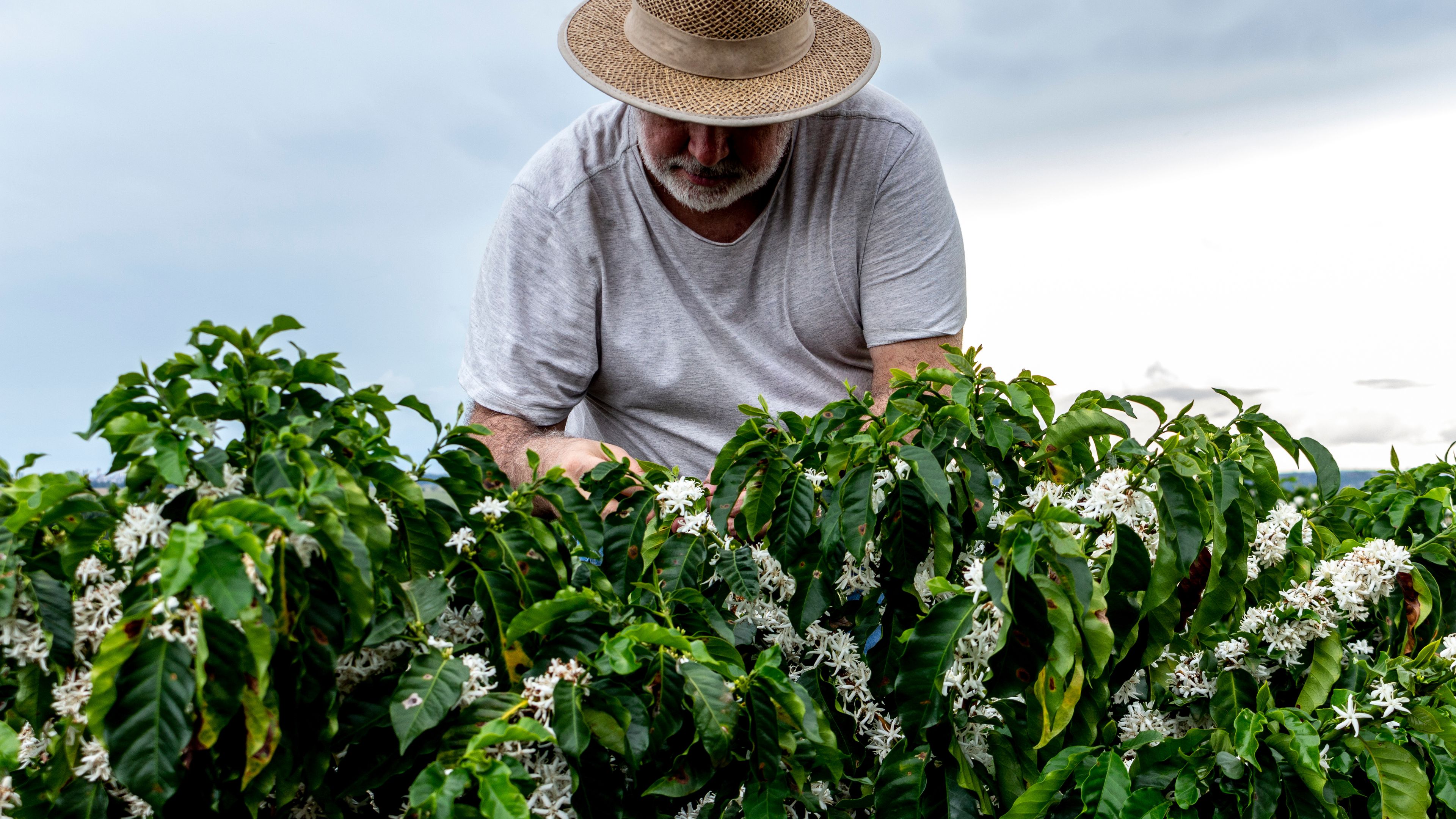
NewCoffee is ALDI’s own coffee roastery and the main coffee supplier for the entire ALDI SÜD Group. Over time, this partnership has developed around a shared focus on supporting responsible sourcing. Our joint sourcing approach focuses on strengthening connections with suppliers and cooperatives in key origin countries: Brazil, Vietnam, Honduras, and Peru.
By building long-term relationships with trusted coffee growers, increasing purchase volumes, and co-investing in selected initiatives, we aim to support greater planning stability and security for coffee farmers. This can enable more stable sourcing relationships and support ongoing investments in human rights, environmental protection, and the transition towards more regenerative coffee production practices.
Projects that drive positive impact
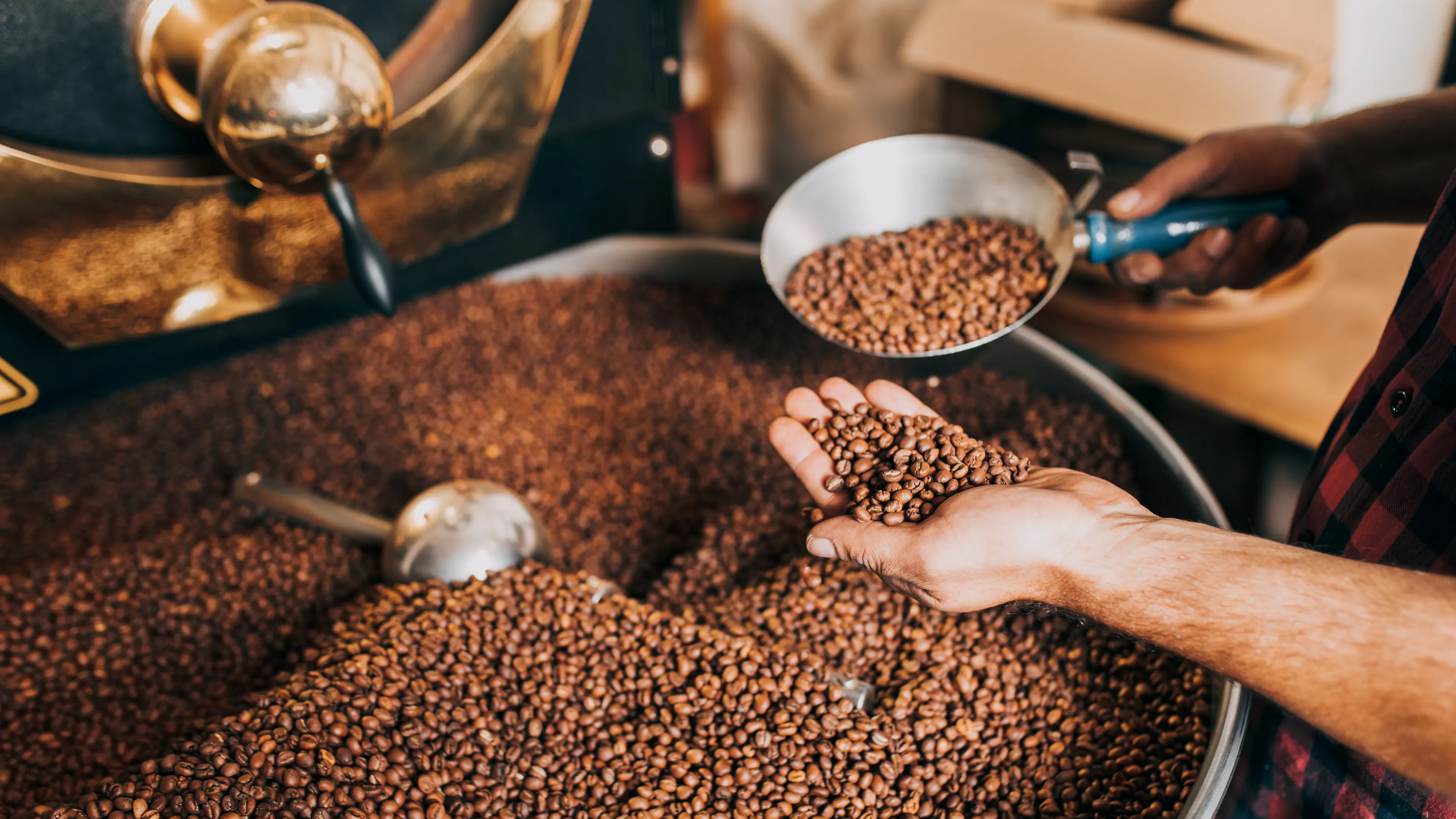
Our partnership with NewCoffee is one of several initiatives through which we will engage with suppliers and other stakeholders to support driving systems change in the coffee supply chain. We work closely with selected suppliers and industry partners on projects that seek to support the uptake of sustainable farming practices and strengthen the resilience of coffee-producing communities in our main sourcing regions, which are Brazil, Vietnam, Honduras, and Peru.
We have contributed to and are involved in the following projects:
ofi (Olam Food Ingredients)
Between 2021 and 2025, the ALDI SÜD Group partnered with its supplier ofi (Olam Food Ingredients) on a project involving approximately 1,000 coffee-growing households in Honduras. The project aimed to close the living gap for these farmers by through yield increases and improving access to markets, along with training on topics such as soil health, pruning techniques, water management, equipment use, and responsible agrochemical application.
Resilient Coffee Programme by IDH
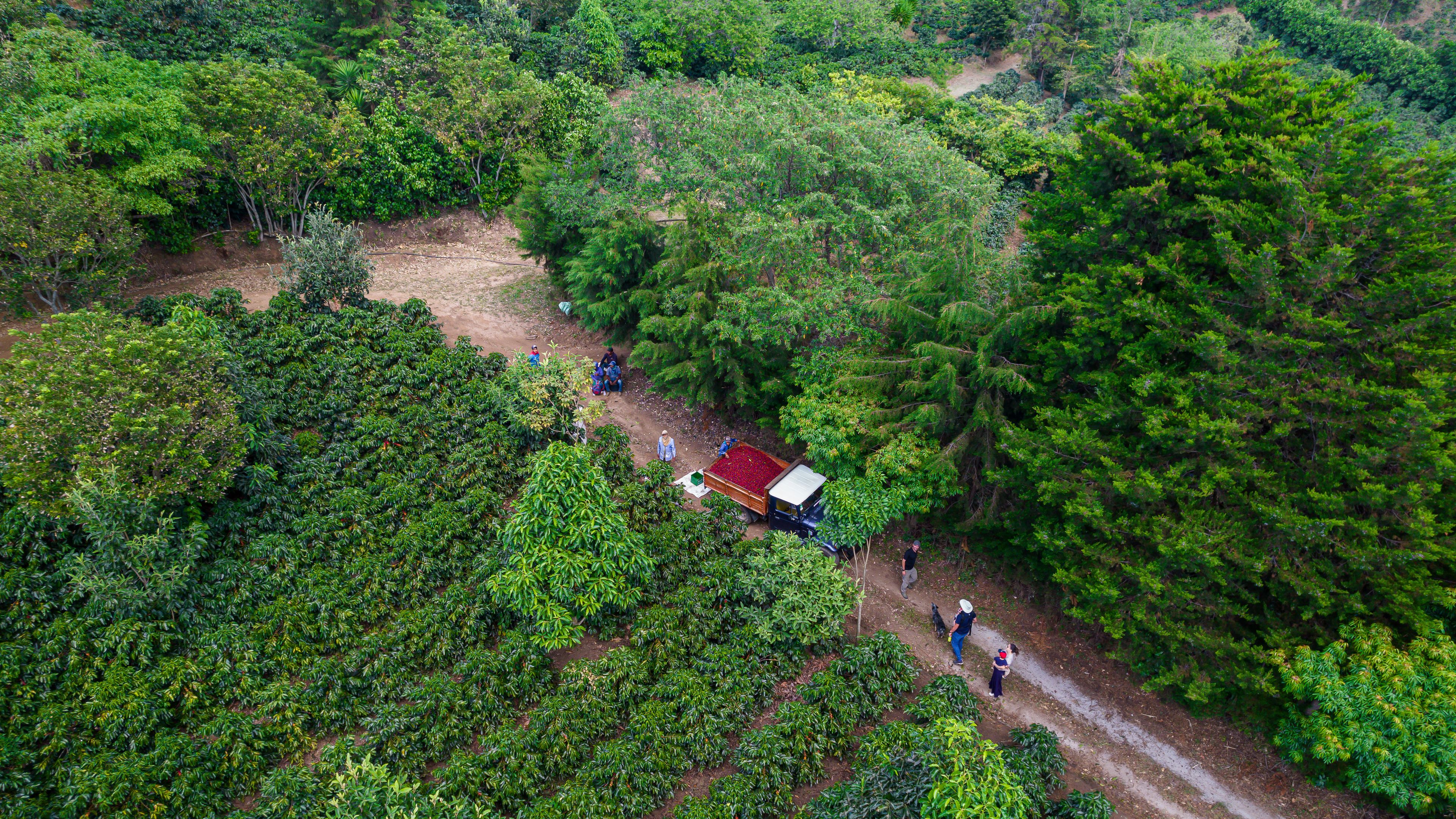
We joined the Resilient Coffee Programme by IDH in Vietnam alongside international traders and roasters, including Sucden, Tchibo, and Lavazza. This programme supports activities related to greenhouse gas emissions reduction, strengthening supply security, and the adoption of regenerative agriculture practices in coffee production.
PUR
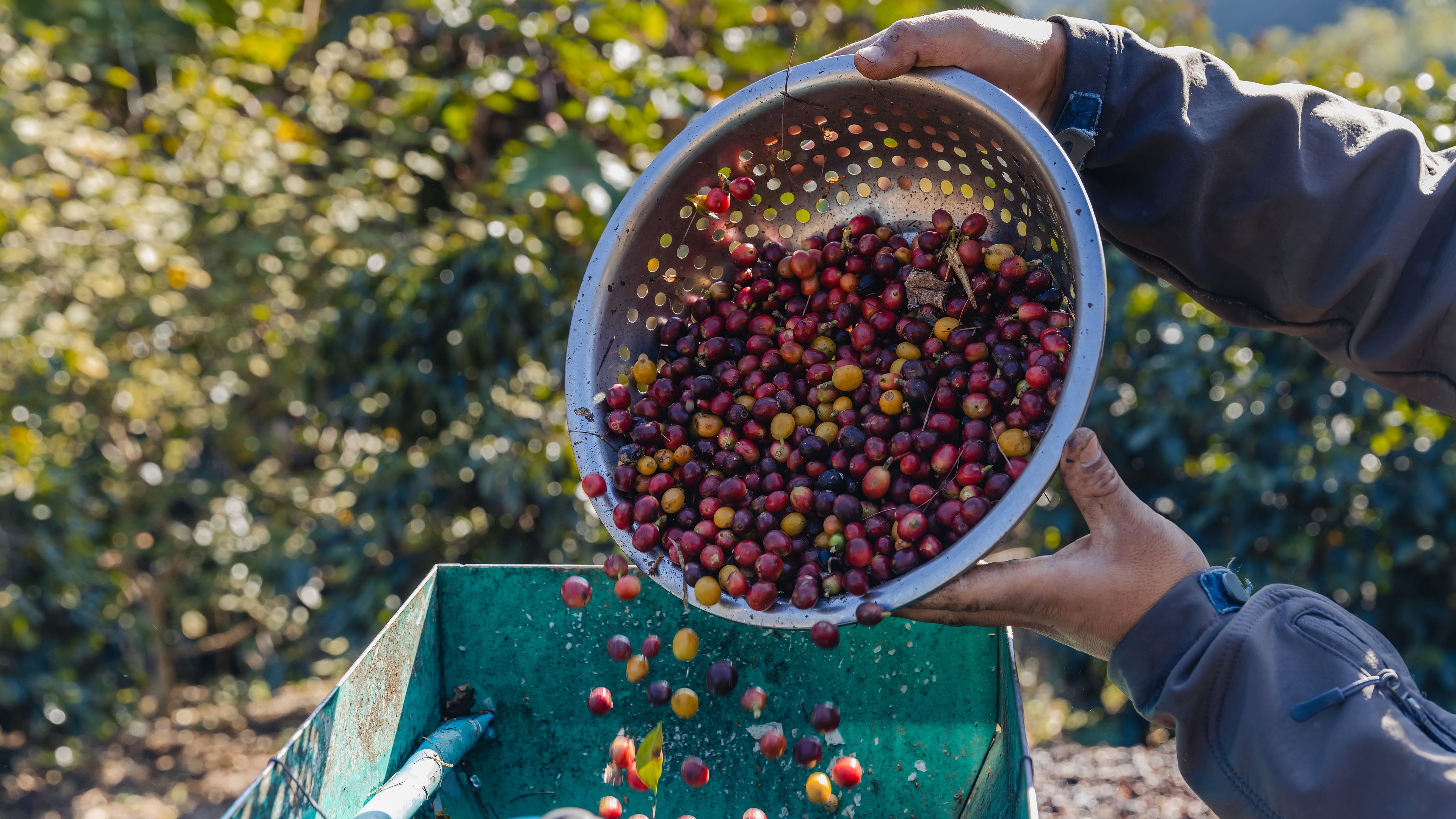
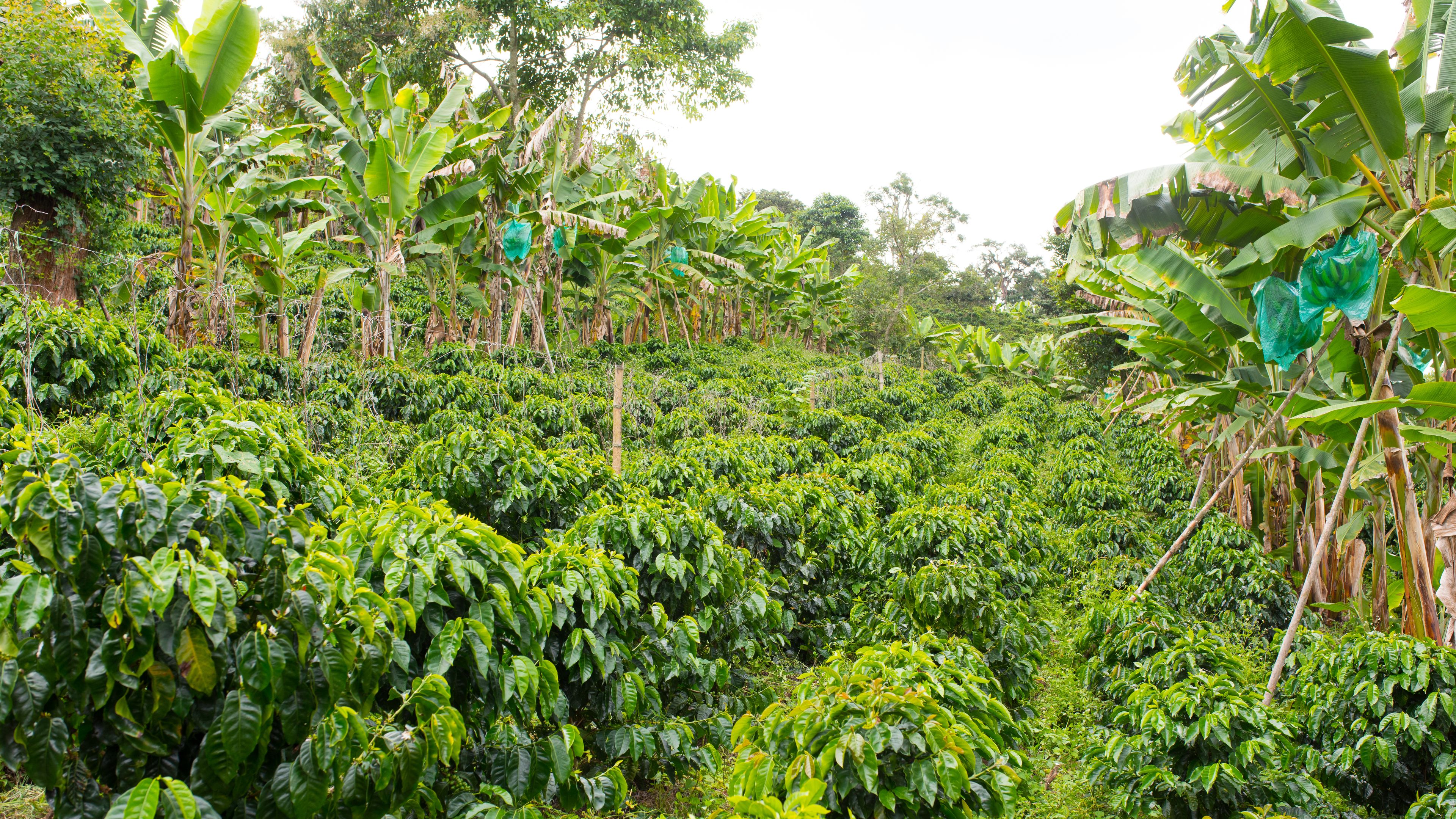
We work with partners such as PUR to deepen our engagement in broader regenerative agriculture efforts, with an initial focus on coffee-growing landscapes in Brazil. These activities are intended to support ecosystem restoration efforts, strengthen farmer resilience, and explore opportunities for agroforestry approaches and carbon sequestration over time.
Collaboration and advocacy to drive change
Effective alignment among key stakeholders across the political, economic, and social sectors is vital to addressing systemic challenges and helping advance sector-wide solutions for responsible coffee sourcing production.
Voluntary and regulatory frameworks play an important role in advancing practices that enable sustainable food production. We believe that legislative measures to address deforestation, such as the EU Deforestation Regulation, can contribute to reducing import-driven deforestation and strengthening requirements for deforestation-free products. ALDI has publicly supported the introduction of the EU Corporate Sustainability Due Diligence Directive (CSDDD) and continues to engage constructively in policy discussions relating to its implementation.
We collaborate with:
- Standard bodies such as Fairtrade, Fairtrade USA, 4C, and Rainforest Alliance to strengthen certification criteria and incorporate additional regenerative outcomes in selected commodities to advance progress.
- Multi-stakeholder initiatives such as the Sustainable Coffee Challenge (SCC). This initiative brings together retailers, traders, governments, NGOs, and research institutions to assess solutions designed to improve living and working conditions in the global coffee sector.
- The Global Coffee Platform (GCP), through our roastery partner NewCoffee, to contribute to sector dialogue, knowledge sharing, and continuous improvement efforts related to coffee production.