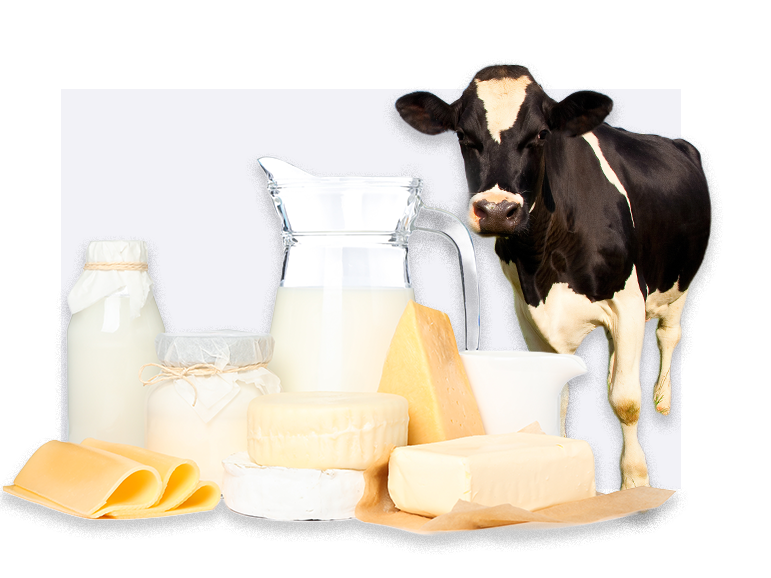
Globally, livestock value chains – including dairy and beef – provide livelihoods for more than one billion people. However, these critical sectors are facing increasingly complex and interconnected environmental, economic, and social challenges. The ALDI SÜD Group supports the transformation of livestock production through a comprehensive approach that includes advancing regenerative agriculture and reducing greenhouse gas emissions.
* WWF (Dairy) / ** FAO / *** Our World in Data / *** iffs
Critical challenges and opportunities in dairy and beef production
Dairy and beef production are vital to global agriculture and rural livelihoods, but the sectors face growing pressures. While challenges vary between markets, many underlying risks and opportunities are closely interlinked. Many farmers and ranchers often operate under significant financial pressure, driven by rising input costs, low and volatile milk prices, intense global competition, and narrow profit margins. At the same time, climate-related impacts such as heat stress, drought, and changing weather patterns can affect animal health, grazing conditions, and overall productivity.
Dairy and beef production place also significant pressure on the environment – driving greenhouse gas (GHG) emissions, water use, and resource demand. Additionally, the expansion of feed production can contribute to deforestation, soil degradation, and biodiversity loss, while inadequate waste management risks polluting water systems.
Addressing these challenges requires coordinated action across the value chain. No single organisation can drive transformation alone. Long-term progress depends on collaboration that supports farmers, strengthens resilience, and delivers environmental improvements while maintaining economically viable production systems.
Reduction of on-farm emissions
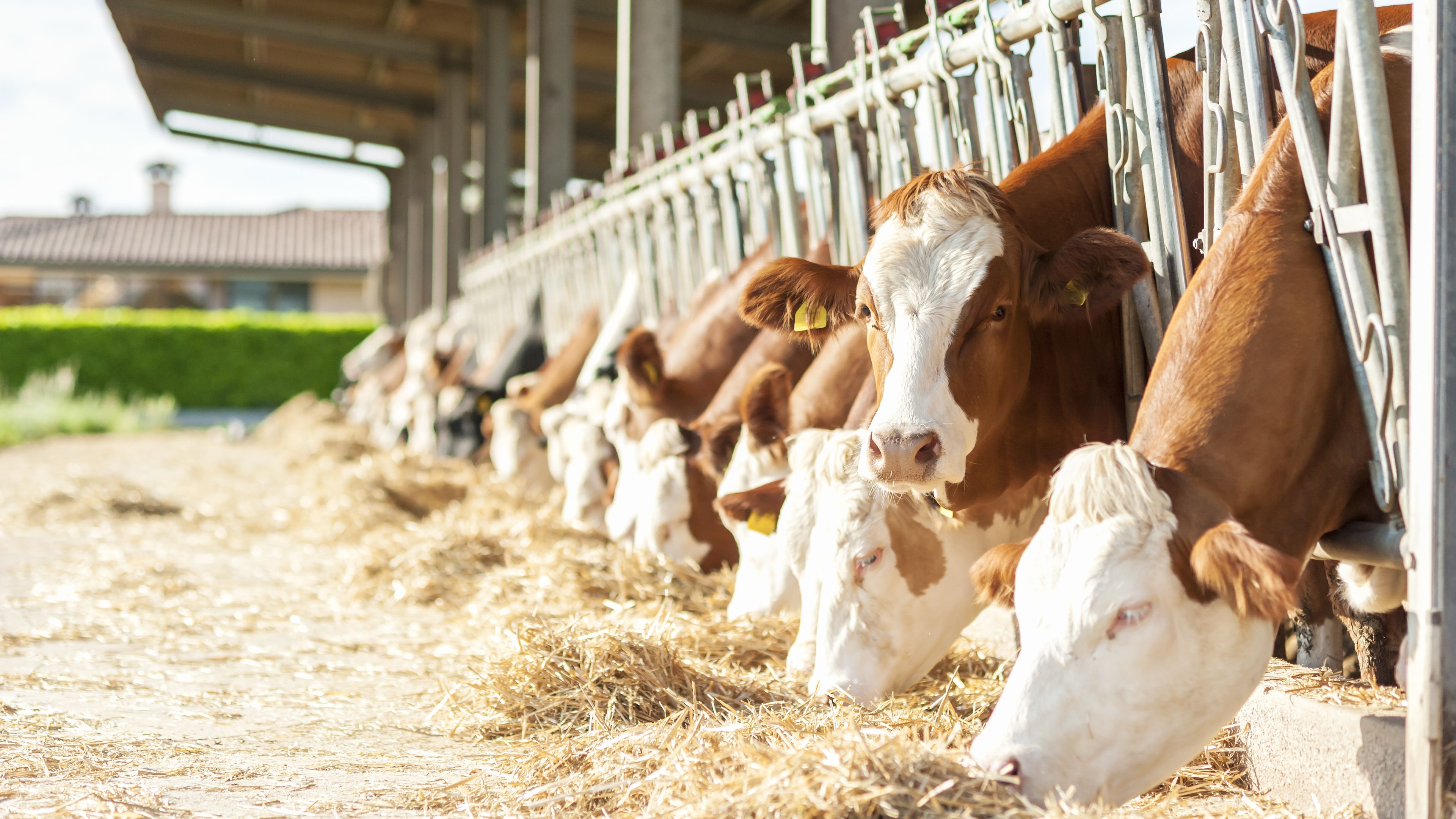
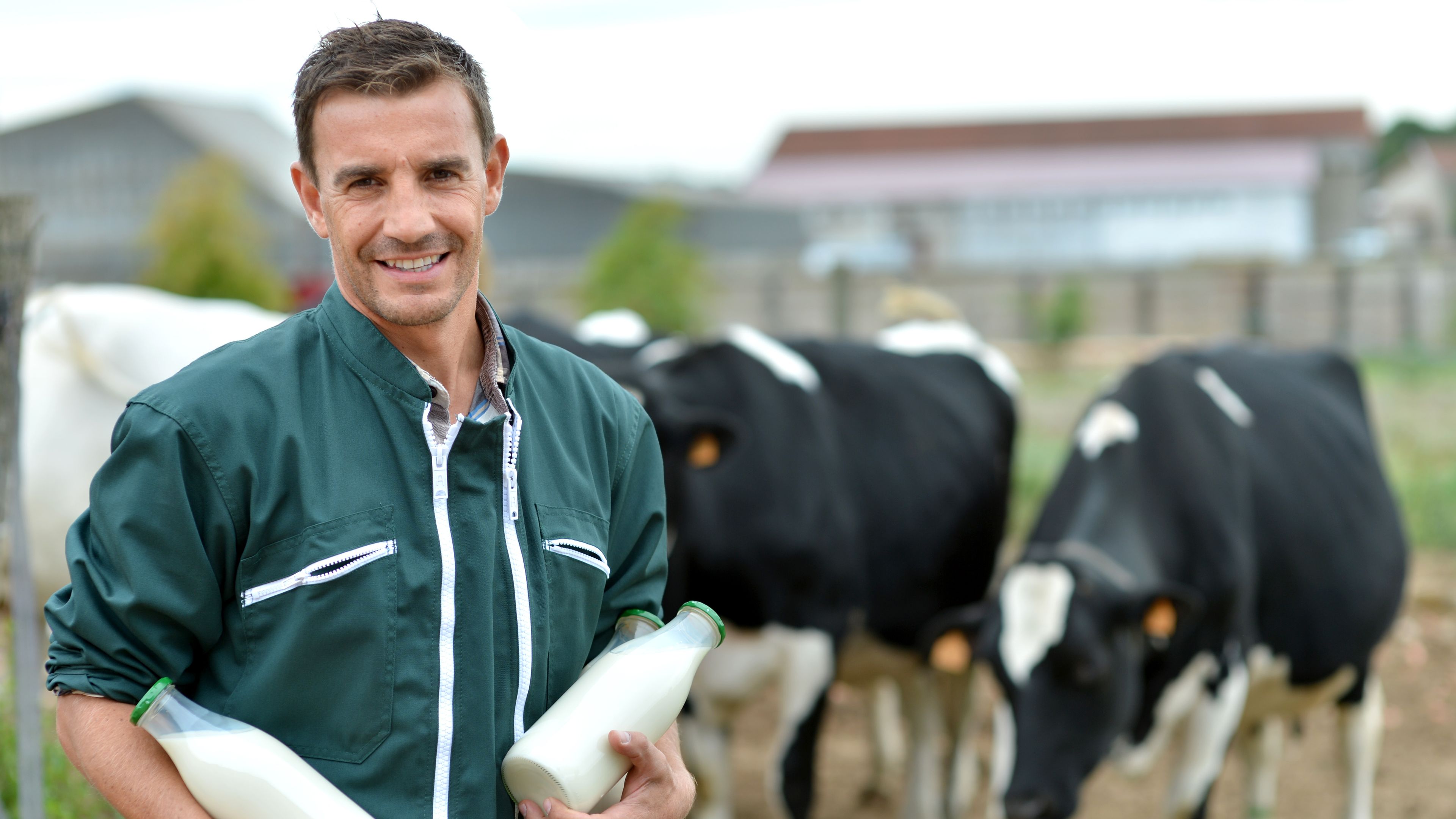
We support our suppliers in adopting solutions that reduce methane emissions from livestock, including the use of feed additives, optimised feeding strategies, and improvements in animal health and welfare. In parallel, we promote the integration and continuous improvement of regenerative agriculture practices. This includes the adoption of innovative farming technologies, such as digital soil monitoring, alongside practical measures such as the use of solid manure and manure separation, incorporation of grass-clover rotations, soil structure enhancement, strip grazing, and on-farm production of concentrates, among others.
These approaches can help reduce GHG emissions while also delivering important co-benefits, such as improved soil health, enhanced water quality, greater long-term resilience of farming systems, and the identification of opportunities to increase milk production and yield through sustainable productivity gains.
Support of regenerative agriculture
Regenerative agriculture represents a practical shift away from conventional industrial models toward approaches that work with nature. Working closely with our suppliers, we are exploring and developing projects to better understand the potential impact of regenerative agriculture practices and how they might be scaled across our dairy supply chains. In the dairy sector, this includes working with suppliers, cooperatives and industry partners to explore, develop and scale regenerative agriculture projects at farm level.
- As part of this, we have become a member of the Sustainable Agriculture Initiative (SAI) Platform to strengthen collaboration towards a globally aligned definition and approach to regenerative agriculture through the Regenerating Together Framework. The framework defines regenerative agriculture as “an outcome-based farming approach that protects and improves soil health, biodiversity, climate and water resources, while supporting farmer livelihoods”. This definition provides SAI Platform members with a common structure and guidance to move beyond conventional farming practices while supporting the restoration and protection of natural resources at scale.
- In addition, we intend to support the co-development of practical solutions that enable system-level change. As a retailer that engages across multiple SAI Platform working groups, ALDI both contributes to and benefits from, established tools and initiatives, such as the Farm Sustainability Assessment (FSA), the Regenerating Together Programme (RTP), and the Sustainable Dairy Partnership (SDP). Through these working groups, we contribute to collaborative efforts designed to support food system transformation and provide feedback on how the Regenerating Together Framework can be operationalised in practice.
- Our projects are guided by the principles of the SAI Platform Regenerating Together framework, which provides a consistent outcome-based structure within a continuous improvement lense, and places farmers at the centre of the transition. Farming systems, challenges, and opportunities vary significantly by region, farm type, and operating context. Farmers are therefore best placed to determine which approaches will deliver meaningful and lasting outcomes to soil health, biodiversity, climate, water resources and farmer livelihoods.
As a retailer, we believe supporting pathways that enhance farm resilience, productivity, and profitability is essential to enabling long-term adoption, which in turn can contribute to a more sustainable food system.
Regenerative agriculture
Regenerative agriculture is an outcome-based farming approach that aims to protect and improve soil health, biodiversity, climate and water resources while supporting farming livelihoods. Over the long term, it can strengthen food production resilience to climate change, help stabilise yields and reduce reliance on external inputs, such as pesticides and fertilisers.

Initiatives to create impact
In close collaboration with selected suppliers and industry partners, we participate in initiatives with the potential to support food system transformation, increase supply chain resilience, and drive long-lasting change. Through targeted financial co-investments, ALDI aims to provide farmers with the funding needed to invest in more sustainable production systems. This includes paying premiums or providing additional support to help farmers adopt regenerative and low impact practices, recognising that the transition requires investments in new tools, skills, and farming methods.
Our engagement includes the following projects:
- ALDI UK has extended its partnership with Arla UK through the Arla FarmAhead Programme, committing up to £30 million through mid 2027 to support dairy farmers in reducing on-farm emissions, improving animal welfare, and trialling innovative practices. With this additional investment, the ALDI Dairy Farm Partnership covers all Arla fresh milk suppliers, with support increased from 25 to more than 150 British farms.
- ALDI SÜD Group and FrieslandCampina will launch a new long-term partnership aimed at supporting dairy farmers in adopting regenerative agriculture practices and helping accelerate greenhouse gas emissions reductions across the dairy supply chain. The collaboration combines on-farm carbon reduction initiatives with an ambitious regenerative agriculture programme, creating a practical model for shared investment and collaboration across the value chain.
- Furthermore, ALDI US joined the Supplier Leadership on Climate Transition (LOCT) initiative in 2024. Through this initiative, we aim is to strengthen collaboration with our direct suppliers to support the adoption of science-based GHG emissions reduction targets. As a member, we also sponsor supplier access to tools and training materials that provide guidance and best practices for defining climate targets.
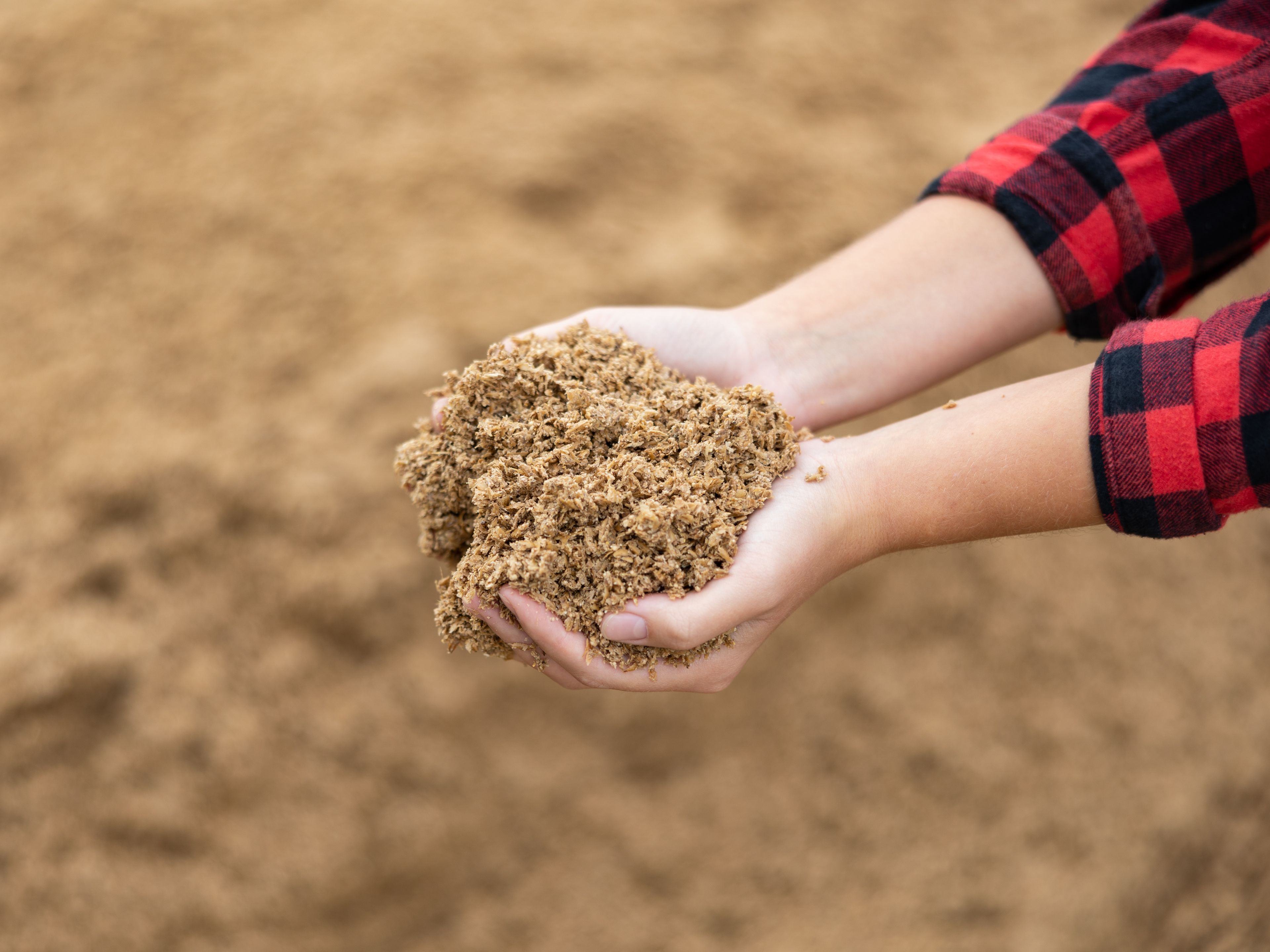
Advancement of animal husbandry standards
Demand for animal products remains high, and so do our customers’ expectations. While there are many challenges in how animal products are produced and sourced, we aim to offer products that meet established animal welfare standards, taking into account national legal requirements and cultural contexts in all the countries we operate in. We work closely with our suppliers and other stakeholders to uphold these standards and seek continuous, step‑by‑step improvements in animal husbandry across our markets.
In Germany, ALDI SÜD has taken a leading role in advancing better animal husbandry practices. Meat and selected dairy products are voluntarily labelled with the cross‑sector Haltungsform husbandry label, which helps customers understand the conditions in which animals are raised.
Collaboration and Advocacy to drive change
We are currently developing our advocacy approach for agriculture to better understand how we can effectively support farmers in reducing on farm emissions while supporting the advancement of resilient farming systems. This includes exploring practical ways to integrate regenerative agriculture approaches, encourage innovation in animal feeding and farm management, and help embed solutions that are both economically viable and environmentally responsible.
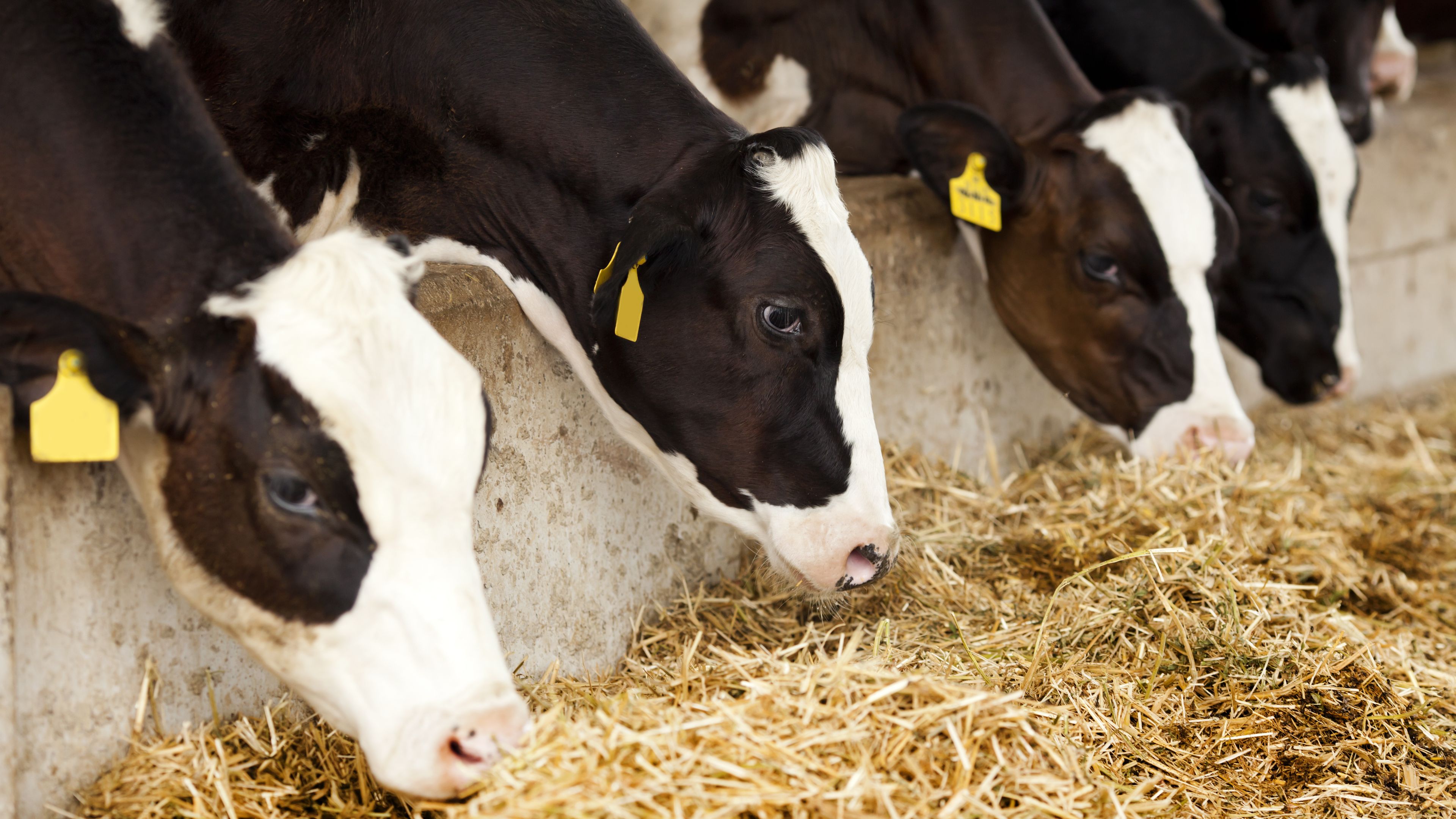
We collaborate with:
- Cross-industry initiatives such as the Dairy Sustainability Framework, the Global Roundtable on Sustainable Beef (GRSB) and market-specific groups like the UK Dairy and Beef Roadmap or the U.S. Roundtable for Sustainable Beef to share knowledge and foster progress on key sectoral priorities, including reducing greenhouse gas emissions, improving grazing lands and water management practices, and enhancing animal welfare.